
Elephant Symbolism in Feng Shui: Strength, Wisdom, Luck

In feng shui, the elephant stands for strength, wisdom, protection, and good fortune. Place an elephant figure thoughtfully and it is meant to steady a space and draw supportive energy toward the people in it. The symbol carries weight across Asian cultures, from Chinese tradition to Hindu and Buddhist imagery, and the details, especially which way the trunk points, change what it represents. This guide covers what the elephant means, why it reads as lucky, and where to place one at home or in an office.
Key Takeaways
The elephant signals strength and stability. Placed near an entrance, it is believed to guard the home and steady its energy.
Trunk position changes the meaning. A raised trunk reads as luck and success; a lowered trunk reads as protection, wisdom, and longevity.
Paired elephants support relationships. Two together are associated with love, loyalty, and family closeness.
Placement follows purpose. Entrances guard, living rooms calm, wealth corners attract abundance, and studies sharpen focus.
The symbol is a prompt, not a guarantee. It works as a reminder to act with the patience and steadiness the elephant represents.
What the Elephant Represents
Strength and Stability
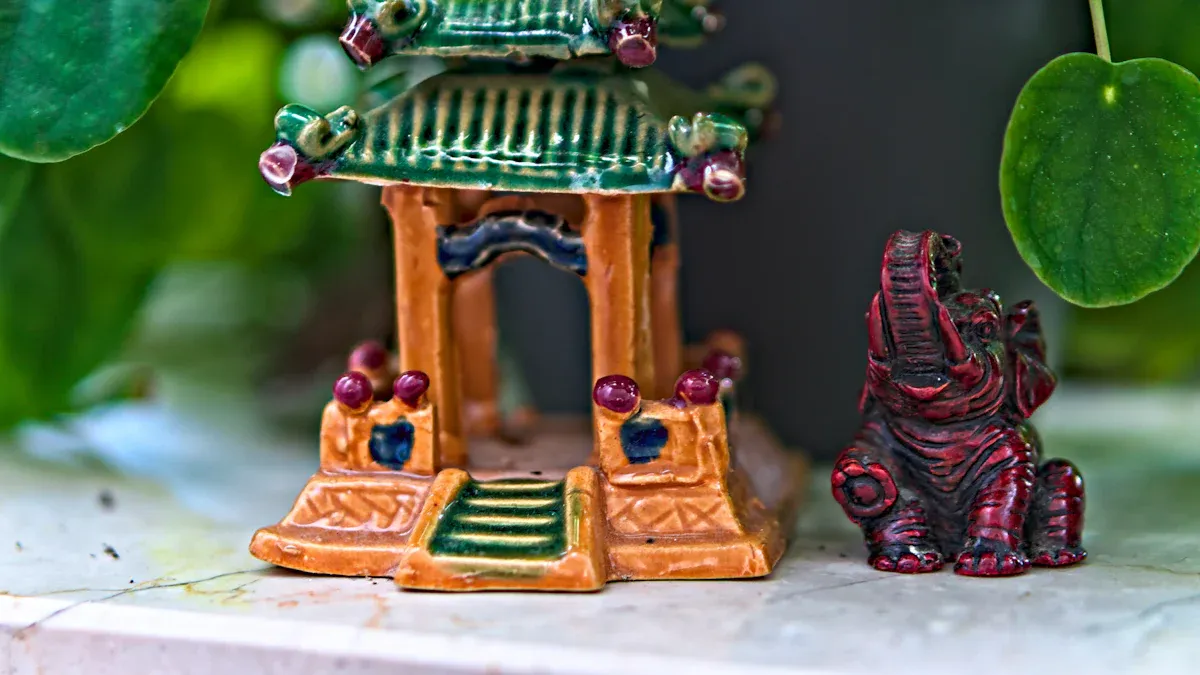
The first thing the elephant represents is sheer steadiness. It is one of the largest and most powerful land animals, and that physical strength translates, in symbolic terms, into the idea of a household that can weather difficulty. In Chinese tradition the elephant is associated with guarding wealth and turning away harm, and with attracting the helpful people who support a stable life. That is why a figure placed in a home or office is meant to make the space feel secure and grounded.
Wisdom and Knowledge
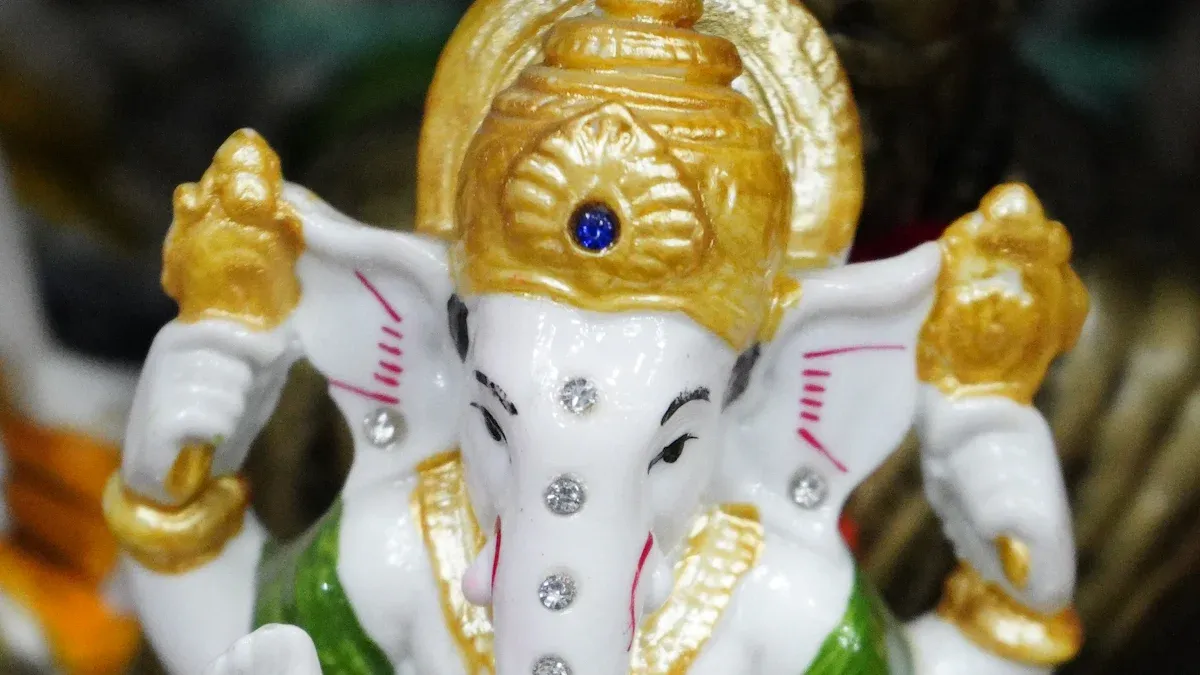
The elephant is just as strongly tied to wisdom. Across South and Southeast Asian story traditions it appears as a thoughtful, perceptive animal, and in Hinduism the elephant-headed god Ganesha presides over wisdom and the removing of obstacles, his large ears a reminder to listen carefully. Buddhism treats the white elephant as a sign of purity and a calm, disciplined mind. In Taoist and Buddhist imagery the "Precious Elephant" represents mental strength and steadiness on the path toward insight, the result of patience and sustained effort rather than a quick win.
Good Luck and Protection
The third association is fortune and protection, and here the details matter. An elephant with its trunk raised is read as a magnet for luck, wealth, and joy. A lowered trunk is read as gathering and storing energy, linked to wisdom and longevity. Two elephants with their trunks entwined suggest friendship and peace. Positioned at the front door facing outward, an elephant is believed to shield the home from negative energy. The table below summarizes how trunk position shifts the meaning.
Form |
Symbolism |
Typical placement |
|---|---|---|
Trunk up |
Luck, abundance, success |
Entrances and living rooms |
Trunk down |
Grounding, protection, longevity |
Studies and secure corners |
White elephant |
Wealth and purity |
Wealth corner (southeast) |
Paired elephants |
Love, loyalty, family unity |
Bedrooms and family rooms |
The reverence runs well beyond China. African traditions tie the elephant to wisdom and leadership, while in Thailand and Cambodia it signifies royalty and protection. The shared thread is respect for an animal read as both powerful and benevolent.
Why Elephants Read as Lucky
Fortune and Abundance
The luck association is old and layered. In Hindu tradition the goddess of prosperity, Lakshmi, is often shown flanked by elephants, tying the animal directly to wealth and success. Elephants paired with rain clouds in classical art signaled the coming of a good harvest, another link to abundance. The god Indra rides the white elephant Airavata, an image of divine power and good fortune, and the elephant's tusk became a shorthand for strength and shrewd adaptability. Set near a front door, a figure is meant to welcome that fortune inward while keeping harmful energy out.
Family Unity
Elephants are famously loyal and protective of their herds, and that real-world behavior feeds the symbolism. The animal is read as a sign of close, supportive family bonds, which is why pairs are favored in bedrooms and family rooms. In Chinese culture the elephant also carries connotations of long life, rounding out a picture of a household that is prosperous, healthy, and close-knit. For a fuller treatment of how wealth corners work, see our guide to the feng shui money corner.
How to Place an Elephant in Feng Shui
At Home
Placement is where symbolism becomes practice. A few well-tested arrangements:
Set an elephant near the front door, facing inward, to invite supportive energy into the home.
Use a pair in the bedroom or a family room to encourage loyalty and closeness.
Place a figure in the southeast wealth corner to support abundance.
Keep the area around it tidy, since clutter blocks the flow of energy the symbol is meant to attract.
Match the size of the figure to the room rather than overpowering it, and use the Bagua map to locate the right zone. The material matters too, since stone, brass, and wood each carry a different one of the five elements.
In an Office
In a workspace the elephant leans toward its wisdom and leadership meanings. Placed in the north or northeast, it is associated with focus and career growth. A single figure on a desk supports concentration, while elephants in a study are linked to discipline and steady learning, which is why they are a common choice for children's rooms. The point in every case is the same: the figure works as a daily cue to bring patient, deliberate attention to the work in front of you. (You can explore carved pieces in our home decor collection.)
Featured for This Reading


FAQ
What does an elephant symbolize in feng shui?
The elephant stands for strength, wisdom, protection, and good fortune. It is believed to guard a home, steady its energy, and support close family bonds when placed with intention.
Where should you place an elephant for luck?
A common choice is near the front door, facing inward, to welcome supportive energy. The living room and the southeast wealth corner are also favored for fortune and a calm, settled feeling.
What does an elephant with its trunk up mean?
A raised trunk is associated with luck, success, and joy. It is read as actively drawing positive energy into a space, which is why trunk-up figures are popular near entrances.
What do two elephants together mean?
A pair signifies love, loyalty, and family unity. Placed in a bedroom or family room, two elephants are believed to strengthen the bond between partners and within a household.
Which elephant figure is considered most auspicious?
The white elephant carries the strongest association with purity and wealth, and trunk-up figures are favored for luck. Material and placement matter as much as the form you choose.