
The 5 Elements of Feng Shui: Meanings and How to Use Them
Emily Davis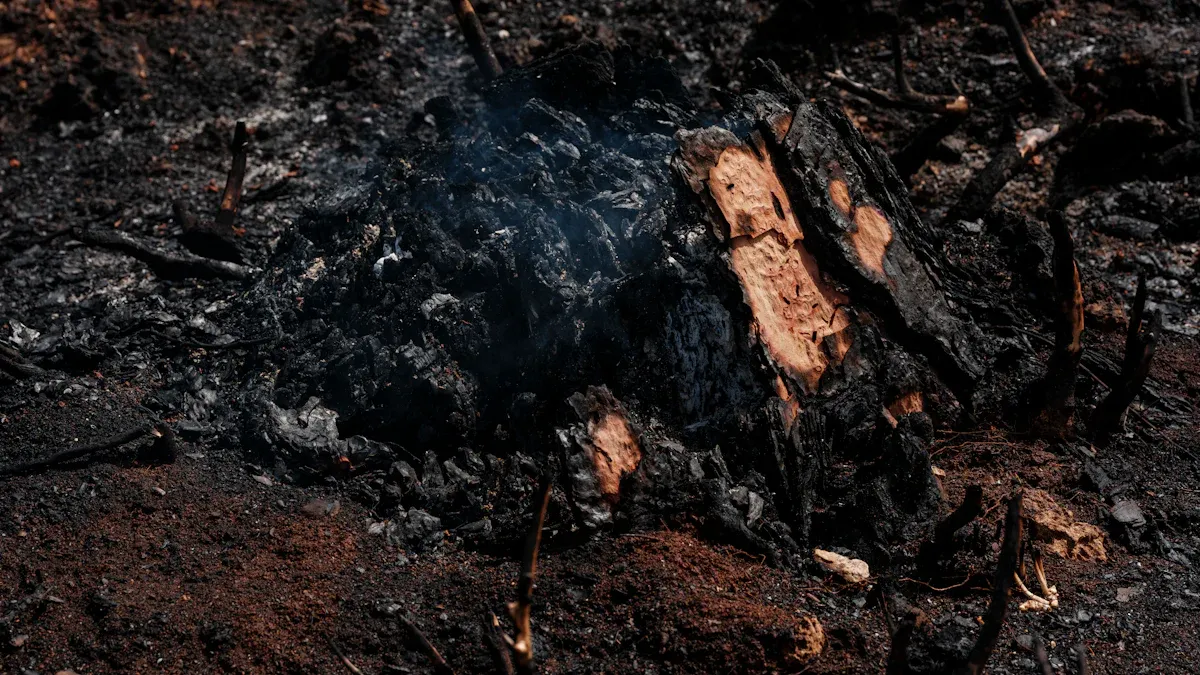
The five elements of feng shui are wood, fire, earth, metal, and water. In Chinese thought they are not five substances but five kinds of energy, five phases that everything cycles through. Feng shui uses them to read a space and rebalance it, so a room feels supportive rather than draining. This guide explains what each element means, how the two classic cycles connect them, and how to bring any missing element into your home.
Key Takeaways
Each element carries a distinct quality. Wood is growth, fire is activity, earth is stability, metal is clarity, and water is flow.
The elements relate through two cycles. The generating cycle has each element feed the next; the controlling cycle has each one check another so none dominates.
You add an element through color, shape, and material. Plants for wood, candles for fire, ceramics for earth, metal objects for metal, and dark or reflective surfaces for water.
Balance is the goal, not maximum energy. Too much of any element creates its own problems, which is why the controlling cycle matters.
Small, deliberate changes work best. Adjust one element at a time and notice how the room feels before adding more.
The Five Elements at a Glance
Wood
Wood is the energy of growth and new beginnings. It governs the east and southeast of a home, the areas tied to family, health, and prosperity, and it carries the upward, expanding feeling of spring. You bring wood in through living plants, tall vertical forms, and the colors green and teal. When wood is balanced you feel creative and motivated. Too much of it can leave you rigid or irritable, while too little leaves you stuck. A few healthy plants in the east corner are usually enough to restore it.
Fire
Fire is the most active element. It rules the south, the area of reputation and recognition, and it stands for energy, passion, and visibility. Candles, lamps, triangular shapes, and the colors red and orange all carry fire. Balanced fire brings warmth and drive; excess fire shows up as restlessness or conflict, and too little as flatness and low motivation. The table below summarizes its character.
Aspect |
Description |
|---|---|
Core qualities |
Energy, passion, visibility, drive |
Colors |
Red, orange, bright yellow, gold |
Shapes |
Triangles and pointed forms |
Too much |
Restlessness, anger, conflict |
Too little |
Low motivation, coldness |
Earth
Earth is the element of stability and care. It sits at the center of a home and also governs the northeast and southwest, the areas of knowledge and relationships. Square shapes, ceramics, stone, and the colors beige, brown, and soft yellow all carry earth energy. When earth is strong a space feels grounded and safe, which makes it easier to handle stress and change. If you tend to feel anxious or scattered, adding earth is often the simplest correction. Earth is the base that supports the other four elements.
Metal
Metal is the element of clarity and precision. It rules the west and northwest, tied to creativity and helpful people, and it supports focus, order, and clear decisions. Round shapes, metal objects, and the colors white, gray, and silver bring it in. Balanced metal sharpens thinking and communication; too much can feel cold or austere, and too little leaves a space disorganized. A round mirror or a metal-framed piece is an easy way to add it.
Water
Water is the element of flow and renewal. It governs the north, the area of career and life path, and it stands for movement, intuition, and adaptability. Mirrors, glass, fountains, and the colors black and deep blue all carry water. Balanced water keeps communication and ideas moving; too much can feel chaotic, and too little leaves you dry and stuck. Water also feeds wood, which is why a small water feature near the east supports growth. For more on the energy these elements channel, see our guide to Qi (气) in Taoism.
Tip: Walk through a room and ask which quality feels missing. If it feels cold and static, you may need fire or wood. If it feels frantic, earth or metal will settle it.
The Two Cycles: How the Elements Interact
The five elements gain their meaning from how they relate to one another, a theory the Chinese called wuxing and used to explain change in nature, medicine, and the state. Two cycles do most of the work. For a deeper treatment of the philosophy behind them, read our overview of the core Taoist symbols.
The Generating Cycle
In the generating cycle each element nourishes the next, like seasons turning into one another.
Wood feeds fire.
Fire creates ash, which becomes earth.
Earth yields metal.
Metal collects water.
Water nourishes wood.
You use this cycle to strengthen a weak area. To support growth in the east, for example, add a touch of water nearby, because water feeds wood. To lift the energy of the south, add wood, because wood feeds fire.
The Controlling Cycle
In the controlling cycle each element keeps another in check, so no single force runs away.
Water puts out fire.
Fire melts metal.
Metal cuts wood.
Wood breaks up earth.
Earth absorbs water.
This cycle is how you calm an overactive space. If a room feels too fiery and tense, water cools it. If water energy feels overwhelming, earth absorbs it. Skilled practitioners use the two cycles together, adding one element to feed and another to restrain.
Bringing the Elements Into a Room
Colors and Shapes
The fastest way to add an element is through color and shape, since both register before you consciously notice them. The table below pairs each element with its signature cues.
Element |
Colors |
Shapes |
|---|---|---|
Wood |
Green, teal |
Tall columns, stripes |
Fire |
Red, orange |
Triangles, points |
Earth |
Yellow, brown |
Squares, rectangles |
Metal |
White, gray, metallic |
Circles, spheres |
Water |
Black, deep blue |
Wavy, curved lines |
Practical Placement
Once you know the cues, placement is a matter of matching the element to the room's purpose. A few reliable moves:
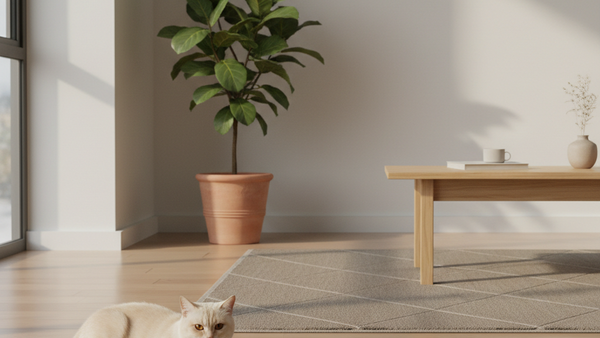
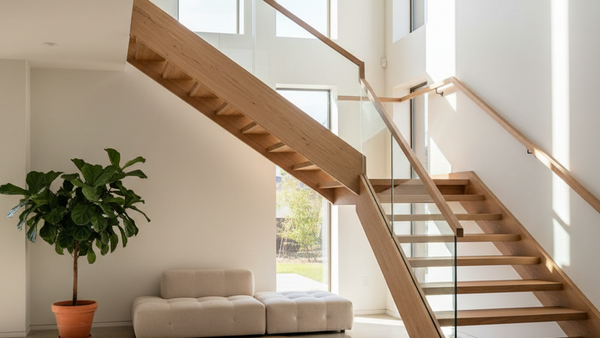
Add green plants to a living room to lift wood energy and a sense of vitality.
Use deep blues and wavy patterns in a bedroom for calming water energy and better sleep.
Bring square ceramics or stone into spaces that feel unsettled, to add grounding earth.
Hang a round mirror or use metal frames where you need focus and clear thinking.
Keep a clear, uncluttered desk so energy can move and attention can settle.
Avoid leaning on a single color everywhere, which overloads one element, and keep water features out of bedrooms, where they tend to feel restless. Your dominant personal element matters too; our guide to five element personality theory helps you find yours and decide which element to emphasize. (You can also explore pieces tied to each phase in our Five Elements Collection.)
Featured for This Reading


FAQ
What are the five elements in feng shui?
The five elements are wood, fire, earth, metal, and water. They represent five kinds of energy, and feng shui uses them to balance a space through color, shape, and material.
Can you use all five elements in one room?
Yes, and a balanced room usually contains some of each. The aim is proportion, not equal amounts, so lead with the element a room needs and add small touches of the others.
How do you know if an element is missing?
A room that feels cold or static may lack fire or wood, while a space that feels frantic may need earth or metal. Notice the missing color, shape, or material and add it gradually.
Does feng shui connect to Taoism?
Yes. Feng shui grew out of Taoist ideas about living in harmony with nature and the flow of Qi. The five elements appear across Taoist philosophy, medicine, and divination.
Can you balance the elements in a small apartment?
Yes. Colors, small plants, mirrors, and a single water-free reflective surface can introduce every element. In a small space, restraint usually works better than large objects.