
3 Taoist Breathing Techniques to Stop Distracting Thoughts

Abdominal (Dan Tian) Breathing, Embryonic Breathing, and Three Part Taoist Breathing help people stop distracting thoughts. Taoist Breathing Techniques make the mind calm and help you focus better. Many adults have wandering minds and unwanted thoughts. These thoughts can mess up daily life and happiness. Studies show that how you breathe can change your attention. Breathing can also help your brain work better. Most people say that always being interrupted hurts their work and peace.
Key Takeaways
Taoist breathing techniques help you relax and quiet your mind. They can also make distracting thoughts go away.
Try Abdominal (Dan Tian) Breathing to help you focus better. It can also make you feel less stressed.
Embryonic Breathing lets you feel your body's energy more. It also helps you pay better attention to the present moment.
Three Part Taoist Breathing uses both movement and breath together. This can help your body feel less tight and make your mind clearer.
If you do these techniques often, you may sleep better. You might also feel happier and calmer.
Why Distracting Thoughts Disrupt Focus
The Mind’s Chatter
Our minds make lots of thoughts all the time. These thoughts can pull us away from what we are doing. It gets hard to pay attention. Scientists say that when our minds wander, it can mess up how our brains work. This is a bigger problem when we need to think hard.
Evidence Description |
Key Findings |
|---|---|
Internal distractions are inversely correlated with executive processes. |
Mind-wandering increases with well-practiced tasks but negatively impacts tasks requiring cognitive control. |
Interference from internal distractions can derail attention-demanding tasks. |
Both internal and external distractions affect performance, with internal distractions being particularly disruptive. |
Suppression of internal distractions predicts better performance on tasks. |
Participants who managed to reduce internal distractions performed better, especially in distracting conditions. |
Internal distractions are linked to increased activity in the default mode network. |
Both younger and older adults showed shifts in distraction types based on environmental conditions. |
Some experts think that rumination happens when people feel bad. They keep thinking about their feelings instead of fixing the problem. Too many thoughts can make people stressed and worried. Studies say that mind chatter makes it harder to focus and can make anxiety worse. People who use lots of media at once often have more negative thoughts and trouble paying attention.
Cognitive control is very important for stopping unwanted thoughts in some disorders. Trying to stop these thoughts can make them come back and cause stress.
Feeling upset during mind chatter can make people act out.
Mind chatter can make stress last longer and feel worse.
Breathing and Calm
Breathing helps calm the mind and stop distracting thoughts. When you focus on your breath, your body starts to relax. Doctors found that slow, deep breaths can lower your heart rate and blood pressure. Breathing slowly makes your body feel better and happier.
Controlled breathing can help your body rest by working with the vagus nerve.
These breathing exercises can lower stress hormones in your body.
One study in 2018 showed that breathing practice can make your body handle stress better after six weeks.
Good breathing also helps your body stay healthy and strong. When people use Taoist breathing, they often feel less mind chatter and more peace. Their bodies have less stress and they can focus better. Breathing is an easy way to feel calm and clear again.
(To learn more about breathing, see Taoist breathwork for health, vitality, and energy alignment.)
Taoist Breathing Techniques for a Clear Mind
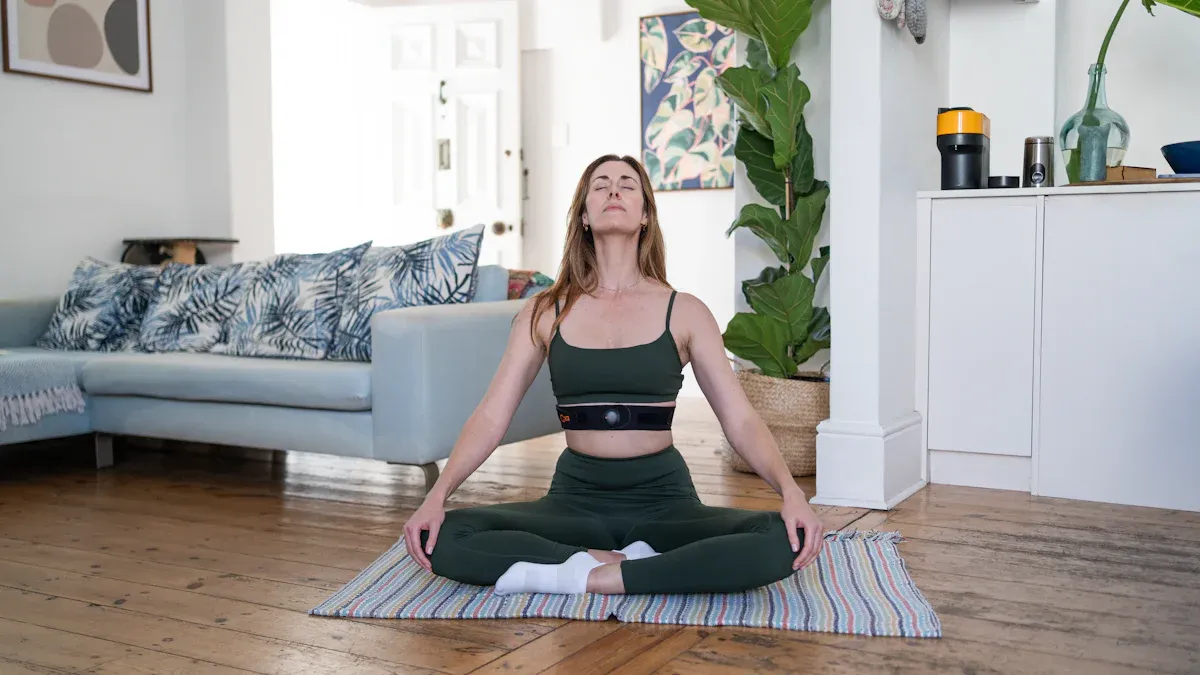
Taoist breathing techniques give easy ways to clear your mind. They help you focus better. Abdominal (Dan Tian) Breathing, Embryonic Breathing, and Three Part Taoist Breathing are important in Taoism. Manifest teaches these methods too. These techniques help people calm their thoughts. They also help you think clearly. Old Taoist books say breath control is key for a peaceful mind.
The Tao Te Ching talks about breath control and meditation. It says: "Focus your vital breath until it is supremely soft... This is called 'mysterious integrity.'" The Neiye also describes breath-control meditation. It says: "You must coil, you must contract, You must uncoil, you must expand..." These words show the main ideas of Taoist breathing.
Abdominal (Dan Tian) Breathing: How To
Abdominal (Dan Tian) Breathing is the base for many Taoist breathing techniques. This practice uses the lower abdomen, called the Dan Tian. The Dan Tian is an energy center in Taoist beliefs. People use this technique to calm their minds. It also helps them focus. Here are the steps for Abdominal Breathing:
Sit up straight and relax your body.
Check each part of your body and let go of tension.
Notice if you breathe from your chest or belly.
Try to breathe with your diaphragm and belly muscles. Keep your chest loose.
Move the Huiyin cavity up and down while you breathe into the lower Dan Tian.
This technique works with the Ming Men acupoints. It helps Qi move better in your body. The diaphragm and belly muscles massage your organs. This improves blood flow. Abdominal Breathing changes Essence into Qi. It raises Water Qi and helps control Fire Qi. These changes calm your mind and help your spirit stay steady.
Dantian are energy centers like chakras in yoga. They hold three treasures: jing, Qi, and shen. Building these energies helps you feel better and stay healthy.
Practice Tips for Beginners
Beginners can use simple tips to add Taoist breathing to daily life. Doing it often helps your mind stay calm and focused. These tips help you practice well:
Start slow to notice your breath.
Focus on the Dantien below your belly button as your breathing center.
Practice every morning to get better at breathing and stay healthy.
Use both the Upper and Lower Diaphragms for deeper breaths and more oxygen.
Breath exercises can help with problems like PTSD, anxiety, and burnout. Slow breathing helps your heart and lowers stress. Studies show less anxiety and better mood after regular breath practice.
Calming Effects on Thoughts
Taoist breathing techniques help calm your thoughts. They make your mind clear. Studies show Abdominal (Dan Tian) Breathing helps people relax and pay attention. People who did Shaolin Dan Tian Breathing had more alpha asymmetry and theta coherence. These signs mean they were relaxed. Their breathing slowed down during both Passive and Active Dan Tian Breathing. This shows the body calmed down.
Meditative breathing changes brain activity for relaxation and focus.
People in studies felt clearer and happier after Dan Tian Breathing.
The prefrontal asymmetry index went up after breathing practice. This shows breathing helps mental clarity.
Taoist breathing helps people calm their minds. It cuts down on distracting thoughts and helps you focus. Doing these techniques often gives lasting benefits for your mind and body.
Embryonic Breathing in Taoist Meditation
How To Practice
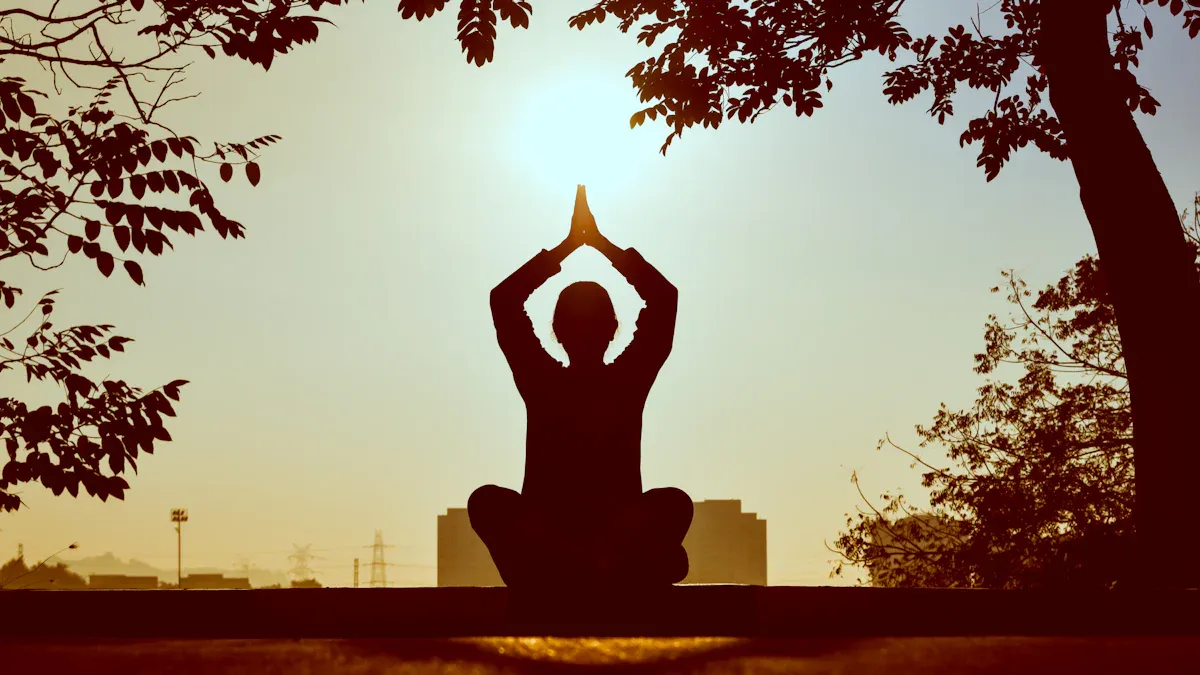
Embryonic Breathing is also called Tai Hsi. It is an important Taoist meditation method. This technique tries to copy how a baby breathes before birth. You sit up straight and relax your shoulders. Put your hands on your lap and close your eyes. Focus on your lower belly, just below your belly button. Breathe softly and slowly. Your chest does not move, but your belly goes in and out. Many people start with five to ten minutes each day. They add more time as they get used to it. In Taoist meditation, the breath can get so gentle that it almost stops for a second. This means you are deeply connected to your body's energy. The Ren and Du meridians make a loop, like when you were in the womb.
Embryonic Breathing lets you take in life-force energy from the universe. It is like how a baby gets energy through the umbilical cord.
Tips for Focus
Taoist meditation has ways to help you focus during Embryonic Breathing. Doing it often helps your mind become calm. Relaxing your body helps Qi move well. Sit with your lips gently closed and put your tongue on the roof of your mouth. Look at the bridge of your nose and move your eyes to balance yin and yang Qi. Keep your mind on the Qi cavity and change your breath if you need to. The original Qi spreads out to your arms and legs. When your heart and kidneys work together, you can change outside breathing to inside breathing. Good guidance and clear goals make this practice work better.
Doing it often makes your mind clear.
Relaxing helps energy move easily.
Focusing on your breath and Qi cavity stops distracting thoughts.
Mind-Soothing Benefits
Old Taoist books and new studies show Embryonic Breathing calms the mind. This practice turns on the parasympathetic nervous system. It helps you control your feelings and mood. Breathing with your belly helps you relax and handle stress. Studies say longer out-breaths make you feel better and more relaxed. Mindful breathing every day lowers sadness, worry, and stress. Embryonic Breathing helps you pay attention and have fewer bad thoughts. Compared to other meditation, Taoist mindful breathing helps you step back from repeating thoughts and improves mindfulness more. This practice helps you live longer and keeps your mind still. It is good for both your spirit and Qi.
Three Part Taoist Breathing with Taoism and Manifest
Step-by-Step Guide
Three Part Taoist Breathing is a deep method that helps people clear their thoughts and calm their bodies. Taoism and Manifest teaches this technique as a way to connect breath, movement, and mind. Here is what happens in each step:
Start in child’s pose. Place hands at your sides. Exhale a deep breath and let your shoulders drop.
Inhale and let your arms float up. Look up as you breathe in, feeling a deep stretch.
Exhale and bring your hands behind your head. Push your hands out to the sides in a deep, strong motion. This releases deep tension.
Inhale again. Bring your fingertips to your shoulders and lift your heart. Fill your lungs with a deep breath.
Exhale and push your hands forward. Round your back, drop your chin, and empty your lungs with a deep breath.
This deep practice uses breath and movement together. Each deep motion helps the body release tension and prepares the mind for stillness.
(To explore more about breathing tips, check out Quick Taoist Breathing Tips for Stressful Moments.)
Practice Advice
Taoist teachers say that deep practice is important for mastering this technique. They suggest these tips:
Practice every day to build skill and comfort.
Pay attention to each deep breath and movement.
Focus on one part of the body at a time before putting all the deep steps together.
Check your progress and keep your practice honest.
Review the deep steps often to understand them better.
Taoism and Manifest offers guidance and resources for those who want to learn this deep practice with care and tradition.
How It Stops Distracting Thoughts
Three Part Taoist Breathing helps stop distracting thoughts by connecting the body and mind through deep breath and movement. This deep practice slows the breath, which calms the mind. The deep movements smooth out tension and emotional blocks. When people focus on each deep breath and step, their thoughts become quiet. The deep connection with Qi helps the mind stay clear and peaceful. Many find that this deep practice leads to fewer distracting thoughts and a sense of deep inner calm.
Taoist breathing techniques make it easier to clear your mind. They help you stop distracting thoughts and focus better. If you practice often, you will feel very relaxed. This also helps your mind stay healthy. Studies say these techniques can lower stress. They can help you sleep better and feel happier.
Benefit |
Description |
|---|---|
Stress and Anxiety |
Practice lowers stress and anxiety levels. |
Sleep Quality |
Practice improves sleep and reduces insomnia risk. |
Emotional Well-being |
Practice helps with PTSD and mild depression. |
You can try each technique to see which one you like. Doing these every day helps you feel more peaceful and aware. Taoism and Manifest can teach you more if you want to live in harmony.
Pieces That Carry This Intention
Beads meant to be handled while you practice, not just worn.


FAQ
What is Taoist deep breathing and how does it help the mind?
Taoist deep breathing means taking slow, steady breaths. This helps your mind feel calm and quiet. People use this to clear their thoughts and feel peaceful. Deep breathing is good for meditation and lowers stress. It also helps your body stay healthy by balancing energy.
What makes Taoist meditation different from other mind-body techniques?
Taoist meditation is special because it helps you clear your mind. It also helps you connect with your energy. This practice uses deep breathing and sitting still to relax your mind. Taoist techniques show people how to balance health and energy.
What are the benefits of Taoist mind-body routine for health?
A Taoist mind-body routine helps you feel better by calming your mind. It also lowers stress. Deep breathing and meditation help you clear your thoughts and feel more energy. Doing this often helps your mind stay peaceful and healthy. You will have fewer bad thoughts.
What is the role of energy in Taoist meditation and mind-body practice?
Energy is very important in Taoist meditation. Slow, deep breaths move energy through your body and mind. Taoist practice uses meditation to clear your mind and build energy. This helps you feel healthy and peaceful.
What should beginners know before starting Taoist deep breathing?
Beginners should start with slow, deep breaths. Try to clear your mind. Taoist meditation teaches you to relax your mind and body. Start with short times, notice your energy, and use these techniques for better health and less stress.
See Also
Taoist breathwork for health, vitality, and energy alignment