

12 Best Feng Shui Plants to Boost Energy in Your Home and Office

Are you ready to add good energy to your home or office? You can feel happier and make the space calm with the best feng shui plants. These lucky indoor plants bring comfort, good luck, and balance. Studies show that rooms with feng shui plants help lower stress and make people feel better. Indoor plants also help you feel more positive and think more clearly. If you want your space to feel friendly and full of life, feng shui plants are a great choice.
Key Takeaways
Feng shui plants help bring new energy. They make your home or office feel balanced. These plants can also bring good luck. They clean the air and help lower stress.
Pick plants like lucky bamboo, money tree, jade plant, and peace lily. These plants can help bring wealth and harmony. They also bring good feelings to certain places.
Put plants in smart spots. Place them near doors to bring in more good things. Put them in the southeast corner for wealth. Place them on desks to help you focus and feel calm.
Take care of your plants to keep them healthy. Give them enough light and water. Cut off dead leaves. Do not put too many plants together. This helps keep good energy moving.
Do not put spiky plants near beds or in partnership spots. Do not give your plants too much water or forget about them. This helps your space stay calm and balanced.
Why Feng Shui Plants Matter
Energy and Harmony
You may wonder why feng shui plants are important. In feng shui, plants stand for the wood element. This element means growth and new life. (For a deeper understanding of how different elements interact and influence energy flow, consider the insights offered in What Are the Five Elements in Feng Shui and What Do They Mean. This will enrich your knowledge on creating a balanced home environment.) When you put plants in your home or office, you bring in fresh energy. Plants help balance the five elements in your space. Feng shui uses these elements to keep Qi moving well. Good energy flow helps you feel calm and healthy. It also helps you have better relationships.
Feng shui woods are old forests in Asia. People respect these forests for their balance and good energy. These woods show us that plants are more than just pretty things. Plants connect us to nature and help keep harmony. When you add lucky plants to your space, you follow a tradition. This tradition honors nature and brings in good energy.
Tip: Put lucky indoor plants where you like to spend time. This can make your space feel fresh and full of life.
Benefits for Home and Office
Feng shui plants do more than look nice. They help bring in good energy and make you feel better. Here are some ways these plants help at home and work:
Feng shui says plants help energy move better. This makes your space feel balanced and happy.
Studies show that rooms with plants help people feel calm and less stressed.
Some feng shui plants, like peace lilies and rubber plants, clean the air. They also help lower toxins and support your health.
Lucky plants, like money plants and palms, bring in good energy. They can also bring luck and wealth.
Plant Name |
Documented Benefits in Home/Office Settings |
Symbolism and Feng Shui Role |
|---|---|---|
Peace Lily |
Makes air cleaner; lowers stress; helps balance |
Stands for peace, balance, and feeling good |
Rubber Plant |
Cleans air; helps health; brings good energy |
Stands for wealth and happiness |
Palm Trees |
Brings in good energy; lifts the mood |
Stands for strength and stability |
Money Plant |
Brings wealth; helps good energy flow |
Stands for wealth and plenty |
Picking the right feng shui plant makes your space feel warm and healthy. These plants help you feel happier at home or work. They help you live a more balanced and positive life.
Best Feng Shui Plants List
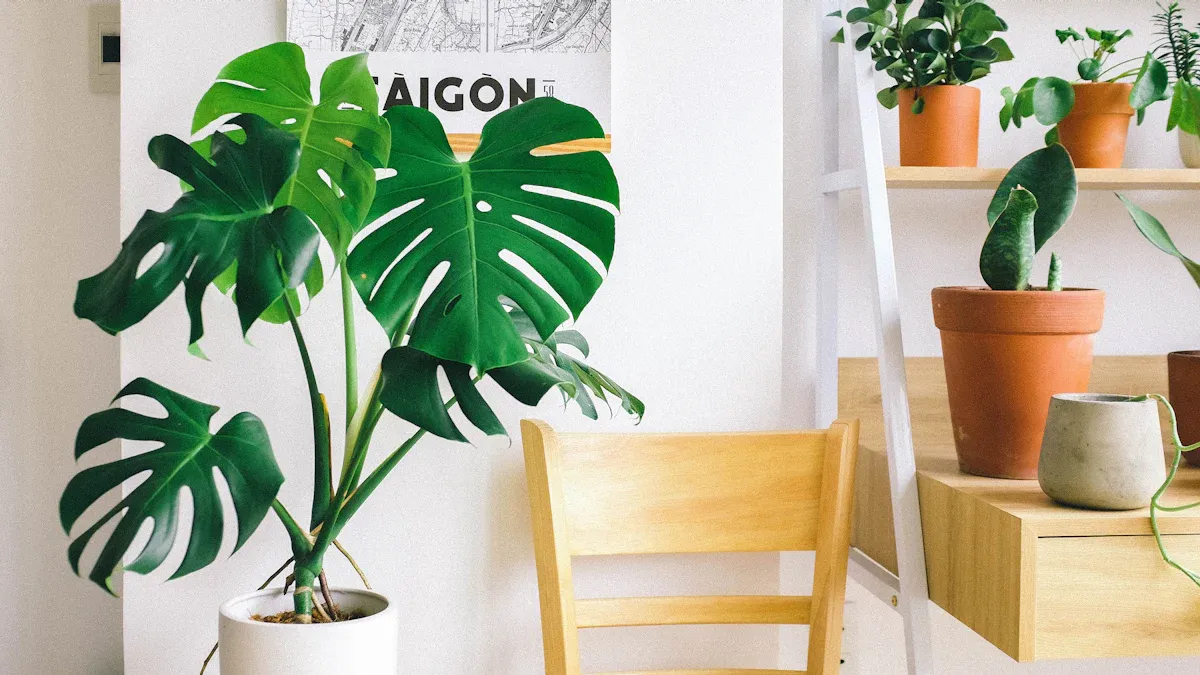
When you want to boost energy and luck in your home or office, picking the right feng shui plant makes a big difference. Here are the best feng shui plants that experts recommend for positive energy, wealth, and harmony. You can use these lucky indoor plants to create a space that feels fresh, balanced, and full of life.
Lucky Bamboo
Lucky bamboo is one of the most popular feng shui indoor plants. You see it everywhere because it brings good luck, prosperity, and positive energy. People love lucky bamboo because it is easy to care for. You can grow it in water or soil, and it does not need much light. This makes it perfect for busy people or anyone new to indoor plants.
Lucky bamboo has hollow stems. These help Qi move smoothly through your space.
You can place lucky bamboo in the wealth corner of your home to attract money.
Put it in the relationship corner to help love and harmony grow.
The number of bamboo stalks has special meanings. Two stalks mean love, five mean wealth, and more stalks bring even more luck.
Tip: Lucky bamboo is a great choice for bathrooms, offices, or any spot with low light. It is one of the best lucky plants for indoor spaces and a top pick for lucky office desk plants. (To learn more about why lucky bamboo is considered so auspicious in feng shui practices, read The Symbolism and Meaning of Lucky Bamboo in Feng Shui. This article delves into the deeper meanings behind this popular plant.)
Money Tree
The money tree is a favorite feng shui plant for wealth and success. You often see it on office desks or in living rooms. People believe the money tree brings financial luck and helps you reach your goals. Its braided trunk and bright green leaves make it a beautiful addition to any room.
Place your money tree in the southeast corner of your home or office. This is the wealth area in feng shui.
Many people share stories about getting raises, refunds, or gifts after adding a money tree to their space.
The money tree likes bright, filtered light and a little humidity. Water it once a week.
If you want plants for wealth or good luck plants, the money tree is a must-have.
Jade Plant
Jade plants are famous for their round, coin-shaped leaves. In feng shui, these leaves stand for money and good fortune. Many people call the jade plant the "money plant" because it attracts wealth and success.
Place your jade plant near the entrance, on your desk, or in the southeast corner to boost prosperity.
People often give jade plants as gifts for business openings or to wish friends good luck.
Jade plants are easy to care for. They need bright, indirect light and only a little water.
Jade plants are lucky plants for homes and a classic choice for anyone who wants more abundance.
Snake Plant
The snake plant is one of the best feng shui plants for protection and health. Its tall, upright leaves look like swords. These leaves help cut through negative energy and bring strength to your space.
Snake plants clean the air by removing toxins like formaldehyde and benzene.
They make oxygen at night, so they are great for bedrooms.
Place your snake plant near the front door or in your office to guard against bad energy.
Snake plants are easy to care for and perfect for beginners. They are also one of the top positive energy plants.
Peace Lily
Peace lilies are beautiful and calming. They stand for peace, hope, and balance. Many people use peace lilies to create a relaxing space at home or work.
Peace lilies clean the air and remove toxins.
They add moisture to the air, which helps with allergies.
Place your peace lily in a spot with low to medium light. Keep the soil moist but not soggy.
Peace lilies are lucky indoor plants that help you feel calm and healthy.
Areca Palm
Areca palms bring a tropical feel and lots of positive energy. In feng shui, they stand for peace, abundance, and good luck.
Areca palms clean the air and boost humidity.
Their soft, arching fronds help Qi flow smoothly.
Place your areca palm near doors or open spaces to invite good energy.
Areca palms are lucky plants for indoor spaces and make any room feel fresh and lively.
Rubber Plant
The rubber plant is a symbol of wealth, growth, and ambition. Its round, glossy leaves look rich and full of life.
Place your rubber plant in the southeast corner to attract money and success.
Rubber plants clean the air and help balance energy.
They are easy to care for and do well in bright, indirect light.
Rubber plants are good luck plants that inspire you to reach your goals.
Boston Fern
Boston ferns are known for their feathery, green fronds. They bring renewal and vitality to any space.
Boston ferns add moisture to the air, which is good for your skin and breathing.
Place them in filtered light and keep the soil moist.
Many people put Boston ferns near the front door to attract luck and prosperity.
Boston ferns are lucky plants that refresh your home or office.
Orchid
Orchids are elegant and full of meaning. In feng shui, they stand for love, beauty, and new beginnings.
Place pink or purple orchids in the bedroom to attract love and improve relationships.
Orchids also bring creativity and happiness.
They need bright, indirect light and regular watering.
Orchids are lucky indoor plants that make your space feel special.
Pothos
Pothos is a favorite feng shui plant for beginners. It is easy to grow and very forgiving.
Pothos brings growth, renewal, and wealth.
Place it in the southeast corner for money or the southwest for love.
It cleans the air and adds a touch of green to any room.
Pothos is one of the best lucky plants for homes and offices.
Aloe Vera
Aloe vera is a healing and protective feng shui indoor plant. Its sharp leaves act as a barrier against bad energy.
Place aloe vera in the east or north part of your home to attract good Qi.
Aloe vera cleans the air and helps with cuts or burns.
It needs bright light and little water.
Aloe vera is a lucky plant that brings health and safety to your space.
Philodendron
Philodendrons have heart-shaped leaves that stand for love, harmony, and balance.
Place philodendrons in bedrooms or living rooms to boost positive energy and relationships.
They are easy to care for and help clean the air.
Philodendrons grow well in bright, indirect light.
Philodendrons are lucky plants for indoor spaces and help create a warm, welcoming home.
Note: When you choose the best feng shui plants, think about your space and what kind of energy you want. Healthy, happy plants bring the most luck and positive energy. (To explore a broader range of options that can enhance the energy of your home, check out Top Feng Shui Plants to Transform Your Home. This guide will help you choose plants that align perfectly with your living space needs.)
Feng Shui Plant Placement Tips
Home Placement
You want your home to feel welcoming and full of positive energy. Start by placing healthy, thriving plants near your front door or entryway. This spot attracts abundance and sets a friendly tone for anyone who enters. Lucky bamboo, peace lily, and snake plant work well here. In your living room, try putting plants in corners or on windowsills. This softens sharp edges and helps energy flow. The southeast corner is known as the wealth corner, so placing a money tree or jade plant there can boost prosperity.
Keep your plants spaced out. Overcrowding can block energy and make your home feel cluttered. Choose well-shaped plants with lush leaves. Avoid spiky plants like cacti, which can create tension. Balance the five feng shui elements by mixing wood, earth, metal, fire, and water through your plant choices and decor. Always keep your plants healthy, because struggling plants can disrupt harmony.
Tip: Place aloe vera or peace lily in bedrooms, but keep them on shelves or windowsills. Too many plants near your bed may overstimulate the space.
Office Placement
You spend a lot of time at your office desk, so adding office plants can lift your mood and help you focus. Place plants within three feet of your desk to filter negative energy and boost positive vibes. Lucky bamboo and jade plant are great choices for office desks. They bring uplifting energy and prosperity. Peace lily and pothos also work well, improving air quality and reducing stress.
Put your plants in the southeast corner of your office to support career success. Make sure your plants get enough light and water. Healthy, vibrant plants create a calm atmosphere and help you feel centered. Avoid spiky plants like cacti, which may cause tension in your workspace.
Note: Treat your workspace with care. Plants that thrive will bring positive energy and help you stay productive.
Mistakes to Avoid
Many people make simple mistakes when placing feng shui plants. Here are some things you should watch out for:
Placing money plants or jade plants in the wrong direction, like the northeast, can block positive energy.
Putting plants too close to your bed may cause tension and disrupt sleep.
Overwatering or neglecting sunlight can harm your plants and reduce their positive effects.
Using small pots or dark colors can restrict growth and clash with plant energy.
Allowing dead leaves or clutter to build up around plants blocks energy flow.
Spiky or thorny plants near beds or partnership areas can disturb harmony.
Artificial plants may block energy unless kept very clean.
Keep your plants healthy and place them in the right spots. This helps you enjoy more positive energy and a happier home or office.
Feng Shui Plant Care Guide
Light and Water
You want your feng shui plants to thrive, so giving them the right light and water is key. Each plant has its own needs, but most do best with bright, indirect sunlight. Too much direct sun can burn leaves, while too little light can slow growth. Place your plants near a window with filtered light or in a spot that gets gentle morning sun.
Check out this table to see what some popular feng shui plants need:
Plant Name |
Light Requirement |
Water Requirement |
Effect on Plant Health and Feng Shui Principles |
|---|---|---|---|
Jade Plant |
Bright but indirect sunlight |
Water every 2-3 weeks |
Keeps the plant healthy and attracts prosperity |
Money Tree |
Bright, filtered light |
Water every 1-2 weeks |
Helps the plant grow strong and brings positive energy |
Lucky Bamboo |
Bright but indirect sunlight |
Average indoor humidity |
Supports good Qi and purifies the air |
Snake Plant |
Medium light, low humidity |
Water every 2-3 weeks |
Stays strong and protects your space |
Areca Palm |
Medium indirect light |
Water every 7-10 days |
Improves air quality and brings peace |
Peace Lily |
Bright indirect sunlight |
Weekly watering |
Keeps the air clean and brings harmony |
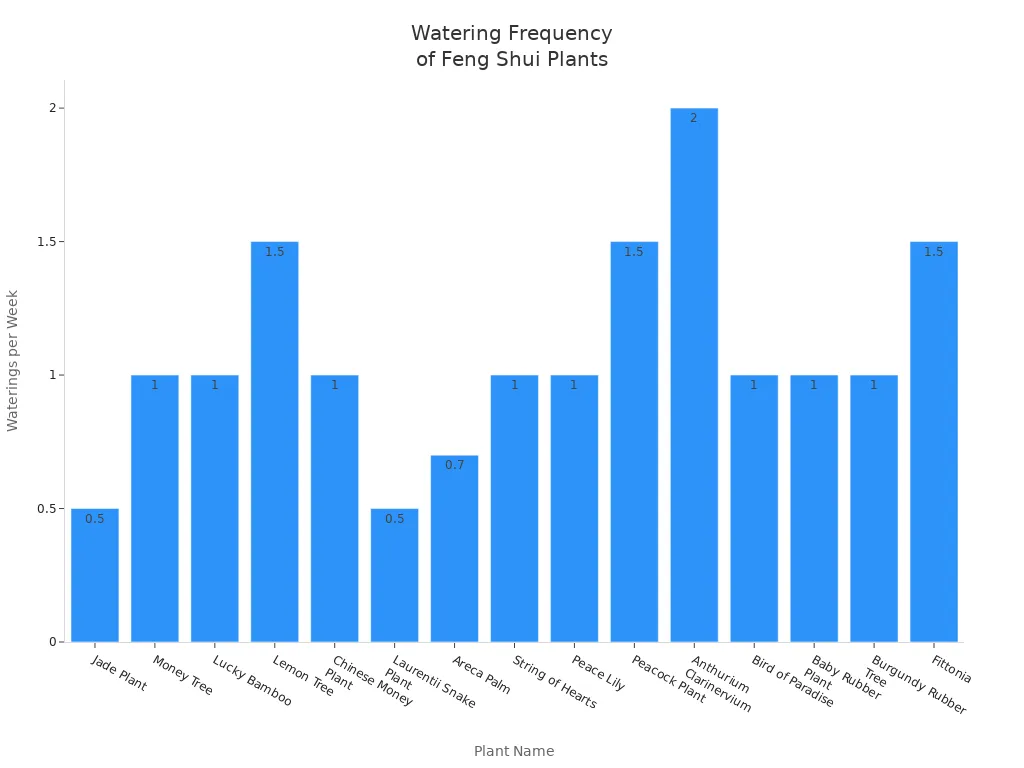
Tip: Always check the soil before watering. If the top inch feels dry, it’s time to water. Overwatering is a common mistake, so let the soil dry out a bit between waterings.
Maintenance Tips
Keeping your plants healthy is simple if you follow a few easy steps. Start by pruning dead or yellow leaves. This helps your plants stay neat and lets Qi flow freely. Wipe the leaves with a damp cloth to remove dust. Clean leaves can breathe better and look brighter.
Here are some quick tips to keep your feng shui plants happy:
Prune regularly to prevent overgrowth and keep energy moving.
Use the right soil for each plant. Well-draining soil stops roots from rotting.
Make sure pots have drainage holes. This prevents water from sitting at the bottom.
Place your plants where they get the right amount of light. Move them if you see drooping or yellow leaves.
Watch for pests like gnats or spider mites. If you spot any, treat them right away.
Note: Healthy plants bring the best energy. If a plant looks sick, try moving it to a better spot or adjusting how much you water it.
Beginners often worry about yellow leaves or slow growth. Don’t stress! Most problems come from too much water or not enough light. Stick to a simple routine, and your plants will reward you with fresh, positive energy.
Adding feng shui plants to your home or office brings more than just beauty. You boost positive energy, improve air quality, and create a space that feels balanced and healthy. Experts say these plants help you feel positive and make better decisions. People like Clara Leung and Meena Jagpal-Paré have transformed their environments and lives with feng shui plants. Choose plants that match your style and needs, follow simple care tips, and watch your energy shift. Why not start today and see how your space changes?
Ready to welcome fresh energy and positivity? Your journey begins with one plant. (If you're also looking to enhance your outdoor areas, read How to Transform Your Outdoor Space with Feng Shui Principles. This article provides valuable tips on how to harmonize your garden or balcony with nature's energy.)


FAQ
What is the best feng shui plant for beginners?
If you want something easy, try pothos or lucky bamboo. Both grow well indoors and need little care. You can place them almost anywhere. They help boost Qi and bring good vibes.
Can I put feng shui plants in my bedroom?
Yes, you can! Choose peace lily or aloe vera for your bedroom. Keep just one or two plants. Too many may make the space feel busy. Place them on a shelf or windowsill for best results.
How often should I water my feng shui plants?
Most feng shui plants like water once a week. Always check the soil first. If the top inch feels dry, it’s time to water. Overwatering can hurt your plant and block positive Qi.
Do artificial plants work for feng shui?
Artificial plants can help if you keep them clean and dust-free. Real plants work better for energy and air quality. If you use fake plants, choose ones that look healthy and bright.
Where should I place my money tree for good luck?
Put your money tree in the southeast corner of your home or office. This spot is known for wealth and abundance. Make sure your plant gets enough light and stays healthy for the best effect.
See Also
Top Feng Shui Plants to Transform Your Home
How to Transform Your Outdoor Space with Feng Shui Principles
What Are the Five Elements in Feng Shui and What Do They Mean