

How Feng Shui Shapes Home Buying Choices in 2025

You see feng shui buying decisions influencing home purchases more in 2025. A new survey reveals that 86% of buyers consider feng shui buying decisions very important. Additionally, 79% are willing to pay more for homes that follow its principles. Buyers want homes that promote feelings of comfort and peace. Feng shui buying decisions impact how people choose layouts, lighting, and flow. In many Asian regions, feng shui buying decisions increase home prices and change how agents assist buyers. By understanding how feng shui buying decisions affect choices and applying its concepts, you gain better insight into what buyers truly want.
Key Takeaways
Most people buying homes in 2025 care about Feng Shui. They will pay extra for homes with good energy flow and balanced rooms.
Good Feng Shui means open spaces that are easy to walk through. There is lots of sunlight and natural things like plants. The front door should feel friendly and let good energy come inside.
Buyers do not want homes with bad Feng Shui features. These include homes at T-junctions, doors lined up front to back, sharp corners, or homes near graveyards and hospitals.
Homes with good Feng Shui sell faster and for more money. Buyers and investors think these homes feel safe, comfortable, and balanced.
When you buy a home, look at its direction and layout. Check how the energy moves in each room. You can ask agents or experts who know Feng Shui to help you find the right home.
Feng Shui Buying Decisions
Buyer Priorities
Feng shui buying decisions change what people want in homes in 2025. Most buyers now think Feng Shui is very important. About 86% say it matters a lot. Around 79% will pay more for homes that follow Feng Shui. When you look for a new home, you want comfort and good energy. Feng Shui says Qi should move easily in the house. People check for clear halls, tidy entryways, and open counters. These things help energy move and make the home feel nice.
Lighting is also very important. Buyers like homes with lots of sunlight and warm lights. A bright living room with big windows feels cozy and helps people feel good. The front door is important too. Buyers want it clean, easy to use, and not blocked. In Feng Shui, the front door is called the "mouth of energy." Its shape and look affect the whole house.
People also want natural things inside and outside. Plants, flowers, and water make the home feel alive. Many buyers look for a balance of the five elements. These are wood, fire, earth, metal, and water. This balance helps make the home peaceful and calm. (For a deeper understanding of how these elements influence living spaces, see What Are the Five Elements in Feng Shui and What Do They Mean?.)
The table below lists what buyers care about most when they think about Feng Shui:
Priority Area |
Feng Shui Considerations |
|---|---|
Energy Flow |
Clean spaces, clear halls, and open doors help Qi move |
Lighting |
Warm lights and lots of sunlight |
Front Door |
Clean, works well, and easy to reach |
Natural Elements |
Plants, flowers, and water for energy |
Five Elements Balance |
Use wood, fire, earth, metal, and water for peace |
Kitchen Placement |
Not facing the front door or in the middle; no beams above |
Bathroom Location |
Not in the center or seen from the front door; kitchen and bathroom doors not facing each other |
Living Room |
Square or rectangle, in the middle, bright, and no beams above |
Study/Kids Room |
Pick the best room using Flying Star Energy Chart or expert help |
House Orientation |
Faces lucky directions based on the buyer’s Kua number |
Feng Shui Period 9 |
Pick homes that match the energy change starting in 2024 |
Feng shui buying decisions now matter to buyers everywhere, not just in Asia. In Malaysia and Taiwan, people want homes with good light, fresh air, and safe green areas. These things fit both Feng Shui and local ideas. In Western countries, buyers care more about comfort and looks from Feng Shui, like open rooms and sunlight, not just old rules. Local customs and even government rules can change how much buyers care about Feng Shui, especially in places with lots of tourists or strong culture.
Deal-Breakers
Some homes have things that make buyers say no, even if the house is nice. Feng shui buying decisions often make people skip homes with bad energy flow or strange layouts. For example, homes at a T-junction are seen as unlucky. They face fast Qi, which can mean noise and safety problems. People also avoid homes where the front door lines up with the back door. This lets energy rush out fast, so good luck leaves the house.
Other deal-breakers are homes near graveyards, hospitals, or places of worship. These places have strong Yin energy, which can feel strange. Buyers also do not like homes with sharp corners, triangle shapes, or "poison arrows" pointing at the door. Long, thin halls and messy rooms make a bad feeling and stop good Qi.
Sometimes, people hear stories about a home’s past. If a house is said to be haunted or had a crime, buyers may not want it. Sellers might offer Feng Shui blessings or fix up the home to help. For example, painting and putting in new floors after something bad happened can make the home feel new and bring buyers back.
Here are some common Feng Shui deal-breakers for buyers:
Homes at a T-junction or on a dead-end street
Close to graveyards, hospitals, or places with strong Yin energy
Sharp corners, triangle land, or "poison arrows" at the house
Long, thin halls or messy rooms
Bad history, like ghost stories or crimes
Tip: You can make a home better by cleaning up, letting in more sunlight, and making the entrance open and friendly. These easy steps help bring in buyers and support good Feng Shui buying decisions. (For those interested in learning more about how feng shui can guide real estate investments, How to Use Feng Shui Principles to Your Entryway for a Welcoming Home offers practical tips.)
Feng Shui Principles for Property Buyers
Orientation & Layout
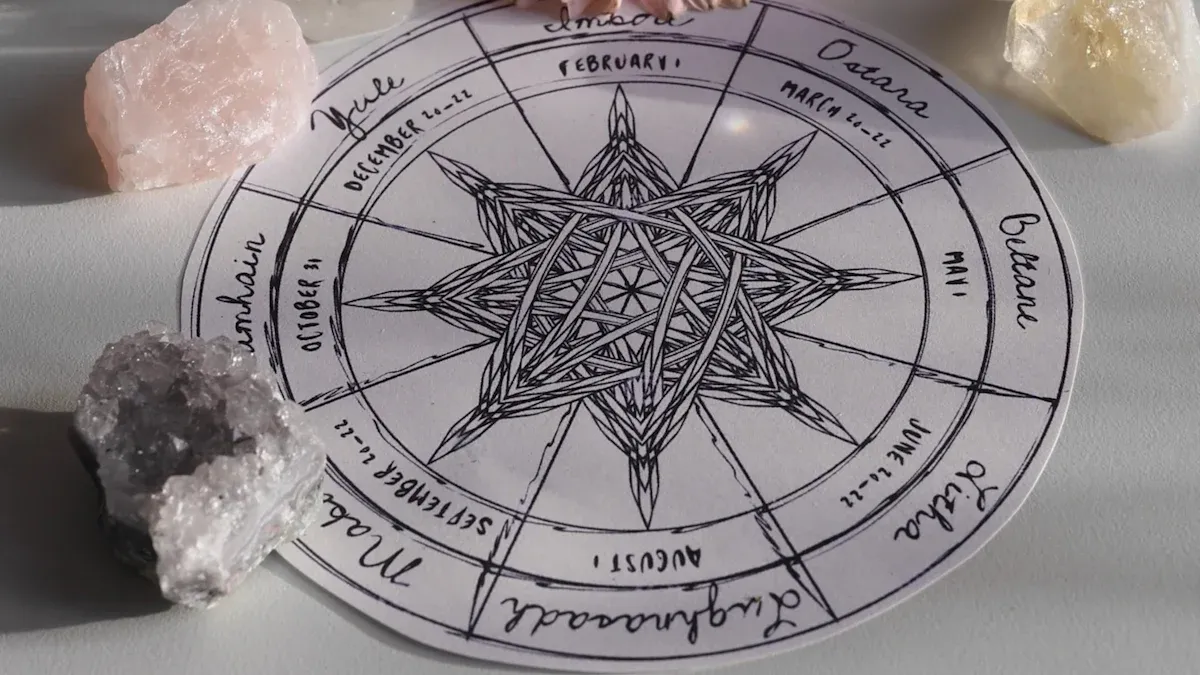
When you look for a house, check how it faces. The way rooms are set up can change your luck and health. One big feng shui principle is the commanding position. Put your bed or sofa far from the door, but make sure you see the door. This helps you feel safe and in charge. Use the Bagua Map to plan your rooms. Each area matches a part of your life, like family or work. Bedrooms and living rooms need sunlight and balance. This helps energy move well. Keep things simple and clean. Less clutter means more good energy and a calm home.
Tip: Pick a lot and floor plan that lets in sunlight. Make sure rooms are open and balanced. This helps you stay healthy and do well.
Energy Flow (Qi 气)
Qi(气)is the energy that moves in your home. You want Qi to flow easily from room to room. Walk around and see how each space connects. Good feng shui says entryways should be bright and open. Kitchens need morning light. Bedrooms should be away from loud places. Clutter stops Qi, so keep rooms neat. Mirrors and sunlight help spread good energy. If you feel good walking through the house, the energy is right. Feng shui uses these ideas to make homes feel nice and calm.
Symbolic Features
Symbolic features are also important in feng shui. Water features like ponds or fountains mean wealth and luck. Many people want water near the door or in the yard. Mountain shapes, like rocks or raised ground, bring strength and good energy. Natural things like wood, stone, and clay help balance energy. Courtyards, fresh air, and lots of light are good too. These things make your home look better and help you feel happy and lucky.
Symbolic Feature |
Feng Shui Benefit |
|---|---|
Water |
Symbolises wealth, prosperity |
Mountain |
Stability, positive energy |
Plants/Natural |
Health, harmonising energy |
Impact on Property Value
Price Trends
You see a clear link between Feng Shui and property value in many real estate markets. In places where Feng Shui matters, homes with good Feng Shui often sell for higher prices. Buyers look for homes that follow Feng Shui rules, so these homes stand out in the market. Some studies show that homes with poor Feng Shui can sell for 6-8% less than similar homes with better energy flow. In some cases, Feng Shui can affect real estate prices by up to 10%. However, you should know that most research comes from markets influenced by Chinese culture. The exact price trends can change from one market to another. Even so, the impact of Feng Shui on property value remains strong in these areas.
Note: You may not always find exact numbers for every market, but you will notice that buyers pay attention to Feng Shui when they decide how much a home is worth.
Market Demand
Feng Shui-friendly homes attract more buyers. You will see higher demand for these homes in both local and global markets. When a home has good Feng Shui, it feels more comfortable and safe. This feeling increases the value of the property and makes it easier to sell. Lenders and investors also see Feng Shui-friendly homes as safer investments. They believe these homes will keep their value and sell faster. In some markets, investors even focus on Feng Shui when they choose properties for their portfolios.
Here is a quick look at how Feng Shui affects the market:
Factor |
Feng Shui-Friendly Home |
Home with Poor Feng Shui |
|---|---|---|
Buyer Interest |
High |
Low |
Property Value |
Higher |
Lower |
Investment Appeal |
Strong |
Weak |
Time on Market |
Shorter |
Longer |
You can use Feng Shui to boost your home's value and make it more appealing in the market. If you plan to buy or sell, pay attention to Feng Shui features. These small changes can have a big impact on your investment.
Buying a Home with Feng Shui
Evaluation Tips
When buying a home, you want to make sure the space supports your well-being. Start with first impressions. Notice how you feel when you walk in. A home with good Feng Shui feels open, bright, and peaceful. Use practical tips for property buyers to check for positive energy.
Here are steps you can follow:
Find out the home's facing direction and the year it was built. This helps you understand its Feng Shui period.
Use a compass to check the direction of the main door. The main entrance should welcome positive Qi.
Plot a simple energy chart or ask a Feng Shui expert to help. Professionals can use tools like the Flying Star chart or Eight Mansion method.
Match the home's energy with your Life Gua number. This ensures the rooms support your health and luck.
Look at the layout. Make sure the kitchen, bathrooms, and bedrooms are in good spots. Avoid homes with kitchens facing the front door or bathrooms in the center.
Check for clutter, sharp corners, and mirrors facing the front door. These can block or reflect good energy.
Review the home's history. Ask about past owners and any major events. Stagnant energy can affect your comfort.
You can also use checklists like the Feng Shui Master Formulas Study Guide. This guide helps you review directions, lucky numbers, and room placements during your visit.
Agent Guidance
Real estate agents play a key role in helping you find homes with good Feng Shui. They can spot common problems, such as homes at T-intersections, front doors facing stairs, or spiral staircases. Agents often work with Feng Shui professionals who offer in-person or virtual consultations. If you find a home with issues, agents can suggest cures or help you look for better options.
During negotiations, focus on lucky house numbers and the home's orientation. Ask your agent to highlight natural light and suggest ways to reduce clutter. If you buy a home with a history of bad energy, consider space clearing services. Agents keep your needs private and help you make choices that fit your beliefs.
Tip: Always walk through the home at different times of day. Notice how sunlight, noise, and energy change. This helps you choose a home that feels right for you.
Feng Shui affects how people buy homes in 2025. It helps buyers pick homes with good energy and higher prices. You get more by looking for balance, harmony, and Qi flow. Agents show buyers Feng Shui features and make homes look nice for visits.
-
Buyers should:
Keep Yin and Yang balanced for harmony.
Set up rooms to help energy move well.
Choose agents who know about Feng Shui.
Remember, learning about Feng Shui helps buyers and agents make better choices. It also helps everyone live in homes that feel healthy and happy.


FAQ
What is Feng Shui and why does it matter when buying a home?
Feng Shui is an ancient Chinese practice. You use it to arrange spaces for better energy, called Qi. Good Feng Shui helps you feel comfortable and healthy in your home.
How can you tell if a house has good Feng Shui?
You look for open spaces, bright rooms, and easy movement. Check if sunlight enters the home. Make sure the entrance feels welcoming. These signs show good Qi flow.
Does Feng Shui affect home prices in 2025?
Yes, Feng Shui can change property value. Homes with good Feng Shui often sell for higher prices. Buyers pay more for homes with strong Qi and balanced layouts.
Should you hire a Feng Shui expert before buying?
You can hire a Feng Shui expert for advice. Experts help you find homes with positive Qi. They use charts and tools to check energy flow and room placement.
See Also
What Are the Five Elements in Feng Shui and What Do They Mean?
How to Use Feng Shui Principles to Your Entryway for a Welcoming Home