
How to declutter your life using Taoist wisdom

You might feel stressed by too much clutter sometimes, and many people feel this way. More than half of Americans say they feel overwhelmed. Most people do not know how to handle their extra things, but it's essential to declutter your life. When your home is messy, you can feel more stress. Studies show clutter can even make your cortisol go up. Taoist wisdom provides you with real ways to clear out clutter. Ideas like Wu Wei, minimalism, and mindfulness help you let go and declutter your life. These concepts assist you in finding peace. Keeping things simple brings calm and makes room for what is important.
Key Takeaways
Use Wu Wei, which means effortless action, to clean up your life without feeling stressed. Let go of things you do not need in a natural way. Pay attention to what is really important.
Try minimalism by keeping only things that make you happy or have a use. This can help you feel better and less overwhelmed.
Find balance in your life by seeing that both activity and rest matter. Use meditation and gentle movement to help you stay calm inside.
Spend time in nature often to refresh your mind and feelings. Being outdoors can make you feel better and more connected.
Add mindfulness to your daily routine to help you focus and avoid distractions. Small changes you do every day can make your life more peaceful and tidy.
Taoist Wisdom for Decluttering
Taoist wisdom gives you simple tools to declutter your life. (For a deeper understanding of the philosophy behind these practices, you can explore The Core Principles of Taoism.) These ideas help you clear both your mind and your space. Taoism teaches you to live in harmony with the world and yourself. You can use these principles every day to feel more peaceful and organized.
Wu Wei and Effortless Action
Wu Wei means "effortless action." You do not force things. You let life flow naturally. When you try to declutter your life, Wu Wei guides you to act without stress or struggle. You can:
Follow your natural energy when you clean or organize.
Let go of things you do not need, without feeling guilty.
Use mindfulness to make clear choices.
Wu Wei helps you reduce clutter by making each action feel lighter. You do not have to control everything. You just move with the flow.
Simplicity and Minimalism
Taoism values simplicity. You keep only what brings you joy or serves a purpose. Minimalism means you choose fewer things, but each one matters. Studies show that living simply can boost your mood and lower stress. Here is a quick look at how minimalism helps:
Findings |
Description |
|---|---|
Positive Emotions |
Minimalism helps you feel happier and more positive. |
Negative Emotions |
It can lower sadness and worry. |
Behavioral Indicators |
You shop less, keep things longer, and rely on yourself more. |
Modern decluttering movements also use Taoist ideas. They focus on simplicity and mindfulness, just like Taoism.
If you want more tips, check out our guide on "The Art of Mindful Living: Simple Steps for Everyday Peace" for practical ways to bring mindfulness into your daily routine.
Balance and Inner Quiet
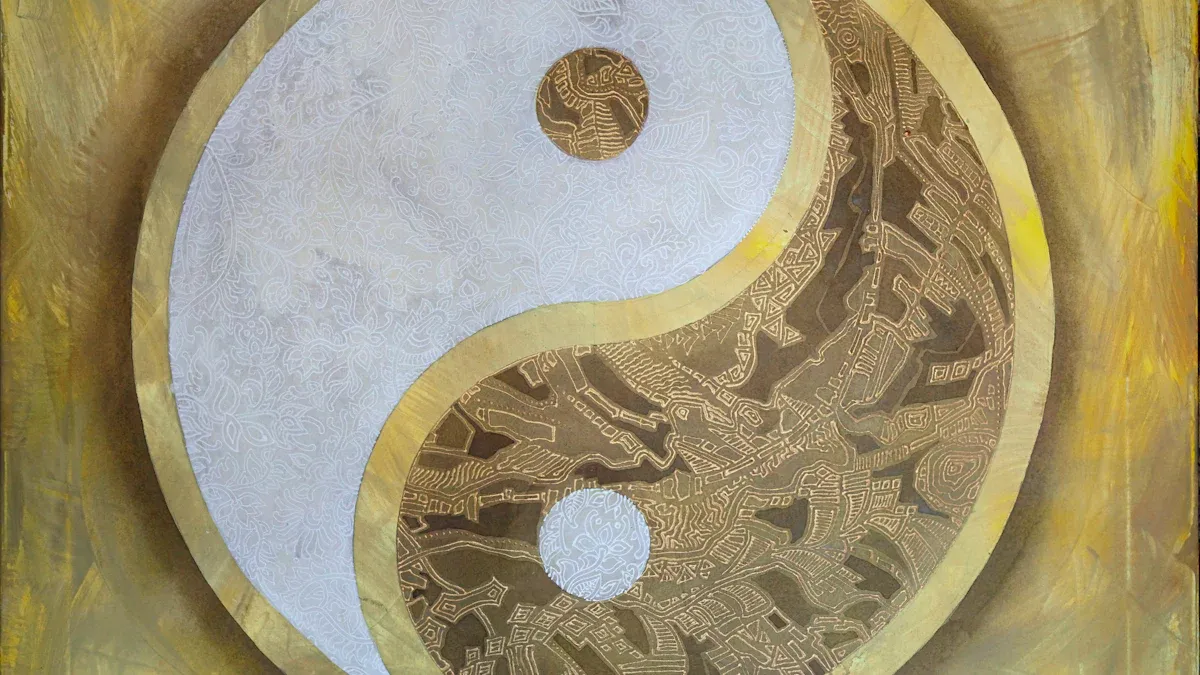
Balance is key in Taoism. You notice both busy and quiet moments. You try to keep them even. Yin and yang show you that opposites work together. You need both rest and activity. You can:
Practice meditation to find inner peace.
Declutter your home to create a calm space.
Accept that life has ups and downs.
"Yin and yang are not enemies. They are partners that help you find balance."
When you seek inner quiet, you connect with yourself. You feel less stressed and more focused. This helps you declutter your life in a gentle way.
Declutter Your Life: Physical Space
Letting Go of What You Don’t Need
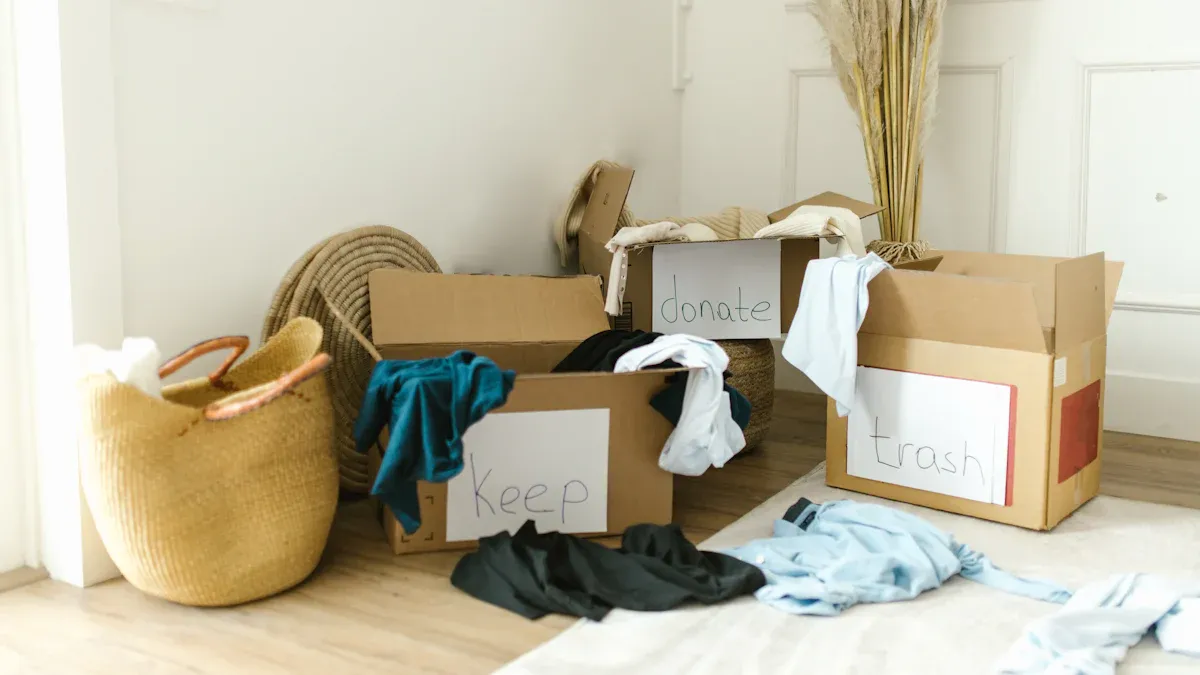
You probably have more things than you realize. The average household contains about 300,000 items. That number can feel overwhelming. Many of these things are not essential. When you want to declutter your life, start by letting go of what you do not need.
Try this simple step-by-step process:
Pick one area, like a drawer or a shelf.
Take everything out and look at each item.
Ask yourself, “Do I use this? Does it bring me joy?”
If the answer is no, set it aside to donate or recycle.
Put back only the things you truly need or love.
Letting go can feel hard at first. You might worry about missing something later. Remember, Taoist wisdom teaches you to release what no longer serves you. When you let go, you make space for new energy and peace.
Tip: If you feel stuck, take a deep breath and remind yourself that you are choosing freedom over clutter.
Mindful Selection of Belongings
After you clear out the extras, focus on what stays. Mindful selection means you choose your belongings with care. Each item should have a purpose or bring you happiness. This practice helps you avoid filling your space with things you do not need.
You can use this table to help decide what to keep:
Question |
Why It Matters |
|---|---|
Do I use it often? |
Keeps only useful items in your space |
Does it make me happy? |
Supports your well-being |
Is it in good condition? |
Avoids broken or useless things |
When you select your belongings mindfully, you create a space that feels calm and welcoming. You also save time because you do not have to search through piles of stuff. If you want more ideas on living with intention, you might enjoy our article, The Art of Mindful Living: Simple Steps for Everyday Peace.
Creating Harmony at Home
Taoist wisdom says your home should feel balanced and peaceful. Feng shui, a Taoist practice, focuses on the flow of energy, or chi. When you arrange your space with balance in mind, you help energy move freely. This brings harmony and comfort to your home.
Here are some ways Taoist ideas can help you create harmony:
Feng shui encourages balance and smooth energy flow in every room.
Adding natural elements like plants, wood, or water can make your home feel calm.
Using colors and materials that match the five elements (metal, wood, water, fire, earth) supports tranquility and well-being.
Experts suggest thinking about landscaping, colors, and materials to boost harmony in your living space.
You do not need to change everything at once. Start small. Move a chair to open up a walkway. Add a plant to bring in nature. Notice how these changes make you feel. When you declutter your life and create harmony at home, you invite peace and balance into your daily routine.
Decluttering Mind and Emotions
Mental and emotional clutter can feel heavy. It is like a messy room in your mind. Sometimes, your thoughts move too fast. Your feelings can get mixed up. Many people feel stress and worry when their minds are crowded. Taoist wisdom can help you clear this clutter. It can help you find peace.
Meditation for Mental Clarity
Meditation is important in Taoism. It helps you slow down. You notice your thoughts but do not get stuck. When you meditate, your mind gets to rest. Taoist meditation lets thoughts flow naturally. You do not force them away. You can sit quietly and close your eyes. Pay attention to your breath. If a thought comes, just notice it. Let it drift by like a cloud.
Here is a table that compares Taoist meditation and other mindfulness practices:
Aspect |
Taoist Meditation |
Mindfulness Practices |
|---|---|---|
Approach |
Emphasizes natural flow and immersion |
Follows structured techniques |
Focus |
Aligning with the natural flow of life |
Achieving specific outcomes |
Awareness Handling |
Complete immersion in experiences |
Observing thoughts and emotions from a distance |
Goal Orientation |
Appreciating the journey itself |
Reducing stress, improving focus |
You do not need to meditate for a long time. Even five minutes can help you feel calm. Meditation can help you declutter your life. It clears away mental noise. It brings clarity.
Tip: Try a simple breathing exercise. Breathe in slowly for four counts. Hold for four counts. Breathe out for four counts. Repeat this a few times when you feel overwhelmed.
Acceptance and Non-Attachment
Sometimes, you hold onto thoughts or feelings that do not help. Taoist wisdom teaches you to accept what comes. Let go of what you cannot control. This is called non-attachment. When you practice acceptance, you stop fighting your emotions. You notice them but do not let them take over.
Here is a table that shows how acceptance and non-attachment help emotional well-being:
Construct |
Association with Emotional Distress |
Notes |
|---|---|---|
Acceptance and Commitment Therapy |
Targets emotional distress through acceptance |
Uses flexible attention to reduce distress |
Nonattachment |
Negatively associated with psychological distress |
Linked to higher well-being and resilience |
Resilience |
Moderates negative emotions and distress |
Helps you bounce back from tough times |
Nonattachment helps you feel less stressed.
Acceptance supports positive emotions.
Both can make you stronger.
Taoist practices help you notice your feelings. Accept them and then let them go. This stops you from getting stuck in negative cycles. Over time, you may feel more peace and happiness.
Note: Taoist techniques, like dissolving meditation, can help you work through old emotional pain. This takes courage and practice. It leads to long-term emotional health.
If you want more ideas for building resilience and mindfulness, you might enjoy reading The Art of Mindful Living: Simple Steps for Everyday Peace.
Connecting with Nature
Nature is important in Taoist philosophy. Spending time outside helps you clear your mind. You feel more connected to the world. When you walk in a park or listen to birds, you give your mind a break. Nature helps you reset and find balance.
Studies show that connecting with nature can:
Evidence Type |
Findings |
|---|---|
Emotional Regulation |
Regular contact with nature enhances emotional regulation and reduces stress. |
Positive Emotional States |
Nature is linked to increased happiness and positive feelings. |
Mental Health Support |
Nature contact is a top strategy for improving well-being in anxiety or depression. |
People who spend time in green spaces feel happier.
Nature helps you handle stress better.
Being outdoors can boost your mood and help you think clearly.
Taoist wisdom says nature is a teacher. It is not just a place to visit. When you spend time outside, you learn to move with the flow of life. You let go of worries. You find your natural rhythm. This is a simple way to declutter your life. It brings more peace into your mind and heart.
Callout: Next time you feel overwhelmed, step outside for a few minutes. Notice the colors, sounds, and smells around you. Let nature help you reset.
Daily Taoist Practices for Simplicity
Living in the Present
You can begin each day by focusing on now. Taoist wisdom teaches you to let go of distractions. Pay attention to what is happening right now. When you notice the present moment, you make better choices. You also feel less stress. Taoist mindfulness helps you in many ways:
Evidence |
Explanation |
|---|---|
Taoist mindfulness encourages 'sitting and forgetting' |
You let go of distractions and feel calmer. |
Wu Wei promotes a natural, effortless approach |
You find peace and make choices without pressure. |
Exercises guide back to a natural state of calm |
You handle challenges with a clear mind. |
Stepping back from constant effort creates room for calm |
You avoid feeling overwhelmed and focus better. |
Trusting intuition in decision-making |
You make choices that feel right for you. |
Try to start your day with a few minutes outside. Listen to the sounds and notice the smells. Look at what you see around you. This easy habit helps you stay grounded. It brings more peace into your daily routine.
Maintaining Balance
Balance is very important in Taoist living. You can use meditation and gentle movement to stay steady. Many people practice Taijiquan, which is slow and flowing. It helps improve balance and health. Research shows Taijiquan can lower blood pressure. It also helps lower the risk of falling for older adults. You do not need to spend hours each day. Even short sessions help you feel more centered.
Here are some ways Taoist practitioners keep balance:
Practice meditation and reflection for inner peace.
Use Taijiquan or gentle stretching to support physical balance.
Create peaceful spaces at home for rest and quiet.
"In pursuit of knowledge, every day something is added. In the practice of the Tao, every day something is dropped. Less and less do you need to force things, until finally you arrive at non-action. When nothing is done, nothing is left undone." – Lao Tzu
If you want more ideas for balance, you can read The Art of Mindful Living: Simple Steps for Everyday Peace.
Ongoing Mindfulness
It can be hard to stay mindful every day. You might feel restless or get distracted. Taoist wisdom says to be patient and make a routine. Guided meditations and keeping a journal can help you track progress. Focus on the process, not just the results. Accept both busy and quiet times, just like yin-yang.
Here are some tips for ongoing mindfulness:
Declutter slowly by picking one small area each week.
Limit digital distractions by setting times for email and social media.
Focus on important activities and let go of busywork.
Reflect on your journey and celebrate small wins.
You can use these daily practices to declutter your life. Small changes help you build habits for peace and balance.
You can use Taoist wisdom to declutter your life and feel more peaceful. When you make small, mindful changes, you start to see big improvements. Wu Wei teaches you to move with life instead of fighting it. The verses of the Tao Te Ching invite you to reflect and grow. Try letting go of one thing today. Notice how it feels. Embrace simplicity and welcome inner peace into your daily routine. You have the power to create a calm and balanced life.


FAQ
What is Taoist decluttering?
You use Taoist decluttering to clear your space and mind. You focus on what matters most. You let go of things that do not serve you. To learn more about Taoism, explore What is Taoism.
How can I start using Taoist wisdom at home?
Begin with one small area. Remove items you do not need. Add something natural, like a plant. Notice how your space feels.
Does Taoism help with stress?
Yes! Taoist practices like meditation and Wu Wei help you relax. You learn to accept things as they are. You feel less pressure.
Try breathing slowly when you feel stressed. This simple habit can calm your mind.
Can I use Taoist ideas for digital clutter?
You can! Set limits for screen time. Delete apps you do not use. Keep your digital space simple.
Turn off notifications.
Organize files once a week.
Is Taoist decluttering only about physical stuff?
No, it also helps you clear mental and emotional clutter. You practice letting go of worries and old habits. You find balance in your thoughts and feelings. Taoist wisdom guides you to live with more peace every day.