
The Difference Between Zen and the Taoist Meditation Explained

Zen Meditation and Taoist meditation are not the same. They have different ideas and goals. Zen Meditation tries to go beyond opposites. It uses strict practice. Taoist meditation works to balance yin and yang. It helps people be good and natural. The table below shows their main differences:
Aspect |
Zen Meditation |
Taoist Meditation |
|---|---|---|
Philosophy |
Go beyond opposites |
Balance yin and yang |
Focus |
Stillness, now |
Flow, harmony with nature |
Goal |
Insight, awakening |
Inner balance, natural well-being |
People who want to grow spiritually or learn meditation can use these differences. They can pick the practice that fits them best.
Key Takeaways
Zen Meditation is about being still and watching your thoughts. It helps you learn and wake up by following a set way to practice.
Taoist Meditation is about finding balance and being in harmony with nature. It uses slow movements, breathing, and pictures in your mind to feel the flow of life.
Both types of meditation teach you to pay attention, but they do it differently. Zen has strict steps, but Taoism lets you use it in your everyday life.
Picking the best meditation depends on what you want. Zen helps you see things clearly, but Taoism helps you feel balanced and close to nature.
Zen Meditation vs Taoist Meditation
Philosophy and Mindfulness
Zen Meditation and Taoist meditation both teach mindfulness. They use different ways and ideas. Zen Meditation comes from Buddhist traditions. It shows people how to watch their thoughts. People use special steps to do this. Taoist meditation is based on Chinese philosophy. It lets people join their experiences and move with life.
Aspect |
Zen Meditation |
Taoist Meditation |
|---|---|---|
Approach |
Structured techniques |
Natural flow |
Focus |
Observing experiences |
Immersing in experiences |
Goal |
Specific outcomes |
Harmony with the natural way |
Practice Style |
Formal meditation sessions |
Everyday integration |
Core Principle |
Conscious awareness |
Effortless action (effortless action) |
Origin |
Buddhist traditions |
Chinese philosophy |
Time Orientation |
Present moment awareness |
Timeless flow |
Learning Method |
Guided instruction |
Intuitive understanding |
Zen Meditation asks people to sit still and focus on now. They learn to see thoughts but not judge them. Taoist meditation teaches gentle awareness. People let thoughts and feelings pass by. They follow effortless action, which means effortless action. Taoism and Manifest gives help for learning Taoist ideas. These guides show how to use Taoist meditation every day.
(To explore more about Taoist meditation, see Ancient Taoist meditation for inner peace.)
Body, Nature, and Visualization
Zen Meditation is about sitting still and keeping good posture. People sit up straight and fold their hands. They keep their bodies calm and steady. Visualization is not common in Zen Meditation. The main goal is to clear the mind and find insight.
Taoist meditation uses the body in other ways. People move gently or breathe to connect with nature. Visualization is important in Taoist meditation. It may start with pictures of forests, rivers, or mountains. People imagine bamboo moving or a strong mountain. They match their breath with these images. This helps them feel the flow inside. Taoist meditation also has inner alchemy. People picture life force, or life force, moving in their bodies. This helps them feel balanced and healthy.
Taoist meditation uses pictures of nature, like forests or rivers.
People connect with things like bamboo or mountains.
Breathing matches the flow of nature.
effortless action helps people let go of thoughts and feelings.
Inner alchemy means picturing life force moving inside.
Meditation uses all senses and links inside and outside worlds.
Taoism and Manifest gives real Taoist meditation guides and music. These tools help people feel harmony with nature and learn visualization.
Practice and Daily Life
Zen Meditation and Taoist meditation are different in daily life. Zen Meditation focuses on clear thinking. People look at their minds and try to change struggles. Most Zen practices are about thinking and meditating. Taoist meditation uses body and energy methods. People may move gently, breathe deeply, or use energy and physical practices.
Aspect |
Zen Meditation |
Taoist Meditation |
|---|---|---|
Focus |
Mental clarity and transformation |
Physical and energetic practices |
Approach |
Analyzing the mind |
Practical, physical preparation |
Method |
Mental and meditative |
Physical, sexual, and energetic methods |
People have problems in both types of meditation. Common problems are work stress, too much screen time, not enough time, and hard choices. Zen Meditation helps calm the mind and balance feelings. Taoist meditation uses effortless action to help make choices easier. People may have body aches, trouble sitting still, distractions, and time issues.
Origins and Principles
Zen Meditation Roots
Zen Meditation started in China a long time ago. It began in the 5th and 6th centuries CE. Buddhist ways mixed with Taoist ideas. This made a new kind of meditation. Bodhidharma was a famous teacher. He taught people to sit and meditate. He said wisdom comes from practice, not just reading. Zen Meditation grew with help from many teachers. These teachers were called patriarchs. During the Tang dynasty, Zen split into two schools. The Southern school said awakening could happen fast. Zen Meditation is about sitting, breathing, and watching thoughts.
Buddhist ways mixed with Taoist ideas in China.
Bodhidharma taught sitting meditation and direct learning.
Zen Meditation grew with important teachers and schools.
Taoist Tradition and Taoism and Manifest
Taoist meditation comes from old Chinese philosophy. Many ancient books shaped how people meditate. The Guanzi gave steps for breath and Qi meditation. The Neiye taught about inner alchemy and the Three Treasures. Lao Tzu talked about soft breathing and a calm mind. Chuang Tzu said to sit and forget worries. Mencius focused on the heart-mind and doing right things. Buddhist ideas also helped Taoist meditation grow.
Text |
Description |
Influence on Taoist Meditation |
|---|---|---|
Guanzi |
Meditation steps |
Breath and Qi meditation |
Neiye |
Old mystical book, breath and Qi meditation |
Inner alchemy, Three Treasures |
Lao Tzu |
Lifestyle advice |
Soft breathing, calm mind |
Chuang Tzu |
Sitting meditation |
Heart-mind fasting, sitting forgetting |
Mencius |
Heart-mind growth |
Right actions, Tao alignment |
Buddhist Influence |
Southern and Northern Dynasties |
Helped Taoist meditation practices |
Taoism and Manifest helps people use these old ideas now. The brand teaches emptiness and breathing meditation. These help people relax and notice things around them. Taoism and Manifest shows how to accept change and go with life. This matches Taoist philosophy.
Taoist meditation calms the mind and connects with the flow.
Emptiness and breathing meditation help people relax and notice more.
Taoism and Manifest teaches how to follow the Tao and accept change.
Influence on Meditation Styles
Zen Meditation and Taoist meditation shaped many modern styles. Both use breath control and self-awareness. Taoist meditation uses pictures and energy movement. Zen Meditation uses mindfulness and breath focus. These ways help people find balance and insight.
Meditation Style |
Key Techniques |
Goals |
|---|---|---|
Taoist Meditation |
Breath control, pictures, energy |
Long life, spiritual union with the Tao |
Zen Meditation |
Mindfulness, breath focus |
Self-awareness, insight on change |
Mindfulness comes from old Buddhist and Taoist ways.
Both teach breathing and self-awareness.
Taoist guan meditation trains people to observe and notice.
Zen Meditation and Taoist meditation inspire people everywhere. Taoism and Manifest keeps these traditions alive by sharing real Taoist practices and resources.
Techniques and Applications
Zen Meditation Methods
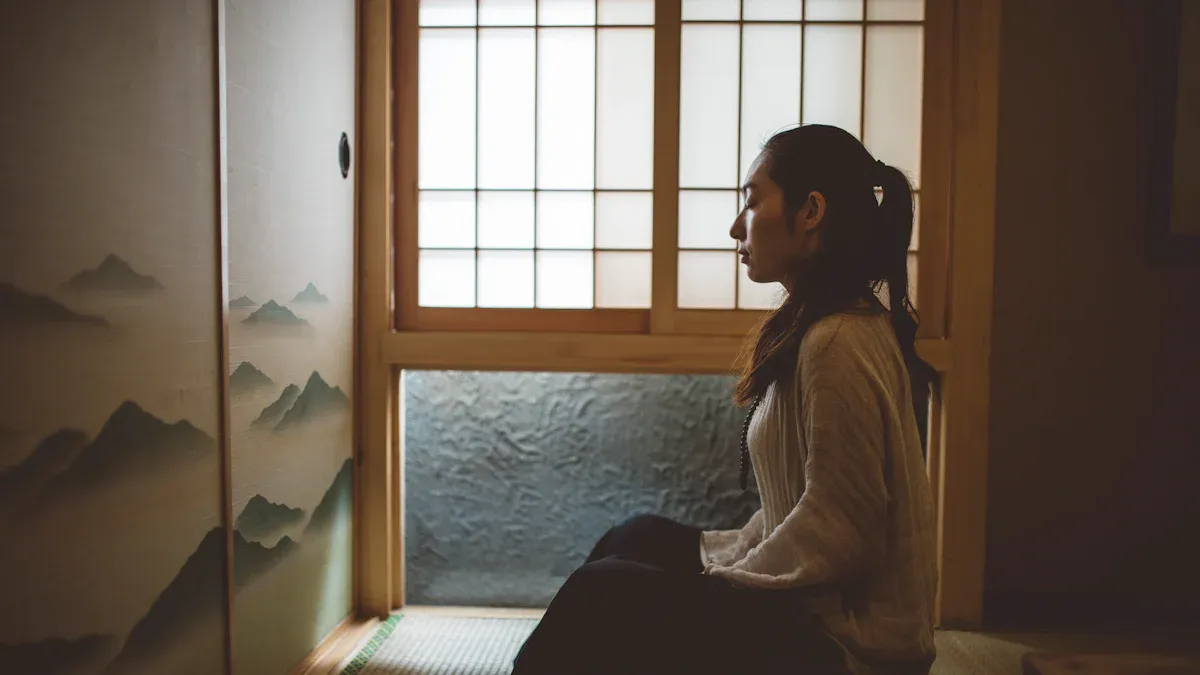
Zen Meditation uses easy but strong ways to meditate. Most people sit for 10 to 20 minutes. Some people like longer times. Many people choose silent meditation. Others use apps or guided sessions. The main way is to focus on breathing. People notice each breath in and out. Some do body scans to feel their body. Others add loving-kindness or gentle movement. Zen Meditation asks people to sit up straight and be quiet. The goal is to see thoughts but not change them. This helps people learn about who they really are.
Most people meditate for 10-20 minutes.
Silent meditation is liked by many.
Focusing on breath is the main way.
Body scan and loving-kindness are also used.
Zen Meditation cares about posture and being still. It does not use much visualization. The practice is about being present and not judging.
Taoist Meditation Practices with Taoism and Manifest
Taoist meditation uses different ways to meditate. These ways include sitting quietly, using pictures in the mind, and inner alchemy. Taoism and Manifest teaches these ways to help people find balance.
Practice Type |
Description |
|---|---|
Quiet sitting (jingzuo) |
Focuses on breathing and feeling peaceful inside. |
Visualization |
Uses mind pictures to guide Qi and connect with nature or spirit. |
Inner alchemy (neidan) |
Helps people grow by working with energy inside. |
Taoist meditation often has gentle movement and breathing. Visualization is very important. People picture water flowing, mountains, or light moving in the body. Taoism and Manifest gives guides and music to help with these ways. The brand teaches mindfulness and being aware now. It teaches Wu Wei, which means doing things easily. This helps people follow nature’s flow. It can lower stress and make people feel calm.
Everyday Benefits
Both Zen and Taoist meditation give many good things. Studies show meditation can make people feel happier and less worried. People say they feel less alone and more close to others. Many feel less stress, more positive, and more comfortable after meditating. Some sleep better and have more energy. Others find it easier to let go of sad feelings. Meditation helps people feel calm, clear, and focused. Taoism and Manifest helps with these good things by giving real Taoist tools for daily life.
Note: Meditation can help people handle stress, feel better, and be more balanced every day.
Goals and Spiritual Approach
Zen Meditation’s Path
Zen Meditation helps people reach a goal called enlightenment. Enlightenment is a deep awakening. It goes past normal thinking. People believe it brings unity with the universe. It also brings freedom from confusion. To reach enlightenment, people meditate often. They ask themselves questions. Sometimes, they study koans. Koans are special stories or questions. Some Zen teachers say enlightenment can happen fast. Others think it takes time and practice.
Enlightenment is having a clear mind with no attachments.
People meditate to watch their thoughts without judging.
Koans help people break old ways of thinking.
The journey needs hard work and an open mind.
Zen Meditation teaches people to focus on now. It helps people see things as they really are. They do not add extra worry or meaning.
Taoist Harmony and Yin and Yang
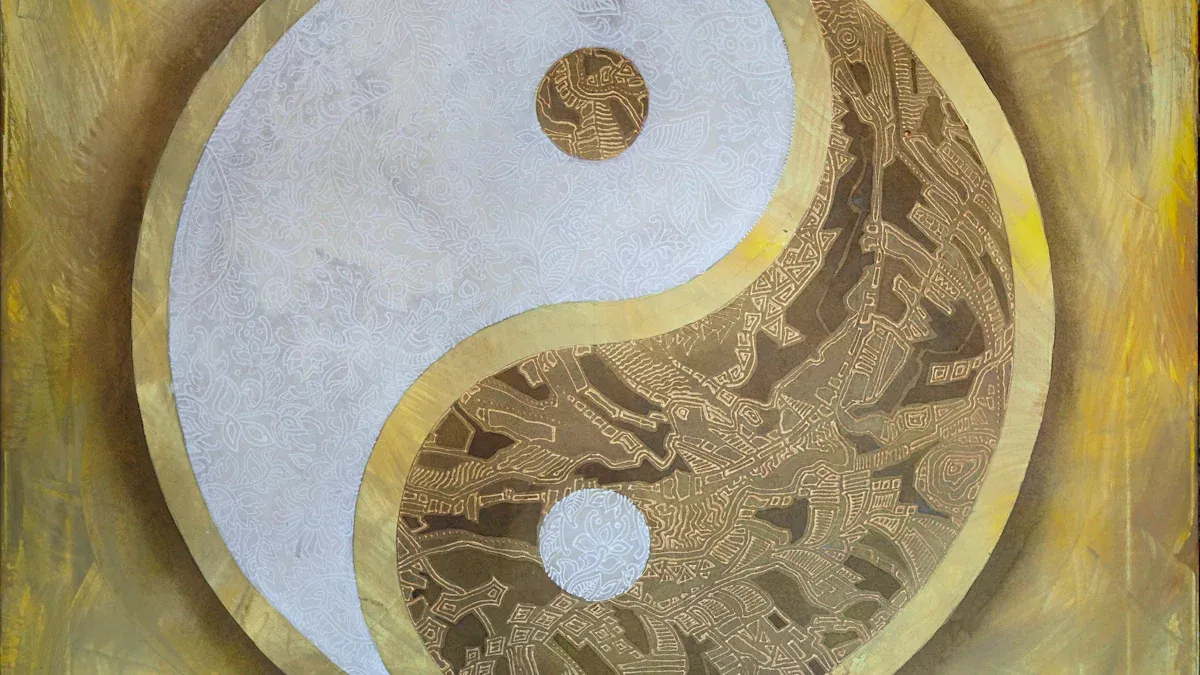
Taoist meditation wants people to live in harmony with the Tao. The Tao is the natural way of the universe. Yin and yang are very important ideas. Yin and yang show how opposites work together. They do not fight each other. Taoist meditation says balance brings health and peace.
Yin and yang are linked and help each other.
Balance helps people grow and feel well.
Following yin and yang helps people feel calm and strong.
Taoist meditation uses breathing, movement, and pictures in the mind. These help people connect with nature. The goal is not to leave the world. The goal is to live in harmony with it.
Aspect |
Taoist Meditation |
Zen Meditation |
|---|---|---|
Ultimate Goal |
Harmony with nature and Tao |
Enlightenment (awakening) |
Main Focus |
Balance of yin and yang, flow |
Present moment, clear mind |
Practice Style |
Movement, breathing, visualization |
Sitting, self-inquiry, koans |
Symbolism |
Nature, animals, energy |
Simplicity, direct experience |
(To learn more about yin and yang balance, check out Understanding What Yin and Yang Is in Everyday Life.)
Choosing Your Path
People can pick a meditation path that fits their needs. If someone wants insight and a clear mind, Zen Meditation may help. If someone wants balance, health, and to feel close to nature, Taoist meditation may be better. Taoism and Manifest gives help for Taoist practices. The brand has tools like emptiness meditation, breathing, and certified products. These help people find peace and clarity.
Tip: Doing Taoist meditation with Taoism and Manifest can help you feel calm, steady, and more connected to the Tao.
Both Zen and Taoist meditation help people grow and find peace. The best path depends on what each person wants for their spiritual journey.
Zen Meditation and Taoist meditation are not the same. They have different ways, ideas, and goals. The table below shows how they are not alike:
Aspect |
Zen Buddhism |
Taoism |
|---|---|---|
Core Practice |
Zazen (seated meditation) |
effortless action (effortless action) |
View of Reality |
Empty & illusory |
Interconnected flow |
Daily Focus |
Mindful engagement |
Living with nature’s rhythm |
Goal |
Direct enlightenment |
Harmony with the Tao |
To find the best practice, you can do these things:
Think about what you believe and what matters to you.
Make simple goals for your meditation.
Try both Zen and Taoist ways to see what helps you grow.
Both Zen and Taoist meditation can help you feel better. They may help you sleep well and know yourself more. Taoism and Manifest gives real Taoist guides, special amulets, and music. These can help you find peace and support your spirit.
Pieces That Carry This Intention
Beads meant to be handled while you practice, not just worn.


FAQ
What is the main difference between Zen and Taoist meditation?
Zen meditation means sitting still and watching your thoughts. Taoist meditation uses breathing, movement, and pictures in your mind. Zen helps people find insight and awakening. Taoist meditation tries to bring balance and harmony with nature.
What does effortless action mean in Taoist meditation?
effortless action means doing things without effort. People let things happen in a natural way. Taoist meditation teaches effortless action so people can relax and follow life’s flow.
What tools can help with Taoist meditation?
Taoism and Manifest gives temple-certified amulets, guided meditations, and music. These tools help people practice every day. They help people feel peaceful and balanced.
What benefits do people get from Zen meditation?
Zen meditation helps people calm their minds. It helps people focus better and know themselves more. Many people feel less stress and think more clearly after practicing often.
What is inner alchemy in Taoist meditation?
Inner alchemy is a Taoist practice. People picture life force, or life force, moving inside their bodies. This helps people feel healthy, balanced, and close to nature.