
Ancient Roots: How Yin and Yang Birthed the Chinese Zodiac

The Chinese zodiac is closely tied to the old idea of yin and yang. This connection helps form what the zodiac means. People who study this link can see new ways to think about balance, personality, and fate. Learning where the Chinese zodiac comes from helps people find peace and smart choices in daily life.
Key Takeaways
Yin and yang are important ideas in old Chinese thinking. They show balance between things like light and dark.
The Chinese zodiac has 12 animals. It connects to yin and yang. It helps people learn about their traits and life paths.
Each zodiac animal has special qualities. Yin animals stand for patience and calm. Yang animals show energy and action.
The Five Elements are Wood, Fire, Earth, Metal, and Water. These elements work with the zodiac. They affect personality and help people live in harmony.
Taoist wisdom teaches people to find balance. You can do this by meditating or walking in nature. These habits help you feel better.
Yin and Yang Origins
Ancient Chinese Philosophy
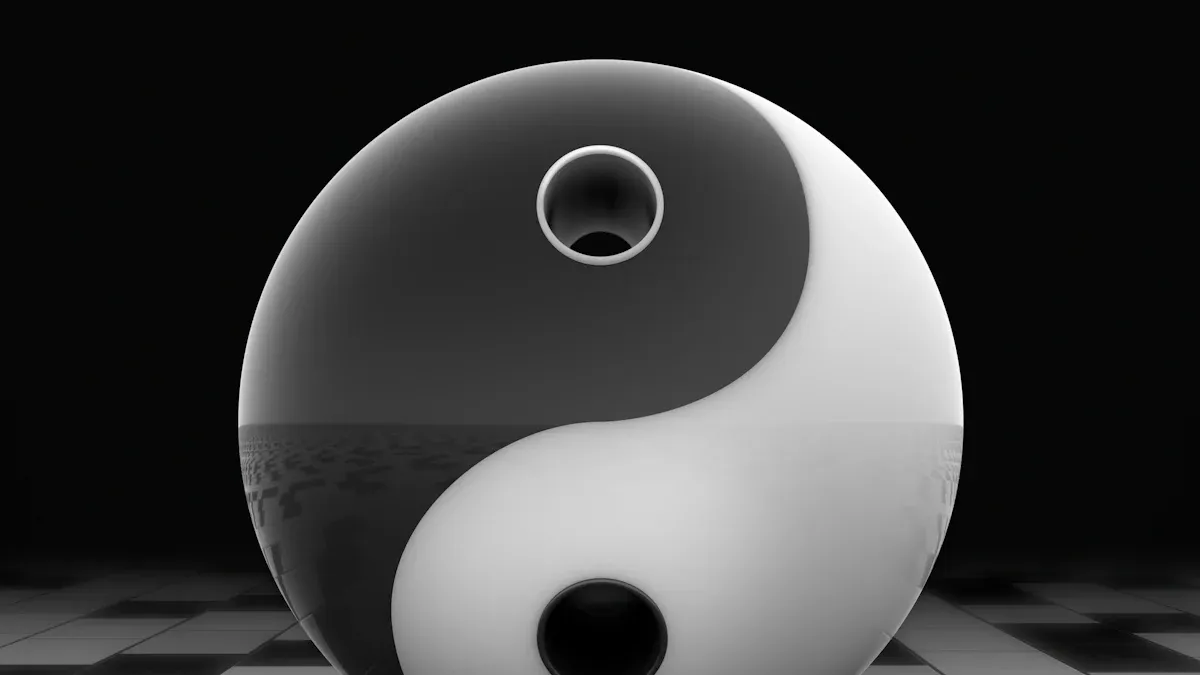
Yin and yang are the base of old Chinese ideas. These two forces are very different from each other. Yin means darkness, cold, and rest. Yang means light, warmth, and activity. People long ago in China thought everything comes from yin and yang working together. This idea changed how they saw the world.
The oldest records of yin and yang are in old Chinese books and objects. The I Ching, or Book of Changes, talks about the universe as a process made by yin and yang. This book came before Taoism and helped it grow.
Text/Artifact |
Description |
Significance |
|---|---|---|
I Ching (Book of Changes) |
An ancient Chinese text that discusses the universe as a dynamic process governed by yin and yang. |
It predates Taoism and significantly influenced its development. |
People in the Shang Dynasty used oracle bones to write about balance and change. These objects show how yin and yang became important in Chinese beliefs. History tells us that the idea of two sides shaped Chinese culture. The Tao Te Ching also talks about why change and balance matter.
Yin and yang changed medicine, astrology, and farming. People learned to find harmony in nature and in their lives. The ox is a symbol in the zodiac. It shows how animals and ideas connect to yin and yang.
Yin, Yang, and Balance
Balance between yin and yang is very important in old Chinese thinking. People thought health, nature, and life need harmony between these forces.
In traditional Chinese medicine, people need yin and yang to be balanced to stay healthy; if not, they can get sick.
In Chinese cosmology, yin and yang working together affects nature and the seasons.
The idea of Qi, which is linked to yin and yang, gives a big picture of life and the universe.
History shows the ox and other zodiac animals are about finding balance. Ancient China used yin and yang to explain time and changes in nature. The ox reminds us how people used symbols to learn about the world. The story of yin and yang still shapes Chinese culture and history today.
(If you're interested in Qi, check out Understanding the Vital Role of Qi in Taoist Life.)
From Yin and Yang to Symbols
Cycles and Categorization
Yin and yang shaped many symbolic systems in ancient China. People used these ideas to understand the world and organize knowledge. They saw that everything in nature moved in cycles. Day turns into night, and seasons change in a pattern. This thinking led to the creation of systems that could explain balance and change.
Here are some main symbolic systems influenced by yin and yang:
Symbolic System |
Description |
|---|---|
Cosmology |
The yin-yang principle shows the duality and connection of the universe. |
Traditional Chinese Medicine |
Yin and yang help people understand health and balance in the body. |
I Ching (Yijing) |
Uses symbols to show the balance of forces in the universe. |
People used these systems to track time and health. The need for cycles became clear as they watched the stars and seasons. The zodiac is one of the most famous cycles. It helps count years, months, days, and hours. Each animal in the zodiac marks a year in a 12-year cycle. This system made it easier to manage time and plan for the future.
Influence on Chinese Zodiac
The Chinese zodiac comes from this need for cycles and symbols. Ancient rulers wanted a way to keep track of long periods. They created a 12-year cycle, with each year linked to an animal. This system became part of Chinese astrology and culture.
A famous legend explains how the animals were chosen. The Jade Emperor held a race to decide which animals would join the zodiac. The order of the animals shows their traits and how they finished the race:
The rat used cleverness to win first place.
The ox worked hard and came second.
The tiger showed strength and finished third.
The rabbit moved quickly and took fourth place.
The dragon helped others and arrived fifth.
The snake used cunning to take sixth place.
The horse came seventh after being surprised by the snake.
The goat, monkey, and rooster worked together and finished eighth, ninth, and tenth.
The dog got distracted and came eleventh.
The pig took its time and finished last.
This story shows how each animal’s nature fits into the cycle. The zodiac connects people to the flow of time and the balance of yin and yang.
Origin of the Chinese Zodiac
Zodiac Animals and Elements
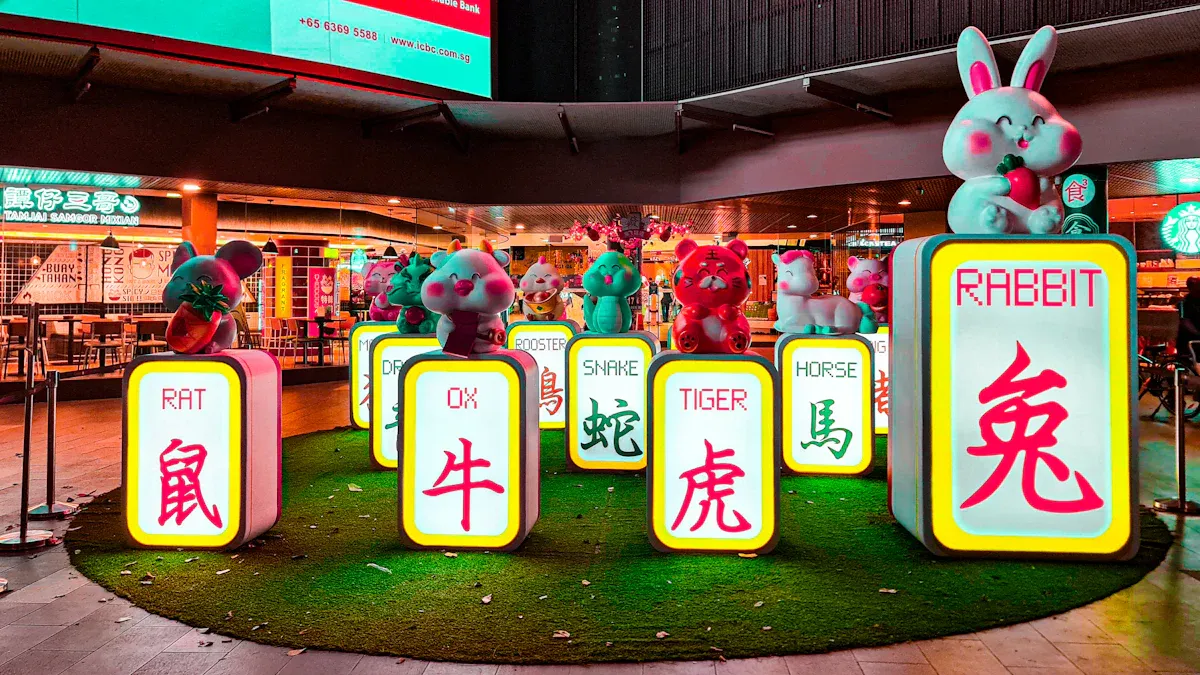
The Chinese zodiac started from people watching nature and time. Long ago, ancient Chinese people wanted to understand how time works. They made a system using animals and elements to show life’s cycles. There are 12 animals in the zodiac. Each animal stands for a year in a repeating cycle. Every animal has its own story and meaning in Chinese culture.
It took a long time to pick the animals and elements for the zodiac. In the Shang Dynasty, people used heavenly stems and earthly branches to track time. These ideas became the base for the zodiac. Later, during the Warring States period, bamboo slips showed animals started to match with the earthly branches. By the Han Dynasty, the system was set. The zodiac animals joined with the earthly branches and the sexagenary cycle. Wang Chong’s Lunheng wrote about this system in the 2nd century CE.
Historical Period |
Evidence Description |
|---|---|
Shang Dynasty (c. 1600–1046 BCE) |
Early inscriptions show the use of heavenly stems and earthly branches for divination and time cycles, forming the basis for the zodiac's structure. |
Warring States period (475–221 BCE) |
Bamboo slips reveal animal associations with earthly branches, indicating an evolving system of totemic linkages, with partial lists of animals appearing in calendrical contexts. |
Han Dynasty (206 BCE–220 CE) |
Standardization of the zodiac occurred, integrating the twelve animals with earthly branches and the sexagenary cycle, as recorded in Wang Chong's Lunheng, solidifying the system's use by the 2nd century CE. |
Old objects from the Warring States period, like the Shuihudi Qin slips, show lists of animal signs for birth years. These slips prove the zodiac was part of daily life. The earthly branches system also joined with the zodiac. This made a 12-part way to keep time.
Artifact |
Description |
|---|---|
Shuihudi Qin slips |
Bamboo slips from the Shuihudi Qin Tomb list animal signs linked to birth years, indicating the zodiac's use. |
Earthly Branches system |
By the Warring States period, the zodiac began merging with the Earthly Branches, a 12-part timekeeping system. |
The five elements, called Wu Xing, are important in the zodiac. These elements are Wood, Fire, Earth, Metal, and Water. Each element stands for a kind of energy and change. The elements connect with the animals and help explain their traits and the cycle.
The Five Elements (Wu Xing) are Wood, Fire, Earth, Metal, and Water.
These elements stand for ideas and how things change.
They are grouped by what they do and how they work together, which helps people understand their link to the Zodiac animals.
The five elements work together in two main ways. They help each other grow and also control each other. This keeps the cycle balanced. If one element gets too strong or weak, the cycle is not balanced. Keeping the elements in balance is important for the zodiac’s meaning.
The five elements work together by helping and controlling each other, which is key for the Chinese Zodiac’s cycle.
Helping makes things grow, while controlling keeps things in check, showing the balance of Yin and Yang.
These actions help keep harmony and balance in the Zodiac cycles.
The dragon is a special animal in the zodiac. It stands for power, luck, and change. In Chinese history, the dragon is in art and stories. People see the dragon as a sign of strength and good luck. The dragon’s place in the zodiac shows how animals and elements work together in Chinese traditions.
Yin and Yang in Zodiac Structure
Yin and yang shape how the Chinese zodiac works. Each zodiac animal is either yin or yang. This comes from the animal’s traits and how ancient Chinese people saw them. Yin means quiet, soft, and hidden. Yang means active, bright, and open. The zodiac cycle moves between yin and yang to keep balance.
Old Chinese books say yin and yang work together. They help decide the traits of the zodiac animals. For example, the number of claws or toes can show if an animal is more yin or yang. The order of the animals follows this pattern. The rat is yang and comes first. The ox is yin and comes second. This pattern goes through all twelve animals.
Yin/Yang |
Zodiac Animal |
Number |
|---|---|---|
Yang |
Rat |
1 |
Yin |
Ox |
2 |
Yang |
Tiger |
3 |
Yin |
Rabbit |
4 |
Yang |
Dragon |
5 |
Yin |
Snake |
6 |
Yang |
Horse |
7 |
Yin |
Sheep |
8 |
Yang |
Monkey |
9 |
Yin |
Rooster |
10 |
Yang |
Dog |
11 |
Yin |
Pig |
12 |
The dragon is a yang animal. It brings energy and movement to the cycle. The snake comes after the dragon. It is yin and brings calm and wisdom. This balance goes on with each animal. The yin and yang cycle in the zodiac helps people learn about time, fate, and personality.
History shows Chinese people used yin and yang to explain life. They saw the zodiac cycle as a way to keep harmony. The dragon, ox, and other animals all help with this balance. The zodiac’s history is a big part of Chinese culture and tradition.
The start of the Chinese zodiac is not just about animals. It is about balance, cycles, and finding harmony. The dragon and other animals remind people to look for balance in life. The zodiac’s story still shapes Chinese culture today.
Yin and Yang in Zodiac Meaning
Classifying Years and Animals
People sort each zodiac sign as yin or yang by using a simple rule. They look at the year you were born. If your birth year is an even number, it is yang. If your birth year is an odd number, it is yin. The seasons and elements also help decide if something is yin or yang. Cold seasons mean yin, and hot seasons mean yang. The ox is a good example of yin. The ox stands for quiet strength and patience. The dragon is an example of yang. The dragon brings energy and movement.
The table below shows how each zodiac animal matches with an element and yin or yang. This helps people learn about the traits and cycles in the Chinese zodiac.
Zodiac Animal |
Element |
Yin/Yang |
Trine |
|---|---|---|---|
Rat |
Water |
Yang |
1st |
Ox |
Earth |
Yin |
2nd |
Tiger |
Wood |
Yang |
3rd |
Rabbit |
Wood |
Yin |
4th |
Dragon |
Earth |
Yang |
1st |
Snake |
Fire |
Yin |
2nd |
Horse |
Fire |
Yang |
3rd |
Sheep |
Earth |
Yin |
4th |
Monkey |
Metal |
Yang |
1st |
Rooster |
Metal |
Yin |
2nd |
Dog |
Earth |
Yang |
3rd |
Pig |
Water |
Yin |
4th |
The ox is a symbol of yin in this table. The ox shows how people in ancient china used animals to explain balance. The ox stands for patience and moving forward slowly. The ox is also linked to earth, which is a steady element. The ox helps people see why quiet work and harmony are important.
(To learn more about the importance of harmony, see How Taoist principles create harmony in relationships.)
Zodiac Interpretation Today
Yin and yang still shape how people read the Chinese zodiac. The balance between yin and yang gives meaning to each animal and year. People use this balance to learn about personality and life paths. The ox, as a yin sign, shows how calm and steady energy can help people do well. The dragon, as a yang sign, shows how bold action can bring change.
Yin and yang show up in many parts of daily life. People look at the season they were born to find out if it is yin or yang. Cold seasons mean yin, and hot seasons mean yang. The Chinese zodiac uses these ideas to help people find balance. The ox, with its yin nature, teaches patience and hard work.
People in china today use yin and yang to help make choices. The Chinese zodiac helps people see their strengths and weaknesses. The ox, as a yin sign, tells people to stay calm and focused. The dragon, as a yang sign, tells people to take action and lead.
The table below shows how history changed the way people see the Chinese zodiac.
Aspect |
Historical Interpretation |
Modern Interpretation |
|---|---|---|
Focus |
Communal harmony and cycles of time |
Individual traits and personal destiny |
Influences |
Yin-Yang and Five Elements |
Blend of traditional beliefs with contemporary insights |
Perspective |
Emphasizes balance and interconnectedness |
Often individualistic, reflecting personal psychology |
Role of Destiny |
Predestination through birth details |
Combination of destiny and luck (Yùn) |
Approach to Life |
Aligning with cosmic energies and accepting fate |
More focus on personal control and self-determination |
People today use the Chinese zodiac to learn about themselves. The ox, as a yin sign, helps people find peace and stay steady. The dragon, as a yang sign, helps people look for growth and excitement. The balance of yin and yang gives each zodiac animal a special job.
Yin and yang shape many customs and beliefs. People use the Chinese zodiac to plan big events and make choices. The ox, with its yin energy, stands for hard work and trust. The dragon, with its yang energy, stands for power and luck.
Yin and yang still show up in many ways:
Yin and yang are two forces in nature. They show balance and how opposites work together.
Each Chinese zodiac sign links to an element and yin or yang. This shapes people’s traits and luck.
Seasons are important for yin and yang. Cold seasons mean yin, and hot seasons mean yang.
Cultural practices today still show the old link between yin and yang and the Chinese zodiac:
Yin and yang are about balance and harmony. This is a big idea in Chinese philosophy.
Old customs, like ancestor worship, show why respect and harmony matter in Chinese culture.
The zodiac’s cycle shows the balance of elements in the signs.
Yin and yang started in ancient china. They shaped the seasons and people’s lives.
Yin and yang grew from simple ideas to a deep philosophy. This shows how important they are in Chinese culture.
People used yin and yang symbols as early as the 14th century B.C.E.
By the 8th century B.C.E., schools studied yin and yang. They linked it to nature and human life.
The Chinese zodiac uses yin and yang to help people find balance. The ox, as a yin sign, teaches patience and steady work. The dragon, as a yang sign, inspires bold action. The history of the Chinese zodiac shows how people use these ideas to guide their lives. The ox and other animals help people see why harmony and change matter.
Taoism and Manifest: Modern Influence
Taoist Wisdom in Daily Life
Taoist wisdom still helps people today. Many people use yin and yang to keep balance in their lives. They try to find harmony between working and resting. People pick foods that cool or warm the body. They also plan time for both activity and relaxation. This way, they can stay healthy and feel better.
People use Taoist ideas to fix problems. The philosophy teaches harmony with nature and daily life. Practitioners mix busy times with quiet moments like meditation or being outside. These habits help people feel calm and healthy.
Taoist principles guide spiritual practices with the Chinese zodiac. People see how cosmic forces and personal destiny connect. They try to match their chi with the universe. The Five Elements Theory helps explain how zodiac signs affect life. Yin and yang are still important for understanding the zodiac and keeping balance.
Fix health by balancing yin and yang.
Make good choices by mixing work and rest.
Include both activity and relaxation every day.
Use Taoist ideas to solve problems in a balanced way.
Spiritual Growth with Taoism and Manifest
Taoism and Manifest helps share real Taoist wisdom. The brand gives tools for harmony and spiritual growth. Meditation and Tai Chi are now popular all over the world. Taoist teachings have spread far from China. Taoism is known for helping people live longer and for its mystical practices.
The Chinese zodiac helps people grow and find peace. Each animal has special traits that teach about character and life. Learning about your zodiac sign can help you grow spiritually and find harmony. The zodiac helps people think about the energy around them and their spiritual path.
The Chinese zodiac shows Chinese philosophy and values.
Each sign stands for things like courage and kindness.
These ideas help people improve themselves and grow spiritually.
Taoism and Manifest supports people on their spiritual path. The brand’s products and lessons help people find balance and clear thinking in life.
The Chinese Zodiac is closely linked to yin and yang. This old idea helps explain where the zodiac comes from. It also shapes what each animal means. The table below shows which animals are yin and which are yang:
Yin Animals |
Yang Animals |
|---|---|
Ox |
Rat |
Tiger |
Dragon |
Rabbit |
Horse |
Snake |
Monkey |
Goat |
Dog |
Rooster |
Pig |
Taoism and Manifest give tips for finding spiritual balance:
Learn about yourself by watching your actions.
Go with the flow of nature.
Practice doing things calmly.
Try meditation every day.
Do simple rituals at home or with others.
Spend time outside and enjoy nature.
Pieces That Carry This Intention
Yin-yang and five-element pieces, for when the idea needs something to hold.


FAQ
What is the main idea behind Yin and Yang?
Yin and Yang are two opposite forces. They work together in nature and life. This idea helps people see how balance is important. Ancient Chinese thinkers used Yin and Yang to explain health. They also used it to talk about time and personality.
What does each Chinese Zodiac animal represent?
Each animal stands for a special trait. The ox means patience and working hard. The dragon shows power and good luck. People use these animals to learn about themselves. They also use them to understand others. If you know your zodiac animal, you can learn about your strengths.
What is the role of the Five Elements in the Zodiac?
The Five Elements are Wood, Fire, Earth, Metal, and Water. These elements connect with the zodiac animals. They help shape personality and luck. People use the elements to find balance in life. They also use them to feel harmony every day.
What can Taoist wisdom teach about daily living?
Taoist wisdom teaches people to look for balance. It helps people make choices about work and rest. It also guides choices about health. Many people use meditation to feel calm. Nature walks can help people feel peaceful.
What is the purpose of the Zodiac cycle?
The Zodiac cycle helps people keep track of time. It shows how life changes in patterns. People use the cycle to plan events. They also use it to learn about their destiny.