
Understanding What Yin and Yang Is in Everyday Life

People often notice the cycle of day and night or the need to work and then rest. These daily patterns show how yin and yang shape life. Yin and yang describe two opposite but connected forces. Yin shows qualities like rest, coolness, and softness, while yang stands for activity, warmth, and strength. Both forces appear in many areas, such as the mix of spicy and mild foods or the way partners bring different traits to a relationship. The right balance between yin and yang helps people feel calm and healthy. Readers can look for these patterns in their daily routines, emotions, or relationships.
Key Takeaways
Yin and yang are opposite forces that work together. Seeing these forces helps you notice patterns in your life each day.
Emotional balance is important. Notice both strong (yang) and quiet (yin) feelings. This helps you handle stress and keep calm inside.
Your daily routine should have both active (yang) and restful (yin) things. This balance helps you stay healthy and have more energy.
In relationships, using both yin and yang traits makes bonds stronger. Respecting differences helps people get along and support each other.
Mindfulness helps you see changes in your energy. Try meditation and deep breathing to bring back balance.
Yin and Yang Explained
Core Qualities of Yin and Yang
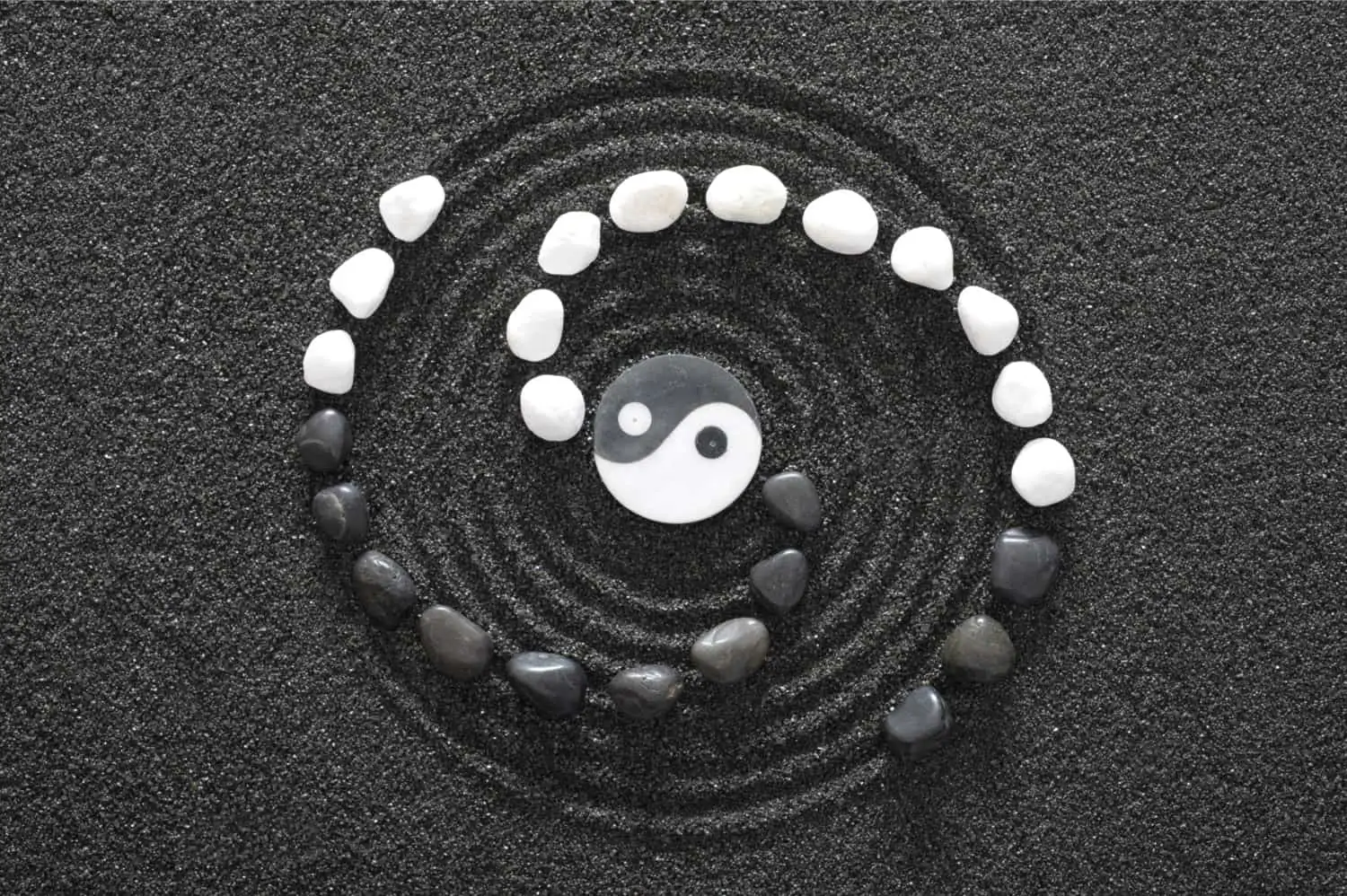
Yin and yang are two opposite forces. They work together in nature and in life. You can see them in the seasons. You can also notice them in how you feel during day and night. Yin means rest, coolness, and softness. Yang means activity, warmth, and strength. Both are needed for balance.
The table below shows how yin and yang are different:
Aspect |
Yin Qualities |
Yang Qualities |
|---|---|---|
Energy |
Conserving, storing |
Expressing, releasing |
Motion |
Descending, contracting |
Rising, expanding |
Time |
Night, winter |
Day, summer |
Position |
Interior, lower |
Exterior, upper |
Temperature |
Cool, moist |
Warm, dry |
Structure |
Dense, material |
Light, ethereal |
These qualities show yin and yang are not just opposites. They are also linked and help each other. For example, night (yin) leads to day (yang). Rest (yin) helps the body get ready for activity (yang).
Four Principles of Yin and Yang
The way yin and yang work follows four main rules:
Opposition: Yin and yang are opposites, like light and dark or hot and cold.
Interdependence: One cannot be there without the other. Day needs night, and activity needs rest.
Mutual Consumption: When one gets bigger, the other gets smaller. If someone works too much (yang), they get tired and need rest (yin).
Intertransformation: Yin can change into yang, and yang can change into yin. For example, after a busy day (yang), the body needs sleep (yin).
These rules show why balance is important. In Chinese philosophy, yin and yang are always moving and changing. This idea teaches us to find harmony between both sides, not just pick one.
Note: Different cultures see yin and yang in their own ways. Eastern traditions focus on balance and needing both forces. Western ideas often talk about competition. Learning about yin and yang helps people see why both sides matter in life.
Balance in Everyday Life

Emotional Balance
People feel many emotions every day. Some feelings are strong and active, like excitement or anger. These show yang energy. Other feelings are quiet or thoughtful, which show yin energy. Emotional balance means noticing both kinds of feelings and learning to handle them. Researchers say personality traits linked to yin and yang change how people deal with stress. For example, someone with more yang traits acts fast and does things quickly. Someone with more yin traits stops and thinks before acting.
Staying calm helps people keep their emotions steady, even when life is hard.
Mental balance helps people think clearly and make good choices.
Using mental strength skills helps people stay emotionally steady.
People who use both yin and yang in their feelings often feel calmer and more sure of themselves. They can face problems without losing control. This balance helps people find peace inside.
Balance in Routines
Daily habits show why balance between yin and yang matters. Work, exercise, and hanging out with friends use yang energy. Rest, sleep, and quiet time use yin energy. People need both to stay healthy. Running and lifting weights are yang activities. Yoga, stretching, and meditation are yin activities. Eating both yin foods, like cucumber and leafy greens, and yang foods, like ginger and red meat, helps keep the body balanced.
Sleeping, meditating, and taking a bath help relax the body and mind.
Writing reports quickly and hard workouts give energy, but can make people tired if done too much.
People who sit at a computer all day may feel tired and have stomach problems, showing too much yin and not enough yang.
Nurses who stand all day may feel nervous and have trouble sleeping, showing too much yang and not enough yin.
Finding balance in daily habits means picking the right mix of things to do. Thinking about your actions, caring for yourself, and knowing yourself help you change your habits. The push and pull between work and rest is important for health. Getting harmony between busy life and quiet time is a common challenge.
Tip: People can sleep better, have more energy, and get stronger by balancing yin and yang in their daily habits.
Yin and Yang in Relationships
Relationships also show how yin and yang work together. Each person brings different traits. Some people show more yin, like listening and caring about feelings. Others show more yang, like speaking up and taking action. Experts say these energies help relationships grow.
Yin Qualities |
Yang Qualities |
|---|---|
Receptivity |
Assertiveness |
Emotional connection |
Action |
Softness |
Hardness |
Passivity |
Buoyancy |
Coolness |
Heat |
Feeling |
Thinking |
Surrender |
Attack |
Listening is a yin trait, while standing up for yourself is yang. Relationships get stronger when both sides help each other. The balance of yin and yang in relationships helps people feel close and strong. Inner peace and harmony with others come from using both yin and yang. People who find this balance feel more sure of themselves and handle life well.
Note: Balance in relationships does not mean being the same. It means respecting differences and letting everyone share their own energy.
(To explore more about yin and yang in relationships, see Taoist views on yin and yang in relationships.)
Recognizing Imbalance
Signs of Too Much Yin or Yang
When yin and yang are not balanced, people can feel it. This imbalance can show up in the body or in feelings. If someone has too much yin, they might look pale and feel cold a lot. Their voice may sound weak. They might feel tired, stiff, and slow. They could shiver and not want to move much. If there is not enough yin, people may have trouble sleeping and sweat at night. Their skin, nails, and hair can get dry. They might feel thirsty all the time and have fewer periods or hot flashes. When yang is too low, hands and feet feel cold. People may have little energy and weak digestion. They might not feel like being close to others and have poor blood flow. Too much yang can make people feel hot and restless. They may not sleep well and have a dry mouth, eyes, or skin.
Some common signs of imbalance are:
Night sweats or hot flashes, mostly at night
Dry mouth, skin, eyes, hair, and nails
Feeling restless and having strong dreams
Trouble sleeping or waking up too early
Always feeling thirsty, especially later in the day
Losing weight or having a fever in the afternoon
Traditional Chinese medicine uses the Eight Principles to check for too much yin or yang. Practitioners look at symptoms to see if they match yin, like cold and weakness, or yang, like heat and too much energy. This helps them know which force is stronger and how to help.
(For more information about yin and yang balance, check out Living in Harmony with Taoism: Finding Balance and Energy Flow in Daily Life.)
Effects on Mind and Body
When yin and yang are not balanced, both the mind and body can be affected. If yin is stronger than yang, people may feel cold, tired, or breathe heavily. Too much yin can make someone need to pee a lot or swell up. Too much yang can cause dark pee and trouble going to the bathroom. Stress can upset the balance and change how people feel and act.
If the imbalance lasts a long time, it can cause big health problems. The table below lists some health issues linked to not enough yang:
Health Issue |
Prevalence (%) |
|---|---|
Infertility |
19.3 - 39.6 |
Osteoporosis |
19.3 - 39.6 |
Irritable Bowel Syndrome |
19.3 - 39.6 |
Osteoarthritis of the Knee |
19.3 - 39.6 |
Menstrual Cramps |
19.3 - 39.6 |
Polycystic Ovary Syndrome |
19.3 - 39.6 |
Menopausal Syndrome |
19.3 - 39.6 |
Rheumatoid Arthritis |
19.3 - 39.6 |
Urinary Calculi |
19.3 - 39.6 |
Colorectal Polyps |
19.3 - 39.6 |
Recurrent Miscarriage |
19.3 - 39.6 |
Hypertension |
19.3 - 39.6 |
Cervical Spondylosis |
19.3 - 39.6 |
Not enough yang can slow down the body and make it work less well. This can sometimes lead to weight gain or diabetes. Philosophers like Confucius and Laozi say that wanting too much and stress can upset the natural balance. This can make people feel unhappy. Going back to a simple life or changing what you want can help bring back balance. Learning about yin and yang helps people notice these problems and try to fix them for better health.
Restoring Balance Daily
Practical Tips for Harmony
Bringing yin and yang into balance each day means making simple choices. Experts say some habits can help keep harmony in life:
Try not to have too much yang energy. Cut down on caffeine, especially at night. Use dim lights and turn off screens before bed. This helps yin energy.
Build up yin by meditating and breathing deeply. Spend quiet time outside. Eat slow meals that give your body what it needs.
Boost yang by moving your body with exercise. Do creative things and talk with friends who make you feel good.
Make a daily routine that follows the sun and dark. Get up when the sun rises. Slow down when it gets dark. Switch between being active and resting.
Eating healthy foods, moving often, and sleeping enough help keep balance. Many people do yoga, Tai Chi, or Qigong to feel better. These activities use gentle moves and careful breathing. They help connect your body and mind. Traditional Chinese medicine, like acupuncture and herbs, can also help balance yin and yang.
Tip: Think about which things make you feel calm and full of energy. Plan time for exercise, quiet thinking, and being with people you care about.
Mindfulness and Self-Awareness
Mindfulness helps people notice changes in yin and yang during the day. Checking your energy helps you pick the right thing to do. For example, a yin body scan can show where you feel tight. Stretching or moving can bring in yang energy. Breathing slowly at night helps you get back to yin.
The table below shows how mindfulness can help with different qualities:
Yin Mental Quality |
Yang Mental Quality |
|---|---|
Receptiveness |
Analysis |
Contemplation |
Expression |
Stillness |
Focus |
Intuition |
Energy |
People can use yin activities like deep breathing, quiet thinking, and listening to soft music. Yang activities include setting limits on work, breaking jobs into small steps, and taking breaks. Moving mindfully, like with yoga or Tai Chi, helps both yin and yang.
Balancing yin and yang gets easier when you know yourself. Mindfulness helps you see when to rest and when to act. This leads to feeling better and happier.
(If you're curious about mindfulness, read Taoist rituals for mindfulness and focus.)
Learning about yin and yang helps people feel more balanced every day. The yin and yang definition model of mental health says following nature’s patterns and letting go of wants can make people feel better and happier. People who see both yin and yang in their lives often feel calmer. Making small, careful changes can help bring back balance and energy:
Taking time to rest and unwind
Using electronics less, especially at night
Practicing meditation
Enjoying a warm bath or shower
Limiting social media and television
Taking a brisk walk
Cooking and eating slowly
Spending time with loved ones or pets
When people notice and care for both yin and yang, they can have a healthier and more balanced life.
Pieces That Carry This Intention
Yin-yang and five-element pieces, for when the idea needs something to hold.


FAQ
What does yin and yang mean in daily life?
Yin and yang show how opposite forces work together. People see this balance in sleep and activity, emotions, and relationships. Each person needs both sides for health and happiness.
What are signs of yin and yang imbalance?
People may feel tired, restless, or have trouble sleeping. Some notice changes in mood or energy. Imbalance can affect the body and mind. Paying attention helps restore harmony.
What can someone do to balance yin and yang?
They can rest, exercise, eat healthy foods, and practice mindfulness. Activities like yoga or meditation help. Making small changes in daily habits supports balance.
What foods have yin or yang qualities?
Yin foods include cucumber, tofu, and leafy greens. Yang foods include ginger, red meat, and spices. Eating a mix of both helps keep the body balanced.
What is the main idea behind yin and yang?
Yin and yang teach that life needs both calm and action. Each force supports the other. Understanding this helps people find balance and well-being.
See Also
Taoist views on yin and yang in relationships
Living in Harmony with Taoism: Finding Balance and Energy Flow in Daily Life