
What People Get Wrong About Wu Wei

Many people hear the term Wu Wei and think it means doing nothing or being lazy. Imagine a student who sits back and lets homework pile up, believing that not acting is a wise choice. This is a classic case of misunderstanding Wu Wei. In reality, embracing Wu Wei helps people find balance and move through life with less stress.
Key Takeaways
-
Wu Wei means acting in a natural way, not forcing things. It does not mean being lazy or doing nothing.
-
It teaches people to pick the right time to act. It also teaches them to go along with how life moves.
-
Practicing Wu Wei helps lower stress by trusting what happens. It means letting go of trying to control everything.
-
Wu Wei helps people find a balance between trying hard and letting things happen on their own.
-
Living with Wu Wei brings calm, new ideas, and better results in daily life.
Wu Wei Misconceptions

Laziness Myth
Many people fall into the trap of misunderstanding Wu Wei as simply being lazy. They might see someone relaxing or not rushing to finish a task and think, "That person is practicing Wu Wei." This idea misses the true meaning. Wu Wei does not mean sitting around and letting life pass by. Instead, it means acting without forcing things or going against the natural flow.
Taoist texts like the Tao Te Ching describe Wu Wei as a way to accomplish great things through small, natural actions. For example, a gardener who waters plants at the right time and lets nature do the rest shows Wu Wei. He does not just do nothing; he works with nature instead of against it.
Some people believe that if they just do nothing, problems will solve themselves. This is a common misunderstanding Wu Wei. In reality, Wu Wei asks for mindful action. It is about knowing when to act and when to step back. A martial artist, for example, uses an opponent’s energy instead of fighting with brute force. He does not avoid action; he chooses the right moment to move.
-
Wu Wei means non-forced, natural action, not laziness.
-
It requires awareness and conscious choices.
-
It is like moving with a river’s current, not floating aimlessly.
Passivity Confusion
Another misunderstanding Wu Wei is the belief that it means being passive or never taking action. Some people think Wu Wei is about giving up control and letting anything happen. This is not the case. Wu Wei is a wise way of acting that matches the situation. It is not about ignoring problems or refusing to make decisions.
Philosophers explain that passivity means not engaging or caring. Wu Wei, on the other hand, is about acting at the right time and in the right way. It is a balance between effort and letting go. When people confuse Wu Wei with passivity, they might miss chances or stay stuck, thinking they should just do nothing.
"The sage imitates the Tao by yielding and not dominating," says an old Taoist saying. This means the wise person acts with the flow of life, not by forcing or by giving up.
Here are some real-life examples:
-
A student who misunderstands Wu Wei might ignore homework, thinking it will work out. This leads to stress and missed learning.
-
In business, a leader who thinks Wu Wei means never making decisions may lose good opportunities.
-
In relationships, someone who avoids honest talks, hoping things will fix themselves, is not practicing Wu Wei.
Misunderstanding Wu Wei as passivity can cause problems. True Wu Wei involves deep awareness and responding naturally, not simply waiting for things to happen. It is about knowing when to just do what is needed and when to let things unfold.
True Meaning of Wu Wei
Effortless Action
Wu Wei stands at the heart of taoist philosophy. In the Tao Te Ching, Wu Wei means "non-action" or "not forcing." This does not mean doing nothing at all. Instead, it means acting in a way that feels natural and unforced. People who practice Wu Wei move with the natural flow of life, choosing actions that fit the moment. They do not push against obstacles or try to control every outcome.
The idea of effortless action helps explain Wu Wei. Imagine a river flowing around rocks. The water does not stop or fight the stones. It simply moves, finding the easiest path. This is how Wu Wei works. People act with effortlessness, letting go of struggle and tension. They stay present and respond to what is happening, rather than forcing things to go their way.
"Nothing in the world is more weak and soft than water, yet nothing surpasses it in conquering the hard and strong." — Laozi
This quote shows how gentle, natural action can be more powerful than force. In daily life, someone practicing Wu Wei might wait for the right time to speak or act. They trust their instincts and do not rush. This approach leads to better results and less stress.
Some people call this state "being in the zone" or "flow." Athletes, artists, and musicians often describe moments when everything feels easy and natural. They do not overthink or try too hard. They just let their skills guide them. This is the spirit of non-doing, where action happens without struggle. For a deeper look into this concept in action, consider reading Understanding Wu-Wei Through Butcher Ding.
Harmony with Life
Wu Wei also means living in harmony with life. People who follow this path accept the world as it is. They do not fight against change or try to control every detail. Instead, they adapt and find balance and harmony in each situation.
Taoist teachings use the image of water to explain this idea. Water adapts to its surroundings. It flows around obstacles, finds the lowest places, and never loses its nature. This shows humility and naturalness. Water teaches people to stay flexible and open, moving with the natural flow of life.
Modern Taoist practitioners see Wu Wei as a way to reduce stress and live more peacefully. They choose actions that match the moment, letting go of ego and desire. This brings a sense of fulfillment and creativity. When people stop forcing things, they discover new solutions and feel more connected to others.
"Happiness is the absence of the striving for happiness." — Zhuangzi
This quote reminds people that true joy comes from letting go of constant effort and trusting the process. Wu Wei encourages everyone to embrace spontaneity, accept what comes, and act with kindness. By following the natural flow of life, people find greater ease and contentment. To explore how this applies to mental well-being, see Taoism’s Approach to Anxiety Through Wu Wei.
Art of Not Forcing
Letting Things Happen
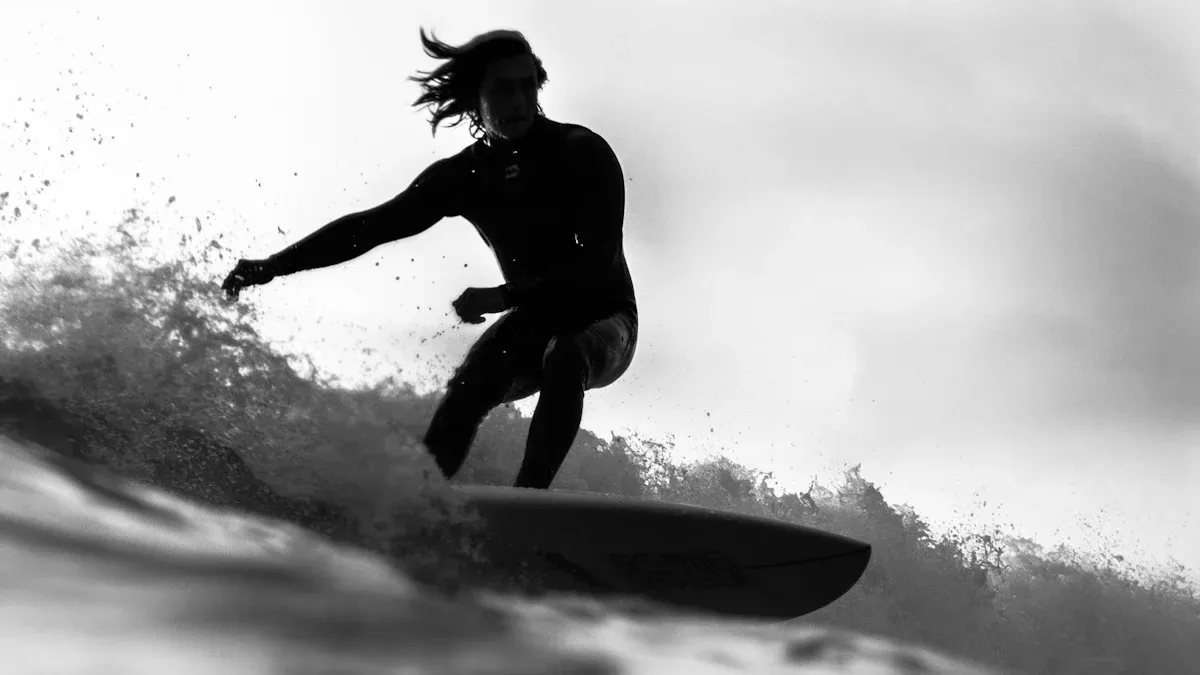
The art of not forcing is a big part of Wu Wei. This idea teaches people not to fight against how life goes. Instead, they can let things happen and trust what comes. Alan Watts said Wu Wei is "not forcing." This means acting with purpose but not pushing too hard. In martial arts like Tai Chi or Judo, students use energy at the right time. They do not waste energy fighting their opponent. They move with the flow, which brings better results.
Nature gives many lessons about letting things happen. Water moves around rocks and finds the easiest way. A reed bends in the wind and does not break. These show how patience and being flexible help people face hard times. Sometimes, waiting works better than rushing. A baker does not open the oven before the bread is done. By practicing non-action, people learn to trust and let things happen.
Tip: If you feel stuck, stop and see if you are forcing things. Try to step back and let the situation work out by itself.
Responding Naturally
Responding naturally means acting with care and calm. Wu Wei teaches people to trust and respond to life as it happens. Instead of trying to control everything, they watch, listen, and act only when needed. This way helps people feel calm and less stressed. For example, a leader who trusts the team and does not micromanage often gets better results. In daily life, someone who stays patient in traffic or accepts unfinished tasks is practicing not forcing.
Taoist teachers say to live simply and stay in the moment. They suggest balancing work and rest, letting go of wanting certain results, and practicing relaxed effort. By trusting the process, people find balance and let things grow on their own. The art of letting things happen helps everyone have less trouble and more peace. For practical applications in your career, learn about How Embracing Wu Wei Makes Work Less Stressful.
A lot of people think this old idea means being lazy or doing nothing. But Taoist scholars say it is about acting with purpose and calm. People do not try to force things to happen. They learn to go along with how life moves. This way helps people feel less stressed and more balanced. Over time, those who follow these ideas feel more peaceful and less upset. They also handle problems more easily. When people stop trying to control everything, they can find a happier and calmer way to live.
Pieces That Carry This Intention
A few pieces from the shop that sit close to what this article is about.


FAQ
What does Wu Wei really mean?
Wu Wei means acting with the natural flow of life. It is not about doing nothing. People practice effortless action and respond to situations without forcing things. This idea comes from taoist philosophy and helps people find balance and harmony.
Is misunderstanding Wu Wei common?
Many people have a misunderstanding Wu Wei. They often think it means laziness or passivity. In truth, Wu Wei teaches the art of not forcing and encourages engaged surrender. People learn to just be and trust the process.
How can someone start practicing non-action?
Someone can start practicing non-action by noticing when they try to control everything. They can pause, breathe, and let the art of letting things happen guide them. This helps them discover effortlessness and naturalness in daily life.
Does Wu Wei mean never taking action?
Wu Wei does not mean never acting. It means choosing the right moment to act. People who follow Wu Wei act with purpose and calm. They just do what is needed and avoid struggle. This brings more balance and harmony.
Can Wu Wei help with stress?
Embracing Wu Wei can help reduce stress. When people stop forcing outcomes and practice non-doing, they feel more peaceful. They learn to trust the process and enjoy life’s flow. This leads to a sense of engaged surrender and ease.
See Also
How Embracing WuWei Makes Work Less Stressful
What You Need to Know About Taoism’s Approach to Anxiety Through Wu Wei