
Warming vs. Cooling Foods: A Taoist Nutrition Guide

Warming vs. Cooling Foods in Taoist nutrition refers to how different foods affect your body’s energy. It’s not about the taste, spiciness, or temperature of the food. Foods are categorized into five groups: cold, cool, neutral, warm, and hot. This classification helps individuals choose foods that maintain their body’s balance. The impact of food on body heat and energy is crucial. For instance, hot foods can leave you feeling flushed and thirsty, while cooling foods can alleviate those sensations. By considering Warming vs. Cooling Foods, individuals can reflect on their meals and assess whether they feel better or worse after consuming certain foods.
Key Takeaways
Understand the thermal nature of foods. Warming foods boost energy, while cooling foods help calm the body.
Balance your diet with both warming and cooling foods. This helps maintain your body's energy and health.
Adjust your meals with the seasons. Eat cooling foods in summer and warming foods in winter for optimal health.
Pay attention to how foods affect your body. Notice if you feel better or worse after eating certain foods.
Incorporate fresh fruits and vegetables into your diet. They support your health and align with Taoist nutrition principles.
Warming vs. Cooling Foods Overview
Taoist Food Energetics
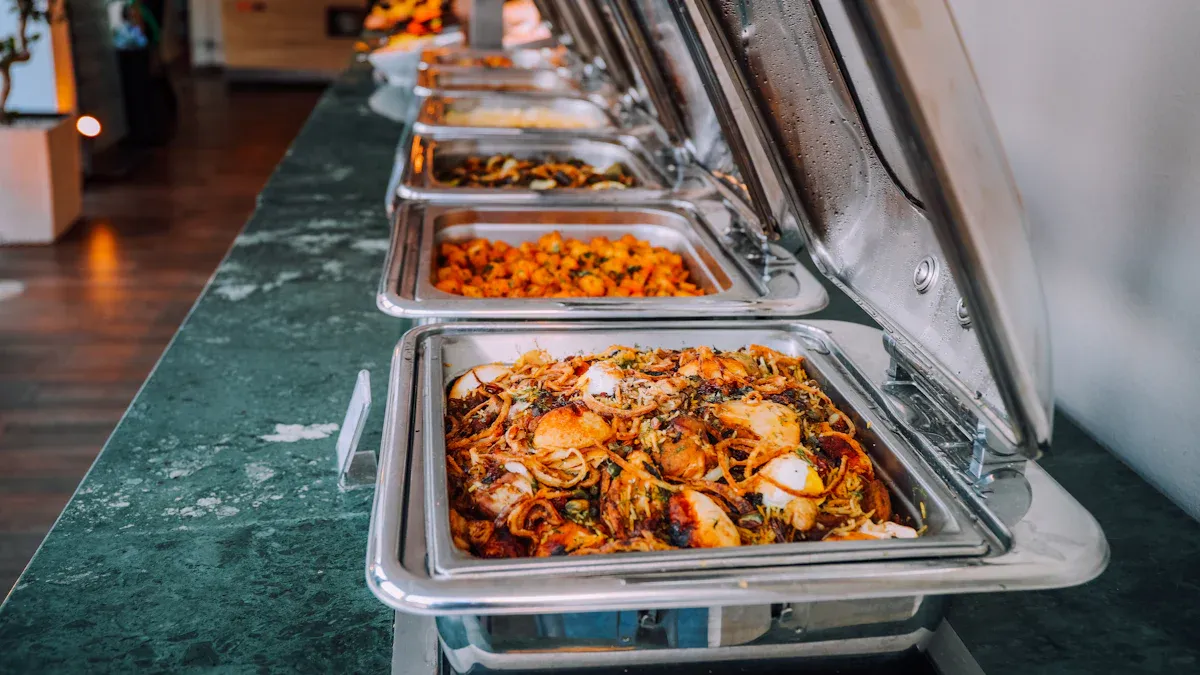
Taoist food energetics explains how food changes your body’s energy. Each food has a thermal nature in this system. Some foods make you feel warmer, and others make you feel cooler. This idea comes from traditional Chinese medicine and nutrition. Warming foods are things like red meat, ginger, and pepper. These foods boost yang energy and help blood move better. Cooling foods include leafy vegetables and sweet fruits. They help cool you down and calm your blood. The table below gives examples of different food energetics:
Type |
Examples |
|---|---|
Warming |
Onion, garlic, ginger, pepper, pungent spices, tomatoes, mangoes, coffee, red meat |
Cooling |
Sweet fruits, raw foods, leafy vegetables, cold drinks, bitter herbs |
Drying |
Crunchy foods, nuts, starchy grains, beans, roasted vegetables, green tea |
Damp |
Dairy, gluten foods, sweet fruits, sugar, eggs, slimy foods |
Food energetics helps people see how warming or cooling foods affect them. Many people think food can act like medicine and help you stay healthy.
Why It Matters
Warming and cooling foods are important for keeping your body’s energy balanced. Traditional Chinese medicine says food can help or hurt your health. Warming foods are good for people who feel cold or tired. Cooling foods help people who have too much heat inside, like those with rashes or heartburn. Cooling foods have lots of water and fiber. They help you stay hydrated, digest food, and clean out your body. Warming foods make your body work faster and can sometimes cause more inflammation.
In Chinese medicine, what you eat can help or hurt your health. The main idea is to pick foods that balance yin and yang and fit your body and where you live.
The Taoist diet says to eat mostly fresh fruits and vegetables. You can also have some seafood or meats and a little natural fat. This way of eating respects nature and helps your body and mind. Knowing about food energetics helps you make better choices for your health.
Thermal Nature of Foods Explained
The thermal nature of foods means how food changes your body’s energy. Taoist nutrition sorts foods into five groups: cold, cool, neutral, warm, and hot. This is not about how spicy or hot the food is. It is about what happens in your body after you eat it. For example, watermelon cools you down, even if it is not cold. Ginger makes you feel warmer, even if you put it in a cold meal.
Yin and Yang Balance
Yin and yang balance is very important in this system. Cooling foods are part of yin. Warming foods are part of yang. Keeping both sides balanced helps you stay healthy and avoid getting sick.
Foods are put into groups by how they warm or cool the body.
Yin foods cool you down, and yang foods warm you up.
Eating both types in the right way keeps you healthy and stops sickness.
Traditional Chinese medicine says balance in the body is important. What you eat helps keep this balance. Yin foods are usually moist and cool. Yang foods are dry and make you feel warm. If you feel too cold, you might need more yang foods. If you feel too hot, you might need more yin foods. Knowing about the thermal nature of foods helps you pick what is best for your own balance.
(To learn more about Taoism and energy, see Follow the Taoism Diet for More Energy.)
Seasonal Eating Tips
Taoist nutrition says you should change what you eat with the seasons. This helps you stay balanced and healthy all year.
Eat cooling foods like watermelon, cucumber, and mint when it is hot to cool down.
Do not eat too many spicy or greasy foods in summer because they can make you hotter and upset your stomach.
Eat yin foods like pears and seaweed to help your body when you sweat a lot.
Try to eat your biggest meal at lunch and smaller meals at night.
Drink teas with herbs like chrysanthemum and peppermint to help your body stay cool and calm.
Eat red foods and try meditation to help your heart and relax your mind.
The table below gives examples of foods for each season:
Season |
Recommended Foods |
Purpose |
|---|---|---|
Winter |
Cinnamon, Ginger |
Support circulation and warmth |
Summer |
Cucumber, Mint |
Maintain balance in hot weather |
When you know how foods affect your body and change what you eat for each season, you can help your health and keep your body balanced.
Warming Foods and Cooling Foods List
Warming Foods Examples
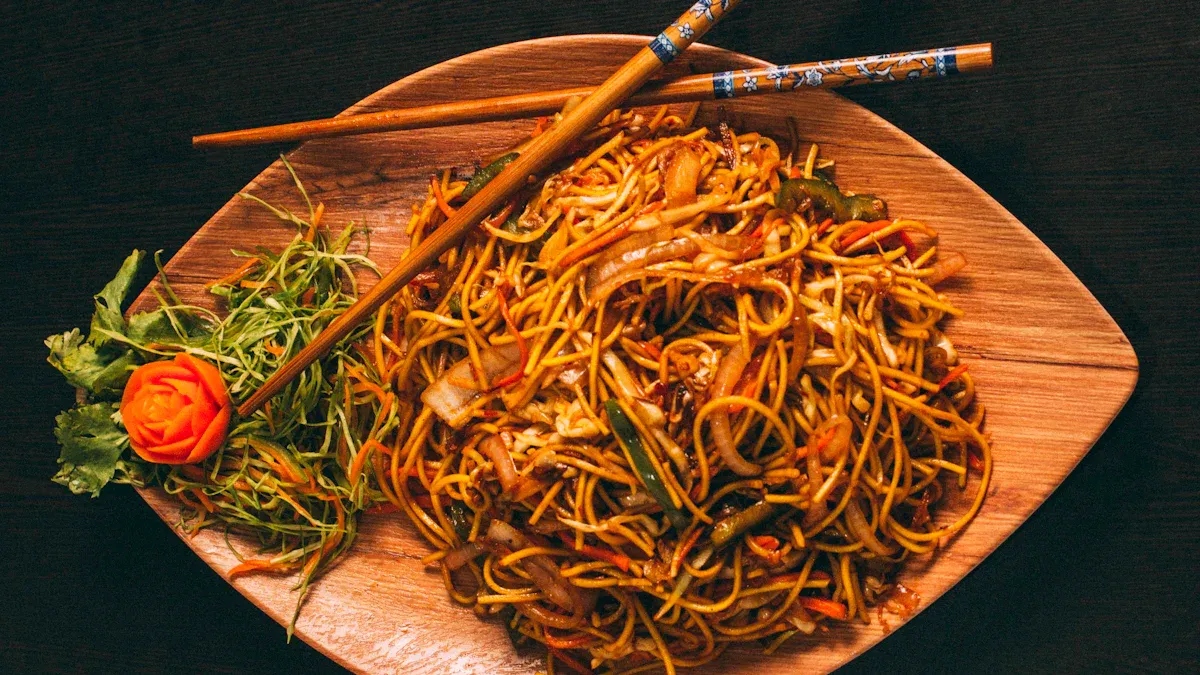
Warming foods are important in food energetics. They help the spleen and stomach work well. These foods help your body digest and use nutrients. Warming foods boost yang energy and fight cold inside you. People use these foods to feel more awake and stop bloating. They can also help you have more energy.
Common warming foods are:
Herbs: basil, chives, coriander, dill, fennel, parsley, rosemary
Spices: anise, cumin, cinnamon, cloves, ginger, black pepper
Vegetables: onion, leeks, parsnips, capsicums, spring onion, garlic
Other: dried or cooked fruits, nuts, honey, oats, quinoa, seeds, wild rice
Warming foods help you stay warm when it is cold. They help people who feel tired or have low energy. These foods help blood move and support yang. If you eat too many cooling foods, you might feel weak or cold. Adding warming foods can help you feel better.
Warming foods can stop too much cold and help your body’s energy.
Cooling Foods Examples
Cooling foods help your body get rid of extra heat. They calm inflammation and boost yin. Cooling foods balance warming foods. People use these foods if they have too much heat, like rashes or heartburn. Cooling foods help you stay hydrated and digest food.
Common cooling foods are:
Leafy greens: spinach, lettuce, bok choy, kale
Fruits: watermelon, cantaloupe, pear, apple, citrus fruits
Vegetables: cucumber, celery, zucchini, tomato
Other: tofu, mung beans, seaweed, bitter herbs, cold drinks
Cooling foods help you feel calm and refreshed. They lower extra heat and support yin. People eat these foods in hot weather or when they feel too warm. Cooling foods can help clean out toxins and keep you healthy.
Cooling foods help cool you down and help your body recover from heat.
Neutral Foods
Neutral foods do not warm or cool your body much. These foods help keep your body balanced. You can eat them any time of year. Neutral foods support both yin and yang. They are good for a healthy diet in Taoist nutrition.
Neutral Foods |
Classification |
|---|---|
Rice |
Neutral |
Potatoes |
Neutral |
Certain Legumes |
Neutral |
Neutral foods help your body stay steady. They do not make you too hot or too cold. You can use neutral foods to balance your meals and stay healthy.
Effects of Warming, Cooling, and Neutral Foods
Food energetics shows each food type affects your body differently. Warming foods boost yang and give you energy. Cooling foods boost yin and help you relax. Neutral foods keep your body balanced. Traditional Chinese medicine uses these groups to help people pick the right foods.
Evidence Type |
Description |
|---|---|
Traditional Habit |
Many people in China eat hot foods to fight germs. |
Inflammation Impact |
Hot foods can cause more inflammation and stress in your body. |
Neurochemical Effects |
Hot foods can change chemicals in your brain and affect how your body works. |
Warming and cooling foods help you learn how food changes your health. Food energetics and therapy help you pick foods that fit your needs. By learning about warming, cooling, and neutral foods, you can help your health and keep yin and yang balanced.
Finding Your Balance
Signs of Imbalance
Many people notice signs when their body’s energy is not balanced. These signs can happen if you eat too many warming or cooling foods. Your body might show symptoms like canker sores, nosebleeds, red eyes, or constipation. You might also get high blood pressure, anxiety, or trouble sleeping. Stress from things like traffic, bills, or not sleeping enough can also make your body unbalanced. Traditional Chinese medicine says you should pick warming or cooling foods based on the season, your body, and your health. New studies show that what you eat can affect your health. For example, people who do not like vegetables might get liver disease or osteoporosis more often. The foods you choose can change how you feel in your body and mind.
Dietary Pattern |
Health Outcomes |
|---|---|
Healthy Chinese Diet |
Better heart health, less risk of some diseases, better mood |
Animal-food Diet |
Higher risk of heart disease, diabetes, obesity, and feeling sad |
Western Diet |
More risk of obesity and feeling sad |
(To explore more about yin and yang balance in diet, check out How Does Taoism Support Lasting Health and Well-Being.)
Adjusting Your Diet
You can change what you eat to help your body stay balanced and healthy. In Taoist nutrition, people look at their body and health to pick the right foods. Warming foods like ginger and garlic help people who feel cold or have slow blood flow. Cooling foods like cucumber and watermelon help people who feel too hot or get upset easily. Food can act like medicine in traditional Chinese medicine. Experts say you should eat foods with lots of water, like coconut water, leafy greens, and buttermilk, to cool down. They also say to avoid hot, oily, spicy foods, too much salt, alcohol, and red meat.
Eating a balanced diet helps your body’s energy and keeps you from getting sick.
There are different ways to check if your diet is balanced:
Method/Tool |
Description |
|---|---|
Energetic Properties |
Foods are checked by their nature, taste, and which organ they help |
Preparation Techniques |
How you cut, cook, or keep your food |
Holistic Approach |
Looks at your health, body, and where you live |
The Five Elements and talking to a nutrition expert can help you learn how food affects your body. By picking the right foods, you can balance your energy and stay healthy for a long time.
Knowing how food affects your body’s warmth or coolness can help you stay healthy. When people pick foods that fit their own body, they often feel more balanced. Experts say the way food is heated or cooked can change how healthy it is:
Key Benefits |
Limitations |
|
|---|---|---|
Pasteurization |
Keeps nutrients and kills bacteria |
Some germs may stay |
Sterilization |
Kills all germs |
Can lower nutrients |
Blanching |
Keeps food fresh and stops enzymes |
Not good for storing food a long time |
You can notice how your body feels after eating warming or cooling foods. Some people feel better when they eat local foods that are in season. You can try easy things like taking deep breaths before eating, paying attention while you eat, and enjoying each bite. Many people say they feel healthier after following Taoist nutrition ideas. If you want to learn more, you can look at books like "Understand the Thermal Nature of Foods According to Chinese Medicine" or take a class like "Chinese Medicine Food Therapy Course.
Pieces That Carry This Intention
A few pieces from the shop that sit close to what this article is about.


FAQ
What makes a food warming or cooling in Taoist nutrition?
Taoist nutrition looks at the effect food has on the body’s energy. Warming foods increase yang and body heat. Cooling foods boost yin and help lower heat. The effect does not depend on temperature or spiciness.
What are signs someone needs more warming or cooling foods?
People who feel cold, tired, or sluggish may need more warming foods. Those with red skin, rashes, or feeling hot may need more cooling foods. Everyone should watch for changes in energy and comfort.
What is the best way to start balancing warming and cooling foods?
Start by noticing how your body feels after eating different foods. Try adding more fruits and vegetables in summer. Use more warming spices and cooked foods in winter. Adjust choices based on how your body responds.
What foods are considered neutral in Taoist nutrition?
Neutral foods do not change body temperature much. Examples include rice, potatoes, and some legumes. These foods help keep the body steady and balanced.
What role does season play in choosing warming or cooling foods?
Season affects the body’s needs. People eat more cooling foods in summer to stay comfortable. In winter, they choose warming foods to support warmth and energy. Seasonal eating helps maintain balance.