
The Universal Appeal of Taoist Principles Beyond Cultural Boundaries

The Tao shows a pattern in nature, people, and the world. Every person can find the Tao in daily life. The universal appeal of Taoist wisdom comes from simple ideas. People notice harmony when they watch the sky or listen to music. Universal principles from the Tao help people grow and understand themselves.
Key Takeaways
Taoism says harmony is very important. Watching nature helps people feel balanced in life.
Self-cultivation is a big part of Taoism. It helps people grow and learn about themselves.
Effortless Action means going with the flow. Being mindful helps people feel calm. Letting go of control can lower stress and bring peace.
Taoist ideas focus on being simple. Living a simple life makes things clear. It helps people feel happier.
Flexibility matters a lot in Taoism. Changing when needed helps people stay balanced. It keeps harmony even when things get hard.
Universal Appeal of Taoism
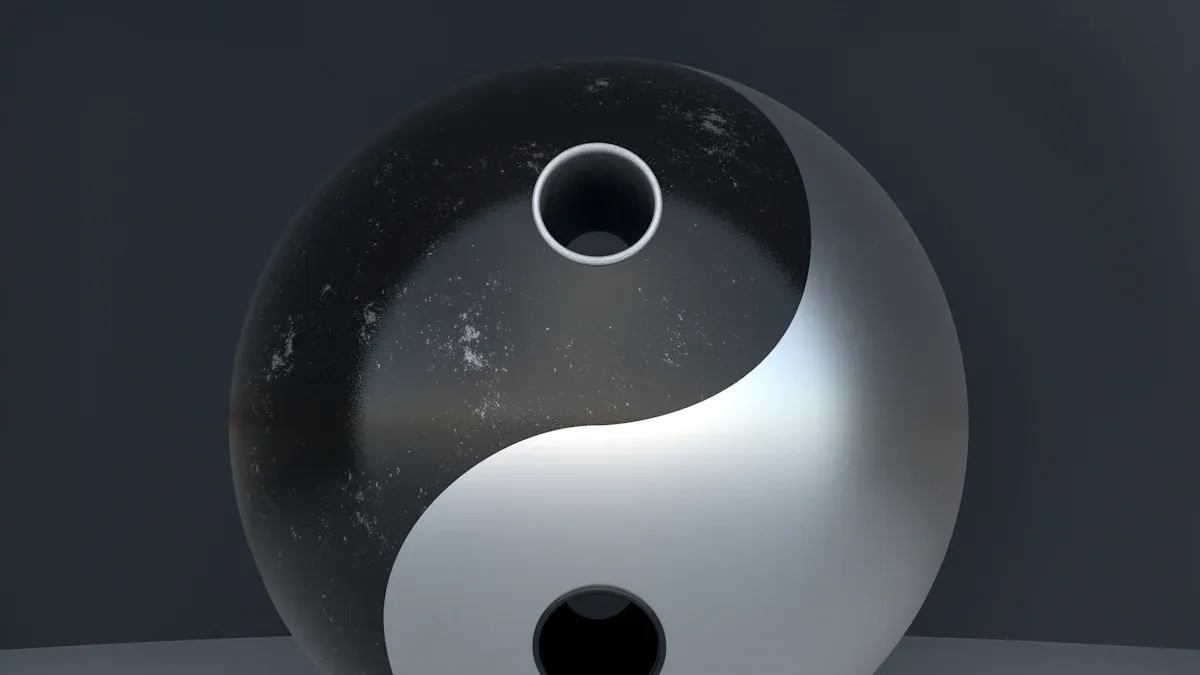
Harmony with the Tao
Harmony is very important in Taoism. The Tao is a pattern that links everything. Taoism is popular because it teaches people to live in harmony with nature, others, and themselves. Many cultures care about balance and peace. This matches the Taoist idea of harmony. The Tao says anyone can find harmony by watching the world and seeing how things fit. Living in harmony means respecting the Tao in what you do, think, and how you treat others.
The Tao tells people to notice how life moves and to change when needed. This helps people feel calm and connected to the world around them.
Some people think doing Tai Chi Chuan makes you a Taoist. The table below lists other wrong ideas about Taoist principles:
Misconception |
Explanation |
|---|---|
Practicing Tai Chi Chuan makes one a Taoist. |
This is not true. Doing Tai Chi Chuan is like saying doing hatha yoga makes you Hindu. These activities can help you learn, but you do not need them to follow the Tao. |
Taoism is easily understood without extensive study. |
Taoism is hard to understand. If you do not study a lot, you might get the wrong idea and share it with others who do not know about Taoism. |
Incorrect translations of Taoist texts are reliable. |
Many popular translations of the Tao Te Ching and Chuang Tzu are wrong and lose their real meaning. This causes many people, especially in the West, to get the wrong idea about Taoism. |
Taoism can be treated as a secondary philosophy to other religions. |
You can use Taoist ideas with other beliefs, but real Taoism is different from other religions. Some religions, like Christianity, may not agree with Taoist ideas. |
(To learn more about harmony in daily life, see How Taoism Began: The Ancient Chinese Philosophy of Balance and Harmony.)
Self-Cultivation
Self-cultivation is a big part of Taoism. The Tao helps people get better by learning who they really are. Self-cultivation is popular because it helps people grow and be true to themselves. Many studies show self-cultivation in Taoism is good for mental health.
The Tai Chi Model of Self shows how people change from basic to supreme nature by following Taoist ideas.
The model talks about True Person, where people understand life deeply. This is like how old Chinese artists felt and supports the good effects of self-cultivation.
Taoist self-development has four parts, each based on old ideas. Using these ideas helps people think better and change for the better.
Self-cultivation asks people to think, change, and find harmony with the Tao. This helps people find meaning and purpose. That is why Taoism is liked in many cultures.
(To explore more about Tai Chi and how to start, check out What Makes Tai Chi a Taoist Martial Art Beyond Health Benefits.)
Natural Flow
Natural flow, called Effortless Action, is a main idea in Taoism. The Tao teaches people to act without forcing things and let life happen. This idea is popular because it connects to mindfulness and wellness everywhere. Effortless Action means letting go and following the Tao’s way. This helps people feel less stress and more peace.
People use natural flow by:
Paying attention to now.
Not holding on to certain results, like how they look.
Living with their own natural rhythms to feel healthier.
Modern psychology says Effortless Action is helpful. Ideas like being present and letting go are also in mindfulness and therapy. The Tao tells people to accept change and trust how things happen. Living with the Tao brings balance, which is why Taoism is liked by many.
The Tao teaches that things always change. People who follow the Tao learn to change, grow, and find harmony in every situation.
Taoist Principles in the Tao Te Ching
Yin and Yang Balance
The Tao Te Ching shares many lessons about balance. Taoism teaches that everything in life has two sides. People see this in day and night, hot and cold, or joy and sadness. The Tao shows that balance is not just about opposites. It is about how these forces work together. The Tao helps people understand that balance brings harmony.
The Tao Te Ching describes how the Tao creates everything. It explains that all things carry yin and embrace yang. These forces mix and create balance in the world. Taoism uses this idea to help people find peace in their lives. The Tao guides people to accept both sides and look for harmony.
The Tao gave birth to the One.
The One gave birth to the Two.
The Two gave birth to the Three.
The Three gave birth to all of creation.
All things carry yin and embrace yang; they achieve harmony by combining these forces.
People in many cultures use the idea of balance from Taoism. They look for ways to bring balance into their homes, schools, and communities. The Tao teaches that balance is not a fixed point. It changes as life changes. Taoism encourages people to notice these changes and adjust to keep balance.
(If you're interested in yin and yang balance, read our article on Understanding What Yin and Yang Is in Everyday Life.)
Simplicity
Simplicity is a key lesson in the Tao Te Ching. Taoism values simple living. The Tao shows that people do not need many things to be happy. The Tao teaches that less is often better. Taoism helps people focus on what matters most.
The Tao Te Ching says that simple actions lead to true balance. People who follow the Tao choose simple words and simple habits. They avoid things that make life too busy or stressful. Taoism guides people to clear their minds and find peace in simple moments.
A table below shows how simplicity from Taoism can help people in daily life:
Taoist Simplicity Practice |
Everyday Benefit |
|---|---|
Using few words |
Clear communication |
Owning less |
Less stress |
Eating simple foods |
Better health |
Spending quiet time |
Calm mind |
People around the world use these Taoist practices. The Tao helps people find balance by removing what is not needed. Taoism teaches that simplicity brings freedom and joy. The Tao guides people to live with less and appreciate more.
Flexibility
Flexibility is another important principle in the Tao Te Ching. Taoism teaches that the Tao moves and changes. People who follow the Tao learn to bend and adapt. The Tao shows that being flexible helps people keep balance in hard times.
The Tao Te Ching encourages leaders to guide instead of control. Leaders let others make choices. They step back and let others celebrate their own success. Taoism teaches that yielding is a strength. The Tao helps people manage their actions and not force others.
Leaders are encouraged to guide rather than dictate, allowing others to make their own choices.
Emphasizing the importance of stepping back to let others celebrate their achievements fosters a flexible leadership style.
The principle of yielding flexibility is highlighted as a way to manage one's own actions instead of trying to control others.
People in many countries use Taoist flexibility in schools, families, and workplaces. The Tao teaches that flexibility keeps balance when life changes. Taoism helps people stay calm and open to new ideas. The Tao guides people to accept change and grow.
The Tao Te Ching has influenced thinkers and leaders outside China. Many people use Taoist insights to solve problems and make decisions. The Tao helps people find balance by being flexible and open. Taoism shows that balance, simplicity, and flexibility work together to create harmony.
Taoism Across Cultures

Global Parallels
Taoism has ideas like other world beliefs. The Tao shows up in many cultures. In Japan, people follow Shinto. Shinto has kami, which are nature spirits like the Tao. The Lakota talk about Wakan Tanka. This means the Great Mystery, which is sacred and like the Tao. Australian Aboriginal Dreamtime tells about a world people cannot fully understand, much like the Tao. Wicca teaches about a force that connects everything, which is like the Tao’s idea of harmony.
Tradition |
Concept/Term |
Description |
|---|---|---|
Shinto |
Kami |
Nature spirits, like the Tao, hard to describe. |
Lakota |
Wakan Tanka |
The Great Mystery, sacred and hard to understand. |
Australian Aboriginal |
Dreaming/Dreamtime |
A sacred world under everything, people cannot fully know it. |
Wicca |
Universal Force |
A force under creation, like Taoist ideas, brings harmony. |
Taoism and Socratic philosophy both care about living well. Taoism teaches people to get better by following the Tao. Socratic thought wants people to be wise and good. Taoist ethics, like Wu Wei, say people should act with flexibility. Western ethics often want people to act directly and strongly. The Tao likes actions that happen naturally, which makes Taoism different.
Modern Applications
People use Taoism in jobs and schools everywhere. The Tao helps leaders make places where harmony can grow. Google’s 20% Time lets workers follow their interests. This shows Wu Wei in real life. The Toyota Production System uses Taoist ideas too. It lets work happen naturally and lets workers share ideas. These ways help people find balance and let the Tao guide their work.
Movies and books also share Taoist ideas. Films about Taoism reach people all over the world. This makes the Tao easier to learn. Taoist movies use stories and pictures to show beliefs and rituals. This helps people feel close to the Tao. Movies help Taoism join global talks and inspire new ways to find harmony.
Aspect |
Description |
|---|---|
Accessibility |
People everywhere can learn about Taoism from movies, which helps them understand and accept it. |
Cultural Transformation |
Movies help Taoism join global talks and make it more popular. |
Communication |
Taoist movies use pictures and sounds to share ideas and rituals, making them easier for everyone to understand. |
Global Reach |
Taoist movies go beyond borders, so many people can learn about Taoism, not just in China. |
Diverse Testimonials
People from many places say Taoism helps them. Gerard Wouters from Holland says Taoist ideas help him and women business owners find balance. One writer uses Taoism to turn a hard time into something good. Taoist teachings help people grow, feel strong, and see their link to the world. These stories show the Tao brings harmony and meaning to life, no matter where people live.
Taoism helps people everywhere find the Tao in their own way. The Tao brings growth, balance, and harmony to all cultures.
Benefits Beyond Culture
Personal Well-being
Taoism gives people ways to feel better every day. The Tao teaches people to match their minds and bodies with the universe. This helps people feel happier and healthier. Old Taoist wisdom says exercises like life energygong help people use life energy, or breath, for good health and long life. People who do these exercises often say they have more energy and feel less stress. Taoist ways help people let go of worries and accept change. When people follow the Tao, they learn to go with the flow and find peace in each moment.
Taoist ways help the body match the universe for better health.
Old records show exercises that use life energy for health and long life.
Today, people still do life energygong to feel better.
Taoism says letting go of stress and following the Tao brings real harmony. People who follow the Tao often feel happier and see life in a better way. The Tao helps people accept change and trust how life moves.
Social Harmony
Taoism helps people get along by teaching respect and balance. The Tao tells everyone to be kind and fair to others. In daily life, people who follow the Tao listen more and judge less. Taoist ideas help people let go of anger and accept change in relationships. The Tao shows that harmony grows when people accept differences and work together. Taoism says real harmony comes from understanding and patience.
People use Taoist ideas to solve problems in families, schools, and communities. The Tao helps people let go of pride and look for peace. When people follow the Tao, they make places where everyone feels important. Taoism helps people find balance with others and supports working together.
Environmental Awareness
Taoism teaches people to respect nature and the world. The Tao shows that all life is connected by a natural flow. Taoist monks in China help protect the environment by making groups that care for nature. They build temples that use biofuels, plant trees, and clean up trash. The Qinling Agreement shows their promise to help the earth. In China, leaders also support caring for nature, showing how important it is in Taoist thinking.
Taoism values living in harmony with nature, acting easily, and keeping balance. These ideas help people see why we must care for the earth. The Tao helps people stop bad habits and accept change for a healthier world. By following the Tao, people learn to respect life’s flow and take care of the planet.
Taoism says letting go and accepting change makes life better for people, communities, and the earth.
Taoist Benefit |
Impact on Life |
|---|---|
Personal well-being |
Better health, less stress |
Social harmony |
Peaceful relationships |
Environmental awareness |
Protection of nature and all life |
Integrating Taoism Worldwide
Mindfulness Practices
People everywhere use the Tao to help with mindfulness. The Tao says energy moves in a natural way. People meditate to feel this energy. In schools, teachers use the Tao to help students focus. This helps students feel calm. Jack Miller says the Tao helps teachers show love and mindfulness. This helps students feel close to nature and each other. Meditation helps people notice their breath and energy. The Tao tells everyone to slow down and listen. Wu Wei, or effortless action, is important in these practices. People learn to let go and follow life’s flow. Meditation and Wu Wei help people find peace and balance.
Decision-Making
Leaders in big groups use the Tao to make good choices. The Tao says self-awareness and self-cultivation are important for leaders. Wu Wei helps leaders act with less force and more flow. The table below shows how the Tao shapes choices:
Principle |
Description |
|---|---|
Self-awareness |
Leaders know their own energy before leading others. |
Authenticity |
Leaders act true to themselves and match actions to values. |
Self-cultivation |
Leaders grow their energy and inspire others. |
Influence |
Leaders use their energy to guide teams and make good changes. |
Purpose-driven |
Leaders focus on long-term goals that help people and nature. |
The Tao helps leaders stay calm and use Wu Wei to solve problems. Meditation helps leaders think clearly and feel the energy in each moment. The Tao also helps people keep balance in the digital world. It helps people change and use energy in smart ways.
Conflict Resolution
The Tao gives ways to solve problems peacefully. Wu Wei teaches people to use gentle energy and not force things. The Tao values harmony and respect for differences. In places with many cultures, the Tao helps people accept each other and find common ground. Some places have trouble using the Tao because they want everyone to be the same. This can cause problems and stop the natural flow of energy. The Tao reminds people to let go of strict ideas and follow the flow. Meditation and Wu Wei help people listen, understand, and find peace. International groups use the Tao to guide projects that protect nature and support harmony. The Tao teaches that energy, flow, and Wu Wei can bring peace to the world.
Taoist principles give useful advice to people everywhere. The Tao teaches people about balance and harmony. It also shows how everything is connected. People from different places use the Tao for personal growth. The Tao helps people notice what happens in daily life. Qigong and Tai Chi are practices that help people feel better. The Tao inspires people to be mindful and care for nature. It helps people find balance in a busy world. Studies from many cultures show the Tao helps people manage feelings and get along with others. The Tao gives deep ideas to people who want meaning. The Tao asks everyone to think about its importance and become more aware.
The Tao gives deep ideas and helps people notice more in life.
The Tao helps people grow, stay healthy, and live in harmony.
Aspect |
Description |
|---|---|
Philosophical Influences |
The Tao helps people handle feelings and notice more. |
Emotional Regulation |
The Tao guides how people react and notice their feelings. |
Interpersonal Connections |
The Tao teaches people to get along and notice others. |
The Tao is always a way to learn and find deep ideas for anyone who follows its path.
Pieces That Carry This Intention
A few pieces from the shop that sit close to what this article is about.


FAQ
What does Lao Tzu teach about emptiness?
Lao Tzu says emptiness is not just nothing. Emptiness lets things change and grow. People can feel calm when they understand emptiness. Lao Tzu uses emptiness to show why space and quiet are important.
What is the interconnectedness of life in Taoism?
Taoism says everything is connected. Lao Tzu talks about life as a web. People, nature, and events are all linked. Lao Tzu teaches that what you do affects others. This idea helps people care for all living things.
What role does transformation play in Taoist practice?
Transformation means things change. Lao Tzu says change happens on its own. People learn and grow when they change. Lao Tzu uses emptiness to explain how change begins. Transformation helps people try new ideas and find balance.
What is the meaning of emptiness in daily life?
Emptiness means having space for new things. Lao Tzu says emptiness gives people room to grow. People use emptiness to clear their minds. Lao Tzu shows emptiness helps people listen and learn. Emptiness brings calm and balance.
What timeless Taoist insights does Lao Tzu offer?
Lao Tzu shares Taoist ideas about emptiness, connection, and change. He teaches emptiness brings wisdom. Lao Tzu shows how everything is linked in life. His ideas help people find peace and harmony.
See Also
How Taoism Began: The Ancient Chinese Philosophy of Balance and Harmony
What Makes Tai Chi a Taoist Martial Art Beyond Health Benefits