

Top 5 Taoist Mantras to Recite with Prayer Beads

You may see more people using Taoist Mantras and prayer beads for meditation now. This practice is easy and works well, even if you are new or have done meditation for a long time. (For those interested in the foundational beliefs that inform Taoist practices like mantra meditation, The Core Principles of Taoism offers a clear and insightful overview.)
Mantra meditation can help lower anxiety and stress.
Saying mantras with beads uses your body, voice, and mind.
Choose a mala that feels good to you. It can make your meditation feel special and important.
Key Takeaways
Taoist mantras can really help lower stress and worry. They help you feel calmer and peaceful. -
Using prayer beads, also called mala, makes meditation better. They help you stay focused and connected to what you are doing. -
Pick a mantra that feels right for you. This will make your meditation and spiritual connection stronger.
Top 5 Taoist Mantras
Mantra List
Here are five Taoist Mantras that many people use with prayer beads. These mantras come from ancient texts and traditions. You can find their roots in classic Taoist works like the Tao Te Ching, Chuang Tzu, Lieh Tzu, and Wen Tzu. These texts have shaped Taoism for centuries.
Tai Shang Lao Jun (太上老君)
Qing Jing Jing (清静经)
Wu Wei (无为)
Tao Te Ching Verses (道德经)
San Qing (三清)
Tip: You do not need to chant these mantras in perfect Chinese. The feeling and intention matter most. If you want, you can learn the sounds, but you can also use translations that speak to your heart. (To deepen your understanding of the origins and historical significance of prayer beads, you might enjoy reading What is the History Behind Prayer Beads. This will provide a comprehensive view of how these tools have been used across various spiritual practices.)
Brief Descriptions
Let’s look at what makes each of these Taoist Mantras special. You might notice that each one brings a different energy and focus to your meditation.
Mantra |
What It Means |
Why People Use It |
|---|---|---|
Tai Shang Lao Jun |
Honors the Grand Supreme Elderly Lord |
Invokes wisdom and protection |
Qing Jing Jing |
Means "Classic of Purity and Stillness" |
Helps you find inner peace and clarity |
Wu Wei |
Means "Effortless Action" |
Teaches you to flow and let go of stress |
Tao Te Ching Verses |
Verses from the Tao Te Ching |
Connects you to the core of Taoist thought |
San Qing |
Honors the Three Pure Ones |
Brings balance and spiritual harmony |
You might wonder why these five mantras stand out. Ancient manuscripts, like the Five Emperors in the Five Directions, show how these mantras blend local traditions with the wisdom of Taoist classics. This mix makes them important in both history and daily practice.
When you recite Taoist Mantras, you do more than repeat words. You help your mind relax and focus. Many people say that chanting mantras can lower stress and anxiety. The rhythm of the words helps you pay attention and feel calm. Some even notice that their mood improves and meditation feels deeper.
Stress reduction: Mantra practice can quiet your mind and help you feel less anxious.
Enhanced focus: The steady rhythm of chanting keeps your thoughts clear.
Emotional resilience: Positive words in mantras can make you feel stronger and more hopeful.
Deeper meditation: Chanting can help you relax and express your feelings in a safe way.
You do not need to be an expert to start. Just pick one mantra that speaks to you. Use your prayer beads to keep track as you chant. Over time, you may notice your mind feels lighter and your spirit feels stronger.
Prayer Beads in Taoism
Symbolism
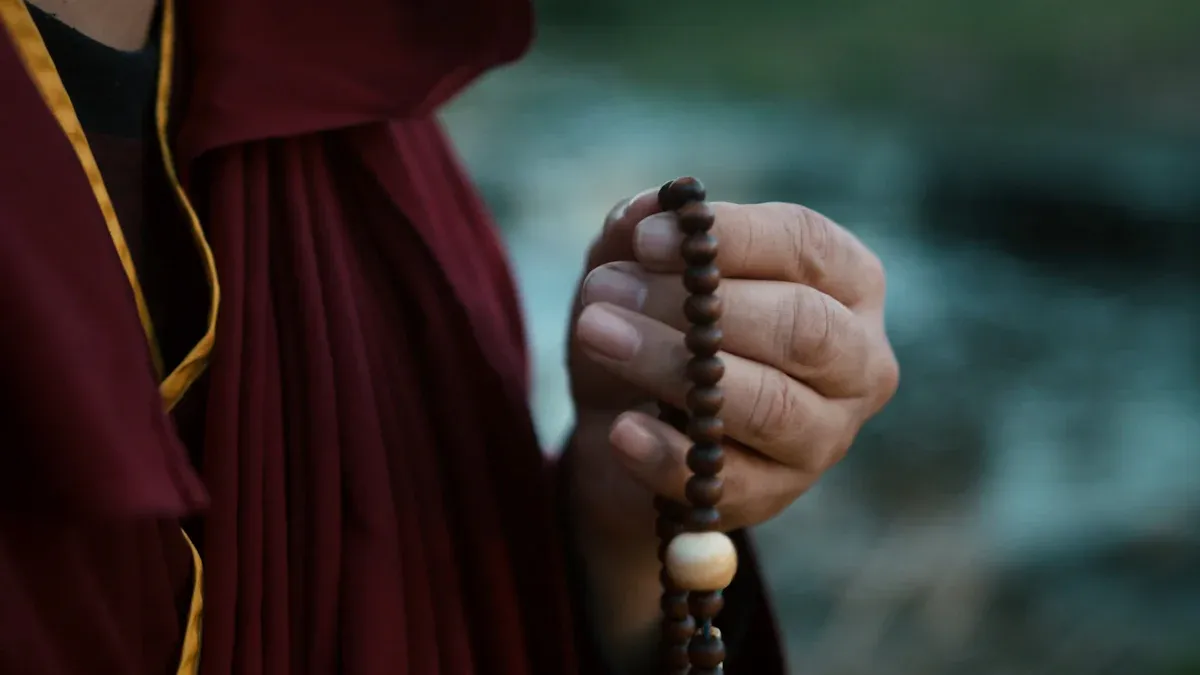
Prayer beads, called Liu Zhu, are important in Taoism. When you use them, you feel close to nature and the universe. Each bead helps you pay attention and slow your breathing. People have used these beads for a long time. They are not just for counting prayers. They also help with meditation and staying focused every day.
Let’s see how prayer beads have changed:
Historical Aspect |
Description |
|---|---|
Origin |
Started in ancient China for counting prayers and breaths. |
Early Use |
Farmers and monks used them to count chants or mantras. |
Evolution of Design |
First, beads were simple. Later, they had dragon and cloud designs as beliefs changed. |
Purpose |
Used for counting prayers, then for meditation and breathing. Temples have special rituals. |
Family Tradition |
Families gave beads to each other. Stories made them more meaningful. |
The number of beads is not always the same. Some have 18, 27, or 108 beads. This depends on what people believe or family customs. Many people think prayer beads make Taoist Mantra meditation feel more special. Additionally, to appreciate how prayer beads are used worldwide across different belief systems, check out Exploring the Global Influence of Prayer Beads in Different Cultures. This exploration highlights the diverse spiritual significance and practices surrounding prayer beads globally.
Selecting a Mala
Picking a mala is a personal choice. You want one that feels good in your hand. It should match what you want to focus on. Taoist teachers say to choose beads based on the energy you need. Here is a simple guide:
Energy Focus |
Recommended Beads |
|---|---|
Appeasement |
Crystal, mother-of-pearl, light colors |
Increasing life span, knowledge, merit |
Gold, silver, copper, lotus seeds, mulberry wood |
Dominance |
Red sandalwood, strong-smelling beads, coral |
Subjugation |
Rudrakaksha seeds, bone, iron, turquoise, acacia, black thorn |
You can pick a mala by color too. If you like a certain deity or energy, choose a color that matches. Some people pick red for strength, green for healing, or blue for calm. The most important thing is your mala should feel special. When you hold it, you should feel ready to focus and say your Taoist Mantras.
Taoist Mantras and Meditation
Japa Practice
Japa practice means repeating a mantra over and over. You use your prayer beads to keep count. Each bead helps you focus on the sound and meaning of the words. When you do Japa, you can sit quietly or walk slowly. You move one bead for each repetition. This simple action keeps your mind from wandering. You may notice your breath slows down. Your body feels calm. Your thoughts become clear. Japa practice with Taoist Mantras can help you connect with your inner self and the natural world.
Tip: Try to set a gentle rhythm. Let your voice and breath flow together. If you lose count, just start again without worry.
Tao Te Ching Verses
Many people use verses from the Tao Te Ching as mantras. These verses carry deep wisdom and guide you toward peace. Some chapters are favorites for meditation because they talk about stillness, balance, and the mystery of life.
Here are some popular chapters and what they mean:
Chapter |
Significance |
|---|---|
1 |
The nature of the Tao |
16 |
The state of meditation and its goal |
25 |
The greatness of the Tao |
28 |
Balance of opposites |
33 |
Self-knowledge and humility |
40 |
Returning to the source |
41 |
Wisdom of the sage |
42 |
Unity of all things |
45 |
Clarity and stillness |
48 |
Effortless achievement |
56 |
Importance of stillness |
62 |
The profound mystery of the Tao |
63 |
Effortless action |
64 |
Importance of preparation |
76 |
Strength and softness |
You can pick a verse that speaks to you. For example:
Chapter 16 helps you find stillness.
Chapter 45 reminds you that a clear mind brings harmony.
Chapter 62 calls the Tao the "Profound Mystery of All Things."
Repeating these verses as mantras can help you feel calm and connected.
Tai Shang Lao Jun
Meaning
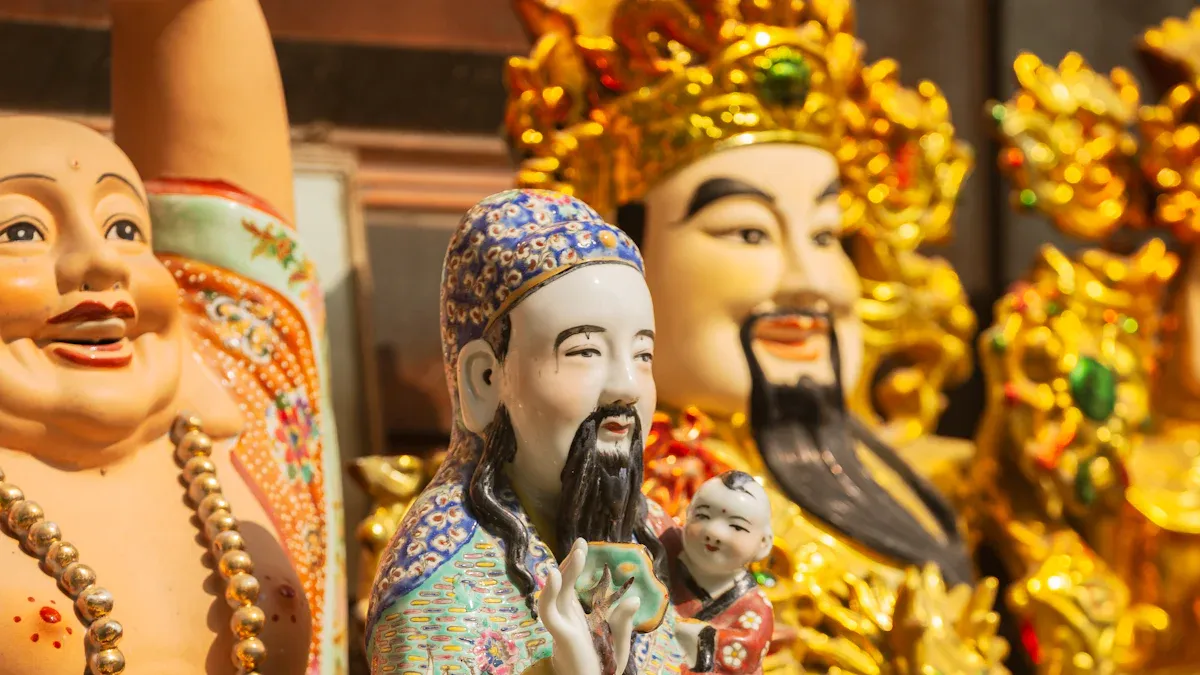
Tai Shang Lao Jun means "The Grand Supreme Elderly Lord." Many people in Taoism see him as a wise teacher and a symbol of pure wisdom. You might hear stories about him as a guide who helps people find balance and peace. When you say his name, you invite his wisdom and protection into your life. This mantra honors the spirit of learning and kindness. It reminds you to stay humble and open to new ideas. Tai Shang Lao Jun stands for the highest good and the path of harmony.
When you focus on this mantra, you can feel a sense of calm and support. It is like having a wise friend by your side.
Recitation
You can use your prayer beads to recite the Tai Shang Lao Jun mantra. Hold your mala in your right hand. Start at the main bead, often called the guru bead. Move one bead for each repetition. Say the mantra out loud or in your mind: "Tai Shang Lao Jun." Try to match your breath with your words. If you want, you can add a short prayer for wisdom or protection.
Here is a simple way to practice:
Find a quiet place to sit.
Hold your prayer beads gently.
Close your eyes and take a deep breath.
Repeat "Tai Shang Lao Jun" for each bead.
When you finish, sit quietly for a moment and notice how you feel.
You can use this mantra alone or with other Taoist Mantras. Over time, you may notice more peace and clarity in your daily life.
Qing Jing Jing
Meaning
Qing Jing Jing means "Scripture of Purity and Tranquility." When you recite this mantra, you invite calm and clarity into your mind. The Qing Jing Jing comes from a time when Taoism and Buddhism influenced each other. This scripture blends ideas from both traditions. It teaches you to let go of worries and find peace inside yourself.
You might notice that the words focus on purity and stillness. These ideas help you clear away distractions. The Qing Jing Jing encourages you to return to your natural state. You do not have to force anything. Just let your mind settle, and you will feel more balanced.
The Qing Jing Jing reminds you that true peace comes from within. You do not need to search outside yourself for calm.
Recitation
You can use your prayer beads to recite the Qing Jing Jing mantra. Start by finding a quiet spot where you feel comfortable. Hold your mala in your hand. Begin at the main bead. Move one bead for each repetition. You can say the full scripture or choose a short phrase, like "Purity and Tranquility."
Here is a simple way to practice:
Sit down and close your eyes.
Take a deep breath and relax your shoulders.
Repeat the mantra softly or in your mind.
Move one bead for each repetition.
Focus on the feeling of peace with every word.
If your thoughts wander, gently bring your attention back to the mantra. Over time, you may notice that your mind feels clearer. Many people find that Qing Jing Jing helps them stay calm during stressful times. You can add this to your list of Taoist Mantras for daily practice.
Wu Wei
Meaning
Wu Wei means "Effortless Action." You might think this sounds strange at first. How can you act without effort? In Taoism, Wu Wei teaches you to move with the flow of life instead of fighting against it. You let things happen naturally. You trust your instincts and respond to what is around you.
Taoist scholars often talk about Wu Wei using these ideas:
Effortless action: You do what feels right in the moment. You do not force things.
Non-interference: You let nature and people be themselves. You step back and watch things unfold.
Spontaneity: You act with a clear mind. You trust your first thought or feeling.
When you practice Wu Wei, you learn to relax. You stop worrying about controlling everything. You find peace by letting go.
Tip: Wu Wei does not mean doing nothing. It means doing just enough and letting the rest happen on its own.
Recitation
You can use your prayer beads to recite the Wu Wei mantra. Hold your mala gently. Start at the main bead. With each bead, say "Wu Wei" softly or in your mind. Try to match your breath with the words. Let your body relax as you chant.
Here is a simple way to practice:
Sit comfortably and close your eyes.
Take a slow, deep breath.
Repeat "Wu Wei" for each bead.
Focus on the feeling of ease and flow.
If your mind wanders, just come back to the mantra. Over time, you may notice you feel lighter and more at peace. Wu Wei helps you remember that sometimes, the best way is the simplest way.
Tao Te Jing
Meaning
The Tao Te Ching stands as one of the most important texts in Taoism. When you recite a mantra from the Tao Te Ching, you connect with ancient wisdom. This text teaches you how to live in harmony with the universe. It helps you see that everything in life is connected. You learn that differences between things are not as real as they seem. Everything comes from the Tao.
Here’s what makes the Tao Te Ching special in your spiritual practice:
The Tao Te Ching guides you to live with virtue and kindness.
It shows you how to let go of worries and accept things as they are.
You discover that all things in nature belong together.
The text reminds you that true strength comes from being gentle and flexible.
When you chant verses from the Tao Te Ching, you invite peace and balance into your life. You start to feel more open and calm.
Recitation
You can use your prayer beads to recite a Tao Te Ching mantra. This practice helps you focus and brings the teachings into your daily life. Here’s a simple way to get started:
Hold your mala in your right hand. Use your thumb to move each bead.
Begin at the bead next to the guru bead. Take a deep breath.
Recite your chosen Tao Te Ching verse, either out loud or in your mind, for each bead.
Move through the beads, breathing deeply and staying present.
When you reach the guru bead, pause and give thanks for the wisdom you received.
If you want to continue, turn the mala around and start again.
Tip: Choose a quiet spot for your practice. This helps you stay focused and lets the words sink in. Over time, you may notice a deeper sense of calm and understanding.
San Qing
Meaning
San Qing means "Three Pure Ones." In Taoism, these are the highest deities. You can think of them as the spiritual guardians of the Taoist tradition. Each Pure One stands for a different part of the universe and your own spiritual journey.
Yu Qing (Jade Pure One): This Pure One connects you to wisdom and the source of all teachings.
Shang Qing (Supreme Pure One): This one helps you understand the laws of nature and the flow of Qi.
Tai Qing (Grand Pure One): This Pure One brings you closer to compassion and kindness.
When you honor the San Qing, you invite balance, wisdom, and peace into your life. You also show respect for the roots of Taoism. Many people feel a sense of harmony when they focus on these three energies.
Tip: If you ever feel lost or out of balance, thinking about the San Qing can help you find your center again.
Recitation
You can use your prayer beads to chant the San Qing mantra. Start by holding your mala gently. Begin at the main bead. For each bead, say:
"San Qing, bring me wisdom, balance, and peace."
You can also use the names of each Pure One as you move through the beads:
Yu Qing
Shang Qing
Tai Qing
Repeat this cycle as you go around your mala. Let your breath stay calm and steady. If your mind wanders, just bring your focus back to the mantra. Over time, you may notice you feel more balanced and peaceful. This practice can help you connect with the deeper parts of yourself and the universe.
Using Prayer Beads
Step-by-Step Guide
Ready to start your practice? Using prayer beads can make your meditation with Taoist Mantras simple and calming. Here’s how you can do it:
Sit comfortably. Keep your spine straight and your shoulders relaxed.
Hold your mala in your right hand. Let the guru bead rest between your thumb and finger. Try not to use your index finger, as it stands for ego.
Take a few deep breaths. Let your mind settle.
Begin at the bead next to the guru bead. Say your chosen mantra or focus on your breath.
Move to the next bead after each repetition. Let each bead receive your full attention.
When you reach the guru bead again, pause. Take a moment to reflect or give thanks.
If you want to continue, turn the mala around and go back the other way.
Tip: Don’t rush. Let your breath and words flow together. The beads help you keep track and stay focused.
Tips for Beginners
Starting with prayer beads might feel new, but you’ll get the hang of it quickly. Here are some helpful tips:
Set a simple intention before you begin. Maybe you want peace, clarity, or strength.
Practice with one mantra for at least 40 days. This helps you build a habit.
Keep a small notebook. Write down how you feel after each session.
If your mind wanders, gently bring it back to your mantra or breath.
Try to practice at the same time each day. Routine makes it easier.
You’ll find that using prayer beads with Taoist Mantras brings a sense of calm and focus to your day.
Benefits
Spiritual Benefits
When you use Taoist Mantras with prayer beads, you open the door to deep spiritual growth. You start to feel more connected to the world around you. Many people say that this practice helps them find inner peace. You may notice your mind becomes quieter. Your heart feels lighter. Each mantra brings you closer to your true self. You learn to let go of worries and trust the flow of life. Over time, you might sense a gentle energy, or Qi, moving through you. This energy can help you feel balanced and whole. Some people even say they feel guided by wisdom from the Tao Te Ching or the teachings of the Three Pure Ones.
You do not need to be perfect. Just showing up and reciting your mantra can bring a sense of calm and purpose.
Practical Benefits
You will notice real changes in your daily life when you practice with prayer beads. Many people share stories about how Taoist Mantras help them handle stress and stay focused. Here are some ways this practice can help you:
You may feel less stressed after a tough day.
Some people say they feel like themselves again after meditation.
You can learn new ways to cope with anxiety and busy schedules.
Many find it easier to stay calm and balanced, even during hard times.
You might notice better focus and a sense of relief when life feels overwhelming.
These benefits can make your life smoother and more joyful. You may find yourself smiling more and worrying less.
Practice Tips
Creating a Routine
You might wonder how to make chanting Taoist Mantras a regular part of your day. Many experienced practitioners suggest a few simple steps to help you get started:
Set your intention. Think about why you want to chant. Maybe you want more peace or clarity. Knowing your reason helps you focus.
Find a comfortable spot. Choose a place where you can sit and relax. A cozy chair or a quiet corner works well.
Pay attention to your breath. Let your breath flow naturally. This helps you feel calm and ready to chant.
Dedicate your practice. You can offer your chanting to someone you care about or for a higher purpose.
Start small and build up. Even a few minutes each day can make a difference. Over time, you can chant longer if you want.
Tip: Try to practice at the same time each day. Morning or evening often works best.
Staying Consistent
Sticking with your practice can feel tough sometimes. Life gets busy, and you might forget. Here are some ways to help you stay on track:
Keep your prayer beads where you can see them. This reminds you to practice.
Write down how you feel after each session. You might notice changes over time.
Join a group or ask a friend to chant with you. Sharing the experience can keep you motivated.
Celebrate small wins. If you chanted every day for a week, give yourself a pat on the back!
Remember: Consistency matters more than perfection. Even short, daily sessions with Taoist Mantras can bring real change.
When you use Taoist Mantras with prayer beads, you give yourself a chance to grow and find peace. You can replace old habits with patience and clarity. Try adding one mantra to your day. With steady practice, you reconnect with your inner self and invite harmony into your life. Sincerity matters most. (To ensure the longevity and proper care of your prayer beads, don't miss the practical advice in Caring for Your Prayer Beads: Cleaning and Storage Tips. This guide will help you maintain the integrity and energy of your mala beads.)
Pieces That Carry This Intention
Beads meant to be handled while you practice, not just worn.


FAQ
How many times should I repeat a Taoist mantra with prayer beads?
You can start with one full round of your mala. Most malas have 18, 27, or 108 beads. Pick a number that feels right for you.
Can I use English translations for Taoist mantras?
Yes, you can. The meaning and your intention matter most. If you feel connected to the words, your practice will work well.
What if my mind wanders during mantra meditation?
Don’t worry! Just notice it and gently return to your mantra. Everyone’s mind drifts sometimes. With practice, you’ll find it easier to focus.
See Also
What is the History Behind Prayer Beads
Caring for Your Prayer Beads: Cleaning and Storage Tips