
Taoism Made Easy with Calming Aromatherapy Scents

Taoist practitioners often pick scents like sandalwood, agarwood, frankincense, rose, and cedar. These scents help people feel calm. These essential oils help with healing and meditation. They also help with spiritual growth. In taosim and chinese tradition, incense has helped people for over 2,000 years. People burn incense in rituals to clean spaces. They also use it to honor ancestors and help focus the mind. Traditional chinese medicine uses these scents to balance energy. It also helps support wellness. Practitioners find that aromatherapy and essential oils give a natural way to heal and find inner peace. (As we delve into the diverse practices and philosophical underpinnings of Taoism, getting acquainted with its core principles is essential. For a comprehensive overview, check out The Core Principles of Taoism.)
Key Takeaways
Calming scents like sandalwood, agarwood, and frankincense help Taoist practitioners feel calm. These scents help them focus and grow in their spiritual life.
Aromatherapy helps keep the body and mind balanced. It works with important energies called Jing, Qi, and Shen.
Taoists use essential oils and incense to feel close to nature. They also use them to respect old traditions. These scents help make quiet places for meditation.
Mixing different scents helps balance yin and yang energies. It also supports the Five Elements for better health and peace.
Using aromatherapy every day can lower stress. It can help you feel better and make your spiritual practice stronger in easy, natural ways.
Calm in Taosim
Importance of Calm
Calm is very important in taosim. Taoist philosophy says calmness brings balance and harmony. When people meditate, they learn to quiet their minds. They also let go of stress. Taoist meditation like zuowang and neidan help people feel peaceful. These practices use breathing and gentle movements. They help balance energy. Calmness in taosim is more than just relaxing. It means finding deep wellness and health that lasts a long time.
Taoist ideas like Wu Wei show calmness is more than silence. It is about accepting and trusting life’s natural flow. People who follow taosim often feel less anxiety and stress. They feel happier and more content. Simple habits like eating healthy, being thankful, and living simply help too. Calmness helps people deal with stress and daily worries. It is the base for wellness and a peaceful life. (To gain a deeper understanding of Wu Wei and see it in action, consider the story of Butcher Ding, a classic example of Taoist mastery in daily tasks. Read Understanding Wu-Wei Through Butcher Ding for an insightful exploration of this concept.)
Tip: Being calm every day can help with anxiety and stress. It can lead to better health and wellness. (After exploring how calmness and the concept of Wu Wei contribute to balance in Taoism, you might be interested in how these principles apply to modern work environments. Learn more by reading How Embracing Wu Wei Makes Work Less Stressful, which delves into how Taoist philosophy can make professional life less stressful.)
Sensory Experience in Practice
Scent is important in taosim. During meditation or rituals, people use calming scents to focus. When sight and sound fade, smell becomes stronger. This helps people look inside and feel their emotions. Scents like sandalwood or agarwood can help with stress. They also support wellness.
Taoist books say these experiences help people reach higher awareness. The right scent can ease anxiety and help the mind and body. Breathing in calming aromas makes people feel balanced and peaceful. This journey with scent supports health, wellness, and a deeper connection to the Tao.
Aromatherapy in Taoist Healing
Jing, Qi, and Shen Balance
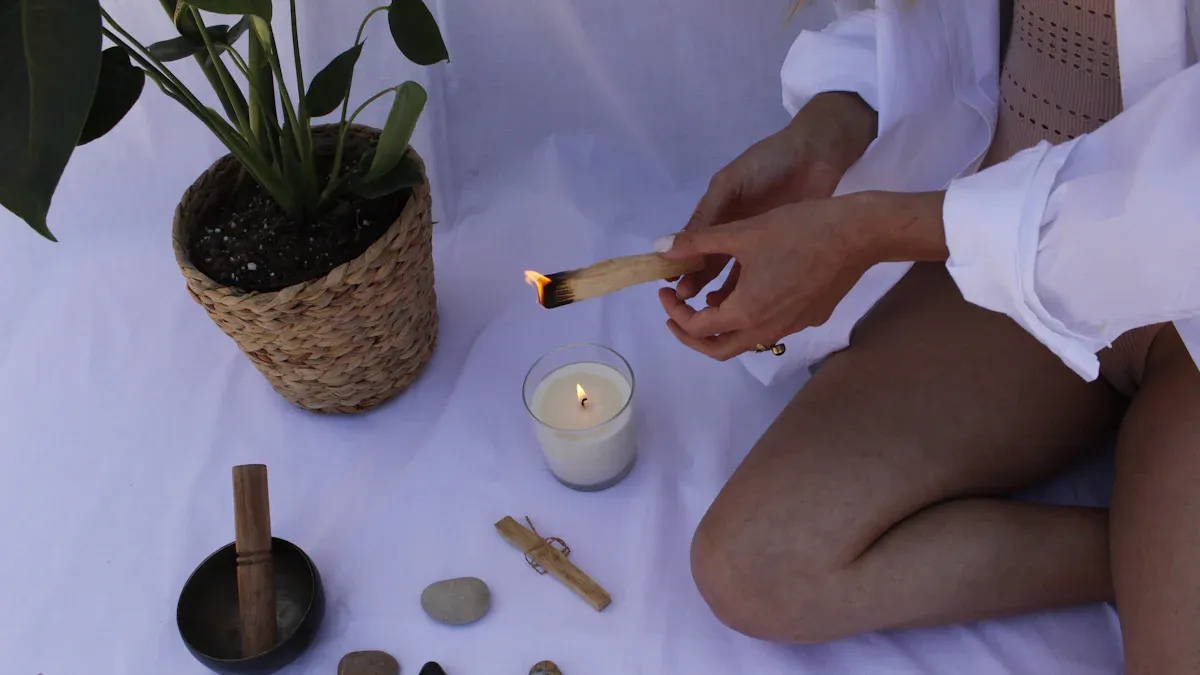
Aromatherapy is important in Taoist healing. It helps keep Jing, Qi, and Shen in balance. These three treasures are key for good health in traditional Chinese medicine. Jing is the body’s basic energy. It helps people grow and stay strong. Qi is the life force that moves inside us. Shen is the mind and spirit. Using essential oils and herbs can help these treasures. Calming scents like sandalwood or rose help relax the mind and support Shen. Scents like frankincense or cedar can give more energy and boost Qi. Some oils, like agarwood, protect Jing and help the body stay healthy. Aromatherapy gives gentle ways to help people feel calm, awake, and focused. This helps heal the spirit and brings balance to daily life.
Five Elements and Essential Oils
Taoist healing uses the Five Element to pick oils and herbs. The five elements are Wood, Fire, Earth, Metal, and Water. Each element links to certain organs, feelings, and times of year. Traditional Chinese medicine says that keeping these elements balanced helps people stay healthy and grow spiritually. Practitioners choose oils for their special energy. Rosemary and bergamot help the Wood element and support growth and new ideas. Basil and frankincense match the Fire element and bring warmth and happiness. Patchouli and ginger help the Earth element and give stability. Eucalyptus and cedarwood help the Metal element and support people with sadness and setting limits. Chamomile and sandalwood calm the Water element and help with rest and wisdom. (Understanding the Five Elements is crucial when exploring how they influence health and spiritual practices in Taoism. For a deeper insight into how these elements are interpreted and utilized in Feng Shui, a practice closely related to Taoist philosophy, read What Are the Five Elements in Feng Shui and What Do They Mean. This will help clarify their meanings and applications in creating balanced and harmonious environments.)
Aromatherapy blends often mix herbs and oils to fit each element’s needs. These blends help balance feelings, improve health, and heal the spirit. Both traditional Chinese medicine and modern aromatherapy use this way to bring harmony to the body, mind, and soul. Essential oils and spiritual healing work together to help people feel well and peaceful inside.
Essential Oils and Incense in Taoism
Historical Use of Incense
People have used incense and essential oils in Taoism for a long time. In ancient China, incense was part of daily life and special events. Taoist temples often smelled like burning herbs. These smells came from plants like cassia, cinnamon, styrax, and sandalwood.
People in China started using incense around 2000 BCE. This shows incense has been important for a very long time.
During the Xia, Shang, and Zhou dynasties, incense was used in big ceremonies.
In the Song dynasty, incense ceremonies became very popular. People even built special places for these rituals.
Taoist followers burned incense in shrines and waved the smoke at statues when they prayed.
The incense burner, called fa lu, became a sign of respect and worship.
Taoists thought incense helped the soul rise above the world. Sometimes, they added special plants to incense to help with spiritual experiences. Over time, people used more essential oils and herbs in Taoism. These practices changed as people learned about healing and self-care. Today, both traditional Chinese medicine and Taoist rituals still use natural scents for health and spiritual growth.
Energetic Qualities: Yin and Yang
Taoist practitioners think every scent has yin or yang energy. Yin scents are cool, gentle, and calming. Oils like sandalwood and lotus help people feel peaceful and meditate. Yang scents are warm, lively, and make people feel awake. Oils like frankincense and ginger help boost energy and focus.
Essential oils and herbs work together to balance these energies. Practitioners pick blends based on what someone needs. For example, if someone feels tired, they might use yang oils to feel more awake. If someone feels stressed, they might use yin oils to relax. This balance helps people stay healthy and feel good. Using natural herbs and essential oils helps people connect with nature and find balance in life.
Best Aromatherapy Scents
Agarwood (Aloeswood)
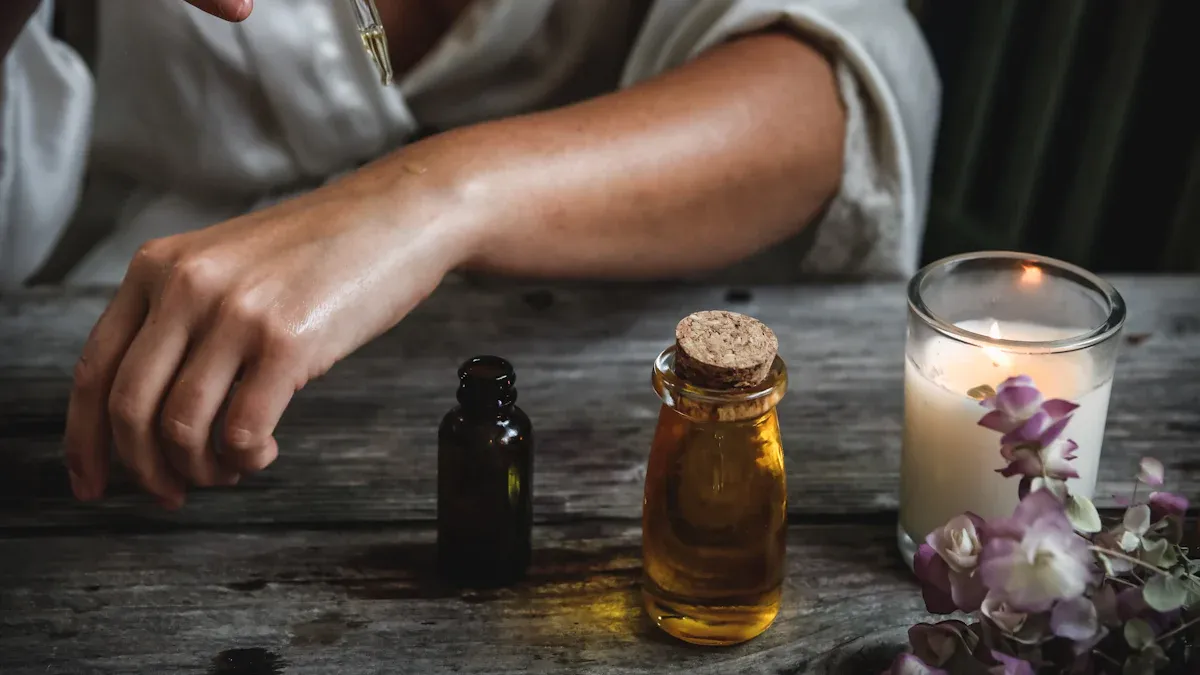
Agarwood is very important in Taoist aromatherapy. People have burned agarwood incense for a long time. It is used for meditation and spiritual cleaning. This scent helps bring together the energy of heaven and earth. Many Taoist masters use agarwood to help with awakening. It also helps with enlightenment. The smell can change bad energy into good energy. It brings peace to the mind. Some people carry agarwood beads or put pieces near doors. This is to clean spaces and bring good luck.
Agarwood incense is known for making people feel calm. It helps people relax and meditate. It also helps them connect with their inner self. In feng shui, agarwood takes away bad luck and brings harmony. Taoist books say agarwood can help with anxiety. It can also make relationships better. People use agarwood oil in diffusers or in spiritual rituals. The scent helps with spiritual journeys and balances chi.
Tip: Agarwood mixes well with sandalwood or frankincense. This is good for deep meditation and balancing yin and yang.
Sandalwood
Sandalwood is another top choice in Taoist practice. Its soft, wood-like smell calms the mind. It helps people focus. Taoists use sandalwood incense when they meditate or pray. The scent supports the Water element. It brings wisdom and rest. Sandalwood is gentle and cool. This makes it a yin scent. It helps people let go of stress. It also helps them find inner peace.
People use sandalwood in many ways. They burn incense sticks or use oils in diffusers. Some add a few drops to bathwater. Sandalwood mixes well with rose or lotus for a soothing smell. It also goes with cedar to help with grounding. Many people think sandalwood opens the heart. It also helps clear the mind.
Note: Always mix essential oils with something else before using on skin. Never use pure sandalwood oil right on your skin.
Frankincense
Frankincense has been used for a long time in spiritual and healing ways. Taoists like frankincense because it lifts the mood and feels warm. The scent is lively and supports the Fire element. Frankincense is a yang scent. It gives more energy and helps people feel awake. It is often used in rituals to clear bad energy. It also helps with spiritual growth.
People burn frankincense resin or use the oil in diffusers. The smell helps with deep breathing and focus during meditation. Frankincense mixes well with agarwood or cedar for balance. It is also used to help with stress and emotional balance.
Safety tip: Only breathe in essential oils for a short time. Make sure the room has fresh air.
Rose and Lotus
Rose and lotus scents bring beauty and harmony to Taoist aromatherapy. Rose smells sweet and flowery. It opens the heart and helps with love and kindness. Lotus is gentle and pure. It helps people connect with their spirit. Both scents are linked to the Earth and Water elements. They help calm the mind and support yin energy.
People use rose and lotus oils in diffusers or baths. They also use them in incense blends. These scents work well together or with sandalwood for a peaceful feeling. Rose and lotus are often used to help with emotional healing. They also support spiritual growth.
Try mixing rose, lotus, and sandalwood for a calm and heart-opening feeling.
Cedar and Cypress
Cedar and cypress have fresh, wood-like smells. They help people feel grounded and safe. Taoists use these scents to clean spaces. They also support the Metal element. Cedar is strong and helps people feel stable. Cypress brings clear thinking. It helps people let go of sadness or worry.
People burn cedar and cypress incense or use the oils in diffusers. These scents mix well with frankincense or agarwood for balance. Cedar and cypress are often used to clean spaces. They also help energy flow in a healthy way.
Always keep essential oils away from kids and open flames.
Blending for Balance
Taoist practitioners often mix oils and scents to balance yin and yang. They also do this to support the Five Elements. For example:
Agarwood and sandalwood help with deep calm and spiritual connection.
Frankincense and cedar give energy and grounding.
Rose, lotus, and sandalwood help with emotional healing and peace.
These blends help people find balance in body, mind, and spirit. Aromatherapy gives many ways to use scents for healing and spiritual practice.
Aromatherapy for the Soul
Spiritual Connection
Aromatherapy for the soul helps people feel closer to their spirit. Many Taoist practitioners use scents to help with their spiritual life. They think some smells can open the heart and mind. When someone lights incense or uses oils, the smell fills the room. This makes the soul feel calm and safe. People often use aromatherapy before they meditate. The soft scent helps the mind feel peaceful. This makes it easier to focus on spiritual things. Using oils for spiritual connection is common in Taoist rituals. The right scent can help heal the spirit and bring joy. People say aromatherapy for the soul brings them closer to the Tao. It also helps them feel balanced.
Tip: Sit quietly with a scent you like. Breathe in deeply and let the smell fill your senses. Notice if your soul feels lighter and more open.
Daily Ritual Integration
Aromatherapy for the soul is easy to use every day. Many people start their morning with a diffuser and calming oils. This small step can make the whole day feel peaceful. During meditation or qigong, a few drops of oil on the wrists or neck help the soul stay focused. Some people use incense sticks during spiritual rituals. Others add oils to bathwater for a relaxing soak. Each person can pick scents that fit their mood or needs. For example, rose helps with feelings, and sandalwood helps with calmness. Aromatherapy for the soul lets everyone make their own path to healing and balance. By listening to the soul, people can choose the best scents for their journey.
Note: Aromatherapy for the soul is not just for special times. It can be part of every day and help the soul grow and heal.
Aromatherapy gives lots of good things to Taoist practice.
It helps people feel less stressed and relax when they meditate.
Essential oils make a calm space, so it is easier to focus and feel peaceful.
People new to Taoism and those with more experience both find that scents help them enjoy Taoism and care for their soul.
Try to see how each scent changes your mood and spiritual path. Trying new scent mixes can help you heal more and grow as a person.
Pieces That Carry This Intention
Beads meant to be handled while you practice, not just worn.


FAQ
What is the role of aromatherapy in Taoist meditation?
Aromatherapy helps people relax and focus when they meditate. Essential oils and scents make the space feel calm. This helps people connect with their spirit and heal inside. Many people say these smells lower stress and help the soul feel peaceful.
Can essential oils support wellness and health in daily life?
Yes! Essential oils and herbs can help with stress and worry. People use aromatherapy to feel better and heal. These ways come from traditional Chinese medicine and Taoist ideas.
How do scents help with spiritual practices?
Smells are important in spiritual practices. Scents like sandalwood and agarwood help people use oils for spiritual connection. They make it easier to feel the soul during meditation or rituals.
Are there natural ways to find stress relief with aromatherapy?
People often use essential oils and scents to feel less stressed. Aromatherapy uses herbs and oils to calm the mind. These natural ways help with anxiety and help people relax after a busy day.
Why do Taoist practitioners value incense and essential oils?
Taoist practitioners think incense and oils help with healing and wellness. These natural things support health and help people grow spiritually. They also help balance energy and heal the spirit.
See Also
How Embracing Wu Wei Makes Work Less Stressful
Understanding Wu-Wei Through Butcher Ding
What Are the Five Elements in Feng Shui and What Do They Mean