
What Is the Taoist Wisdom Behind Water’s Virtue
Michael Chen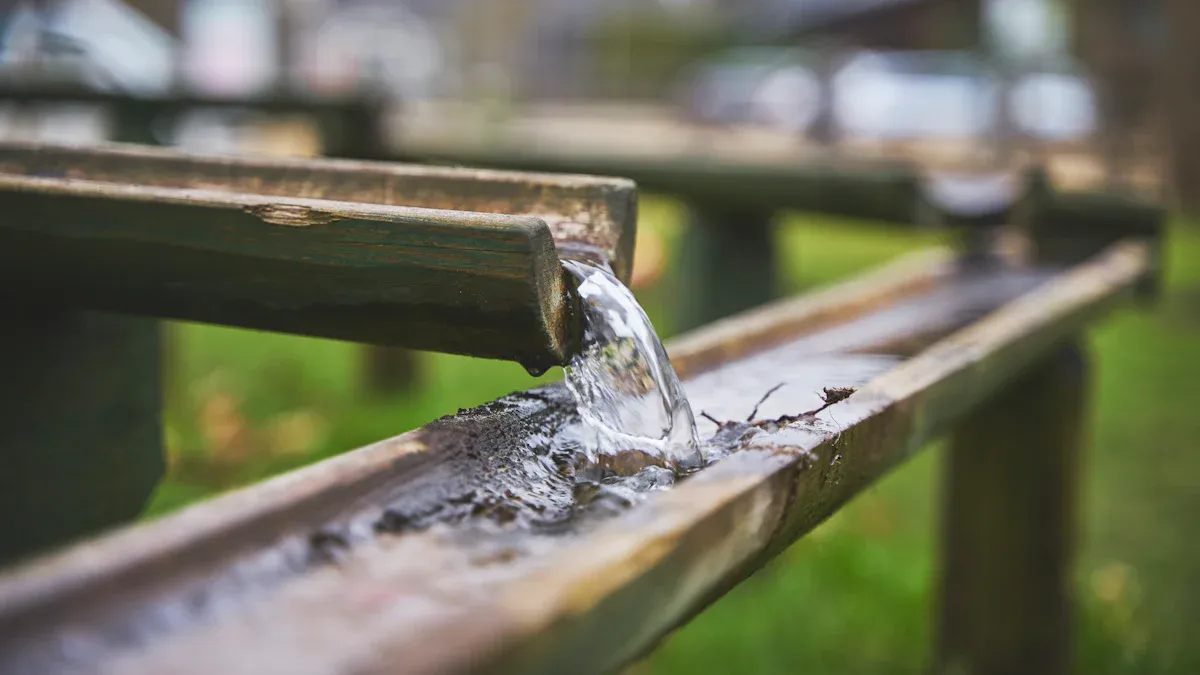
Have you ever wondered why water is such a powerful symbol in Taoism? When you observe a river flowing, you witness the unique harmony that water embodies: strength within softness, and power within calm. In Taoism, water teaches us to move through life with grace, nourishing everything around us and fostering harmony in our relationships and environment. As one modern Taoist puts it:
“The highest good resembles water. Water greatly benefits myriad things without contention. It stays in places that people dislike. Therefore it is similar to the Tao.”
By learning from water’s quiet resilience, you can discover true harmony. Let the wisdom of water in Taoism inspire you to adapt, show kindness, and embrace change in every aspect of your life.
Key Takeaways
Water shows humility because it stays in low places. Be humble to grow and find peace in your life.
Being able to change is important. Be flexible like water. Stay open to new things. This helps you handle problems easily.
Practice Wu Wei, which means effortless action. Go with the flow of life. Do not push too hard against problems.
Be kind and include others. Help people without wanting anything back. Water gives life to everything and does not ask for anything.
Think about how calm water is in nature. This can help you stay gentle and patient. Be open to new things and experiences.
Water in Taoism: Source of Life and Change
Water’s Role in Taoist Philosophy
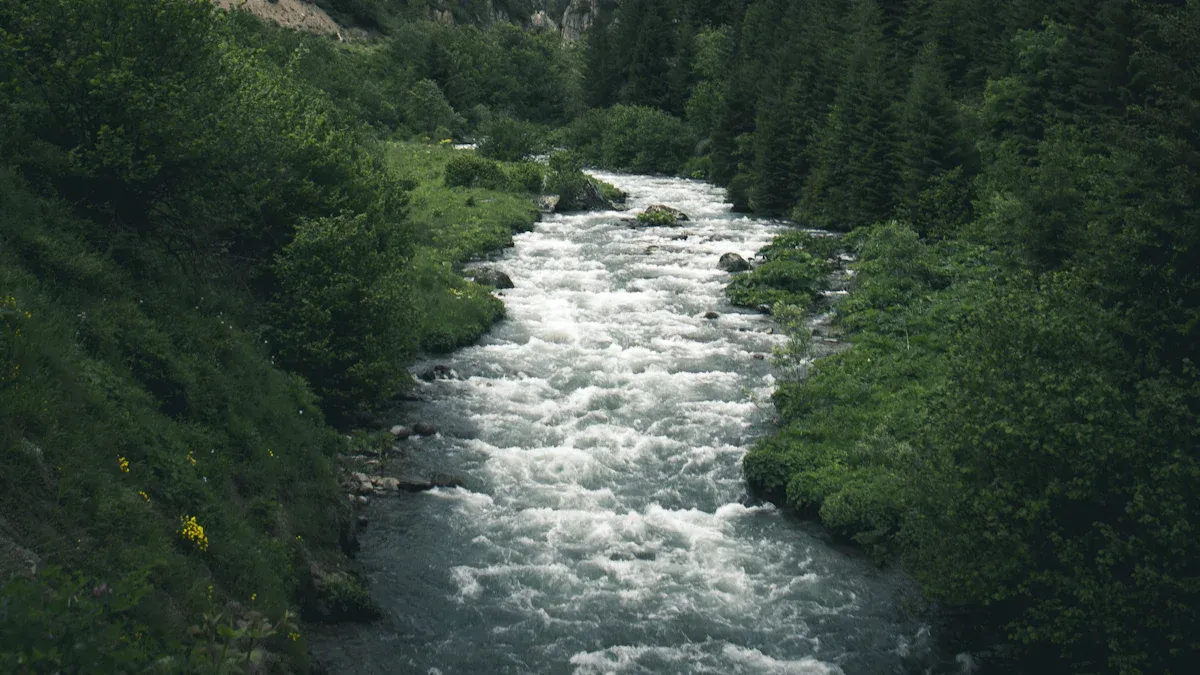
You can see water as the origin of life in Taoism. Water nourishes plants, animals, and people. It moves through rivers and streams, bringing freshness and growth wherever it goes. In Tao, water stands for change and natural force. You notice how water adapts to every shape and space. It never fights its surroundings. Instead, it flows gently and finds its own path. This teaches you to stay humble and open to change.
Water’s adaptability shows humility. It takes the shape of its container, reminding you to be flexible.
Water flows around obstacles without resistance. You learn to work with your environment, not against it.
Water changes states easily. You see how openness helps you embrace transformation in your life.
Water’s role in Taoism inspires you to seek harmony. You can let go of rigid thinking and welcome new experiences. When you follow the way of water, you discover the wisdom of the Tao.
(If you're curious about water in Taoism, check out more on our article Water Is Essential in Taoism and Daily Life.)
Yin-Yang and the Flow of Water
In Taoism, water connects deeply to the yin and yang theory. Yin stands for softness and flexibility, while yang means strength and firmness. Water represents yin. It moves softly, yet shapes the world over time. Lao Tzu explains this in the Tao Te Ching:
The living are soft and yielding; the dead are rigid and stiff. Living plants are flexible and tender; the dead are brittle and dry.
Lao Tzu, Tao Te Ching, 76
You see how water’s flow balances yin and yang. Water’s softness can wear down hard rock. The Grand Canyon shows how water shapes stone without force. This balance brings harmony to nature and your life. When you follow the Tao, you learn to blend strength with gentleness. Water’s flow in Taoism guides you to live with peace and adaptability.
(To explore more about yin and yang, see Yin Yang Balance: Practical Wisdom of Harmony in Daily Life.)
The Way of Water: Virtues and Wu Wei
Humility and Lowliness
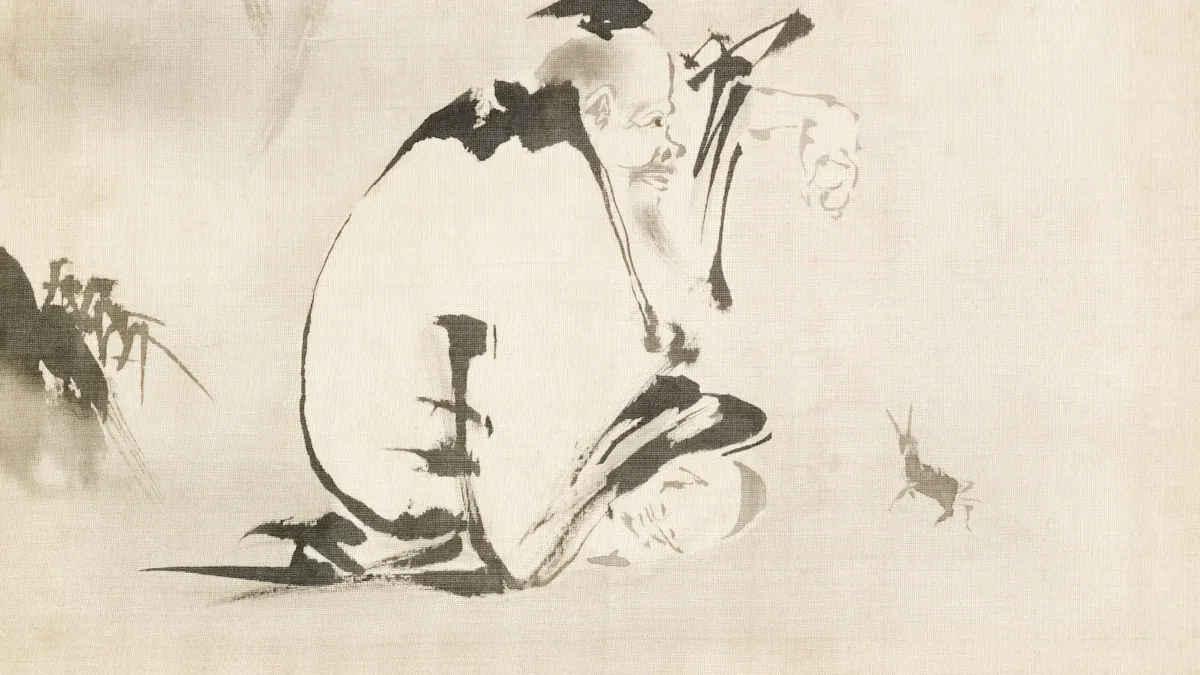
When you think about water in Taoism, you see humility. Water always goes to the lowest places. It does not try to be above anything else. It settles where people do not want to go. This shows how being humble is powerful.
The supreme good is like water,
which nourishes all things without trying to.
It is content with the low places that people disdain.
Thus it is like the Tao.
You can learn from water’s way. When you are humble, you can grow and become wise. Water is strong because it is soft and gives in. It does not fight, but it helps everything. In Taoism, this is a great virtue. You become strong by helping others and accepting life.
There is nothing under Heaven that is weaker or softer than water; yet those who attack what is hard and strong are not aware that it is the soft and weak that can overcome it. Therefore the Sage says: He who bears the reproach of the State may be called lord of the nation's altars; he who bears the calamities of the State may be called the King of the world.
The first of water’s seven virtues is humility. You can see how being lowly brings peace and harmony.
Adaptability and Wu Wei
Water teaches you to adapt. It changes shape to fit any container. Water moves around rocks and other things. It does not force its way, but it always finds a path. This is what Wu Wei means: doing things without forcing.
Aspect |
Explanation |
|---|---|
Adaptability |
Water changes to fit its place, showing how to get past problems. |
Non-action |
Wu Wei means not forcing, like water moving easily with nature. |
Balance |
Water can be still or move, showing yin and yang balance. |
When you use Wu Wei, you act with the flow of life. You do not push your own way. You answer changes with calm and ease. Living with Wu Wei means you trust the Tao to lead you. You stop fighting and let things happen.
Water helps you handle problems by moving around them, not through them.
Wu Wei means acting easily, which matches how nature works.
When you move like water, you feel less stress and get better results.
Water shapes stone slowly, but it works over time. You get good results by being gentle and patient. The way of water shows that real power is in being flexible and waiting. You can change and find peace by following this way.
Compassion and Inclusiveness
Water shows compassion by helping all things grow. It gives life to plants, animals, and people. Water never asks for anything back. The best virtue in Taoism is to help others, just like water does.
The highest virtue is like water. Water’s virtue benefits the ten thousand creatures, yet it does not strive.
-Lao Tzu
You can follow water by being kind and caring. Water does not judge or fight. It welcomes everything. This is part of water’s seven virtues. You can make peace by accepting others and helping them.
Characteristic |
Description |
|---|---|
Selfless Contribution |
Water helps all things without fighting, showing the Tao’s greatness. |
Ultimate Humility |
Water goes to low places, showing gentleness and including everyone. |
When you show compassion and include others, you make strong friendships. You help build a peaceful and helpful group. The way of water in Taoism teaches that real greatness comes from helping and accepting everyone.
If you live with humility, adaptability, compassion, and inclusiveness, you follow water’s way. You find the wisdom of Wu Wei and the peace that comes from the Tao. Let water’s example help you move through life with kindness and strength.
Tao Te Ching and Water’s Wisdom
Supreme Goodness Like Water
You find deep wisdom in the Tao Te Ching when you look at water. Lao Tzu teaches that the supreme good is like water. Water helps all living things. It does not compete or seek praise. It settles in low places, which people often ignore. This shows you the power of humility. Taoist commentators say water reflects the truth of the Tao. You see how water nourishes everything without effort. It does not control or force. It simply flows and brings harmony.
“The supreme good is like water. Water greatly benefits myriad things without contention. It stays in places that people dislike. Therefore it is similar to the Tao.”
— Tao Te Ching
You learn from water’s seven virtues. Water shows humility, flexibility, and contentment. You can follow these virtues of water in your life. When you act with simplicity and kindness, you create harmony. You do not need to control others. You let things happen naturally. This approach reflects the supreme goodness that Taoism values. You see that water’s way is gentle, yet strong. It teaches you to accept change and find peace in every moment.
Virtue |
How Water Shows It |
How You Can Practice It |
|---|---|---|
Humility |
Settles in low places |
Stay humble and open |
Flexibility |
Changes shape and flow |
Adapt to new situations |
Contentment |
Never seeks more than needed |
Appreciate what you have |
You notice how water’s supreme goodness inspires you to live with less struggle. You find strength in softness. You discover that true harmony comes from letting go and following the Tao.
Nonviolent Action and Resilience
You see another lesson in the Tao Te Ching. Water teaches you about nonviolent action. This is called Wu Wei. You do not force your way. You let things unfold. Water flows around rocks and obstacles. It does not fight. It adapts and finds a new path. Wu Wei means you act with ease and patience. You trust the natural flow of life.
Lao Tzu writes about this in the Tao Te Ching. He says gentle actions can lead to powerful results. Water does not resist. It moves forward and shapes the world. You learn that you do not need to use force to solve problems. You can use softness and flexibility. This reflects the truth of Taoist wisdom.
Water flows around obstacles, showing you how to adapt.
Helen Keller’s story shows resilience. She faced many challenges but found new ways to succeed. She followed a water-like mindset.
Chuang Tzu teaches that softness and flexibility can overcome strength. Bruce Lee also said, “Be water, my friend.”
You see how water’s resilience helps you in life. You face problems with patience. You find new paths when things get hard. You use the seven virtues of water to stay strong and gentle. You learn from Chuang Tzu and the Tao Te Ching. You practice Wu Wei and let harmony guide you.
Tip: When you feel stuck, remember how water flows. You can move around problems. You can stay soft and strong at the same time.
You discover that water in Taoism is a model for living. It shows you how to find harmony, practice Wu Wei, and build resilience. You reflect on the teachings of Lao Tzu and Chuang Tzu. You see that supreme goodness comes from following the way of water.
Harmony in Life and Society: Applying Water’s Teachings
Personal Growth Through Water’s Example
You can look at water and learn how to grow. Water changes to fit every place it goes. This shows you how to be open to new things. If you stop holding on to strict ideas, you can change and get better. Chuang Tzu says living the Tao means being open and empty. This helps you try new things and face hard times.
The creek is like life. It keeps moving forward. It does not stop for anything. Life has rocks and blocks in the way. You have to find ways around them. Water keeps going with grace and strength.
You can use Wu Wei by going with the flow. This means you do not force things. You let life happen in its own way. The Tao Te Ching says the best good is like water. Water helps all living things and gives them what they need. If you act like water, you learn to be patient and strong. You also learn to care for others. You can solve problems and handle hard times calmly.
Water moves softly and fits every space. This shows you how to be flexible and ready for change.
It helps everything grow without trying to control. This shows how giving in can be powerful.
Water can slowly break even the hardest rock. This shows that being patient and not giving up helps you win over problems.
Chuang Tzu says you should have a mind like the ocean. This means you can handle problems and fix them easily. Tao practice helps you find peace inside and with the world.
(To explore more about water's teachings, check out Mastering Life’s Challenges with the Taoist Art of Yielding.)
Social Harmony and Flexible Governance
You can use water’s lessons to help people get along. Water goes to low places and does not fight. This teaches you to live in peace with others. Chuang Tzu and the Tao Te Ching say living with the Tao means caring for all people and things.
Description |
|
|---|---|
Burma |
In 2010, people stopped a dam to save nature and keep peace. |
Bolivia |
In 2000, people fought back when water prices went up. |
United States |
Flint’s water problem and the Standing Rock protest showed people fighting for clean water. |
Good leaders can learn from water and be flexible. Water fits any shape, so you should be ready for change. Chuang Tzu says water’s softness can cut through rock. This means gentle leaders can fix hard problems. If you live by the Tao and act like water, you help make a kind and caring world.
You can learn from water in Taoism by seeing how it changes and helps everything. The Tao Te Ching tells you to be humble, flexible, and patient. If you follow Wu Wei, you let things happen and feel less stress. Many people feel calm when they watch water in nature.
Water’s humility and ability to change help you with today’s problems.
Doing things like walking near a stream helps you grow and feel peaceful.
"The greatest virtue is like water; it nourishes all things without striving."
Try to act like the Tao Te Ching says. Remember, when things go back to where they started, they find peace.
Study Focus |
Findings |
|---|---|
Viewing Nature |
Seeing water in nature makes you feel calm and happy. |
FAQ
What does water symbolize in Taoism?
Water stands for life, change, and natural strength. You see water as a model for humility, flexibility, and kindness. Water teaches you to move with life’s flow and to find peace in every moment.
What is the meaning of Wu Wei in Taoism?
Wu Wei means effortless action. You act without forcing things. You let life unfold naturally, just like water flows around rocks. This helps you stay calm and find harmony in your daily life.
What can you learn from water’s humility?
You learn to stay humble and open. Water always seeks the lowest place. It does not try to stand out. You grow stronger by helping others and accepting life as it comes.
What is the Taoist view on handling challenges?
You handle challenges by adapting, not fighting. Water moves around obstacles and finds new paths. You can use patience and flexibility to solve problems and keep moving forward.
What is the best way to apply water’s wisdom in daily life?
You can watch water in nature and reflect on its calmness. Try to stay gentle, patient, and open to change. Help others and let go of control. This brings harmony and growth.
See Also
Water Is Essential in Taoism and Daily Life