
Taoist vs. Buddhist: Which Meditation Suits You?

The main distinction in the Taoist vs. Buddhist approach to meditation lies in what individuals seek to achieve. In the Taoist vs. Buddhist comparison, Taoist meditation is designed to help people cultivate inner calm, achieve balance, and foster a deep connection with nature. On the other hand, Buddhist meditation, in the Taoist vs. Buddhist context, focuses on developing mindfulness, compassion, and ultimately freeing oneself from suffering. When considering Taoist vs. Buddhist meditation, many practitioners reflect on their intentions before beginning. Some are drawn to self-discovery, while others aim to become more present and aware of the moment. The table below highlights how the Taoist vs. Buddhist traditions shape these meditation goals.
Key Takeaways
Taoist meditation helps people find calm and balance inside. It connects people with nature and helps health. People use breathing and visualization in this practice.
Buddhist meditation teaches mindfulness and compassion. It helps people understand that things change. It helps people notice their thoughts and feelings.
Both types of meditation have special benefits. Taoist meditation helps people feel close to nature. Buddhist meditation helps people learn and feel less pain.
Beginners can try easy guided meditations. They can focus on their breathing to start. This helps them get used to meditation and feel comfortable.
Trying both Taoist and Buddhist meditation can help people choose what works best for them. This helps them meet their own goals and fit their lifestyle.
Taoist Meditation Basics
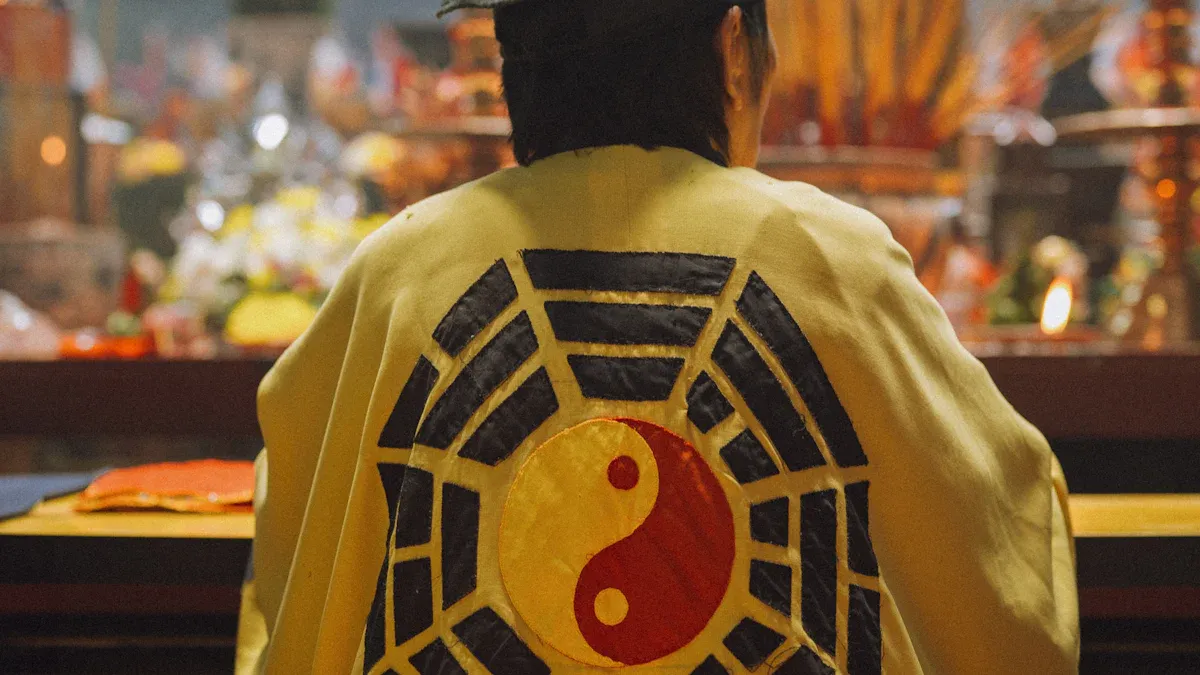
Origins and Philosophy
Taoist meditation started a long time ago in China. Old books like the Guan Zi talk about breathing exercises and building up energy and spirit. The Tao Te Ching and Chuang Tzu say that being still and empty is important. These books show that Taoist meditation helps people find peace inside and connect with the Tao, which is the way the world works. Taoism says that guided meditation helps people grow and match the Tao. The Neiye, an old guide, teaches how to work on yourself by staying calm and moving your Qi. Taoist ideas see meditation as a way to be still, know yourself, and live in harmony with nature.
Key Practices
Taoist guided meditation uses different ways to help people feel calm and balanced. People often pay attention to their breathing, picture things in their mind, and notice their bodies. Sometimes, they imagine bright lights in their joints or think about a silver thread holding up their head. These guided meditation methods help people focus and feel less upset. Watching your breath and being still are very important in Taoist guided meditation. Some types also use slow movements, like Tai Chi, which mixes breathing, paying attention, and being still.
Tip: Taoist guided meditation usually begins with breathing and noticing your body, so it is simple for new people to try.
Benefits
Taoist guided meditation is good for your mind and body. Studies show that doing it often can change how your brain works, help you relax, and make you healthier. People who practice Taoist guided meditation feel less stress, have better moods, and handle problems better. Being still and watching your breath helps your body heal and helps you grow inside. Doing Taoist guided meditation can also lower worry and sadness, so you feel more aware and peaceful. Stillness, breathing, and guided awareness are the main parts of these good changes.
(To learn more about the benefits of Taoist meditation, see Achieving inner peace through Taoist meditation.)
Buddhist Meditation Essentials

Roots and Principles
Buddhist meditation started a long time ago with Buddhism. It grew from older ways of meditating in India. Gautama, the Buddha, learned from teachers who taught about deep states of mind. Books like the Yogācārabhūmi-Śāstra talk about many ways to meditate. These ways help people find calm and learn more about themselves. The main ideas of Buddhist meditation are mindfulness, concentration, loving-kindness, and non-attachment. Mindfulness means you notice what is happening right now. Concentration helps you keep your mind on one thing, like your breath. Loving-kindness means you care about yourself and others. Non-attachment teaches that things always change, so you can watch your thoughts and feelings without judging them.
Principle |
Description |
|---|---|
Mindfulness |
Paying attention to the present moment, breath, thoughts, and body sensations without judgment. |
Concentration |
Focused attention that anchors the mind, often using the breath or a mantra. |
Loving-kindness |
Cultivating compassion and goodwill toward oneself and others. |
Non-attachment |
Observing thoughts and emotions as temporary, understanding that everything changes. |
Main Techniques
Buddhist meditation uses different guided ways to practice. Some popular ones are mindfulness meditation, movement meditation, and Buddhist vipassana meditation. Mindfulness meditation asks you to notice your thoughts, feelings, and what you sense. Movement meditation helps you pay attention while walking or doing gentle yoga. Buddhist vipassana meditation lets you see things as they really are. Zazen is a sitting meditation that helps you focus on now. Metta, or loving-kindness meditation, helps you send good wishes to yourself and others. Guided meditation often uses the breath to help you focus. Buddhist vipassana meditation can also use guided steps to notice what you feel and think.
Mindfulness Meditation
Movement Meditation
Buddhist Vipassana Meditation
Zazen
Metta (Loving-kindness)
Tip: Guided meditation in Buddhism is easy to start. You can just sit quietly and follow your breath.
Benefits
Buddhist meditation is good for your mind and body. Mindfulness meditation can help lower worry and sadness. Guided meditation helps people sleep better and feel less stress. Studies show that Buddhist meditation can change your brain and help you handle feelings. People who do guided meditation often feel more calm and connected. Buddhist vipassana meditation can make it less likely for sadness to come back. Guided meditation can also slow aging and help your body fight swelling. Buddhist meditation helps your mind stay healthy and brings peace to your life.
Taoist vs. Buddhist Meditation Compared
Approach and Focus
Taoist vs. Buddhist meditation are different in how they work. Taoist meditation is about being in harmony with the Tao. People want to feel balanced and peaceful by following nature’s flow. Taoism says yin and yang need each other. People use guided meditation to notice their breath and body. They practice Wu Wei, which means doing things without trying too hard. Taoist meditation often uses movement, pictures in your mind, and breathing.
Buddhist meditation is about ending suffering. People use mindfulness to learn about what is real. Buddhism teaches that everything changes all the time. People use guided meditation to watch their thoughts and feelings. They learn to let go of holding on to things. Buddhist meditation uses breath watching, loving-kindness, and thinking about how things do not last.
Note: Taoist vs. Buddhist meditation both help people feel calm. But their main goals are not the same. Taoist meditation wants harmony and balance. Buddhist meditation wants understanding and freedom from suffering.
Techniques and Experience
Taoist vs. Buddhist meditation use different ways to meditate. Taoist meditation uses Qigong, Tai Chi, and guided pictures in your mind. People focus on breathing, energy, and how their body feels. They imagine light moving inside them. Guided meditation helps them relax and feel close to nature. Taoist meditation usually feels gentle and smooth.
Buddhist meditation uses breath watching, loving-kindness, and vipassana. People sit still and notice their breath. Guided meditation helps them pay attention to thoughts and feelings. Buddhist meditation teaches people to watch without judging. Movement meditation, like walking, also helps build mindfulness. Buddhist meditation usually feels steady and focused.
Meditation Type |
Main Techniques |
Experience |
|---|---|---|
Taoist Meditation |
Qigong, Tai Chi, Visualization, Breath |
Flowing, Relaxing, Harmonious |
Buddhist Meditation |
Breath Awareness, Loving-kindness, Vipassana |
Focused, Mindful, Insightful |
Tip: Guided meditation in both traditions is easy to try. People can pick the style that fits what they need.
(If you want to know more about Qi, check out Understanding the Vital Role of Qi in Taoist Life.)
Outcomes
Taoist vs. Buddhist meditation lead to different results. Taoist meditation helps people feel balanced and healthy. People often feel more energy and peace inside. Guided meditation helps the body and keeps feelings steady. Taoism teaches people to live in harmony with nature.
Buddhist meditation helps people grow mindfulness and kindness. People often feel less stress and think more clearly. Guided meditation helps heal feelings and understand yourself. Buddhism teaches people to let go of suffering and find freedom.
Some people use both Taoist meditation and Buddhist meditation. They find that guided meditation from both can work together. Taoist vs. Buddhist meditation does not have to be just one choice. People can try both and see what works best for them.
Callout: Taoist vs. Buddhist meditation both give special benefits. Guided meditation from either one can help you grow and feel better.
Choosing Your Meditation Path with Taoism and Manifest
Assessing Your Needs
People start meditation by thinking about their goals. Some want to feel calm inside. Others hope to get healthier or become more mindful. Taoist meditation helps people connect with nature and life’s flow. Buddhist meditation helps people focus on their mind and being aware. Both use guided meditation to help people notice the present moment. New people may have trouble sitting still or have lots of thoughts. They might feel sore or fidgety. They can try moving gently, breathing slowly, or changing where they meditate. If someone feels strong emotions, they should talk to a doctor before starting guided meditation.
Matching Styles to Your Life
Taoism uses guided meditation to help people notice their breath, body, and nature. This is good for people who want balance and to live in the moment. Buddhist meditation uses guided ways to build mindfulness and kindness. People who want to understand their thoughts and feelings may like this style. Both Taoist and Buddhist meditation help people pay attention to now. Some people use both kinds to feel better and stay healthy.
Resource Title |
Description |
|---|---|
Taoist Meditation: Methods for Cultivating a Healthy Mind and Body |
Classic texts and practices for health and enlightenment. |
Anthology on Cultivation of Realization |
Focuses on natural, social, and spiritual growth. |
Tai Chi Alchemy Secrets |
Inner meditation practices for energy and balance. |
Getting Started
People can begin with short guided meditation times. They might use music or easy breathing. Taoism and Manifest gives real Taoist lessons, meditation music, and trusted products. These things help people practice guided meditation and find calm. The brand has temple-approved items and learning tools for Taoism. By trying both Taoist and Buddhist meditation, people can find what fits their life and goals.
Tip: Guided meditation gets easier the more you do it. Being patient and curious makes the journey more fun.
Both Taoist and Buddhist guided meditation give special ways to find calm inside and learn about yourself. Guided meditation helps people handle feelings and feel better. Studies show guided meditation can help you focus and feel peaceful. Many people say guided meditation helps them feel calm and stay healthy. Trying both kinds lets everyone pick what works best. Guided meditation from Taoism and Manifest helps you learn about yourself and feel calm as you practice.
Long-Term Benefits of Guided Meditation |
Findings |
|---|---|
Emotional regulation |
Fewer bad feelings, better mood |
Brain health |
Slower brain aging, better focus |
Pieces That Carry This Intention
Beads meant to be handled while you practice, not just worn.


FAQ
What is the main goal of Taoist meditation?
Taoist meditation helps people feel balanced and close to nature. It teaches them to go with life’s flow and feel peaceful inside.
What does Buddhist meditation focus on?
Buddhist meditation helps people be more aware and caring. It teaches them to notice their thoughts and feel less stressed.
What should beginners expect when starting meditation?
Beginners might have lots of thoughts or feel jumpy. Over time, they learn to calm down and pay attention better.
What resources can help with Taoist meditation?
People can use guided music, special temple items, and lessons from Taoism and Manifest. These things help people learn and practice.
What makes Taoist and Buddhist meditation different?
Taoist meditation is about being in harmony with nature. Buddhist meditation is about being mindful and free from suffering. Each one gives its own special benefits.