
Taoist Wisdom Unveiled: Practical Insights for Daily Practice

You can use Taoist Principles to help with daily life. Lao Tzu’s Tao Te Ching is in many self-help books today.
Many writers talk about its ideas of being present, keeping things simple, and finding balance inside for modern life.
Take some time to think about your habits and try new ways of thinking.
Key Takeaways
Simplifying your life and practicing mindfulness can help reduce stress, improve focus, and bring a sense of calm and control.
-
Keep Things Simple:
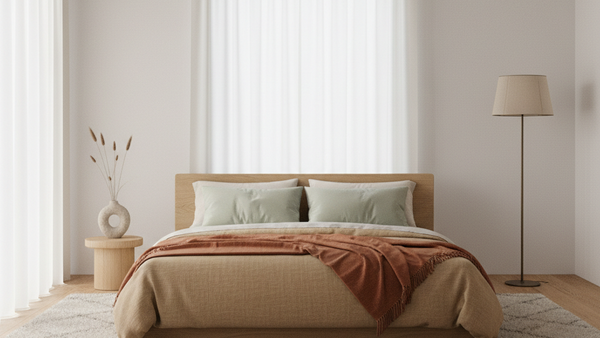
Clean your room and declutter your thoughts.
Simplicity reduces stress and enhances attention.
-
Practice Wu Wei:
Embrace the principle of doing things without forcing them.
Allow things to happen naturally to feel less stressed.
-
Breath Awareness:
Incorporate awareness of your breathing into daily activities.
This helps you stay calm and manage your energy effectively.
Core Taoist Principles
The Tao
You can think of the Tao as the source and guide for everything in the world. The Tao Te Ching describes the Tao as something you cannot see, but it shapes all things. When you follow the Tao, you try to live in harmony with nature and return to a simple, natural state. Many Taoist Principles encourage you to notice the natural order around you and align your actions with it.
The Tao teaches you to value simplicity and humility. These qualities help you avoid selfish actions and focus on what truly matters.
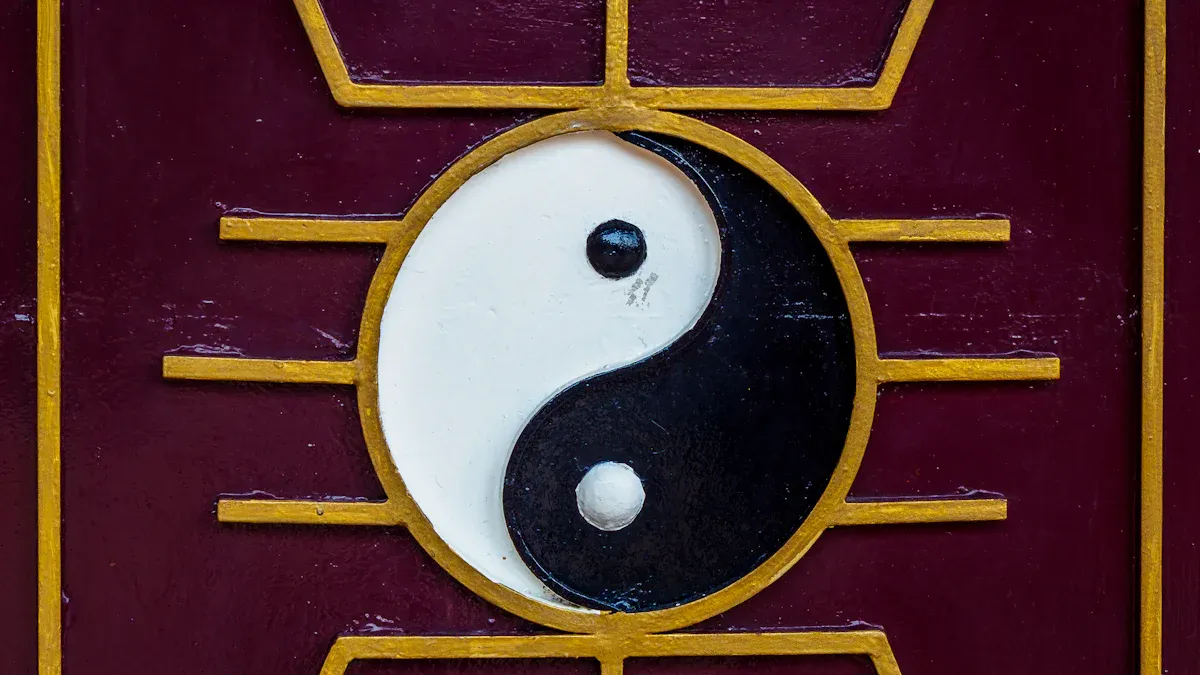
Yin and Yang
Taoist Principles often talk about Yin and Yang. These are two forces that work together in nature and in your life.
Yin stands for the gentle, quiet, and receptive side of things.
Yang stands for the strong, active, and energetic side.
Both Yin and Yang always change and depend on each other. You can see this in day and night, rest and activity, or even in your moods.
When you notice both sides, you learn to find balance and harmony in your daily life.
Wu Wei
Wu Wei means "effortless action." You practice Wu Wei when you let things happen naturally instead of forcing them. Many people use this Taoist Principle to manage stress and work better.
Wu Wei helps you work with the flow of life.
You can reach your goals in a calm and relaxed way, instead of feeling rushed or stressed.
The Three Treasures
Taoist Principles teach you to care for three treasures: Jing, Qi, and Shen. Each one helps you in a different way.
Treasure |
Description |
Contemporary Interpretation |
|---|---|---|
Jing |
Essence |
Helps your physical well-being |
Qi |
Vital Energy |
Supports your mental well-being |
Shen |
Spirit |
Grows your spiritual well-being |
You also learn to value compassion, moderation, and humility. These treasures guide you to live a healthy and balanced life.
Daily Practice
Breath Awareness
You can start your day with breath awareness. This practice comes from Taoist Principles and helps you calm your mind and body. Breath is the foundation of Taoist meditation. When you focus on your breath, you help your body regulate Qi. This unifies your energy and brings clarity.
Tip: Try to find a quiet place. Sit comfortably. Close your eyes if you like.
Here is a simple way to practice breath awareness:
Sit in a comfortable posture in a quiet space.
Focus on your breath. Breathe in deeply, then breathe out slowly.
Imagine Qi flowing through your body. Feel your energy become calm.
Let your thoughts settle. Do not force them away.
Practice this every day. You can do it in the morning or before bed.
Taoist breath awareness uses continuous and relaxed breathing. You do not hold your breath. This helps you relax and feel well. Unlike some other traditions, Taoist breathing does not create tension. It helps your body take in more oxygen and balance your energy. Over time, you may notice better health and more energy.
Scientific studies show that meditation and breathwork can change your body in positive ways. Here is what researchers have found:
Findings |
Description |
|---|---|
Physiological Changes |
Meditation changes your body in different ways, depending on the technique. |
Autonomic Nervous System |
Most people show more calmness, with lower blood pressure and steady heart. |
Relaxed Alertness |
Many meditators feel calm but alert, not sleepy or tense. |
Effortless Action
Taoist Principles teach you about Wu Wei, or effortless action. You can use this idea in your daily life. Wu Wei means you act without forcing things. You let events unfold naturally. This helps you avoid stress and burnout.
You can practice Wu Wei by:
Noticing when you feel rushed or tense.
Taking a deep breath and pausing before you act.
Letting go of the need to control every outcome.
Trusting that things will work out if you stay calm and patient.
For example, if you face a problem at school or work, try not to react right away. Take a moment to breathe. Think about the best way to respond. Sometimes, waiting and observing helps you find a better solution. Wu Wei does not mean doing nothing. It means acting at the right time, with the right amount of effort.
Simplicity and Contentment
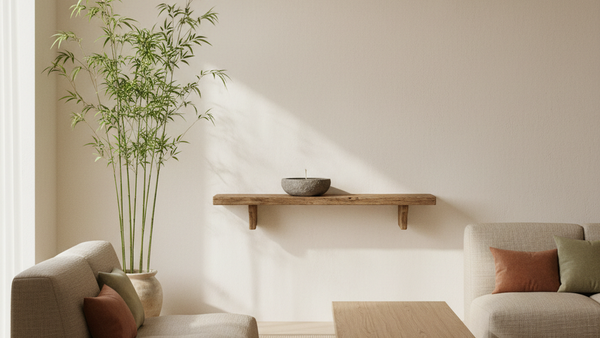
Living simply is a key part of Taoist Principles. You can practice simplicity by clearing clutter from your space and mind. When you keep only what you need, you feel lighter and more focused. Studies show that a clutter-free space can lower stress and help you think clearly.
Minimalism can improve your mental health. It helps you feel calm and happy.
A clean space reduces anxiety. You feel less overwhelmed.
Decluttering can lower stress by up to 75% and boost life satisfaction by 80%.
When you focus on what matters, you grow as a person and build better relationships.
Simple living can also help your finances. You spend less and enjoy life more.
You can start by cleaning one small area each day. Give away things you do not use. Spend time with people you care about. Notice the beauty in simple things, like a walk in nature or a quiet moment with a friend.
Note: Simplicity and contentment help you become more patient and compassionate. When you let go of extra things, you make room for kindness and joy.
By using Taoist Principles in your daily routine, you can find more balance, peace, and happiness. Start with small steps. Over time, you will see positive changes in your life.
Meditation and Mindfulness
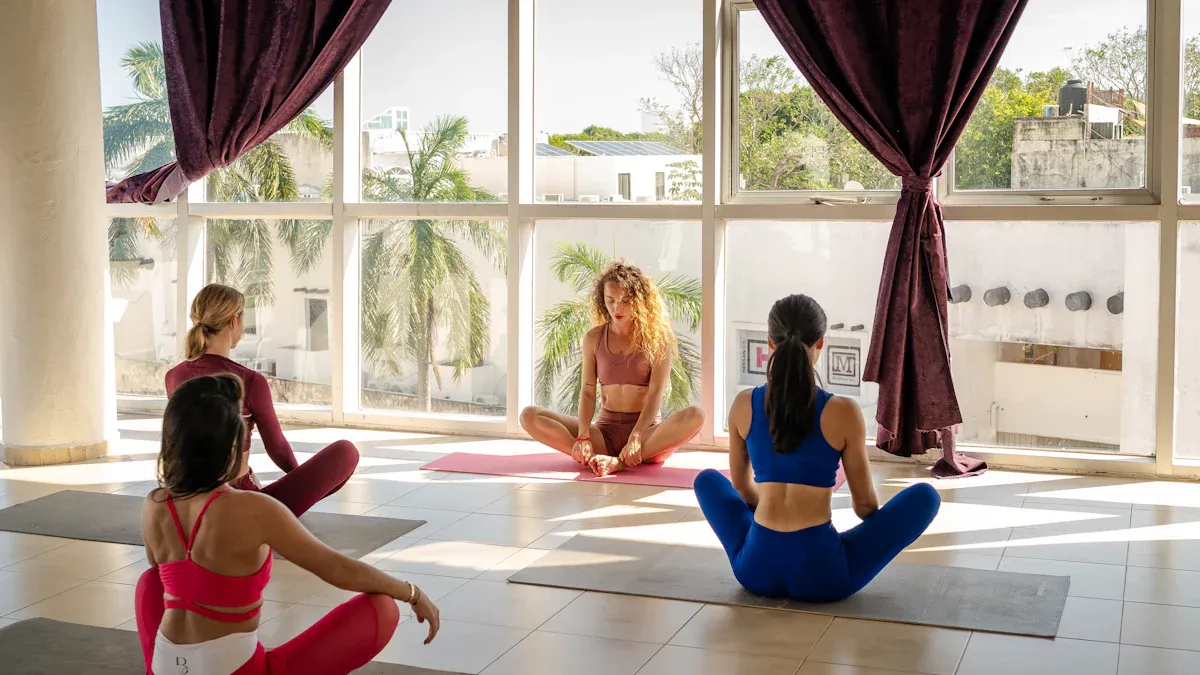
Simple Techniques
You can try different Taoist meditation techniques to calm yourself. People have used these practices for a very long time. Here are three popular ways:
Zuowang (Sitting in Forgetfulness): You sit still and let your worries go. This helps you forget about yourself and feel close to the Tao.
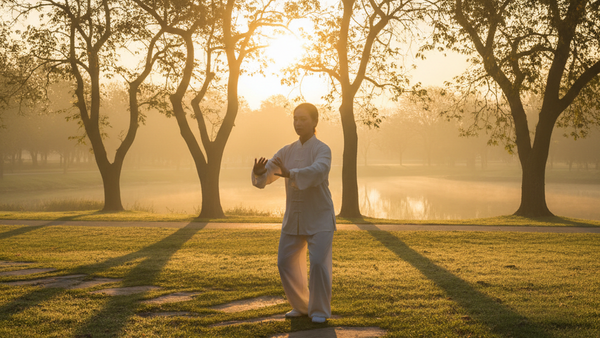
Qigong Meditation: You move slowly and control your breathing. This helps balance your Qi and gives you more energy.
Golden Flower Meditation: You use your mind to guide your Qi. This brings clear thoughts and refreshes your mind.
Tip: Start with a few minutes each day. Pay attention to your breath and let your thoughts drift away like clouds.
Inner Peace
Taoist meditation started a long time ago in China. People used it to feel close to nature and get healthier. These practices changed as time passed. The table below shows how Taoist meditation grew and changed:
Aspect |
Details |
|---|---|
Origins in Ancient China |
Taoist meditation began in shamanistic cultures and early Chinese medicine and cosmology. |
Evolution Through Dynasties |
Practices improved from Han to Qing dynasties; Tang dynasty added Buddhist ideas. |
Neidan Development |
Song dynasty brought internal alchemy and energy change. |
Key Figures |
Laozi shared main ideas; Zhang Sanfeng added meditation to martial arts. |
When you use these techniques, you bring peace into your life. You learn to watch your thoughts without judging them. After some time, you may feel calmer and more balanced. Meditation can help you deal with stress and find harmony every day.
Living in Harmony
Balance in Life
Taoist wisdom teaches you to find balance in every part of your life. You can use simple strategies from Taoism to help you feel more peaceful and steady each day.
Acceptance: Try to accept others as they are. Avoid judging people. This helps you build inner peace.
Living in the Moment: Focus on what is happening right now. When you pay attention to the present, you worry less about the past or future.
Letting Go of Attachments: Release your hold on things you do not need. When you let go of material things, you find what truly matters.
Respect for Nature: Notice the beauty in the world around you. Practice caring for the earth and learn from nature’s balance.
Flexibility: Stay open to change. When you adapt, you grow stronger and wiser.
Cultivating Inner Wisdom: Spend time in meditation or self-reflection. This helps you connect with the Tao and understand yourself better.
Tip: Try to add one of these habits to your routine each week. Small changes can lead to a more balanced life.
Acceptance and Flow
You can practice acceptance by letting go of the need to control everything. When you accept what happens, you feel less stress and more peace. Taoist practices like Qigong show you how to guide your breath and focus your mind. This helps your Qi flow smoothly through your body. When you reach this state, you feel fully present and connected to your actions. Psychologists call this feeling "flow." In Taoism, you learn to merge your thoughts and actions. You enjoy what you do and feel unity with your surroundings. This balance brings joy and helps you live in harmony with the world.
You can use Taoist wisdom to improve your daily life.
Let go of resistance with Wu Wei to lower stress.
Accept change for greater peace.
Simplify life with Pu and focus on what matters.
Research shows Taoist practices help people feel better. Start small and watch positive changes grow. Explore Taoist principles every day.
Pieces That Carry This Intention
Beads meant to be handled while you practice, not just worn.


FAQ
What is the best way to start using Taoist Principles every day?
You can begin with breath awareness and simple meditation. Try to notice your actions and choose patience. Small steps help you build new habits.
Can Taoist Principles help with stress?
Yes. You can use Wu Wei and breathwork to calm your mind. These practices help you handle stress and find balance in daily life.
Do I need special tools or a teacher to practice Taoist Principles?
No. You can start on your own. Read the Tao Te Ching, try breath awareness, and observe nature. A teacher can help, but you can learn by yourself.