
The Diffusion of Taoist Philosophy in Wellness and Mindfulness Trends

You can use Taoist philosophy to support your well-being in daily life. This philosophy teaches you to find balance, maintain calm, and live in harmony with the world around you. When you follow these ideas, you give yourself a chance to experience peace and clarity. A gentle approach can help you care for your mind and body every day.
Key Takeaways
Taoist philosophy teaches balance and harmony in life. It helps you connect your mind, body, and spirit. This can make you feel better.
Practicing Wu Wei means doing things without effort. It helps you lower stress and enjoy the present. This brings more peace and clear thinking.
Being in nature helps your mind feel better. It lowers stress and helps you feel closer to the world.
Using Taoist meditation, like visualization and mindful breathing, can help you feel calm. It also helps you think clearly.
Doing daily Taoist rituals, like gentle movement and quiet reflection, can help you stay calm. These habits make you stronger and more peaceful.
Taoist Philosophy and Wellness
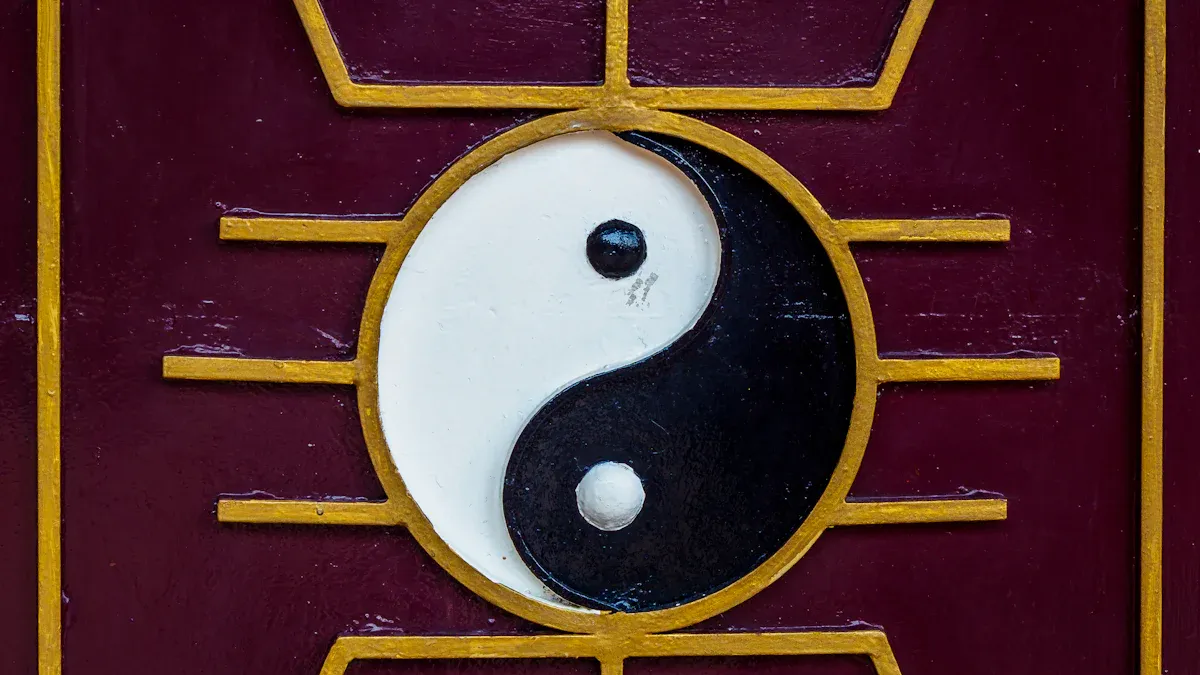
Core Taoist Principles
Taoist philosophy can help you feel better in life. Taoism teaches that the world is always changing and needs balance. It asks you to connect your mind, body, and spirit for harmony. Here are some main ideas in Taoist wellness:
Going with the flow helps you accept change and feel calm.
Yin and yang show how opposites work together for health.
Inner alchemy uses meditation and breathwork for clear thinking and strong bodies.
Living simply and naturally helps you feel happy and real.
Being one with nature means caring for the world and yourself.
Virtues like compassion and humility make life better for you and others.
Learning non-attachment and impermanence helps you let go and feel free.
Taoist practices like Qigong help balance your Qi, which is your life energy. These practices can make your body stronger and your mind calmer. The Three Treasures, Jing, Qi, and Shen, teach you to balance all parts of yourself for health and change.
Tip: When you connect your mind, body, and spirit, you help your wellness and make your life more peaceful.
Wu Wei in Daily Life
Wu Wei means doing things without forcing them. You can use Wu Wei to make your day easier and less stressful. This Taoist idea teaches you to act with the flow, not against it. Here is how you can use Wu Wei for wellness:
Pay attention to what feels natural and the speed around you.
Pick tasks that are easy to start and feel right.
Let go of control and let things happen, helping only when needed.
Practicing Wu Wei helps you be still and think about yourself. This can make you feel happier and calmer. You might see lower blood pressure and better focus. Doing easy activities lets your mind rest and your body relax, which is good for your health.
Note: When you live with Wu Wei, you stay in the present. Answers and ideas often come when you stop trying too hard.
(To learn more about Wu Wei wisdom in life, see How Embracing Wu Wei Makes Work Less Stressful.)
Harmony with Nature
Living with nature is important in Taoist philosophy. You can feel better by spending time outside and connecting with the world. Studies show that being in nature, like hiking or forest walks, lowers stress and helps you feel good. Cities with more parks have less stress and people feel better.
Being close to nature helps you think clearly and get along with others. It is good for your body and mind. When you feel close to nature, you care more about the earth and yourself.
Callout: Taoism teaches that living with the universe brings emotional balance. Yin and yang show that opposites work together for harmony. When you follow nature’s patterns, you find peace and clear thinking.
You can use Taoist philosophy to help your wellness. By living simply, practicing Wu Wei, and staying close to nature, you support your health and make your life more balanced.
Mindfulness Practices Inspired by Taoism
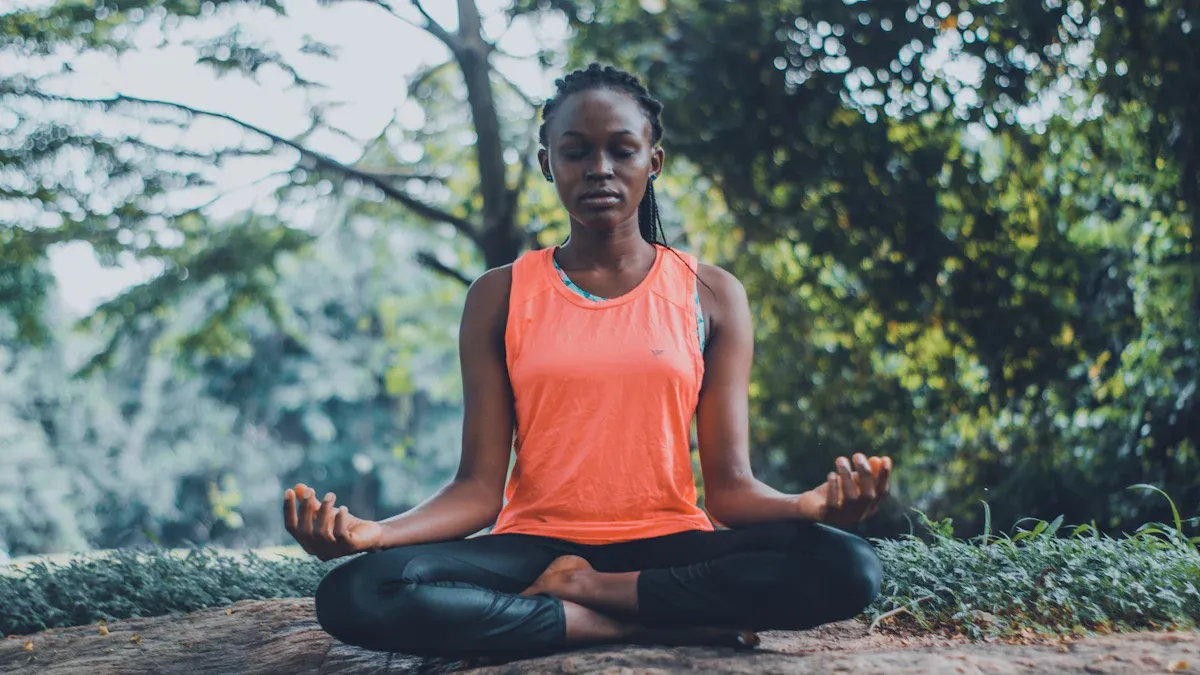
Taoist Meditation Techniques
Taoist meditation can help you with mindfulness. These techniques help you feel calm and clear. Here are some common ways people practice:
Visualization Practice: You relax your body from head to toe. Imagine dark spots as pain. Breathe in light to make the pain go away.
The Energy Ball Visualization: Focus on your lower dantian. Picture an energy ball cleaning your body.
Emptiness Practice: Scan your body. Then, focus on emptiness and clear your mind.
You can also try quiet sitting, called jingzuo. Sit still and notice your breath. Visualization uses pictures in your mind to move energy. It helps you connect with spiritual places. Inner alchemy, or neidan, changes your energy inside for growth. Breath control teaches you to use your breath to guide your Qi. These practices help you think clearly and feel better.
Meditation Technique |
Description |
|---|---|
Quiet sitting (jingzuo) |
Sit still and watch your breath to feel calm and clear. |
Visualization practices |
Use pictures in your mind to move Qi and clean your body and mind. |
Inner alchemy (neidan) |
Use special ways to change your spirit and energy. |
Breath control methods |
Try different ways of breathing to guide your Qi. |
(To explore more about meditation practices, check out Ancient Taoist meditation for inner peace.)
Emotional Balance and Equanimity
Taoist meditation helps you feel balanced and calm. Studies show it changes your brain waves. You get more theta and alpha waves. This makes you feel relaxed but awake. You may feel less worried and can focus better.
Taoist ways to balance emotions help you wake up inside and fix deep problems. Other mindfulness ideas may only help with stress or being aware.
Practices like Qigong and Tai Chi help your mind feel better. They can lower anxiety and sadness. These methods help your nerves and keep your body steady. Taoist meditation wants you to wake up your spirit, not just relax. You learn to heal old hurts and feel well for a long time.
Integrating Mindfulness into Routine
You can use Taoist mindfulness every day with easy steps. Try three slow breaths after work to relax. Add Yin moments, like soft music or gentle walks. Write your worries down and picture them floating away.
Pause before you answer messages and check how you feel. Take short breaks outside to feel close to nature. These steps help you stay balanced and feel good inside. Using Taoist ideas, you can make a routine that brings change and peace.
Tip: Small changes in your habits can help you feel calm and well. Taoism shows you how to find peace in simple things.
You can use Qigong, meditation, and Taoist ways to help you feel balanced and clear. These steps help you build a strong base for feeling good and growing.
Path to Wellness: Practical Taoist Techniques
Daily Rituals for Calm
You can use Taoist daily rituals to help you feel calm. These rituals make you feel steady and peaceful. Many people sit quietly, move gently, and breathe mindfully. You may feel less anxious and more peaceful each day.
Researchers studied Taoist rituals and found they help wellness. The table below shows what studies found about these rituals and anxiety:
Study Reference |
Findings |
Population |
|---|---|---|
Zhang et al. (2000s) |
CTCT helps lower anxiety and works better long-term than medicine |
143 patients with anxiety disorder |
Various studies (2010s) |
Anxiety symptoms dropped a lot, measured by HAMA |
Clinical and non-clinical groups |
Chang et al. (2020) |
Anxiety and worry got much better |
Chinese American immigrants with anxiety disorder |
Yin (2020) |
Anxiety went down after 4 weeks of CTCT |
29 people aged 25-78 from Hong Kong |
Tai Chi Chuan studies |
Anxiety levels dropped |
College students who learned Taoist philosophy |
You can add easy rituals to your morning or night. Try slow stretches, gentle walks, or quiet time. These actions help you start and end your day calmly. You may feel more relaxed and ready for anything.
Tip: Doing Taoist rituals often can help you feel peaceful and strong. You help your mind and body and bring harmony to your life.
Managing Stress with Taoist Methods
Taoist methods give you ways to handle stress. You can use movement, breathing, and mindfulness to help yourself. Many wellness programs use Taoist Tai Chi to help you relax and feel more energy. These practices feel calm and meditative.
Here are Taoist ways to manage stress:
Do Taoist Tai Chi to relax your muscles and mind.
Use deep stretches and keep moving to help your health.
Breathe slowly and deeply to calm your nerves.
Move gently and mindfully to settle your thoughts.
People who use these methods feel less stress and more control. You may feel balanced and able to handle tough times. These ways help your whole body and keep you steady.
Callout: Taoist practices teach you to move with life’s flow. You learn to let go of tension and find wellness every day.
(If you want to try Tai Chi, read Fun Tai Chi Games for Families: 3 Easy Activities Everyone Can Try.)
Achieving Clarity and Balance
You can find clarity and balance with Taoist practices. Taoism teaches you to focus on what you do, not just the result. You learn to accept yin and yang, which means calm and action. This helps you stay grounded and involved.
Many people use breathing and meditation to feel calm and connect inside. You can try mindful breathing, nature meditation, and Wu Wei in your tasks. These actions help you lower stress and clear your mind.
Here are Taoist ways for clarity and balance:
Mindful Breathing: Take deep breaths to calm your nerves and think clearly.
Nature Meditation: Go outside to connect with Tao and clear your mind.
Wu Wei in Tasks: Do things mindfully and let them happen naturally.
Simplification: Clean your space to make room for clarity.
Yin and Yang Journaling: Write about yin and yang in your life.
Taoist Visualization: Picture balance and harmony in your mind.
Stillness: Spend time being quiet and peaceful.
Taoist Affirmations: Use positive words from Taoist ideas.
You may notice better mood, sleep, and clearer thinking. Studies show Tai Chi and Taoist ways help life quality, lower sadness, and boost thinking skills. Older people sleep better and feel less anxious. People with nerve problems move better and feel more balanced.
The table below shows how Taoist practices help your mind and balance:
Benefit |
Impact on Mental Clarity and Balance |
|---|---|
Improved blood flow |
Brings more oxygen to your brain, making you alert and able to think better. |
Increased neuronal activity |
Wakes up brain areas and helps cells talk, so you think and move better. |
Learning new movements |
Helps memory and thinking by making new brain connections. |
Release of endorphins |
Makes you feel happy and positive, which helps your well-being. |
Pain management |
Raises pain tolerance and lowers pain, making life better. |
Note: Taoist practices help you balance your body and mind. You support your mental health and create balance every day.
You can use Taoist philosophy to help your wellness journey. Daily rituals, stress management, and balance practices help you build health and happiness.
Comparing Taoist and Other Wellness Philosophies
Taoist vs. Buddhist Mindfulness
Taoist philosophy and Buddhist mindfulness are not the same. Both help you feel peaceful, but they use different ways.
Taoism is less strict and sometimes uses jokes. Buddhist ways are more serious and simple to follow.
Buddhists teach kindness and smart choices. These ideas are easy to use.
Taoists want you to grow and strengthen your Chi. Buddhists say energy is not real and do not work with it.
Taoist philosophy wants you to balance yin and yang and know how nature works. Buddhism teaches you to accept hard things, like sickness.
In Taoism, you might do Tai Chi to help your Chi. Buddhist meditation helps you reach Nirvana.
You can pick the philosophy that works for you. Both can help you feel better and be more mindful.
Taoist Non-action vs. Western Productivity
Taoist philosophy teaches you about non-action, called Wu Wei. You learn to act with balance and let things happen. Western ways focus on control and getting more done.
Taoist non-action likes being natural and finding meaning.
Western ideas want you to work more and get results.
Taoist philosophy tells you to let go and trust life’s flow.
You can see how Wu Wei works in leadership and wellness. The table below shows how Wu Wei is different from Western ways:
Metric |
Wu Wei Leadership Results |
Comparison to Western Strategies |
|---|---|---|
Creative problem-solving capabilities |
32% higher |
N/A |
Reduction in stress-related sick days |
28% reduction |
N/A |
Improvement in employee retention rates |
41% improvement |
N/A |
Increase in overall productivity metrics |
24% increase |
N/A |
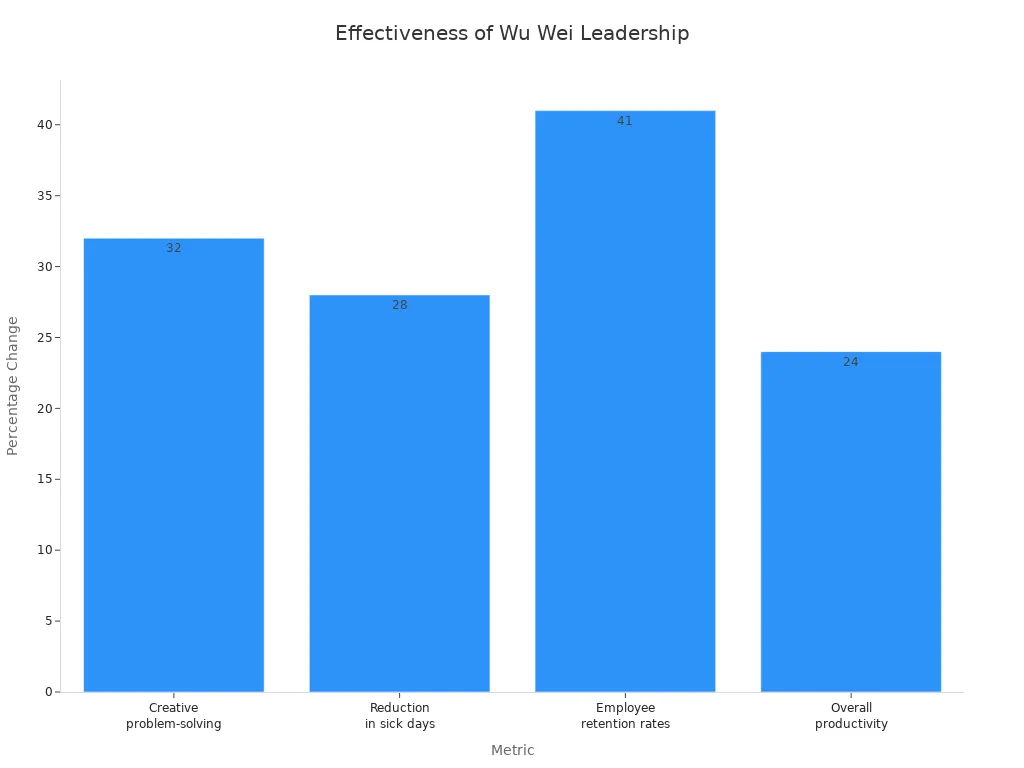
You may see that Wu Wei brings more new ideas, less stress, and better balance at work.
Unique Taoist Contributions
Taoist philosophy gives you special ways to help your wellness and mindfulness. You learn to focus on Chi and follow the Tao. This helps you feel calm and clear.
Taoist meditation uses breathing and pictures in your mind. You can feel more awake and balanced. Taoism teaches you to connect with nature and your surroundings.
The table below shows what Taoist philosophy adds to wellness today:
Contribution |
Description |
|---|---|
Holistic Principles |
Connects your mind, body, society, and nature for full wellness. |
Cultivation of Chi |
Uses breathing to balance your life force and help your health. |
Mindfulness Practices |
Encourages meditation and harmony with nature for strong emotions and peace. |
You can see experts talk about self-awareness and knowing your surroundings. Taoist philosophy helps you trust yourself and take care of yourself. These ideas can help you build a strong base for feeling well.
You can see Taoist philosophy in wellness and mindfulness today. When you use Taoist practices, you get many good things:
You learn to let go and feel peaceful.
You balance your body and mind to stay healthy.
Qigong and Tai Chi help your blood flow and calm your mind.
You connect with who you are and make strong friendships.
Studies show people feel more balanced and less sad with these ideas. Experts say you should focus on your body, breath, and mind. Try movement, meditation, and self-healing every day.
Pieces That Carry This Intention
Beads meant to be handled while you practice, not just worn.


FAQ
What is Taoist philosophy?
Taoist philosophy teaches you to live in harmony with nature. You learn to balance your mind, body, and spirit. Taoism helps you find peace and clarity in daily life.
What does Wu Wei mean for wellness?
Wu Wei means you act without forcing things. You follow the natural flow. This helps you lower stress and feel calm. You learn to let go and trust the process.
What are easy Taoist practices for beginners?
You can start with mindful breathing, gentle stretching, or quiet sitting. Try spending time in nature. Practice letting go of worries. These steps help you feel balanced and relaxed.
What makes Taoist mindfulness different from other styles?
Taoist mindfulness uses movement, breath, and nature. You focus on balancing your energy, called Qi. You learn to accept change and find harmony in your life.
What benefits can you expect from Taoist wellness techniques?
You may notice better mood, clearer thinking, and less stress. Your body feels stronger. You connect with yourself and others. Taoist practices support your health and happiness.
See Also
How Embracing Wu Wei Makes Work Less Stressful
Ancient Taoist meditation for inner peace
Fun Tai Chi Games for Families: 3 Easy Activities Everyone Can Try