
Taoist Cosmology Explained: From Void to 10,000 Things

Taoist cosmology says the universe starts with the Tao. The Tao is an eternal force found in the Tao Te Ching. This idea teaches that everything comes from emptiness. It grows step by step. The Tao creates wuji. Wuji leads to yin and yang, the three treasures, and the five elements. These elements help make everything in nature. Many people think Taoism is a way to connect with life’s patterns. Surveys in China say about 10% of people follow Taoist or folk religion. The number goes up to 21–22% if folk customs are counted.
Key Takeaways
The Tao is the never-ending source of everything. It shows pure possibility and the start of the universe.
Yin and Yang are important forces that keep things balanced. They show how opposites work together to make harmony.
The Five Elements including Wood, Fire, Earth, Metal, and Water work in cycles. They help explain how things in nature change and connect.
Taoist cosmology says life follows natural cycles. It tells people to live in harmony with these patterns for balance and peace.
Learning Taoist ideas can help people feel close to nature. It can also make their daily lives better with easy habits.
Taoist Cosmology: The Journey from Tao to Creation
Tao and Wuji: The Primordial Source
Taoist cosmology begins with the Tao. The Tao stands as the ultimate source of all reality. It is not a god or a person. Instead, it is the endless force behind everything. In the Tao Te Ching, the Tao is described as both nameless and the beginning of heaven and earth. This idea shapes much of eastern philosophy and spirituality.
The nameless is the beginning of heaven and Earth. The named is the mother of the ten thousand things.
Tao begot one, One begot two, Two begot three, And three begot the ten-thousand things.
Scholars explain that before anything existed, there was wuji. Wuji means the limitless void. It is a state with no shape, no form, and no boundaries. Wuji represents pure potential. It holds everything and nothing at the same time. In Taoist cosmology, wuji is the undivided origin. It comes before any duality or difference. This void is not empty in a negative sense. Instead, it is full of possibility.
“Refining Spirit to return to Emptiness” is the highest ideal of the alchemical doctrines.
Wuji leads to Tai Chi, which marks the start of change. Tai Chi brings the first movement. It introduces the balance of opposites. This is where yin and yang appear. The shift from wuji to Tai Chi shows how unity becomes diversity. All things in the universe begin from this process.
In Chapter 28 of the Tao Te Ching, Lao Tzu describes wuji as the boundless state before polarity.
Chapter 42 shows the progression from the Tao to the rise of many things, pointing to wuji as the source.
The idea of wuji matches the principle of Wu Wei, which means acting in harmony with nature.
Tao Engenders One, Two, Three
The next step in Taoist cosmology explains how the Tao creates everything. The Tao gives birth to the One. The One stands for unity. It is the first spark of existence. From the One comes the Two. The Two means yin and yang. These are the basic forces of the universe. Yin and yang are not enemies. They work together to keep balance.
Tao: The unconditional and unknowable source of all reality.
Wuji: The ultimate, boundless, infinite, undivided universe.
Tai Chi: The interplay of yin and yang.
Tian-Ren-Di: Heaven, Man, Earth, which leads to all things.
From the Two comes the Three. The Three represents the blending of yin and yang with Qi, the vital energy. This step marks the start of all creation. The Three then gives rise to the ten thousand things. This phrase means all things in the world, from stars to people to rivers.
The Tao gives birth to the One. The One gives birth to the Two. The Two give birth to the Three. The Three give birth to the ten thousand things.
In Taoist philosophy, the energy of the One transforms into the Three Pure Ones. These are the first spiritual beings. They show the move from unity to diversity. This process highlights how everything connects in Taoist thought.
The Energy of The One is the source of all existence.
The transformation into the Three Pure Ones marks the start of difference in the universe.
This process shows the link between all things in Taoist philosophy.
The ten thousand things carry yin on their back and embrace yang. Through the mixing of Qi, they reach harmony. This view helps people see the world as a web of connections. Taoist cosmology teaches that everything comes from the Tao, moves through stages, and returns to unity. This cycle shapes both the universe and personal experience.
Yin and Yang: Duality and Balance
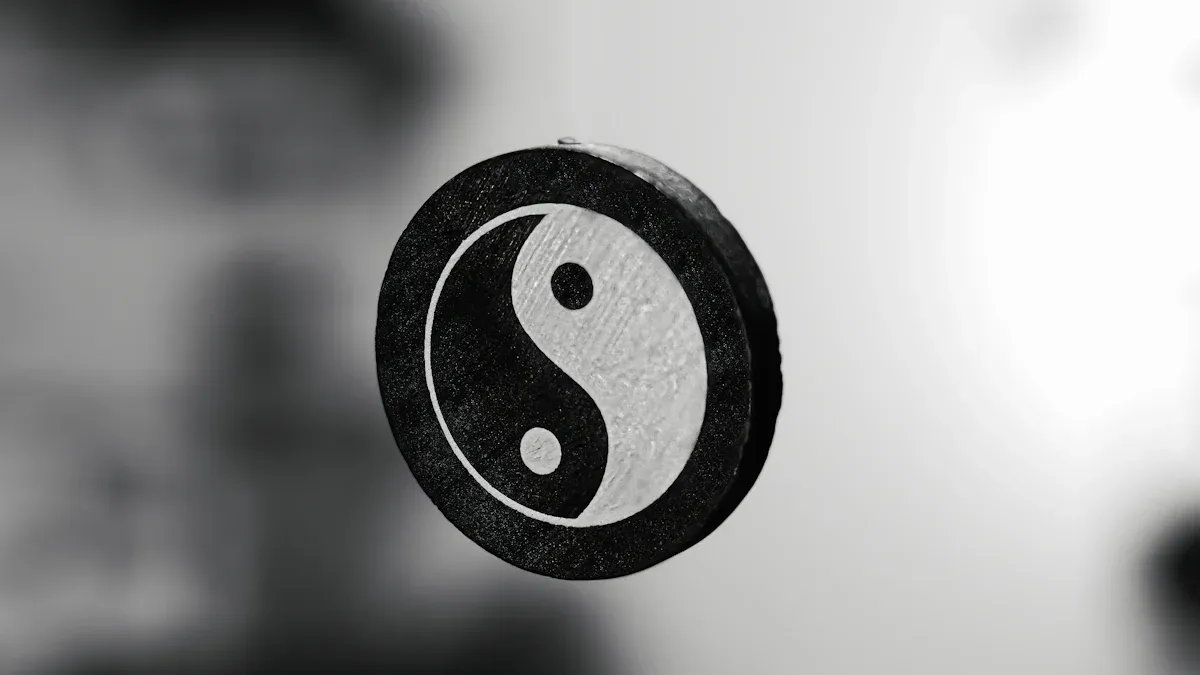
Emergence of Yin and Yang
Yin and yang are very important in Taoist cosmology. These two forces help explain how the universe changes from one thing to many things. At first, the Tao creates wuji, which is a place with endless possibilities. Wuji is empty and has no shape. Then, movement starts and makes Tai Chi. Tai Chi brings yin and yang into the world. This is when differences begin in the universe.
Taoist writings say wuji cannot be seen or touched. Tai Chi acts like a mother and gives life to yin and yang. Yin and yang come together and help form everything. Wang Bi, who studied these ideas, said wuji has the power to make the universe. Zhou Dunyi, another thinker, said wuji and Tai Chi are like a parent and child.
The oldest mentions of yin and yang are in the I Ching. The I Ching is also called the Book of Changes. It was written a long time ago. The Tao Te Ching, by Lao Tzu, talks about these ideas too. Both books show how yin and yang work in nature and in people’s lives.
A table can show how yin and yang became important in China:
Evidence |
Description |
|---|---|
Historical Context |
People learned about yin and yang as early as the 8th century B.C.E. By the 2nd century B.C.E., these ideas were a big part of Chinese cosmology. |
Integration into Philosophy |
During the Han dynasty, yin and yang were linked with wuxing. This made them a key part of Chinese philosophy and cosmology. |
By the 2nd century B.C.E., people used yin and yang to explain how things change. These ideas helped people understand nature’s cycles, like seasons and life’s patterns. Over time, yin and yang became part of everyday life, rules, and medicine.
(If you want to have a deeper understanding of yin and yang in Taoism, see Yin and Yang in Daily Life: Taoist Teachings for Balance at Work and Home.)
Interplay and Harmony
Yin and yang do not fight. They work together to keep things balanced. Each force has a little bit of the other inside. This is shown in the Tai Chi Symbol. The Tai Chi Symbol shows yin and yang need each other. It also shows that things are always changing.
Many pictures in Taoist cosmology show this idea. The He Tu and Luo Shu diagrams use pairs to show balance. The Tai Chi Symbol stands for the highest difference. It shows how important yin and yang are as the first rule of the universe.
Diagram |
Description |
|---|---|
He Tu |
Shows pairs and balance of energies. Yin and yang are shown in main directions. |
Luo Shu |
Like He Tu, it shows how yin and yang depend on each other. |
Nature gives many examples of how yin and yang work together. Taoist philosophy uses cycles to show how yin and yang change and mix:
Cycle |
Yin Phase |
Yang Phase |
Transition Point |
|---|---|---|---|
Daily |
Night (rest) |
Day (activity) |
Dawn/Dusk |
Seasonal |
Winter (dormancy) |
Summer (growth) |
Spring/Autumn |
Life |
Sleep (restoration) |
Wakefulness (action) |
Transitional moments |
Yin and yang are opposites but they help each other. You can see this in being alone and being with others. Taoism teaches that hard times and good times help people learn. Change is always happening, and the balance between yin and yang keeps moving. This helps people see the world as a place that is always changing.
In eastern philosophy, yin and yang show how heaven and earth are connected. They explain how everything is linked and always changing. Taoist cosmology uses these ideas to talk about how energy moves in the universe. The balance of yin and yang affects everything, from stars to tiny living things.
“The ten thousand things carry yin on their back and embrace yang. Through the mixing of Qi, they reach harmony.” — Tao Te Ching
Five Elements and the Ten Thousand Things
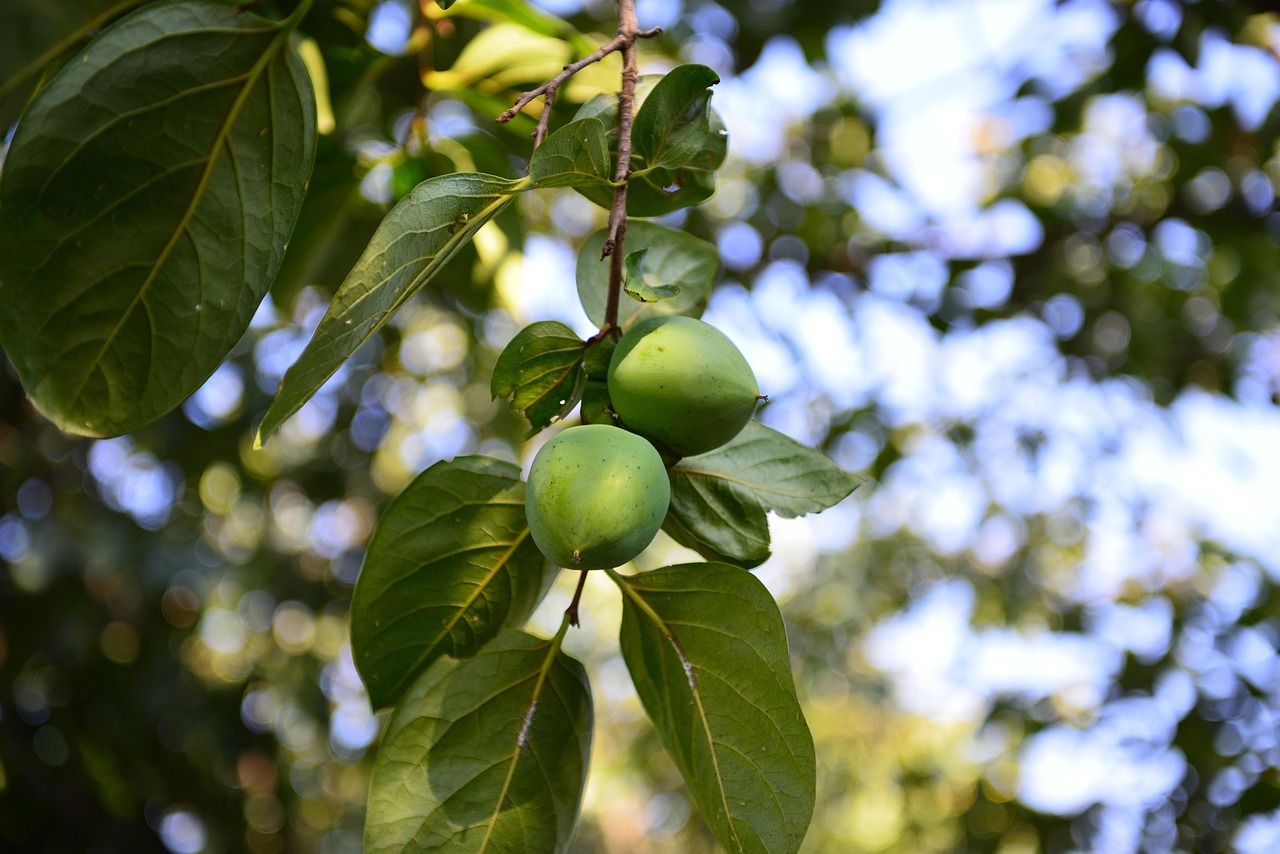
Five Elements: Wood, Fire, Earth, Metal, Water
Taoist cosmology talks about five main elements. These elements are Wood, Fire, Earth, Metal, and Water. Each one has special traits. They link to seasons, feelings, body parts, and directions. The table below lists their main features:
Element |
Characteristics |
Emotion |
Body Organs |
Season |
Direction |
Planet |
Colors |
|---|---|---|---|---|---|---|---|
Fire |
Masculine, yang, love, passion, leadership |
Happiness |
Heart, small intestines |
Summer |
South |
Mars |
Red, Purple |
Earth |
Yin, stable, practical, empathetic |
Sympathy |
Stomach, spleen |
Seasonal transition |
Center |
Saturn |
Yellow, Gold |
Metal |
Feminine, strength, independence, focus |
Grief |
Lungs, large intestines |
Autumn |
West |
Venus |
White, Silver |
Water |
Powerful, creative, sensitive |
Fear |
Kidneys, bladder |
Winter |
North |
Mercury |
Black, Gray |
Wood |
Bold, idealistic, compassionate |
Anger |
Liver, gallbladder |
Spring |
East |
Jupiter |
Green, Blue |
Each element has both yin and yang sides. These sides help show how things change in nature and people.
(To explore more about five elements, check out The Five Elements in Taoism Beyond Fortune Telling.)
Manifesting the Ten Thousand Things
The Five Elements work together in cycles. They help make and change everything in the universe. Taoist ideas call these the generative and destructive cycles. In the generative cycle, Wood helps Fire grow. Fire makes Earth. Earth gives Metal. Metal holds Water. Water helps Wood. The destructive cycle shows how each element can control another. For example, Water stops Fire. Fire melts Metal. Metal cuts Wood. Wood holds Earth. Earth keeps Water in place.
The Five Elements mix in many ways.
They help form the ten-thousand things, like people, animals, and nature.
Everything in the world has a mix of these elements.
Taoism says nothing stays the same forever. Everything changes. The Five Elements show how energy moves up, down, out, in, or stays in the middle. This process connects heaven, earth, and all living things. The Tao Te Ching and other books use these ideas to explain the world. Eastern philosophy sees the universe as a web of change, led by the Five Elements. People can use this to learn about health, feelings, and life’s flow.
Cyclical Universe and Practical Implications
Cycles of Transformation
Taoist cosmology says the universe moves in repeating cycles. These cycles show up in nature, the sky, and in people’s lives. People notice these patterns in the seasons, the sun and moon, and how plants grow. The table below lists some main cycles:
Cycle Type |
Manifestation |
Significance |
|---|---|---|
Seasonal |
Spring, Summer, Autumn, Winter |
Times for birth, growth, harvest, and rest |
Celestial |
Day and Night |
Shows Yang (active) and Yin (quiet) balance |
Elemental |
Five Phases: fire, earth, metal, water, wood |
Energy always changing |
Cosmic |
Creation and Dissolution |
Universe returns to its first unity |
Each cycle links to a part of life. Spring means new life. Summer means things grow. Autumn means harvest. Winter means rest. Taoist ideas say these cycles show energy moving between heaven and earth. The five elements including wood, fire, earth, metal, and water help explain how things change. People see these cycles in the moon’s phases, the time of day, and their own bodies.
Taoist Cosmology in Daily Life
Taoist beliefs tell people to live in harmony with these cycles. Many practices help people match the natural world. The table below shows how cosmology shapes daily habits and growth:
Concept |
Description |
|---|---|
Unity to Multiplicity |
All things come from the Tao and go back, linking people to the universe. |
Practices |
Breathwork, rituals, and movement follow nature’s patterns. |
Return to Unity |
Reminds people to look for balance and simple living, like nature’s cycles. |
People can use easy habits to follow these cycles. Eat when hungry. Rest when tired. Spend time outside. Taoist teachings say to let go of control and let life move. Smiling, deep breathing, and accepting life help people feel calm. Taoist ethics focus on growing and changing inside, not strict rules. Eastern philosophy sees the universe as a web of change. Each person is part of this web. By following these ideas, people can find balance and harmony every day.
Taoist cosmology explains how everything starts with the Tao. The Tao is the endless source of all things. From the Tao, the universe grows into the ten thousand things. This process shows cycles, balance, and change. Taoist ideas teach people to be confident and keep trying. They also help people feel hopeful. Today, experts think Taoism helps us understand how we connect with others and nature. You can learn more by reading books like "Eternal Light" by Master Ni Hua Ching or "The Secret of the Golden Flower."
Taoist wisdom tells everyone to find harmony and grow by following nature’s flow.
Pieces That Carry This Intention
Yin-yang and five-element pieces, for when the idea needs something to hold.


FAQ
What is the Tao in Taoist cosmology?
The Tao is the source of everything. It stands for the endless force that creates and connects all things. People cannot see or touch the Tao, but it shapes the universe and life.
What do Yin and Yang mean?
Yin and Yang are two opposite forces. Yin stands for darkness, rest, and coolness. Yang stands for light, activity, and warmth. Together, they keep the world balanced and always changing.
What are the Five Elements?
The Five Elements are Wood, Fire, Earth, Metal, and Water. Each element has special traits. They work together in cycles to explain how things grow, change, and interact in nature and people.
What does “ten thousand things” refer to?
The “ten thousand things” means everything in the world. This phrase includes people, animals, plants, and objects. It shows the great variety that comes from the Tao through many steps.
What can someone learn from Taoist cosmology?
Taoist cosmology teaches people to see patterns in nature and life. It helps them understand change, balance, and connection. Many use these ideas to find harmony and peace in daily living.
See Also
Yin and Yang in Daily Life: Taoist Teachings for Balance at Work and Home