
Taoist Afterlife: What Happens When We Die?

Taoism says that death is a change, not a finish. The Taoist afterlife is about the idea that life and death are always connected. Many Taoist beliefs say the soul has two parts, Hun and Po. Some people think souls are reborn, but others believe in immortality as what lasts forever. Taoist groups in places like Taiwan and the United States do rituals based on these ideas about the afterlife.
Key Takeaways
Taoism sees death as a change, not the end. This idea helps people accept and understand life’s cycle.
The soul has two parts: Hun and Po. Hun is the spiritual side. Po is linked to the body. Rituals help both parts find peace.
Reincarnation is important in Taoism. The soul can come back in a new form. This shows why living a good life matters for the future.
Immortality in Taoism means joining with the Tao. It is about spiritual unity. It needs personal growth and change, not just living forever.
Taoist funeral rituals honor people who have died. These rituals guide their souls. They help families connect with ancestors and support their afterlife journey.
Taoist Afterlife Beliefs
Soul Duality: Hun And Po
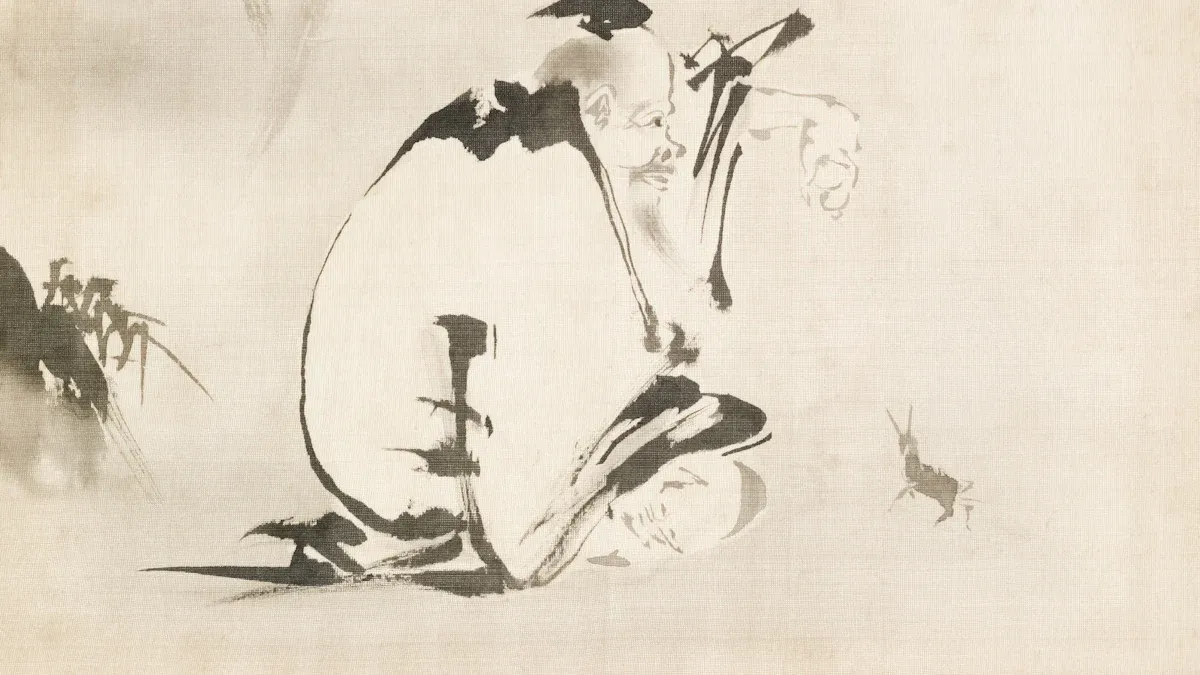
Taoism says each person has two souls called Hun (魂) and Po (魄). These souls show different sides of life and death. Hun is the lighter, yang soul. Po is the heavier, yin soul. Hun connects to the sky, and Po connects to the ground. When someone dies, Hun goes to the spirit world. Po stays with the body or goes into the earth. Taoist experts say Hun is the spiritual side. Po is the physical side. Special rituals help Hun rise up and help Po rest.
Taoist books talk a lot about Hun and Po. The Taiping Jing, Daozang, Chuang Tzu, and Huainanzi all explain how these souls change after death. These writings say that balance between Hun and Po brings peace and helps people grow.
Text |
Description |
|---|---|
Taiping Jing |
Talks about souls in the universe and how they must balance for peace and good actions. |
Daozang |
Has many writings that make Hun and Po special, and says rituals help them join and rise. |
Chuang Tzu |
Shows Hun as a soul that wanders and changes, always moving. |
Huainanzi |
Tells what happens to Hun and Po after death, and says rituals are needed. |
Term |
Meaning |
Fate after Death |
|---|---|---|
Hun |
Yang, lighter parts, heavenly soul |
Goes to Heaven |
Po |
Yin, heavier parts, earth soul |
Goes to Earth |
Taoist afterlife ideas also talk about the Three Treasures: Jing, Qi, and Shen. These help the soul move on and change. Taoists think caring for these treasures helps the dead find peace and unity.
Reincarnation In Taoism
Taoist beliefs say reincarnation is real. Taoism teaches that death is a change, not an end. The soul might come back in a new body or mix with other souls. Taoist books do not give many rules about reincarnation. They focus on the soul’s journey and living a good life.
Taoists care about life now and the soul’s path.
Chuang Tzu says life energy goes back to the Tao and comes back as new life.
Most Taoists think souls do not return whole. The mind breaks apart and mixes with other souls, making a new soul.
The idea of ling, or soul, is very important. If the mind is whole, it can come back. If it is broken, it cannot.
Karma is the Law of Return. What you do matters and can affect your next life.
Taoist afterlife ideas are not the same as other Eastern religions. Taoism thinks immortality is a natural part of the soul. The soul is reborn until it joins with the Tao. Buddhism says reincarnation is suffering, and Nirvana is the goal. Taoism uses rituals to clean karma, but Buddhism does not.
(To learn more about Taoist view on death, see Taoism view death.)
Immortality And Transformation
Taoist afterlife ideas say immortality is more than living forever. Immortality means joining with the Tao and changing inside. Taoists believe death is a normal step. The afterlife is a time to change and grow.
Death is a step, not the end.
Reincarnation is part of life’s cycle.
The afterlife is a time to change, showing the Tao’s idea of change.
Taoist lessons say self-improvement and meditation help the soul change. Taoists do rituals and try to be good to reach immortality. Old books like Chuang Tzu, Tao Te Ching, Baopuzi, and Kinship of the Three tell how to change the spirit and live forever.
Source |
Description |
|---|---|
Chuang Tzu |
Talks about the 'true man' who lives past death. |
Tao Te Ching |
Says you can live forever by following the Tao. |
Baopuzi |
Gives steps for alchemy to live forever. |
Kinship of the Three |
Explains inner alchemy for immortality. |
Taoist afterlife beliefs tell people to see death as a step to spiritual unity. Taoism says the dead can live on as part of nature. Immortality means living long and changing the spirit. Taoists believe the spirit world welcomes those who find harmony with the Tao.
Taoism Afterlife Concepts In Rituals
Funeral Customs
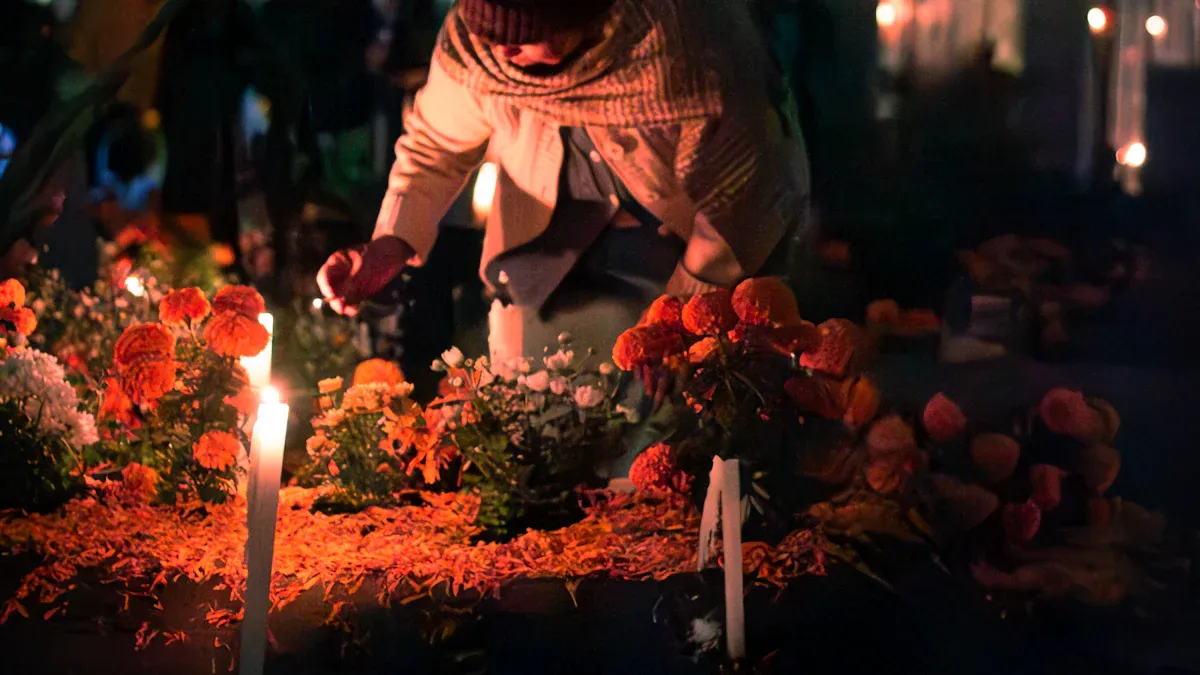
Taoist funeral rituals show how Taoists think about life after death. These customs help families honor loved ones and guide their souls. Taoists see death as a change, not the end. Families and priests work together to help the soul start its journey.
The body is washed and dressed in white for peace.
Priests say chants and prayers to help the soul move on.
Joss paper and spirit money are burned for comfort in the afterlife.
The oldest son carries a photo to show respect and family unity.
Statues of deities are covered with red cloth so they do not see death.
Offerings like jade and money are sent for happiness in the spirit world.
Rituals can last hours, with music, incense, and special actions to guide the soul.
Practice Description |
Details |
|---|---|
Preparation of the Deceased |
Bathing, dressing, and putting items in the casket |
Offerings |
Burning joss paper and hell money for comfort in the afterlife |
Mourning Period |
49 days of prayer, incense, and rituals to help the soul |
Burial vs. Cremation |
Both are important, chosen by family and priest advice |
Taoist funeral rituals help Hun rise and Po rest. These rituals support the soul as it moves through reincarnation or toward immortality.
Spiritual Preparation
Taoist spiritual practices help the soul get ready for its journey. These rituals help the dead move safely to the afterlife. They also support the soul in reaching immortality or eternal life. Taoism teaches that spiritual preparation is needed for peace after death.
Rituals |
Purpose |
|---|---|
Washing and dressing |
Gets the soul ready for its journey |
Altar with offerings |
Gives comfort and support to the soul |
Burning joss paper |
Gives things the soul needs in the afterlife |
Talismanic symbols |
Protects the soul during its journey |
"Crossing the Bridge" |
Helps the soul move to the next world |
"Opening the Way" |
Calls deities and ancestors to guide the spirit |
Mourning practices |
Shows respect and helps the soul |
49-day mourning period |
Helps the soul move on and keeps cosmic order |
Taoist funeral rituals focus on guiding the soul. They help with reincarnation or the search for immortality. Taoists see death as a normal part of life. These practices help families honor loved ones and support their journey in the afterlife.
Family And Community Roles
Ancestor Veneration
Ancestor veneration is very important in Taoism. Families honor their loved ones who have died with special rituals. These rituals help guide the soul in the afterlife. Taoist beliefs say each soul has a yin part called po and a yang part called hun. Both parts need rituals for peace and spiritual balance. Families do things like washing the body and wearing white clothes to show respect. These actions also help the soul on its journey. Sacrificial rites include burning incense every day and having special services on anniversaries. These acts keep a strong bond between the living and the spirit world.
Families come together for big festivals like Qingming and Zhongyuan. They clean the graves of their ancestors and make offerings. At Qingming, families give three sacrifices: a pig head, chicken, and fish. These foods stand for plenty and good luck. Families also make regular offerings at home altars. This helps the dead feel comfort and supports their next life or immortality.
Practice |
Description |
|---|---|
Family Involvement |
Family members get the body ready and do rituals. |
Mourning Period |
Families spend time thinking and praying, not celebrating. |
Regular Offerings |
Families keep close to the dead by making offerings at home. |
Community Support
Community support is very important in Taoist afterlife rituals. Neighbors and friends join the family to honor the person who died. They help guide the spirit with care and respect. People put food and other things on altars for the dead. The funeral procession is led by a Taoist band. This band helps keep away bad spirits and makes the place peaceful for the soul. After the burial, the community still helps with rituals and offerings at the grave. This helps the dead move on in the afterlife.
The wake brings everyone together to pray for the dead.
Priests lead chanting and prayers during the funeral, and the community joins in to help the soul.
After the funeral, more rituals keep the bond strong and help the soul find peace or a new life.
Different Taoist groups, like Cantonese, Hakka, and Hainanese, have their own special rituals. The Hakka give many gifts to ancestors. The Hainanese use water to clean for purity. All these actions show how important family and community are in Taoist afterlife beliefs.
Comparing Taoism Afterlife Concepts
Reincarnation Vs. Immortality
Taoism has two main ideas about the afterlife. These are reincarnation and immortality. Reincarnation means the soul moves into a new life. Immortality means the soul joins with the Tao and lives forever. Old Taoist books talk more about immortality. They say it is something you find, not something you earn. Spiritual growth helps the soul join with the Tao. Later, Taoists started to believe in reincarnation. This happened because Buddhism influenced them. The main goal is still to return to the Tao.
Immortality is about growing spiritually and living forever.
Reincarnation is accepted but is not the main idea.
Karma in Taoism is not the same as in Buddhism. In Buddhism, karma shapes how you grow spiritually.
Concept |
Taoism |
Buddhism |
|---|---|---|
Reincarnation |
Not the main idea, focuses on returning to the Tao |
Teaches rebirth based on karma |
Immortality |
Tries to reach physical immortality |
Wants nirvana, escaping rebirth |
Afterlife |
Has heavenly places and honors ancestors |
Has many worlds called samsara |
Taoist ideas say the soul moves to another life. It does not come back the same way as in Buddhism. Both Taoism and Buddhism teach people to let go of wants to reach their goals.
Confucianism, Taoism, and Buddhism do not think life and death are the biggest problem. Confucianism says suffering comes from not having virtue. Taoism says suffering is pain inside. Zen Buddhism says suffering is holding onto not knowing.
Impact On Daily Life
Taoist beliefs about the afterlife affect daily choices. People who follow Taoism care for their health and nature. They think how food is treated is important. Eating food that was treated badly can hurt health and the spirit. Taoist books say the body is like a small universe. Keeping the body in balance with nature helps the spirit grow and live longer.
Choices in life affect health and the afterlife.
Being good with food and actions helps make a healthy society.
Keeping the body in balance with the universe helps people do good things.
Families honor loved ones with rituals and ancestor veneration. These acts help souls find peace and move toward reincarnation or immortality. Taoist practices teach people to live simply and respect nature. They also teach people to look for spiritual harmony. By looking at reincarnation and immortality, Taoism helps people focus on unity and living well every day.
Taoism says death is part of life. People think the afterlife is a trip for the soul. The soul changes and grows during this journey. Immortality means joining with the Tao. It also means reaching unity with everything. Funeral rituals help guide the soul. These rituals show respect for the dead. Taoists believe regular spirits go to a yin realm. Sages reach special immortal realms. The afterlife is not a punishment. It is a chance for the soul to change. Living in harmony helps the soul find peace. Practicing spiritual cultivation also brings peace.
Death is a change, not the end.
Rituals and daily habits show belief in immortality and unity.
Pieces That Carry This Intention
A few pieces from the shop that sit close to what this article is about.


FAQ
What does Taoism teach about the soul after death?
Taoism says the soul has two parts. Hun goes up to the spirit world. Po goes back into the earth. Rituals help both parts find peace and balance.
What is the purpose of Taoist funeral rituals?
Taoist funeral rituals help guide the soul’s journey. Families and priests use chants, offerings, and symbols. These things support the soul and honor the person’s life.
What is spiritual preparation in Taoist beliefs?
Spiritual preparation helps the soul get ready for the afterlife. Taoists wash and dress the body and use talismans. These steps protect the soul and help it on its journey.
What happens to ancestors in Taoism?
Families honor ancestors with offerings and rituals. These actions keep a strong bond with the spirit world. Ancestors get respect and help for their journey.
What is the difference between reincarnation and immortality in Taoism?
Reincarnation means the soul starts a new life. Immortality means the soul joins with the Tao and lives forever. Taoism teaches both, but spiritual growth leads to unity with the Tao.