
Taoist Approach to Effortless Living Through Wu Wei

Wu Wei is the main idea in Taoism. It shows people how to live without trying too hard. Taoist thinkers say Wu Wei means acting without forcing things. Actions should come naturally from what is happening now. This main idea does not mean you do nothing. It asks people to answer life with simple and easy actions. Old books like the Tao Te Ching and new writers like Alan Watts agree. Wu Wei means letting life happen without extra struggle. People who follow this idea often feel more joy. They have less stress and feel more peace in daily life.
Key Takeaways
Wu Wei means acting in a natural way without pushing things. It helps life go smoothly and lowers stress. Practicing Wu Wei means waiting for the right time to act. It means moving with life’s flow, not fighting it. Using Wu Wei helps you handle emotions calmly. You accept your feelings and respond in a relaxed way. Parents and leaders can guide others better by being patient and flexible. They act only when it is needed. Simple daily steps can help you live with less effort. You can pause before you react, spend time outside, and enjoy quiet moments. These things support living in an easy way.
Taoism and Wu Wei

Meaning of Wu Wei
Classic Quote from Tao Te Ching
“The Tao never acts, yet nothing is left undone.” (Tao De Jing, Chapter 37)
This classic line from the Tao De Jing captures the core essence of Wu Wei. It shows how the Tao, or the natural way, brings about everything without forcing or pushing. The words remind readers that true power often comes from gentle, effortless action.
Explanation
Wu Wei stands as a core essence in Taoism and taoism. The philosophy of Wu Wei began in ancient China, with roots in the Tao De Jing and the Zhuangzi. These texts teach that Wu Wei means acting in harmony with the Tao, the natural order of the world. Early Taoist thinkers like Laozi and Zhuangzi described Wu Wei as effortless action, or actionless action. They believed that when people stop forcing things and let events unfold, life becomes smoother and more joyful.
Taoist texts explain that Wu Wei is not about doing nothing or being lazy. Instead, it is about not doing what goes against the flow of nature. This idea is called non-action, but it really means acting at the right time and in the right way. People who practice Wu Wei learn to try without trying. They respond to life with calm and awareness, letting their actions come naturally. This core essence helps people find balance and peace.
Modern scholars see Wu Wei as a way to reduce stress and make better choices. They say it is a practice of not doing what is forced. Instead, people act when the time feels right. This approach helps in daily life, from work to relationships. The core essence of Wu Wei is about being present and letting things happen with ease.
Wu Wei – Doing Nothing
Many people think Wu Wei – doing nothing means sitting around and waiting. This is a common mistake. Wu Wei – doing nothing is not about being passive or lazy. Taoism teaches that Wu Wei – doing nothing is a mindful way to live. It means acting when needed and resting when it is time. The core essence of this idea is to move with the flow, not against it.
Taoist philosophers give many examples. A martial artist uses an opponent’s energy instead of fighting back with force. A leader guides by example and lets people find their own way. These stories show that Wu Wei – doing nothing is about skillful, effortless action. It is actionless, but not careless. People who follow this path learn to act with purpose and awareness.
Wu Wei – doing nothing helps people avoid stress and burnout. It teaches them to let go of control and trust the process. This core essence is like water flowing around rocks. Water does not stop or force its way. It finds the easiest path and keeps moving. In Taoism, this is the heart of effortless living.
Non-Action and Nature
Harmony with the Flow
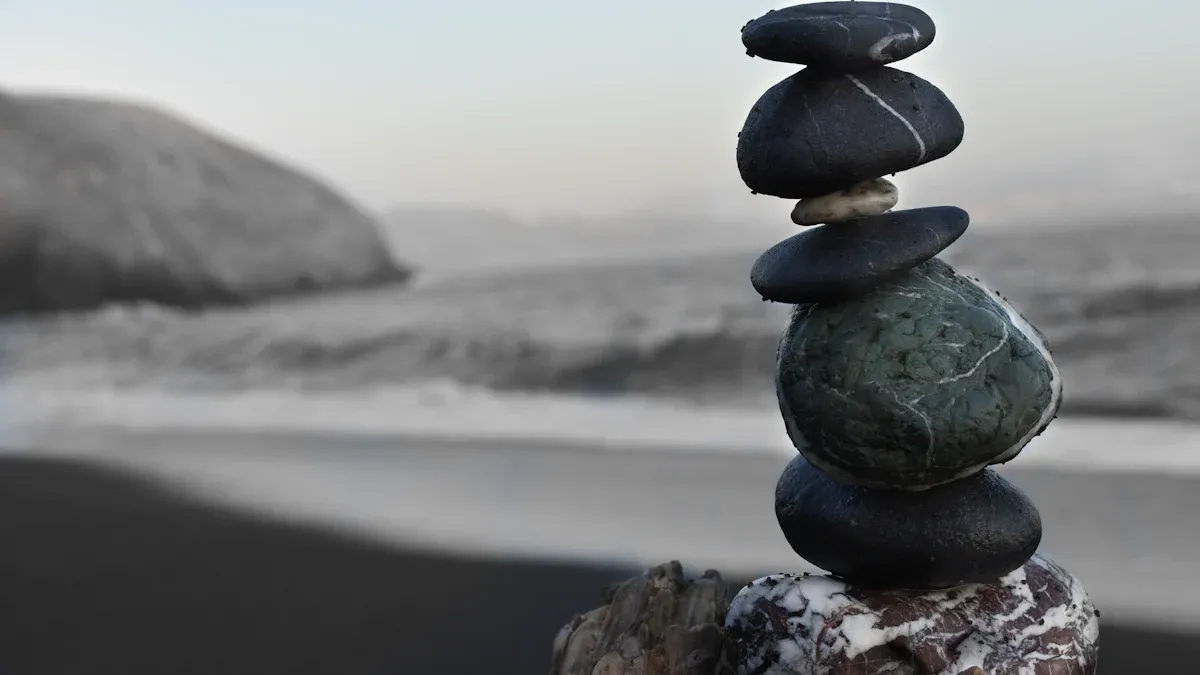
Non-action, or Wu Wei, is very important in Taoism. It teaches people to act easily by going with life’s flow. Instead of forcing things, they wait for the right time. This helps them feel less stress and find balance every day. Science shows that following natural rhythms, like resting and working, is healthy. People who use Wu Wei feel calmer and make better choices. They do not try to control everything. They trust things will work out and let life happen. This makes non-action a strong way to live well.
Taoism’s non-action is not like other beliefs. For example, Christianity asks people to do good deeds and follow rules. Taoism tells people to watch, think, and act only when needed. This way of thinking helps people face problems with less worry. By picking the right time to act, they find more balance and new ideas.
Metaphors from Nature
Nature gives many lessons about Wu Wei and nonaction. Taoist books use water, trees, and earth to explain these ideas. Water moving through cracks shows how being gentle can win over hard things. Fish swim without effort, showing how to live with the flow. Still water is like a calm mind, which is important in Wu Wei.
People often hear “be like water.” This means to stay flexible and change when needed. Water always finds the easiest way and does not force things. Leaves growing on trees show how life can happen on its own. These examples show how much Taoists respect nature. By watching nature, people learn to act easily and find peace in life’s flow.
Wu Wei and Emotional Regulation
Wu Wei Principles for Emotional Balance
Wu Wei teaches people to handle emotions with calm and ease. The core essence of Wu Wei is to let feelings come and go without forcing control. This approach helps people stay balanced, even when life feels hard. Wu Wei encourages present moment awareness, which means noticing feelings as they happen. People learn to accept emotions instead of fighting them. This mindset brings more peace and less stress. Many find that Wu Wei supports a spiritual sense of harmony, making it easier to face daily challenges.
Modern science shows that Wu Wei, like mindfulness, can help the brain manage emotions better. Practices such as Tai Chi and Qigong, which use Wu Wei ideas, help people feel less anxious and more relaxed. These practices change how the brain reacts to stress, making it easier to stay calm.
Practical Techniques for Applying Wu Wei in Stressful Situations
People can use Wu Wei in daily life by following simple steps:
Observe feelings before reacting. Take a breath and notice what is happening inside.
Let conversations flow. Do not try to control every word or outcome.
Accept stress as part of life. Work toward solutions without pushing too hard.
Practice present moment awareness by focusing on breathing or gentle movement.
Take breaks and move with the natural rhythm of the day.
These techniques help people act with effortless calm. They allow emotions to pass without getting stuck. The core essence of Wu Wei is to move with life, not against it.
Real-Life Examples of Wu Wei in Emotional Regulation
A student feels nervous before a test. Instead of fighting the fear, she notices her breath and lets the feeling pass. She focuses on the present moment and answers each question calmly. A parent faces a child’s tantrum. He listens and waits, letting the storm pass without yelling. At work, a team leader faces a problem. She accepts the challenge, listens to ideas, and lets the solution appear naturally. In each case, Wu Wei helps people stay balanced and respond with ease.
Journey to Wu Wei in Life
Parenting and Leadership
Parents and leaders often feel they must control things. But Wu Wei teaches that real guidance comes from being present and flexible. Many parents use Wu Wei by thinking before they act. They watch their kids and respond with care, not force. For example, if a child has trouble at school, a parent might not talk to the teacher right away. Instead, the parent waits, accepts what is happening, and looks for a better place for the child to learn. This shows that Wu Wei is about mixing acceptance with smart choices.
Leaders can also use Wu Wei in their work. They notice how groups work together and see how people act. When a team has problems, a Wu Wei leader does not push for answers. The leader listens, changes plans if needed, and helps the group find peace. Being kind and knowing yourself helps parents and leaders avoid fighting. They learn to use their energy well, keep things balanced, and act only when it feels right. This way lowers stress and helps everyone do better together.
Tip: Mindfulness and thinking about your actions help parents and leaders stay focused on now. This leads to better choices and gentle help.
Life Management Practices
Living with the flow is a big part of the taoist way. People who follow Wu Wei pick actions that fit what is happening. They stop trying to force things and let life happen. For example, instead of fixing an email over and over, they send it and move on. When someone says something mean, they wait and listen before answering. Listening first stops fights and keeps things calm.
Many people feel free when they let nature guide them. They walk outside, breathe fresh air, and feel happier. Being in nature lowers stress and makes people feel good. Walking or running outside helps people relax more than doing these things inside. Being close to nature helps people feel better and recover from stress.
People who like quiet also practice Wu Wei. They enjoy peaceful times and know that sometimes, doing nothing is best. By accepting what is happening now, they live well as they get older. They do not fight change but go with it, finding peace at every age.
Here are some easy ways to use Wu Wei every day:
Stop and think before you react.
Let go of trying to control everything.
Go outside to feel better.
Let things happen without strict plans.
Enjoy quiet and rest as much as being busy.
Wu Wei means acting calmly and when the time is right. It is not about doing nothing, but about picking the best moment. This path helps people live happier and with less stress. By choosing Wu Wei, anyone can feel lighter and do better in life.
Wu Wei gives people a kind way to live with less stress. People who use Wu Wei often feel happier each day.
It helps people stop fighting against life. It teaches patience, acceptance, and being thankful.
Many people find they are more creative. They feel like life moves smoothly when they let things happen.
Using Wu Wei in daily life can make things easier and more balanced. Begin with small steps, trust how things go, and enjoy learning to live with less effort.
Pieces That Carry This Intention
A few pieces from the shop that sit close to what this article is about.


FAQ
What does Wu Wei mean in Taoism?
Wu Wei means "not doing" or "effortless action." In Taoism, it teaches people to act effortlessly and follow the natural flow of life. This philosophy of Wu Wei helps people find simplicity and balance by embracing Wu Wei in daily choices.
How can someone practice Wu Wei – doing nothing every day?
People can practice Wu Wei – doing nothing by letting actions come naturally. They try without trying, wait for the right moment, and avoid forcing things. This approach helps them act effortlessly and enjoy more natural harmony in life.
What is the core essence of non-action in taoism?
The core essence of non-action in taoism is to act only when needed. People do not push against the flow. They learn from the Tao De Jing and find spiritual peace by integrating Wu Wei into their routines.
Why do Taoists say to "be like water"?
Taoists say to "be like water" because water moves around obstacles with ease. This shows how embracing Wu Wei and actionless action leads to effortlessness. Water teaches people to find freedom in Wu Wei and live with natural harmony.
How does present moment awareness help with effortless living?
Present moment awareness helps people notice what is happening right now. This makes it easier to act effortlessly and avoid stress. By focusing on the present, people can enjoy the journey to Wu Wei and a more peaceful taoist lifestyle.