
Taoism vs. Confucianism: The 5 Key Differences Explained

Taoism vs. Confucianism highlights the differences in five main areas: origins, beliefs, nature, morality, and society. Understanding these aspects of Chinese philosophy can greatly assist individuals in improving their lives and finding peace. While Confucianism emphasizes social order and rituals, Taoism focuses on harmony with nature and personal growth. Today, many people in China continue to follow these traditions. Taoism and Manifest shares Taoist ideas with everyone, helping individuals incorporate this philosophy into their daily lives.
Key Takeaways
Taoism teaches people to live in harmony with nature and grow as a person. Confucianism is about keeping order in society and respecting roles.
Wu Wei is an idea in Taoism. It means acting without force and going with the flow of life.
Confucianism says rituals and good manners are important. These help keep peace and order in the community.
Both ways of thinking give good advice. Taoism helps people feel free and close to the universe. Confucianism shows why duty and family are important.
Using ideas from both Taoism and Confucianism can help people live a balanced and happy life.
Taoism vs. Confucianism: Origins and Founders
Taoism: Lao Tzu and Early Teachings
Taoism started a long time ago in China. It is one of the main ideas that shaped Chinese culture. Lao Tzu was a wise man from Chu. People think he started Taoism. He lived in the 6th century BC. Lao Tzu wrote the Tao Te Ching. This book is short and explains Taoism’s main ideas. The Tao means “the way.” The book also talks about Wu Wei, which means doing things without force. Lao Tzu said people should follow the universe’s natural flow. His lessons tell people to live simply and get along with nature.
The main books that show Lao Tzu’s role in Taoism are:
Title |
Description |
|---|---|
Tao Te Ching |
Written by Lao Tzu, it is the main Taoism book. |
The Texts of Taoism, Part I |
This has the Tao Te Ching and Chuang Tzu’s writings. |
Taoism grew near the Yellow River. This is where old Chinese civilization began. Taoism became an important part of Chinese ideas. It gave people new ways to think about life and the world.
Confucianism: Confucius and His Legacy
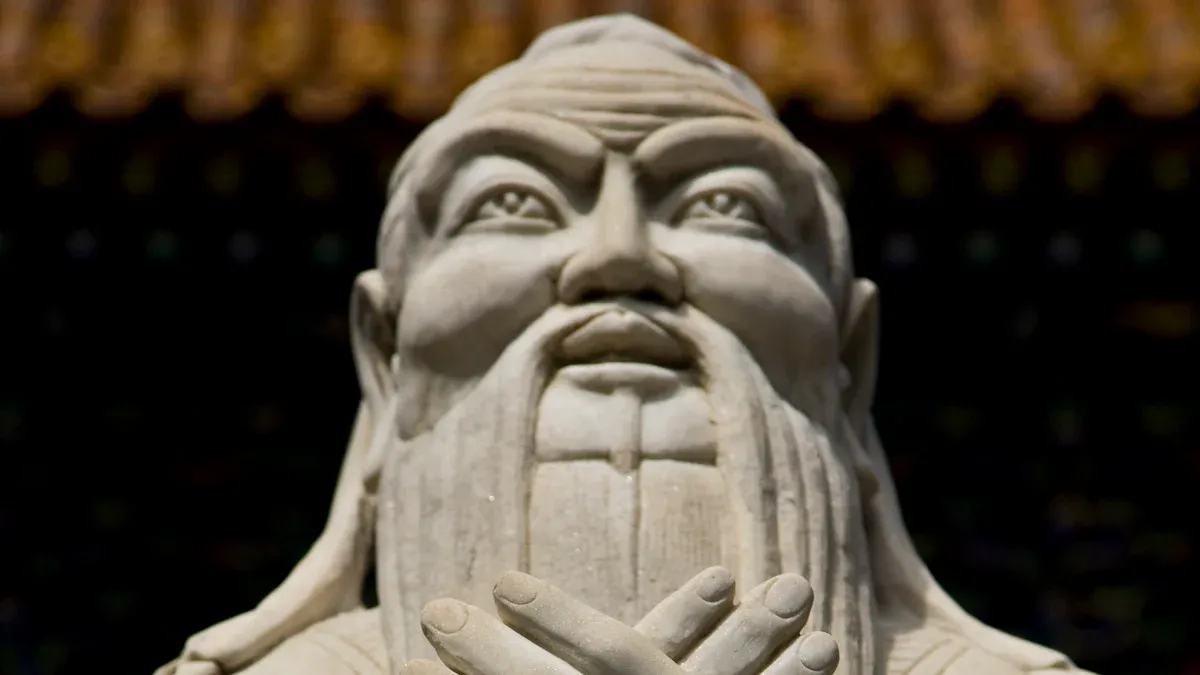
Confucianism also started in ancient China. Confucius, a Latinized combination of the surname Kong 孔 with an honorific suffix “Master” (fuzi 夫子), lived from 551 to 479 BCE. He taught when China was changing and had problems. Confucius wanted people to live in peace and order. He taught about being good, loving family, and respecting elders. These ideas became the base of Confucianism.
Old records say Confucius was a teacher and a government worker. He wrote many important books. Some are the Analects and the Five Classics. These books explain his thoughts about how people should act.
Source |
Description |
|---|---|
Analects |
This book has Confucius’s main lessons. It talks about being good and getting along with others. |
Five Classics |
These books are linked to Confucius. They are the base of Confucian ideas and rules. |
Sima Qian's Records |
This book tells about Confucius’s life. It shares his lessons and how many students he taught. |
Confucianism became the main idea for the government in the Han Dynasty. It changed schools, leaders, and family life in China. Confucianism spread to places like Japan and Korea. Taoism vs. Confucianism shows how these two old Chinese ideas are different in how they see life, people, and the world.
Key Differences in Core Beliefs
Taoism: The Tao and Wu Wei
Taoism says the universe has a natural order called the Tao. People can feel calm when they live with this order. The Tao cannot be seen or touched. It is how everything in the world works together. Taoism teaches that human rules often cause problems. People should follow nature’s flow instead.
Wu Wei is a big idea in Taoism. Wu Wei means “non-action” or “effortless action.” This does not mean people do nothing. It means acting in a way that matches nature. When people use Wu Wei, they do not force things. They let life happen by itself. The Tao Te Ching and the Chuang Tzu both say that trying to control life brings trouble. Taoism cares about spiritual growth. People should focus on their own path, not on changing others.
Taoism cares about the universe and living in harmony with it.
Taoism thinks human rules are not as important as the natural order.
Taoism tells people to let go of control and trust the Tao.
(To learn more about Taoist view on universe, see How Taoist Festivals Reflect Universal Harmony.)
Confucianism: Li and Social Order
Confucianism is about people and how they live together. Confucius taught that people should follow li. Li means proper actions and rituals. These rituals help people show respect and kindness. Confucianism says society works well when everyone knows their role and acts with respect.
Confucius said a good society needs strong values. He thought rulers should lead by being good people. Their good character should inspire others. The Analects, an important Confucian book, says a noble person, or junzi, acts with loyalty and duty. This helps keep society peaceful and strong.
Confucianism values good behavior and social roles.
Confucianism teaches that rituals and respect keep society working.
Confucianism became the main idea for government in ancient China.
Taoism and Confucianism show two ways to live. Taoism wants people to follow nature and find peace inside. Confucianism wants people to follow rules and help make society better. These differences have shaped Chinese culture for thousands of years.
Nature and the Universe in Taoism vs Confucianism
Harmony with Nature in Taoism and Manifest
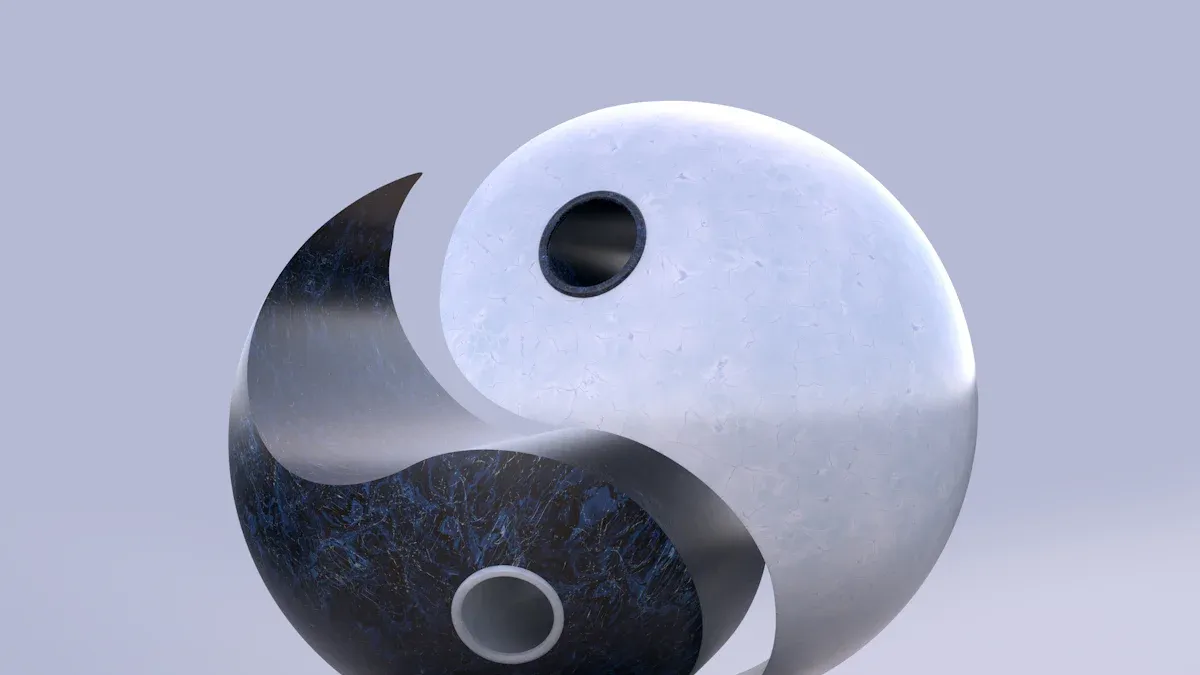
Taoism says the universe has a natural order. People can feel calm when they live with this order. The Tao is called the "mother of the universe." It connects everything and gives life to all things. Taoist ideas use yin and yang to show how opposites work together. These opposites make balance and change happen. Taoism teaches that people are part of a bigger system. People should not try to control nature. They should move with its flow.
The Tao Te Ching gives advice about living close to nature. It says to live near nature and keep life simple. It also says not to control others when leading. This advice tells people to act simply and kindly. Wu Wei means effortless action. People should act in ways that fit their true selves and the world. Taoism and Manifest helps people use these ideas today. The brand gives tools and products for spiritual growth and balance. Many people find that Taoist practices, like meditation and Tai Chi, help them connect with nature and themselves.
Taoism sees people as part of a connected universe.
Living with nature brings inner peace and clear thoughts.
Taoism and Manifest makes these ideas easy to use every day.
Human Society and Order in Confucianism
Confucianism cares about how people shape the world. It teaches that people must make order and keep peace in society. Confucian books, like the Book of Rites and the Great Learning, explain how rituals and good actions build strong bonds. These rituals help people show respect and kindness each day.
Text |
Key Points |
|---|---|
The Book of Rites (Liji) |
Rituals make and keep order in society. They guide families and communities. |
The Great Learning |
Being a good person brings peace to society. Leaders must be good for the country to do well. |
Mencius (Mengzi) |
Leaders should care for the people. Kind government brings trust and safety. |
Confucianism values people working to get better and help others. People must try to improve themselves and their world. This focus on order has shaped Chinese culture for a long time. Taoism vs. Confucianism shows big differences in how each idea sees nature and society. Taoism teaches living with the universe. Confucianism teaches the need for social order and duty.
Morality and Ethics: Key Differences
Spontaneity in Taoism
Taoism says real morality comes from inside a person. People should act in ways that feel natural to them. This philosophy likes being spontaneous more than following strict rules. Taoism teaches that living with the Tao makes people kind without trying hard. Wu Wei means acting calmly and with balance. Taoism does not give many rules about right or wrong. Instead, it tells people to listen to their hearts and trust life’s flow. This way helps people feel peaceful and happy. Taoism thinks self-improvement starts with knowing yourself and letting go of control. In Chinese culture, this way helps people grow spiritually and feel free inside. Taoism vs. Confucianism shows Taoism believes people are naturally good.
Duty and Morality in Confucianism
Confucianism says morality is a duty to family and society. People need to follow rules and traditions to keep order. Confucianism teaches that harmony comes when everyone knows their role. Filial piety is very important in this philosophy. People show respect to parents and ancestors. This respect helps families and communities stay strong.
Confucianism values filial piety and respect most.
The Five Relationships guide people: father and son, husband and wife, old and young, ruler and minister, and friends.
Ren means being kind, and Li means acting properly. These help people be good and do their duties.
Confucianism says people should learn and practice these virtues every day. People need to work hard to get better and help others. This focus on duty keeps society in order and helps people live together peacefully. Taoism vs. Confucianism shows big differences in how each sees morality. Confucianism’s rules keep families and society strong. Taoism trusts people to be good naturally. Both are important in Chinese culture.
Society and Self: Taoism vs. Confucianism
Individual Freedom in Taoism
Taoism cares about each person’s freedom. It teaches people to grow by being themselves. The Tao Te Ching says living with the Tao brings peace. Taoism tells people to let go of strict rules. People should trust their own wisdom. Wu Wei means acting without effort. People act with their surroundings and do not push things. Taoism also teaches Ziran, which means being natural. This means being true and living simply.
Taoism and Manifest helps people use these ideas every day. The brand gives tools and lessons for spiritual growth. People can learn about yin and yang, inner alchemy, and energy balance. These practices help people feel calm and close to the world. Taoism says letting go of ego and plans brings unity with nature. This way, people find freedom and peace inside.
Tip: Doing Taoist meditation or Tai Chi can help people feel balanced and free.
(To explore more about Wu Wei and going with the flow, read What Taoism Teaches About Going With the Flow.)
Social Roles in Confucianism
Confucianism cares about social roles. It teaches people to follow rituals and respect others. Li, or propriety, guides how people act in families and groups. Each person has a role, like parent, child, or friend. Confucianism says doing your duty keeps society strong.
Confucius thought rituals and manners teach respect and kindness. These actions build trust and harmony. The five main relationships—parent and child, ruler and subject, husband and wife, elder and younger, and friends—show how people should act. Confucianism values learning and self-improvement through social rules. People get better by following these rules.
Aspect |
Taoism |
Confucianism |
|---|---|---|
Individual Development |
Focuses on wisdom and simple living |
Centers on learning and self-improvement |
View of Knowledge |
Questions formal education |
Values school achievements |
Ritual Perspective |
Not much focus on formal practices |
Strong focus on rituals (li) and their value |
Taoism vs. Confucianism shows two ways to live. Taoism values freedom and harmony with nature. Confucianism values order and social roles. Each philosophy gives a way to grow and find balance.
Taoism vs. Confucianism has five big differences. These are origins, beliefs, nature, morality, and society. These ideas help people live better lives today. Taoism teaches people to live with nature. Confucianism wants people to follow rules in society. Some people use both ideas to grow as a person. Taoism and Manifest gives tools for spiritual growth:
Product Type |
Description |
|---|---|
Blessed Products |
Things blessed by Master Lu bring peace and health. |
Exclusive Taoist Amulets |
Special amulets help protect and heal people. |
Educational Content |
Classes and guides teach ways to feel calm and balanced. |
Do you have any questions about Taoism vs Confucianism? Tell us what you think below!
Pieces That Carry This Intention
A few pieces from the shop that sit close to what this article is about.


FAQ
What is the main goal of Taoism?
Taoism helps people live in harmony with nature. It teaches people to keep life simple. People learn to follow the natural flow. Many practice meditation and gentle movement, like Tai Chi. These help people feel calm and balanced.
What does Confucianism value most?
Confucianism values respect and kindness. It also cares about strong family ties. People learn to follow rules and rituals. These actions help keep society peaceful. They also help make things organized.
What is Wu Wei in Taoism?
Wu Wei means acting without effort. People do not force things. They trust the natural order. This idea helps people feel less stress. It also helps them find more peace.
What are the Five Relationships in Confucianism?
Confucianism teaches five important relationships. These are parent and child, ruler and subject, husband and wife, elder and younger, and friends. These relationships guide people to act with respect. They also teach people to care for others.
What products does Taoism and Manifest offer for spiritual growth?
Taoism and Manifest offers blessed amulets and bracelets. They also have meditation music. These items help people find inner peace and balance. Each product gets blessings from Master Lu. All products come with temple certification.