
What Makes Taoist Tranquility Essential for Modern Well-Being

City streets are loud, and people hurry from job to job. Many people feel more stress every day. New studies say city life causes more worry and makes well-being harder. More people want peace as they get tired of always being busy. Taoism gives a way to find calm and balance. Its ideas help many people find peace again and feel better overall.
Key Takeaways
Taoist tranquility lowers stress by relaxing your body and mind. You can do this with easy things like meditation and mindful breathing.
Living in harmony with nature helps you feel calm.
Accepting changes in life brings peace and balance every day.
Practicing Wu Wei means you do not force things. This helps you worry less and handle problems better.
Letting go of attachments and living simply makes you happier. It also helps you feel stronger inside.
Doing tai chi, keeping spaces clean, and going outside each day helps your mind stay calm. These habits also help you feel good overall.
Why Tranquility
Modern Stress
Life today is full of noise and pressure. People hurry in busy streets and get many alerts on their phones. This fast life makes people feel worried and stressed. Stress that lasts a long time can hurt the mind and body. It can cause heart issues, make the immune system weak, and mess up sleep. Many people feel tired and nervous because of stress. Over time, stress can even change the brain. It can make it hard to remember things or feel happy.
Tranquility helps fight these problems. When people find quiet moments, their bodies calm down. The heart beats slower, and breathing gets easier. Tranquility turns on the body’s way to relax. This lowers blood pressure and clears the mind. Studies show tranquility does more than lower stress. It helps people sleep better and feel happier. It also helps people handle hard times. People who practice tranquility feel stronger and more hopeful. They can find peace inside, even when life is busy.
Need for Inner Space
The world is noisy, so people need space to think. Inner space means having a calm mind. When people make this space, they can focus better and make good choices. Clean and tidy places help people pay attention. This means less worry and better focus.
Nature helps people build inner space. Being outside with trees, water, and fresh air brings calm and balance. Plants and sunlight make people feel better and more connected. People who spend time in nature feel more peaceful. They feel in harmony with the world around them. This bond with nature helps the mind and body. Tranquility is important for a healthy life.
Taoist Tranquility
Harmony with Nature
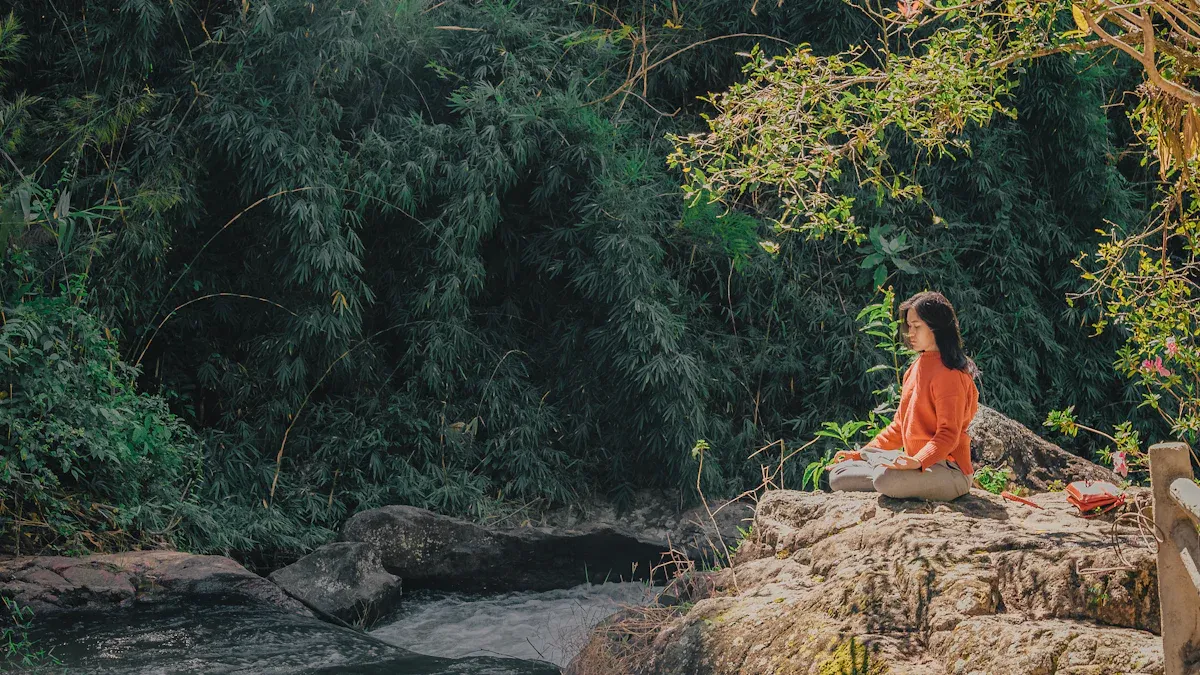
Taoism says people find real tranquility by living with nature. Lao Tzu, who started Taoism, said the tao is in everything. He taught people to watch nature and follow its ways. When people go outside, they see seasons change and life move in cycles. Taoist philosophy says accepting these changes brings calm and peace.
Books like the Tao Te Jing and Zhuangzi say harmony comes from knowing opposites. Good and bad, light and dark, are both needed. People who accept this balance feel less stress. They do not fight the natural flow of life. They meditate outside, listen to the wind, and watch clouds. This helps them connect with the tao and feel calm inside.
“You simply must be of no mind and no thoughts. Do not become attached to anything. Clearly, serenely, be free of affairs within and without. This is what it means to see your Real Nature.” — Taoist maxim
Lao Tzu said to care for all living things. He believed living with nature brings a calm mind and a happy heart. Meditating outside helps people feel connected and steady. This connection helps people think clearly and feel balanced.
Acceptance and Simplicity
Taoism values acceptance and living simply. Lao Tzu taught people to let go of extra wants and live simply. When people accept life as it is, they worry less. They do not try to control everything. They trust the tao and focus on now.
Many people today find that living simply lowers stress. Studies show cleaning up and having less stuff makes people happier. People who practice acceptance and simplicity feel more joy and are happier. They have better friendships and care more about others.
Acceptance helps people deal with change and loss.
Simplicity brings clear thinking and calm.
Meditation helps people feel peaceful and balanced.
Taoism reminds people that real happiness comes from inside. By living with nature, meditating, and living simply, anyone can find tranquility and peace.
Key Principles of Taoism
Taoism teaches people how to live in harmony with the tao, the natural order of the universe. Lao Tzu and other Taoist thinkers encourage everyone to seek simplicity, balance, and peace in daily life. These core ideas help people find calm and strength, even when life feels busy or stressful. The main principles—Wu Wei, letting go, and finding balance—guide people toward a tranquil and resilient mind.
Wu Wei
Wu Wei means effortless action. Lao Tzu describes it as acting without forcing things. People who follow Wu Wei do not push against the natural flow of life. They move like water, gentle and persistent, finding the easiest path. Taoism says that when people act with Wu Wei, they feel less stress and more peace. They let things happen naturally and respond with calm. (For a deeper understanding of this concept, our article on Understanding Wu-Wei Through Butcher Ding provides a brilliant, practical illustration.)
Wu Wei is not laziness. It means doing what needs to be done, but without extra struggle.
People can practice Wu Wei by asking, “What would this look like if it were easy?” This question helps them find simple solutions.
Meditation helps people enter a state of Wu Wei. When they meditate, they learn to let thoughts come and go, just like clouds in the sky.
Creative activities, like painting or drawing, also show Wu Wei. Actions feel smooth and natural, not forced.
Lao Tzu teaches that Wu Wei brings balance. When people stop fighting against life, they find more joy and less worry. They become more resilient and can handle challenges with a calm mind. (This principle is especially powerful in a professional context; learn how to apply it in our guide, How Embracing Wu Wei Makes Work Less Stressful.)
Letting Go
Letting go is another key part of Taoist philosophy. Lao Tzu says that life becomes lighter when people release what they do not need. Letting go of attachments, worries, and old habits makes space for new growth. Taoism compares this to unpacking a heavy bag. When people let go, they feel free and peaceful.
Letting go means accepting change. Life always moves and shifts, like water flowing around rocks.
Meditation teaches people to notice their thoughts and feelings, then let them pass without holding on.
People who let go do not waste energy fighting what they cannot control. They save their strength for what matters most.
This practice builds emotional flexibility. People learn to adapt and bounce back from hard times. They feel less anxiety and calmer. Taoism shows that letting go leads to inner peace and a steady heart.
Finding Balance
Finding balance stands at the heart of Taoism. Lao Tzu and the Tao Te Ching teach that everything in life has two sides. Light and dark, rest and activity, joy and sadness—all need each other. Taoism uses the symbol of yin and yang to show this balance.
People find balance by listening to their needs. Sometimes they need rest, sometimes action.
Meditation helps people notice when they feel out of balance. It gives them space to pause and adjust.
Lao Tzu says that living simply and with compassion brings balance to the mind and heart.
Modern life often pulls people in many directions. Taoism reminds everyone to slow down and return to the center. When people practice meditation, show compassion, and live with awareness, they find harmony with the tao. This balance supports both mental and physical health.
Tip: Try a short meditation each day. Sit quietly, breathe deeply, and notice how your body feels. This simple practice helps you return to balance and calm.
Taoism encourages cultivating inner wisdom. Lao Tzu teaches that wisdom grows when people listen to themselves and the world around them. By following the tao, practicing effortless action, letting go, and seeking balance, anyone can build a peaceful and resilient life.
Practical Ways to Find Balance
Space Arrangement
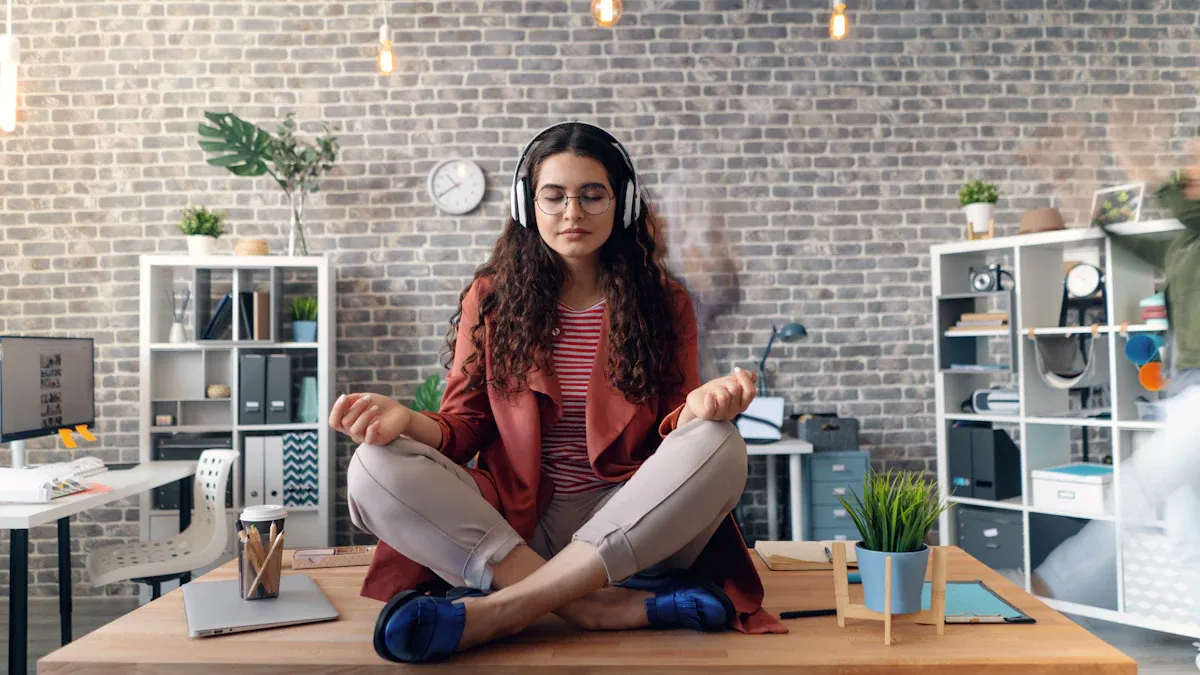
A calm space helps people feel peaceful inside. When sunlight comes into a room, people feel happier and less stressed. Bright rooms make people feel calm. Open rooms let people spend time together, but everyone needs a quiet spot alone. Plants and simple things in a room remind people of nature. These things help people relax. Too much mess makes people feel tired and stressed. Cleaning up helps people focus and feel calm. A neat room helps people do taoist meditation. Many people see that a clean, sunny room helps them feel peaceful and close to nature.
Inner Cultivation
Inner cultivation means taking care of your mind and heart. Taoist meditation is very important for this. People sit still, breathe slowly, and let thoughts pass by. This helps the mind rest and brings balance. Meditation lowers blood pressure and helps people sleep well. Mindfulness is part of taoist meditation. It teaches people to notice what is happening now. People learn to accept feelings and let go of worries. This makes people stronger inside and brings peace. People who meditate often feel close to nature and find peace every day. Taoist meditation helps people handle stress and stay balanced, even when life is busy.
Meditation helps people be kind to themselves and focus better.
Taoist meditation helps people feel close to nature and their true selves.
Daily Practices
Daily habits help people keep balance and peace. Many people do taichi or qigong as part of their taoist practice. These slow movementsand deep breaths calm the mind and body. Studies show tai chi helps people feel happier and less stressed. People who do tai chi or qi gong feel more relaxed and find peace inside. These activities help people connect with nature, especially when done outside. Meditation is also important every day. Even a few minutes of taoist meditation can bring balance and peace. People who do these things each day often feel more joy and less worry. (You can integrate these principles into a busy schedule; discover how in our piece on Taoism and the Art of Urban Slow Living.)
Tip: Try starting your day with a few minutes of taoist meditation or gentle movement. This small habit can help you feel calm all day.
Taoism vs Modern Life
Contrasting Approaches
Taoism and modern life handle stress in different ways. Taoism teaches people to live with the tao, which is the natural flow of life. This way values being simple, real, and caring about others. People who follow taoism try not to think only about themselves. They practice Wu Wei, which means acting without forcing things. They do not push or rush. Instead, they accept what happens and find happiness in each moment.
Modern Western ways often try to fix problems and stop bad feelings. Many people use therapy or read self-help books to change how they think and act. These ways can help, but sometimes they miss a deep bond with nature and the tao. Taoism asks people to change stress by finding peace with the world. It uses Tai Chi and Qigong to connect the mind and body. Taoism also says that change is normal and comes in cycles. People learn not to go to extremes and to keep balance.
Taoism reminds us that real peace comes from inside, not from fixing every problem outside.
Taoism: Focuses on accepting, changing, and living with the tao.
Modern life: Focuses on control, fixing problems, and stopping symptoms.
Reducing Overwhelm
Taoism gives easy ways to feel less overwhelmed. Mindfulness and Wu Wei help people slow down and notice what is happening now. Studies show people who use mindfulness, which comes from taoism, feel less stress and can focus better. For example, workers who use these ideas get more done and feel happier. Mindfulness helps people clear their minds and make good choices. (This is particularly effective for managing anxiety; learn more in Taoism’s Approach to Anxiety Through Wu Wei.)
Many companies now teach mindfulness, which is inspired by taoism, to help workers stay calm. These ways teach people to stop doing too many things at once and to let go of strict plans. Instead, they learn to move with the tao and find balance every day. Meditation, Tai Chi, and Qigong all help with this. People who use these tools feel stronger and less stressed.
Taoism shows that living with the tao brings real peace. By accepting change and practicing balance, anyone can handle modern stress with a calm heart.
Taoist tranquility is very helpful for people today. People who use these ways often feel calmer and healthier. Easy habits like breathing slowly, taking short breaks, or making a quiet space help the mind and body.
Doing Taoist breathing often helps people think clearly and feel calm inside.
Mindful habits help people feel better and lower stress.
Just one small change can help you feel more peaceful and happier every day.
Pieces That Carry This Intention
Beads meant to be handled while you practice, not just worn.


FAQ
What is Taoist tranquility?
Taoist tranquility is about finding peace by living simply. People try to live in harmony with nature. They use meditation and gentle movement to calm their minds. Acceptance is important too. These things help people feel balanced and happy.
How can someone start practicing Taoist tranquility?
Anyone can begin by making a quiet spot at home. They can do easy breathing exercises or gentle movements like Tai Chi. Being outside in nature also helps a lot. Taking small steps can make a big difference.
Does Taoist tranquility help with stress?
Yes! Taoist tranquility teaches people to slow down. It helps them let go of worries. Meditation and mindful movement help the body relax. People often feel less stress and more joy when they practice these habits.
Can children and teens use Taoist practices?
Children and teens can use Taoist practices too. Simple breathing and gentle stretching help young people feel calm. Spending time outside is good for them. These habits help kids and teens focus and feel happy at any age.
See Also
Understanding Wu-Wei Through Butcher Ding
How Embracing Wu Wei Makes Work Less Stressful