
Principles of Taoism explained
Many people today feel pulled by work, school, and family. Surveys say 66% of workers do not have work-life balance. This problem affects people all over the world. Taoism gives a way to find balance inside and with nature. Millions in China, Taiwan, and other places follow this old practice.
Everyone can stop and remember times when life felt balanced or not.
Key Takeaways
Taoism teaches us to live in balance with nature and ourselves. This helps us find peace and feel less stressed.
The three main ideas are yin and yang balance, Wu Wei (effortless action), and being one with everything.
If you follow Taoist virtues like compassion, humility, and simplicity, you can have better relationships and a peaceful mind.
Doing Taoism every day with meditation, mindful breathing, and spending time in nature makes you feel better.
When you stop trying to control everything and trust life’s natural flow, you find harmony and real happiness.
What Is Taoism?
The Tao and Its Meaning
Taoism is about the tao, which people call "the Way." The tao is behind everything in the world. You cannot see or touch the Tao, but it shapes all things. The Tao Te Ching is an old taoist book. It says the tao is the start of everything. The book says, "The tao that can be told is not the eternal tao." This means the tao is hard to explain and is a mystery. Taoist ideas say people find peace by following the tao’s natural flow. The Tao Te Ching and other taoist books tell people to live simply. They say to be humble and look for balance. The tao teaches that real wisdom comes from watching nature and not forcing things.
Taoism as Philosophy and Religion
Taoism started long ago in China. It came from old beliefs, shaman ways, and early ideas. The Tao Te Ching and the Zhuangzi are important taoist books. Taoist philosophy is about knowing the tao and living with it. Later, religious taoism grew. It added rituals, magic, and the wish to live forever. Religious taoism has ceremonies, talismans, and meditation. Both types care about the tao, but they use different ways. Taoist philosophy uses thinking and learning. Religious taoism uses rituals and group acts. Experts sometimes talk about how they are not the same, but both follow the tao.
Common Myths
Many people in the West do not understand taoism. Some think Wu Wei, or effortless action, means being lazy. But taoist ideas say Wu Wei is acting with the tao, like when an athlete is "in the zone." Another myth is that taoism is only about the Tao Te Ching and zhuangzi, but there are over a thousand taoist books. Some people think Laozi wrote the Tao Te Ching alone, but many people helped write it. Taoism is not just a "lazy philosophy." It gives deep wisdom and useful taoist ideas for life. Taoist books have puzzles that can confuse people, but they help readers look deeper into the tao.
Three Principles of the Tao
Yin and Yang Balance
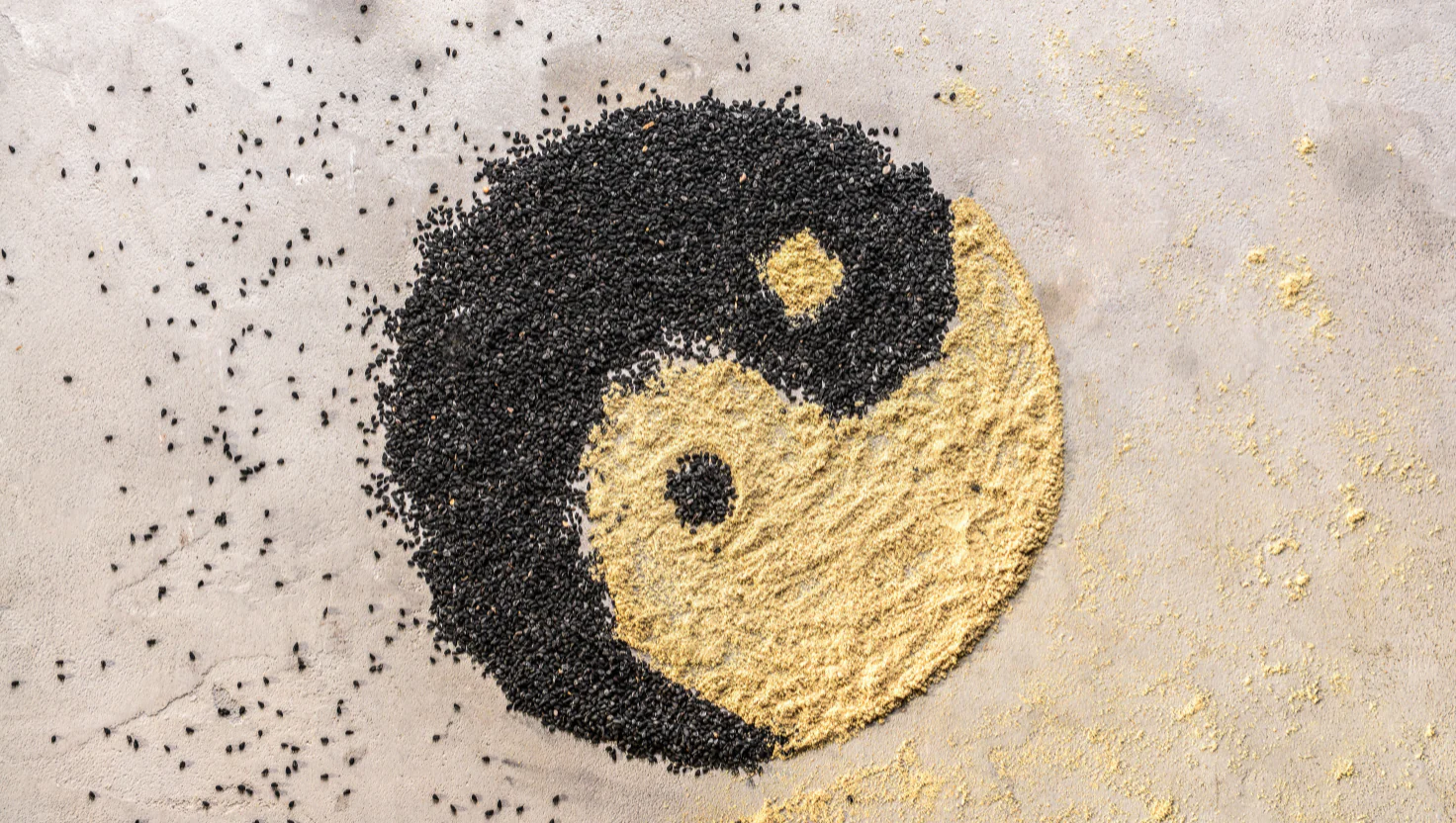
Taoism teaches that everything in the world comes from the tao and follows the flow of yin and yang. These two forces work together, not against each other. Yin stands for quiet, rest, and coolness. Yang means action, energy, and warmth. The Tao Te Ching explains that both yin and yang are needed for life to move forward. Taoist philosophy uses the symbol of the taijitu, or yin-yang circle, to show how these forces blend and change into each other.
In daily life, people see yin and yang in the cycle of day and night, the changing seasons, and even in their own moods. Taoist ideas say that a person who balances rest (yin) with work (yang) feels more at peace. Traditional Chinese Medicine uses herbs to help the body find this balance. In relationships, taoist philosophy encourages people to listen (yin) as much as they speak (yang), creating better understanding. (Discover more about balancing life's challenges through Taoist principles in How Taoism Teaches Us to Learn from Our Feelings.)
Studies show that balancing yin and yang helps people accept both good and bad feelings. This balance leads to better emotion control and less stress. People who use yin-yang thinking can change how they cope with problems, making them more flexible and calm. Taoism teaches that harmony comes from accepting both sides, not just chasing happiness.
Taoist philosophy also talks about mutual arising. This means yin and yang create each other. Without darkness, there is no light. Without rest, action loses its power. The Tao Te Ching reminds people to look for balance in all things, not just in themselves but also in nature and society.
Wu Wei (Effortless Action)
Wu Wei is one of the most important taoist principles. The Tao Te Ching and the Zhuangzi both talk about Wu Wei as "non-action" or "effortless action." This does not mean doing nothing. Instead, it means acting in a way that fits with the tao, without forcing or pushing too hard. Taoist philosophy says that when people act with Wu Wei, their actions feel smooth and natural.
The Tao Te Ching gives many examples of Wu Wei. Water is a favorite image. Water flows around rocks and finds its own path. It does not fight, but it shapes the land over time. Taoist sages try to act like water, moving with the flow of life. In government, taoist ideas suggest that rulers should not control everything. Instead, they should let people find their own way, stepping in only when needed.
Wu Wei means acting with the tao, not against it. People who practice Wu Wei trust their instincts and do not overthink.
Taoist philosophy says that the best actions come from a calm mind. When people relax, they make better choices.
In daily life, Wu Wei can look like letting go of worry and trusting the process. For example, a student who studies calmly learns more than one who panics.
Taoism teaches that Wu Wei helps people avoid burnout. By not forcing things, they keep their energy balanced.
The Tao Te Ching says that true wisdom comes from knowing when to act and when to wait.
Research shows that Wu Wei helps reduce stress. Mindfulness, meditation, and spending time in nature all support this taoist principle. People who practice Wu Wei feel less anxious and make clearer decisions. They also find it easier to get into a "flow" state, where work feels easy and fun.
Taoist philosophy uses Wu Wei to remind people that life works best when they stop fighting the natural order. The Tao Te Ching teaches that letting go brings more success than holding on too tightly. (Learn how to apply Wu Wei to reduce anxiety by reading Taoism’s Approach to Anxiety Through Wu Wei.)
Oneness and Interconnection
Taoism sees all things as part of one great whole. The tao is the source of everything, and nothing stands alone. Taoist philosophy says that people, animals, plants, and even rocks share the same tao. The Tao Te Ching teaches that the idea of being separate is just an illusion. When people realize this, they feel more connected to others and to nature.
Taoist sages often spend time in nature to feel this oneness. They watch the clouds, listen to the wind, and see themselves as part of the world, not above it. The Tao Te Ching says that living simply and in tune with the tao brings true peace. Taoist philosophy encourages people to care for the earth and for each other.
The deep ecology movement and modern green design both use taoist ideas. They show that working with nature, not against it, leads to better health and less stress. Cities that use taoist principles, like Singapore, create green spaces that help people feel calm and connected. Mindfulness and nature walks, both rooted in taoism, improve mood and mental health.
Taoism teaches that harmony comes from seeing the links between all things. The Tao Te Ching reminds people to live simply, use only what they need, and respect the natural cycles. Taoist philosophy calls this living with the tao. When people follow these three principles of the tao—yin and yang balance, Wu Wei, and oneness—they find more peace and joy in life. (Explore how Taoist principles can enhance urban living in Taoism and the Art of Urban Slow Living.)
Taoist Virtues and Ethics
The Three Treasures
Taoism says living with the tao means following three treasures. These are compassion, frugality, and humility. The Tao Te Ching calls these treasures the center of taoist ethics. Compassion comes from knowing everything is connected. Taoist sages are kind and show empathy. They help others without wanting rewards. Frugality means using only what you need and not wasting things. Humility keeps people grounded and simple. It reminds them not to look for praise. These treasures help taoists live peaceful and balanced lives. Taoist philosophy says compassion brings harmony to families and communities. The Tao Te Ching says these treasures help people live with the tao and nature.
The Eight Virtues
Taoism values eight virtues that shape how people live. The Tao Te Ching and other taoist books talk about these qualities. Te, or natural virtue, comes from following the tao. Simplicity means enjoying life without wanting too much. Patience helps people stay calm when things are hard. Compassion leads to kindness, even when there is conflict. Fairness means treating everyone in a just way. Non-control teaches leaders to guide without forcing others. Presence in family means giving time and care to loved ones. Acting without expectation means doing good without hoping for rewards. Taoist ethics say people should practice these virtues every day. The Tao Te Ching says these virtues bring balance and joy. They help people live close to the tao.
Taoist Precepts
Taoist ethics have precepts that show right and wrong. The Tao Te Ching and other taoist books list five main precepts. They tell people not to kill, steal, lie, act wrongly in relationships, or use intoxicants. These rules help taoists respect life, property, and truth. Taoism teaches that following these precepts keeps the mind and body pure. The Tao Te Ching says purity brings wisdom and a deeper link with the tao. Taoist ethics share some ideas with other religions. But taoism changes them to fit its own view of harmony. Practicing these precepts helps taoists walk the path of the tao every day.
Practicing Taoism Daily
Personal Well-being
Practicing taoism begins with small daily actions. Taoist philosophy says well-being comes from balance and being aware. Many people use mindful breathing, like Taoist Longevity Breathing, to calm down and feel more energy. Taoist meditation helps quiet the mind and brings focus. Some people take a few minutes to think about their day and see if they follow the tao. Taoist practices such as qigong and tai chi help the body stay healthy and flexible. These activities lower stress and bring peace. Taoism tells people to let go of worry and trust nature’s way. Learning taoism helps people see things clearly and feel more balanced.
Relationships and Community
Taoist teachings help people build strong and caring relationships. Compassion, humility, and moderation are important in taoist ethics. Practicing taoism means listening with patience and being kind to others. Taoist sages often help their families and communities with happiness. They lead by showing good actions, not by forcing others. Simple things, like sharing food or helping neighbors, show the tao. Taoism reminds everyone that all people are deeply connected. Showing empathy and being thankful brings harmony to groups and friends. Taoist virtues help people feel they belong and can trust each other.
Nature and Simplicity
Taoist philosophy values living close to nature and keeping life simple. Practicing taoism can mean going outside, walking, or watching clouds. Taoist practices like Wu Wei teach people to stop trying to control everything and accept what happens. Ziran, or naturalness, means living with the seasons and cycles. Many people feel calm by cleaning up and focusing on what is important. Meditation and gentle movement, like tai chi, help people feel part of the world. Taoism sees spirituality in daily life, not just in temples. By following the tao, people find joy in simple things and feel more harmony.
Taoism and Harmony
Healthy Striving
Taoism teaches that harmony comes from living in balance with the tao. People do not need to force things or chase after every goal. Instead, they can practice healthy striving by following the natural flow of life. Taoist philosophy says that each person’s balance is unique. Some people need more rest, while others need more action. The tao helps each person find what fits best. Taoist teachings show that striving does not mean pushing against the world. It means moving with the tao, like a boat that sails by using both wind and water. Research shows that people who accept change and let go of control feel more peace. They use acceptance to handle hard times and grow stronger. Taoist ethics encourage people to pause, notice nature, and enjoy simple moments. This way, they can find harmony without stress.
Surrender and Flow
Taoism values surrender as a way to live with the tao. Surrender does not mean giving up. It means letting go of control and trusting the tao. Taoist sages say that when people stop fighting life, they find true flow with life. This idea matches what mindfulness teaches. Both taoism and mindfulness help people accept the present and let go of worries. When people surrender, they allow the tao to guide them. They feel less stress and more joy. Taoist ethics remind people that holding on to desires or fears causes pain. Letting go brings healing and balance. The tao moves naturally, and people can learn to move with it.
Becoming a Taoist Sage
A taoist sage lives in harmony with the tao. Sages do not try to control everything. They act with Wu Wei, or effortless action. Taoist sages show humility, kindness, and patience. They avoid showing off or judging others. The taoist sage feels at peace because he trusts the tao. He practices meditation, breathwork, and quiet reflection. Taoist ethics guide him to live simply and care for others. The sage lets go of ego and follows the natural way. He becomes like water—soft, flexible, and strong. Anyone can start to become a taoist sage by practicing stillness, kindness, and living close to nature. Taoism shows that true wisdom comes from living with the tao every day.
Taoism helps people find harmony by doing simple things each day. taoist teachings focus on healing, being patient, and seeing beauty in flaws. Many people feel strong when they are quiet. They feel free when they stop judging others. Taoist meditation and Tai Chi help people think clearly and stay healthy. Taoism tells people to be kind, humble, and live near nature. Taoist sages listen to their gut feelings and accept change. Doing taoist virtues helps balance friendships and the world. Taoism says real wisdom comes from being true to yourself. Taoist sayings remind us, “Silence is a great source of strength.” Anyone can start with one taoist habit, like mindful breathing or living simply. Harmony grows as people keep following the taoist way.
Pieces That Carry This Intention
A few pieces from the shop that sit close to what this article is about.


FAQ
What does "Tao" mean in Taoism?
The Tao means "the Way." It stands for the natural path of the universe. People cannot see or touch the Tao, but it guides everything in life.
Can anyone practice Taoism?
Yes! Anyone can use Taoist ideas. People do not need to be from China or follow special rules. Taoism welcomes all who want to live in harmony.
Is Taoism a religion or a philosophy?
Taoism is both. Some people see it as a way of thinking about life. Others follow it as a religion with rituals and temples. Both paths teach balance and peace.
How does Taoism help with stress?
Taoism teaches people to relax and go with the flow. Simple practices like deep breathing, walking in nature, or letting go of worries help lower stress.
Do Taoists believe in gods?
Some Taoists believe in gods and spirits. Others focus on the Tao and nature. Both ways respect the world and seek harmony.
See Also
How Taoism Teaches Us to Learn from Our Feelings