
Taoism Teaches About Mindful Living in Everyday Routines

Taoism says wisdom can show up in daily life. People often feel mindfulness during simple routines. For example, someone may feel calm while washing dishes. They notice the warm water and the soft sounds. This awareness helps them stay present. It turns a routine into a mindful moment. Taoism supports having an ordinary and peaceful mind. These ideas help people be mindful every day. This can happen while riding to work, cleaning, or cooking. Mindfulness means noticing your breath and what is around you. It also means doing things with care. These habits make room for joy and being present. Mindful living grows when people accept now, trust the process, and see wisdom in each routine.
Key Takeaways
Taoism says that simple daily routines can be mindful. You just need to pay attention to what you are doing. Stay calm and be careful in the moment.
Practicing Wu Wei means you go with the flow. You do things without rushing or forcing them. This helps you feel less stressed. It also helps you find balance.
You can be mindful while commuting. Try to breathe slowly and look at what is around you. This can make travel time calm. It gives you a chance to care for yourself.
Doing housework mindfully can bring peace. Focus on each thing you do. Accept that chores have a natural flow. This helps you feel more in control.
Mindful cooking uses your senses and easy steps. It helps you make calm and healthy meals. Cooking can become a peaceful daily habit.
Taoism in Daily Life

Ordinary Mind and Tranquil Mind
Taoism says having an ordinary mind brings peace. This means a calm heart and mind help people feel balanced. Taoist texts say the ordinary mind does not chase every thought or feeling. People pay attention to what is happening right now. They let go of extra worries. This helps them stay present during any routine. When someone washes dishes or walks to school, they can notice their breath and movements. This simple habit brings clear thinking and wisdom. It also helps people feel connected to the present. Many Taoist mindfulness practices keep the mind steady and open. This is like other practices that value calm and not judging.
Wu Wei and Simplicity
Wu Wei means doing things without effort. Taoism teaches people to go with the flow of life. In daily routines, this means not trying to control everything. People can practice Wu Wei by moving through tasks easily. They do not rush or force things. They trust the natural rhythm of each day. Mindfulness like slow breathing or gentle movement helps people find this flow. Simplicity is important too. Taoism tells people to clear out clutter from their lives. This makes room for wisdom and balance. When people focus on what matters, they feel more present and connected. Mindfulness in daily life gets stronger with each simple, mindful action.
Harmony with the Present
Harmony with the present is important in Taoism. This means accepting what happens and being open to change. People use mindfulness to notice their thoughts, feelings, and what is around them. They do not judge or fight against things. They welcome each moment as it comes. This builds self-awareness and balance. Meditation and other practices help people find inner peace. They learn to let go of stress and enjoy the present. Taoism says wisdom comes from living in harmony with now. This way brings more clarity, deeper connection, and lasting well-being. Mindfulness in daily life turns every routine into a chance to grow and feel spiritual.
Mindfulness Practices for Commuting
Letting Go of Rush
Many people feel rushed when they travel to work or school. Taoism says wisdom comes from accepting things as they are. If someone is stuck in traffic or on a crowded bus, they can stop trying to control everything. This is what Wu Wei means—acting without forcing. Instead of worrying about being late, people can use this time to think quietly. They can notice their thoughts and feelings without judging them. This change can turn a stressful time into a mindful one. Mindful breathing helps calm the mind and body. When people let go of rushing, they feel more balanced and present.
Tip: If you face a delay, pause and take a slow breath. Remind yourself that you cannot control everything. Use this time to practice being aware and accepting.
Breath and Observation
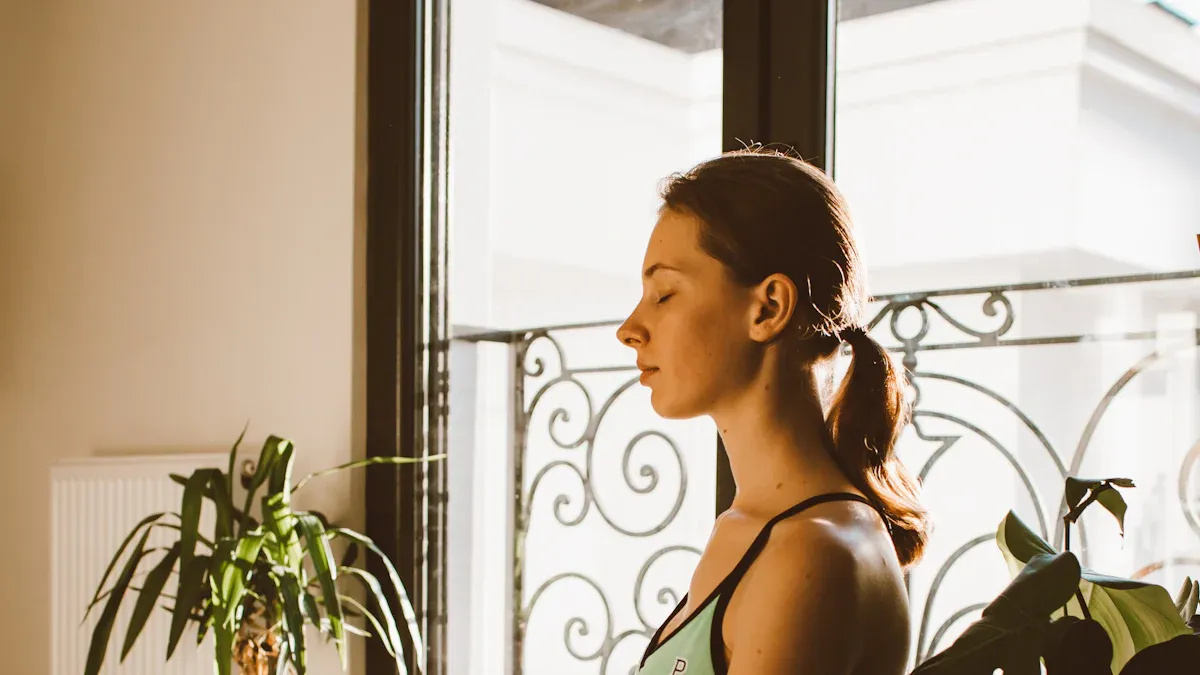
Mindful breathing is helpful during travel. It keeps your mind on the present and helps you relax. You can start by paying attention to your breath. Feel the air as you breathe in and out. This helps you notice your body and feel calm. Mindfulness also means looking at what is around you. You can look at colors outside, listen to sounds, or feel the seat under you. These small actions help you stay present and lower stress.
Scientists say mindful breathing lowers stress and helps the brain handle feelings. Mindfulness meditation during travel helps you control emotions and focus better. Mindful movement, like walking slowly and noticing each step, helps too. These practices turn normal travel into a time for self-care and learning.
-
Try these mindfulness practices when you travel:
Take three slow, deep breaths if you feel tense.
Notice five things you see, four things you hear, and three things you feel.
Walk with awareness, feeling each step as you move.
Travel as Meditation
Taoist wisdom says every trip can be like meditation. Commuting does not have to be just about getting somewhere. It can be a time for mindfulness and growing as a person. When you treat travel as meditation, you follow the flow of life. You let go of worries about the past or future and focus on now.
Mindfulness meditation during travel helps you forget stress and notice your surroundings. This practice helps you clear your mind and avoid distractions. Mindful movement, like walking gently or sitting with awareness, supports this calm state. These practices help you find peace even in busy places. The trip itself becomes a way to feel calm and learn new things.
Note: Next time you travel, try to see your commute as moving meditation. Let your mind rest on your breath, your steps, or what you see outside. Every moment gives you a chance for mindfulness and wisdom.
Mindfulness during travel has many good effects. It lowers stress, helps you feel balanced, and supports your mental health. Mindful commuting helps you become stronger and enjoy each day more. By using mindfulness meditation, mindful movement, and other practices, anyone can turn travel into a time for growth and being present.
Mindfulness in Housework
Flow in Repetitive Tasks
Doing housework can feel boring and the same every day. Many people think chores like sweeping or folding laundry are not fun. Taoism says any action can be a mindfulness practice. If you pay attention to what you do, you can find flow. Flow happens when your mind and body work together. You feel calm and focused. You might hear water, feel soap, or notice your hands moving.
Mindfulness helps turn chores into times of awareness. You can take deep breaths and focus on now. This brings peace and wisdom. Mindful dishwashing makes people feel better and less stressed. People who use mindfulness during chores feel more inspired and less worried. They feel more in control of their space. This control helps lower stress and makes people feel happier.
Tip: Try doing one thing at a time. Notice small details. Let your mind stay in the moment. Each small step can help you learn wisdom.
Cleaning as Harmony
Taoism cares about harmony in life. Cleaning is a way to make harmony at home and in your mind. When you clean with mindfulness, you clear away mess and things that distract you. This helps your mind feel clear. The room feels lighter and your mind feels open. Mindful cleaning helps people feel balanced. They notice changes in their space and in themselves.
Research says cleaning gets rid of mess you can see. This helps your brain focus better. Mindful cleaning also makes people feel sure of themselves. They feel more in control and less stressed. Taoist wisdom says harmony comes from simple acts. Cleaning with care brings peace to your home and to you.
Many people say mindful cleaning feels like meditation. Sweeping or wiping a table can help you feel present. This feeling of presence helps you feel better.
Acceptance and Non-Attachment
Taoism teaches people to accept things and not hold on too tight. These ideas help people do housework with a calm mind. Life always changes and chores never stop. Taoism says to accept this cycle. When you use mindfulness, you stop rushing or trying to be perfect. You focus on what you are doing, not just finishing.
Mindfulness teaches people to accept each moment. They do not hold on to results. This brings wisdom and peace inside. Studies show people who accept daily chores feel healthier and happier. They use mindfulness to deal with stress and change. Taoism guides people to move with life’s flow. Housework becomes a way to practice acceptance and letting go.
Real-life story: One person said washing dishes helped her realize something. She paid attention to the warm water and the simple job. She suddenly felt that “just this is enough.” Mindful dishwashing gave her peace and presence.
Mindfulness in housework has many good effects. People find joy in simple chores. They use mindfulness to grow and learn. Every chore is a chance to be present and gain wisdom in daily life.
Cooking and Well-Being
Engaging the Senses
Mindful cooking shows Taoist ideas in action. When people cook, they can focus on each step. They see the bright colors of vegetables. They hear water bubbling and smell fresh herbs. This helps them stay in the moment. Cooking can feel like meditation. During the COVID-19 lockdown, many people cooked mindfully. This helped them feel less stressed and bored. They felt calm and happy by paying attention to cooking. Mindfulness in the kitchen helps people feel balanced. It also makes meals feel special. Using all the senses turns cooking into a fun mindfulness habit.
Simplicity in Preparation
Taoism says simple food brings peace and health. Mindful cooking means picking whole foods and gentle ways to cook. People might steam or stir-fry their food. This keeps food close to how it is in nature. They do not use too many flavors or heavy sauces. They keep things basic. Mindful eating starts with how you cook. When people cook with care, they notice how food feels and tastes. They eat slowly and stop before they get too full. This helps with digestion and gives more energy. Mindful choices in food and cooking help people feel better and healthier.
Cooking as Ritual
Cooking can be a daily ritual for mindfulness and health. In Taoist tradition, rituals like making a family meal connect people to their past. Every step in the kitchen can be mindful. People notice the rhythm of chopping and the warmth from the stove. They watch food change as it cooks. Cooking as a ritual brings order and calm. It makes cooking feel like meditation. Mindful cooking helps people feel steady and connected. This daily habit supports both body and spirit.
Everyday Mindfulness Tips
Actionable Steps
Anyone can add mindful awareness to their daily life by starting small. It helps to mix Yang, which is active, and Yin, which is restful. After working hard, you can stop and try meditation or mindful breathing. This mix helps you feel better and think clearly. Practicing simplicity, called Pu, means getting rid of clutter and things that distract you. When you focus on what matters, you feel wiser and calmer. Walking in nature or watching the sunrise helps you know yourself better. Taoist breathing, like deep belly breathing or Dantian breathing, helps you relax and feel more energy. Mindful movement, such as Tai Chi, uses slow moves and meditation together. This helps your body and feelings stay balanced. These quiet practices help you grow and feel more spiritual.
Tip: Use short times in your day, like waiting for water to boil, to notice your breath or body. These small mindful habits make you stronger and bring inner peace.
Building Habits
Building mindfulness habits takes time and kindness to yourself. People may have problems like stress, busy days, or too many tasks. Taoism says to follow the natural flow of your energy. Notice when you have the most energy and do important things then. Switch between working and resting, like yin and yang, to avoid feeling tired. Cleaning up your space and focusing on what matters brings more wisdom and clear thinking. Taking a pause between activities helps you focus and know yourself better. Being in nature every day helps your mind and makes you feel connected. Doing fewer things each day helps you do them better. Wu Wei, or effortless action, means doing things with care, not force. These steps help make mindfulness part of your daily life.
Reminders for Presence
Reminders help people stay present all day. Some people put a meditation cushion where they can see it. Others link mindful breathing to things they do often, like brushing their teeth. Visual reminders work, but they may stop working if used too much. Adding reminders to things you already do, like taking a breath before opening a door, makes mindfulness easier. Making a plan, like “When I sit at my desk, I will take three deep breaths,” helps build habits. Using more than one reminder and connecting new habits to old ones works well. These reminders help you be kind to yourself and stay aware. Over time, these quiet practices help you feel wise, clear, and well every day.
Mindfulness in daily life helps people feel wise and clear. It also helps them feel good inside. Taoist practices teach people to notice each routine. They help people pay attention and be present. Simple actions can bring balance and a sense of connection. People can feel spiritual by doing small things every day. Over time, these habits give many good results:
1. Mindful meditation and being still help people feel calm inside.
2. Noticing nature helps people feel humble and connected.
3. Wu Wei helps people find balance and feel less stress.
4. Doing mindful tasks like gardening brings peace and connection.
5. Thinking about Taoist wisdom helps people feel clear and accept things.
Anyone can begin with small mindful steps. Every moment is a chance to notice, connect, and feel well.
Pieces That Carry This Intention
Beads meant to be handled while you practice, not just worn.


FAQ
What is mindful living in daily routines?
Mindful living means you pay attention to what you do. People notice their breath and how they move. They also look at what is around them. This helps them feel calm and stay in the moment. They find happiness in small things and learn to be aware every day.
What are some mindfulness practices for daily life?
People can try mindful breathing, mindful eating, or meditation. These help them focus on what is happening now. They also help people feel balanced and think clearly. Simple things like walking or cleaning can help you grow and learn about yourself.
What does mindful eating look like?
Mindful eating is paying attention to food’s taste, smell, and feel. People eat slowly and enjoy each bite. They listen to their bodies and stop eating when full. This helps them feel good and connect more with their food.
What is the role of self-compassion in mindfulness?
Self-compassion means being kind to yourself while practicing mindfulness. People accept their mistakes and treat themselves gently. This helps them grow and feel safe. Being kind to yourself brings balance and helps you learn every day.
What is mindful movement?
Mindful movement is doing things like Tai Chi or gentle stretching. People focus on each move and their breath. This helps them notice their body and mind working together. Mindful movement helps people feel good and supports their spirit.