
Why Taoism and Buddhism Often Blend in Chinese Culture

Taoism and Buddhism mix in Chinese culture because they have similar values and rituals. Taoism teaches people to live in harmony with nature. Buddhism helps people find peace inside themselves. Chinese dynasties supported both spiritual traditions. This made Taoism and Buddhism grow together. Confucianism also influenced how Taoism and Buddhism mix. This made these spiritual traditions part of everyday life. Many people in China follow Taoism and Buddhism at the same time. Taoism and Buddhism have changed to fit local culture and needs. Their blending still happens today.
Key Takeaways
Taoism and Buddhism have similar values. They help people feel calm and balanced in life.
Many families in China follow both traditions. They use rituals and prayers from each one. This helps make their community stronger.
Shared rituals, like honoring ancestors and celebrating festivals, are important. These events help people feel close to their culture.
Mixing these traditions gives people more choices. It lets them pick what fits their spiritual needs best.
Confucianism is also important in daily life. It helps Taoism and Buddhism work together. It teaches people to respect others and live in peace.
Syncretism in Chinese Culture

Syncretism mixes Taoism and Buddhism in daily life. This mix makes a special spiritual world. Many people in China follow both traditions. The three teachings are Taoism, Buddhism, and Confucianism. These teachings are the base of Chinese culture. Each one gives its own wisdom. Together, they bring harmony. Syncretism lets these teachings join together. This makes Chinese culture rich and open to change. Confucianism and magical beliefs help this mix work well.
Shared Philosophical Values
Taoism and Buddhism have many similar ideas. Both say that wanting too much brings pain. Taoist philosophy tells people to let go of wants. It teaches living in a natural way. Buddhist teachings warn about craving. They say wanting Nirvana can be harmful. This shared idea helps people find peace. They do this by following the way, or natural way. Zen Buddhism started in China. It mixes Buddhist teachings with Taoist philosophy. This mix teaches simple living and following the way. Taoist philosophy says human morality is part of nature. Buddhist teachings say all beings connect through the way. These shared ideas make it easy to follow both traditions.
Taoism and Buddhism both teach overcoming desire for peace.
Zen Buddhism and Taoist philosophy value simple living and the way.
Taoist philosophy and Buddhist teachings see morality and connection in the way.
Confucianism is important in this mix. In the Ming dynasty, the three teachings worked together more. Confucian values helped Taoism and Buddhism fit in China. Confucianism became the main way people thought in feudal China. This made Taoist philosophy and Buddhist teachings part of daily life. Today, the three teachings still shape Chinese culture, art, and traditions.
Overlapping Rituals and Practices
Taoism and Buddhism have many shared rituals. These rituals help people connect with the way and others. Both use red decorations, like lanterns and envelopes, for luck. Ancestor worship is common in both traditions. Families honor ancestors with offerings and prayers. Special foods, like dumplings and fish, are at festivals. These foods mean wealth and plenty. Family and community gatherings matter in both traditions, especially at New Year.
Red decorations bring luck in Taoism and Buddhism.
Ancestor worship links families to the way and their past.
Eating special foods at festivals is a shared custom.
Family reunions and rituals make community bonds strong.
Magical beliefs and folk traditions shape these rituals.
Buddhist monks used bird totems for magic. They predicted the future and connected with the supernatural. Bird-totem worship let monks feel mysterious powers. It mixed art, music, and fortune-telling. This magic opened a door to the supernatural in Taoism and Buddhism.
These magical beliefs help Taoism and Buddhism mix in China. The way guides both traditions. Taoist philosophy and Buddhist teachings use rituals to connect with the way and find harmony. The three teachings and magical beliefs make Chinese culture special and welcoming. Syncretism still shapes how people in China practice spirituality today.
Historical Integration of Taoism and Buddhism
Dynastic Promotion and Adaptation
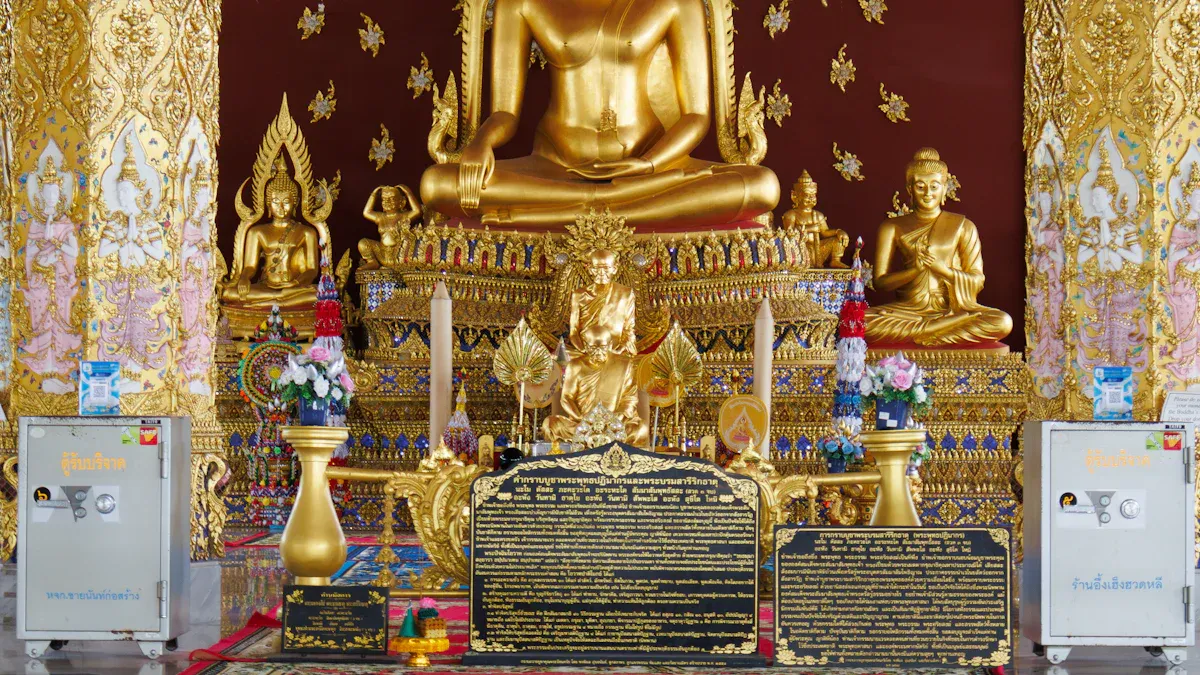
Chinese dynasties helped Taoism and Buddhism come together. In the Tang dynasty, leaders supported both traditions. They made rules that mixed Taoism, Buddhism, and folk beliefs. Emperor Xuanzong let Buddhist monks share sutras. This made religious power stronger in China. He also gave money from a big Buddhist temple to other groups. These actions showed how leaders used religion in China.
The Tang dynasty was a time when Taoism and Buddhism mixed a lot. The monk Xuanzang went to India and brought back Buddhist books. He started the Yogachara tradition in China. Chinese Buddhism became strong and changed Chinese culture. For a while, more people followed Buddhism than Taoism. In the Ming dynasty, Chinese Buddhist ideas came back. Hanshan Deqing mixed Chan and Pure Land practices. This helped Taoism and Buddhism fit what people needed in China.
(To learn more about the history of Taoism, see The Historical Evolution of Taoism.)
Mutual Influence Over Time
Taoism and Buddhism changed each other over time in China. They shared ideas and ways of doing things. Christine Mollier’s work shows they influenced each other a lot. Sometimes, they argued about things like "conversion of the barbarians." They also shared ways to meditate and do martial arts. These mixed Taoist energy ideas with Buddhist mindfulness.
Archaeologists found old writings in Dunhuang and other places in China. These show how Buddhism changed to fit China and shaped Taoism. Chinese medicine uses both Buddhist and Taoist ideas. Martial arts in China use both philosophies. New gods and books appeared that mixed Taoism and Buddhism.
When Taoism and Buddhism met, new teachings grew in China. Chinese Buddhists made the idea of "substance and function." By the 10th and 11th centuries, Confucianism used these ideas too. The idea of "kindness," which means kindness, became part of Chinese values. This mix helped people in China find peace and balance.
The story of Taoism and Buddhism in China shows how traditions can grow stronger together. Their mix made a rich spiritual culture that still helps people today.
Social Factors Driving Blending
Religious Harmony in Chinese Society
People in China care about balance and harmony with nature. They think living this way brings peace to families and groups. This idea helps different religions mix together. Taoism and Buddhism both talk about nature and how life is connected. These beliefs make it easy for people to follow many spiritual paths.
-
In China, people often care about:
Balance and harmony with nature
How all life is connected
How Taoism affects Buddhism and Confucianism
Religious groups in China work together to help their communities. They do things that protect nature and help others. For example, during World Interfaith Harmony Week, Taoist and Buddhist groups plan events about faith and caring for the earth. They promise to protect nature and support learning for everyone. These actions show that Chinese spirituality values peace with nature and living together calmly.
Everyday Syncretic Practices
People in China mix Taoist and Buddhist customs every day. Many families use both traditions at home. They pray to Taoist and Buddhist deities and use meditation from both. Some deities, like Guanyin, are important in both religions. This mix helps families feel close to nature and each other.
Aspect |
Description |
|---|---|
Blending Practices |
Families do rituals and pray to Taoist and Buddhist deities together. |
Shared Deities |
Guanyin is loved in both traditions. |
Rituals and Meditation |
Meditation and rituals use ideas from both religions. |
During festivals, people use rituals and gifts to bring joy and keep away bad luck. Temple festivals and ancestor worship make family and community ties stronger. Local beliefs, like Shenism, mix Taoist, Buddhist, and folk ideas. Rituals like Wuism and Nuoism use masks and dances to honor nature and spirits. These customs help people stay close to nature and keep harmony in their culture.
Modern Chinese funerals show this mix. Families use Confucian rituals to honor elders, Buddhist chanting for peace, and Taoist prayers to guide the soul. These practices show how Chinese spirituality, nature, and daily life are deeply connected.
Practical Benefits of Taoism and Buddhism Blending
Meeting Spiritual and Practical Needs
Taoism and Buddhism together help people in China in many ways. They meet spiritual needs and help with daily life. Many people go to temples for group activities. These activities help people make friends and feel close. People feel good inside by doing merit-making. This brings good things now and later. Religious groups often help people who need support. This makes the community stronger.
“Fill your bowl to the brim and it will spill. Keep sharpening your knife and it will blunt… A good traveller has no fixed plans and is not intent upon arriving.”
This Taoist saying teaches people to find balance. It says not to do too much. Buddhist teachings say the world always changes. They help people let go of stress and worry.
People use both traditions to stay healthy. They exercise, think positive, and do spiritual things. These habits help their mind, body, and spirit. Taoist masters show that working too hard is not good. They say moderate effort helps people live longer. Buddhist meditation helps people feel calm and hopeful.
Practice Type |
Description |
|---|---|
Alignment with Cosmos |
Taoists imagine their body as a small universe. This helps them feel healthy and in harmony. |
Physical Exercises |
Qigong helps people use their Qi. It helps them live longer and feel close to nature. |
Alchemical Practices |
Early Taoists looked for rare things to stay healthy. Later, they focused on making their energy better inside. |
Spiritual Attitude |
Having a good attitude and less stress helps people feel better and live longer. |
Flexibility and Inclusivity
Mixing Taoism and Buddhism lets people choose what works for them. Young people like things that are easy and quick. They use the internet to learn about spiritual ideas. Online groups welcome everyone.
People join both Taoist and Buddhist rituals. These activities help their minds and make them happier. Buddhism teaches people to be hopeful and in control. Taoism helps people stay healthy with things like Qigong. This mix lets everyone find what fits them best.
Temple activities help people feel close in their community.
Merit-making makes people feel good and brings good things.
Helping others meets real needs in the community.
Rituals help people think better and feel happier.
The internet makes it easy for everyone to learn about these beliefs.
Blending Taoism and Buddhism helps people grow and feel better. People in China use both to find balance, health, and peace every day.
Taoism and Buddhism mix in China for many reasons. Syncretism, history, and harmony shape how people live. This mix helps people feel close and keeps old ways alive.
Temple rituals help people remember their past.
Shared beliefs help people act kindly and stay together.
Festivals and customs show these traditions are still strong.
Aspect |
Description |
|---|---|
Social Cohesion |
Shared rituals and beliefs make communities strong. |
Cultural Continuity |
Mixing keeps old traditions important today. |
Identity Formation |
Syncretism creates a special Chinese way of life. |
Many families follow both traditions now. This mix helps Chinese culture stay strong and ready for new things.
(To explore more about key similarities and differences between Taoism and Buddhism, check out Tao and Buddhism Key Similarities and Differences Explained.)
Pieces That Carry This Intention
A few pieces from the shop that sit close to what this article is about.


FAQ
What does syncretism mean in Chinese religion?
Syncretism is when people mix beliefs and customs. In China, people use Taoism, Buddhism, and Confucianism together. This makes a special spiritual culture. They take ideas and rituals from each tradition. This helps them find balance and harmony.
What are examples of blended rituals?
Families honor ancestors with Taoist and Buddhist prayers. At festivals, they use red decorations and give special foods. Many people meditate with methods from both traditions. These blended rituals help families and communities feel close.
What makes Taoism and Buddhism easy to blend?
Both traditions teach people to look for peace and balance. They value simple living and getting better as a person. Shared ideas about nature and kindness help people follow both. This blending helps people feel calm and connected.
What role does Confucianism play in blending?
Confucianism shapes how people think about family and society. It teaches respect and harmony. These values help Taoism and Buddhism fit into daily life. Confucian ideas make it easier to mix different spiritual paths.
What benefits do people gain from blending Taoism and Buddhism?
People find comfort and help in their lives. Blending traditions supports health, happiness, and community. It lets people be flexible in their beliefs. Many feel more peaceful and balanced by using teachings from both traditions.