
What Is the Real Path to Taoism for People Living in Cities

You can truly practice Taoism in the city. Many people feel daily stress and crave peace and calm. Taoism teaches you to slow down, find calm, and enjoy the city’s rhythm. Tao practice helps you adapt, not escape. You can discover slow, calm balance and peace in your busy life.
Key Takeaways
You can follow Taoism in the city by moving slower and finding calm in busy places. Enjoy the city's pace to find peace.
Try to live slowly in the city. Pay attention to what is important, like health and friends, to help you feel creative and balanced.
Add easy Tao practices to your daily life. Walk mindfully, breathe deeply, and notice what is around you to feel more connected to life.
Taoism and Urban Slow Living
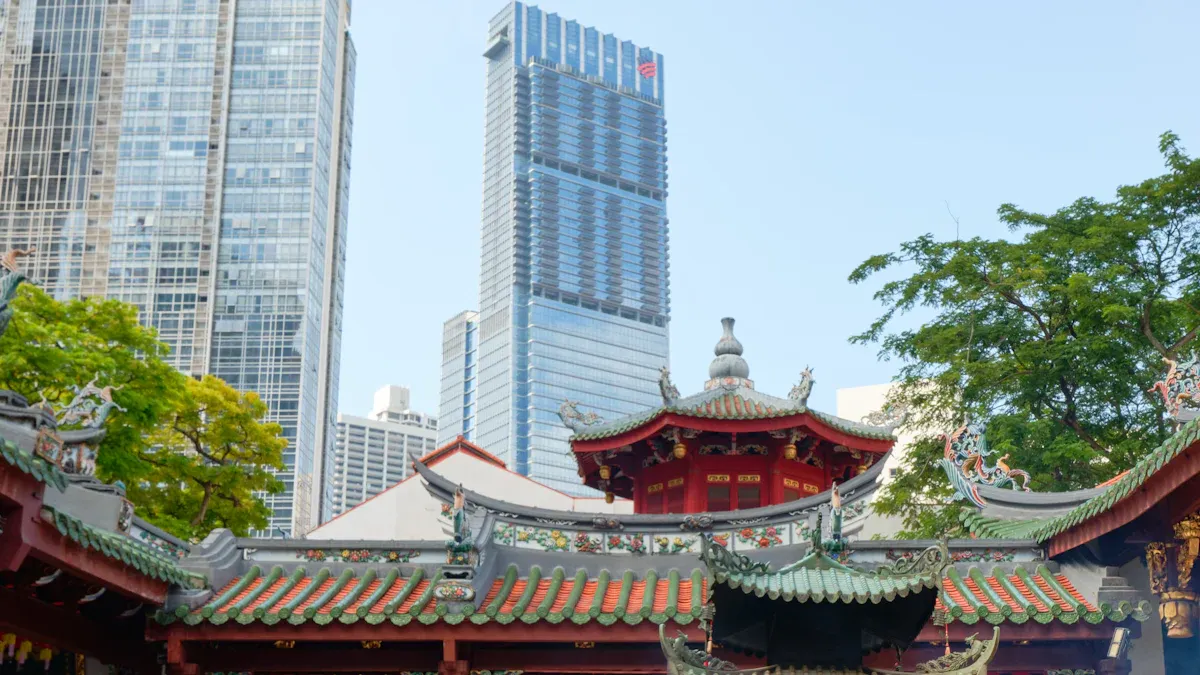
Taoism’s Core Ideas for City Life
You might think city life and Taoism don’t mix, but that’s not true. Taoism gives you tools to find calm and peace, even when everything feels fast. Here are some core ideas you can use every day:
Seek harmony in busy places.
Practice Wu Wei by choosing the path of least resistance.
Embrace simplicity and let go of what you cannot control.
Build connections with others to create community harmony.
Use effortless actions to solve problems.
Taoist principles help you move with the flow of life. You don’t have to fight the city’s energy. Instead, you can learn to ride it, finding balance and joy in simple moments. Taoism teaches you to slow down and notice what’s happening right now. When you accept things as they are, stress and anxiety start to fade.
(If you want to know more about practical guides, see Taoism and the Art of Urban Slow Living.)
Urban Slow Living Mindset
Urban slow living means you choose to slow your pace, even when the world around you rushes. You focus on what matters, like your well-being and relationships. The slow living mindset helps you pause, breathe, and reflect. You don’t need a quiet mountain to practice slow living. You can find calm in a crowded café or a busy park.
“Slow living is a cultural revolution against the notion that faster is always better.” – Carl Honoré
People in cities face challenges like noise, lack of green space, and pressure to keep moving. When you adopt slow living, you give yourself permission to step back and enjoy life. You activate your body’s relaxation system, boost creativity, and feel more balanced. Slow living lets you experience peace, even in the heart of the city.
Tao Practice and Mindfulness in the City
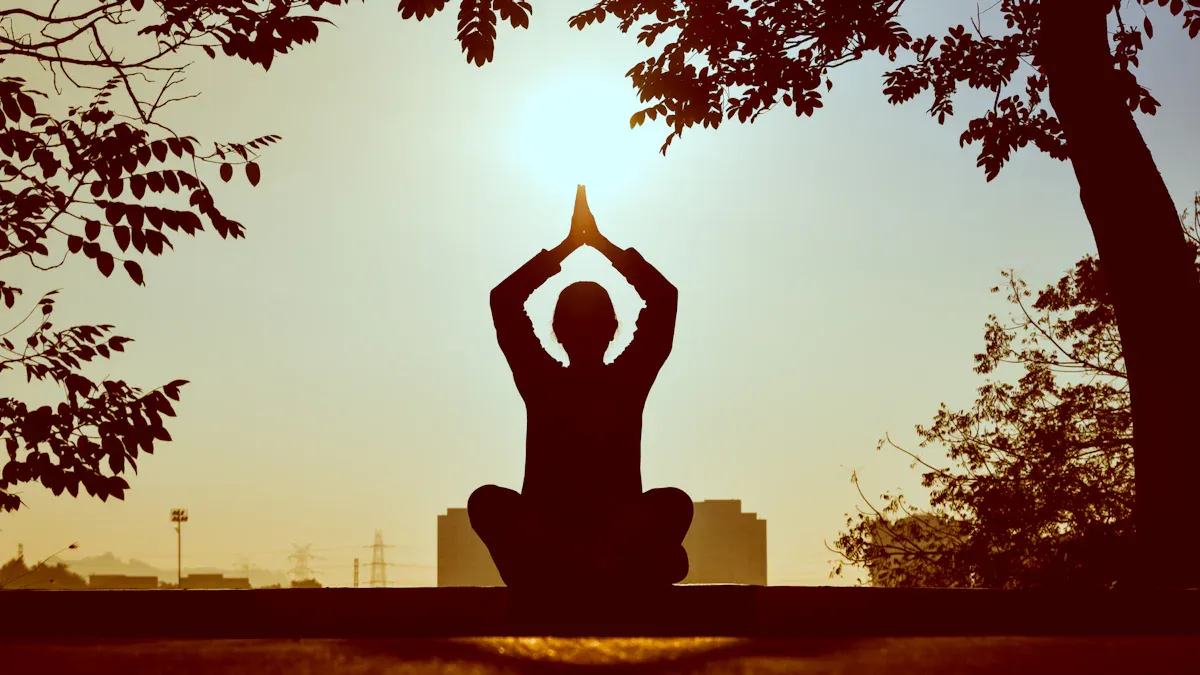
Everyday Mindfulness for Urban Dwellers
What does everyday mindfulness look like in a city? You might think you need silence or a mountain view, but you can practice Taoism right where you are. Tao practice in the city means you slow down, notice your surroundings, and bring harmony into your daily routine. You can start with simple steps that fit into your busy life.
Begin each morning with five minutes of breathing. Let your breath move slow and steady. This mindful breathing helps you find calm before the day begins.
Try sitting and forgetting. Sit quietly, let your thoughts drift, and focus on the present. This is a classic Tao practice that brings peace.
Use Wu Wei by letting your actions flow naturally. Don’t force things. If you feel rushed, pause and let the moment guide you.
Add small rituals to your morning and evening. Stretch, sip tea, or just look out the window. These slow moments help you find balance.
You can also bring mindful movement into your day. When you walk to work or school, practice mindful walking. Feel your feet touch the ground. Notice the rhythm of your steps. Watch the city wake up around you. This is living with intention, even in a crowd.
“To start your journey in Taoism, consider these essential texts: 'Tao Te Ching', 'Chuang Tzu', and 'A Personal Tao'. These works provide foundational insights into Taoist philosophy.”
Overcoming Willfulness and Cultivating Humility
City life can make you feel like you need to push, rush, or compete. Taoism teaches that true strength comes from softness and humility. Willfulness, always wanting your own way, blocks harmony. When you let go of stubbornness, you open the door to growth.
You might notice these barriers in your daily life:
The fast pace of the city pulls you away from slow, mindful moments.
Technology and noise distract you from your own thoughts.
Stress and worries about money or living conditions make it hard to find peace.
Urban green spaces are rare, so nature connection feels distant.
You may feel lonely, even in a crowd.
Tao practice helps you see these challenges as part of your path. When you meet someone wise, listen and learn. Let others’ strengths inspire you. If you make a mistake, reflect and adjust. This is living with intention. You don’t have to be perfect. You just need to keep moving toward harmony.
You can also join a community to support your journey. Many cities have groups or online forums where you can share your experiences. Reading the Tao Te Ching or Chuang Tzu can give you new ideas for living with intention and embracing simplicity.
Title |
Description |
|---|---|
Tao Te Ching |
A foundational text of Taoism that emphasizes harmony with the Tao. |
Chuang Tzu |
Explores the nature of reality and the importance of spontaneity. |
A Personal Tao |
A modern perspective on discovering one's nature through Taoist principles. |
Simple Tao Practices: Walking, Breathing, Observing
You don’t need special tools to practice Taoism in the city. You just need to slow down and pay attention. Here are some simple Tao practices you can try every day:
Mindful walking: Use your commute as a chance to practice mindful walking. Notice the sidewalk patterns. Feel your breath as you move. Watch how people and traffic flow, like rivers in motion.
Nature connection: Look for trees, flowers, or even the sky between buildings. Let these small moments of nature bring you harmony and calm.
Mindful commuting: Listen to the sounds around you. If the city feels too loud, use headphones to create a quiet space. This helps you stay slow and centered.
Breathing: Take slow, deep breaths when you feel stressed. Let each breath bring you back to the present. Breathing is a simple way to restore balance and harmony.
Observing: Pause and watch the world. Notice how the wind moves through the streets. See how light changes during the day. These mindful moments connect you to the flow of life.
You can also bring slow, mindful movement into your routine. Try stretching in the morning or evening. Move with intention, not rush. This helps you find harmony in your body and mind.
Urban green spaces, like parks or gardens, offer a chance to practice mindful walking and nature connection. Even a small patch of grass can become a place for slow, mindful breathing and reflection. If you can, visit these spaces often. Let them remind you of the simplicity and peace at the heart of Tao practice.
Tao practice in the city is about living with intention, embracing simplicity, and finding harmony in every moment. You can slow down, breathe, and move mindfully, no matter where you are. This is the real path to Taoism for people living in cities.
You can find calm and balance in city life with Taoism. Try mindful walking or create a natural sanctuary at home. These simple steps help you feel calm and connected.
When you choose slow living, you open the door to peace and a more fulfilling life.
(To explore more about slow walking, check out Taoism Helps You Slow Down and Enjoy City Life.)
Pieces That Carry This Intention
Beads meant to be handled while you practice, not just worn.


FAQ
What is Taoist meditation, and how can you practice it in the city?
Taoist meditation is when you sit still and focus on your breathing. You can do this almost anywhere, even in a busy place. This helps you feel closer to yourself and what is around you.
What does intentional living look like for city dwellers?
Intentional living means you make choices that fit your beliefs. You use meditation and connecting with others to help guide what you do. You find purpose in your daily habits.
What are simple mindfulness practices in nature for city living?
You can walk in a park, look at trees, or listen to birds. These simple nature practices help you feel connected to the world, even when the city is busy.