
Success Without Burnout: Balancing Ambition with Taoist Contentment

Many people want to achieve success without burnout but worry about their health. They ask if they can be successful without getting too tired. Taoist philosophy shows a way to have goals and feel happy. Real balance means working hard and taking breaks. This demonstrates that doing important things can also mean resting on purpose. Wu wei teaches us to act with the flow of life. Tao helps people accomplish more without working too hard. This approach allows everyone to care about winning while maintaining a sense of calm inside.
(To explore how these ancient principles can transform your modern perspective, discover the core philosophy behind Taoism and Manifestation here.)
Key Takeaways
Try to balance working hard and resting. Take breaks so you do not get too tired. This helps you stay healthy.
Practice wu wei by letting things happen naturally. Go with the flow to feel less stressed. This can help you stay calm.
Keep things simple by focusing on what is important. Remove things you do not need. This can help you feel better and less worried.
Celebrate small wins to keep yourself motivated. Noticing your progress gives you energy. It stops you from feeling like you are not good enough.
Know that life changes over time. Balance your goals with taking care of yourself. This is important for success and happiness that lasts.
The Ambition Trap and Burnout
Why Success Without Burnout Matters
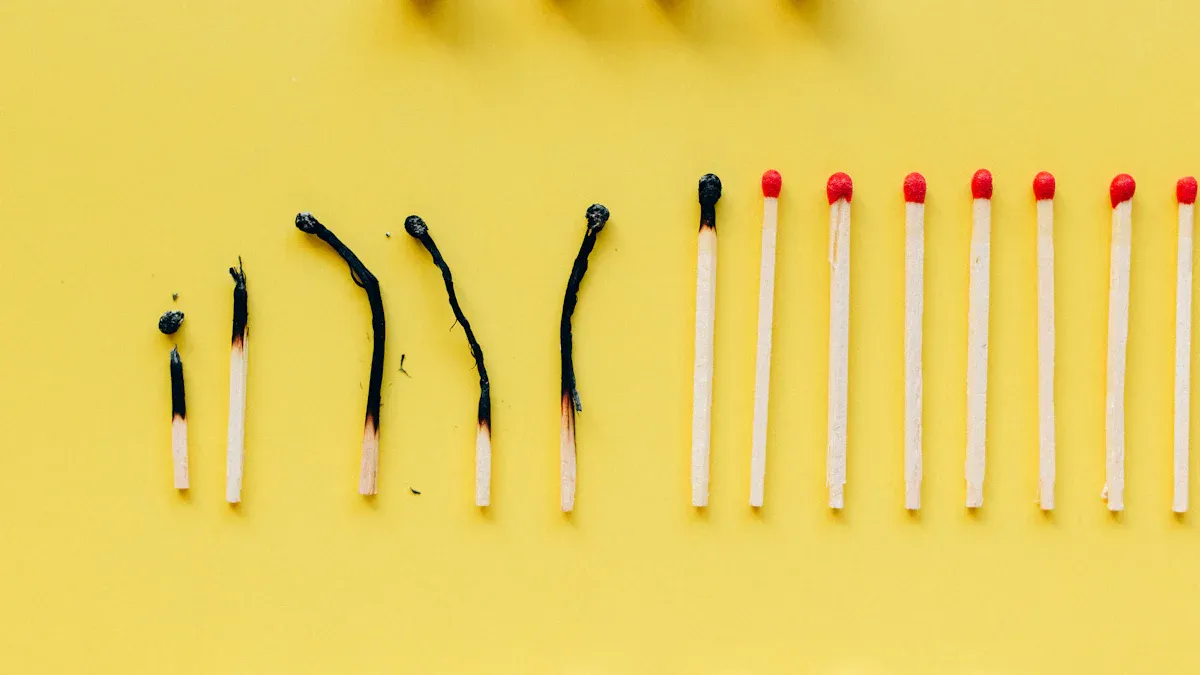
Many people want to reach their goals. They feel proud when they achieve something. Some think working harder will bring more success. But this can lead to burnout. Burnout happens when people push too much and forget to rest. Tao teaches us to know when to act and when to pause. This helps people feel happy during their journey, not just at the end.
Ambitious people at work face many causes of burnout. The table below shows what often leads to burnout:
Cause |
Explanation |
|---|---|
Overwhelming workloads |
Too much work can cause stress, make people feel not good enough, and create anxiety. |
Lack of control |
When others decide your tasks, you may feel powerless, frustrated, and upset. |
Toxic workplace culture |
Bad environments can make people feel alone and stressed, which makes burnout worse. |
Perfectionism |
Setting goals too high can cause stress and unhappiness if you do not reach them. |
Tao tells people to notice these traps and find balance. By going with the flow, they can avoid stress from always wanting more.
The Cost of Imbalance
Not balancing ambition and rest can hurt your mind and body. Stress from chasing goals can cause health problems. The table below explains what can happen:
Mental Health Outcome |
Description |
|---|---|
Anxiety Disorders |
Stress can cause worry all the time and make people feel scared about what will happen next. |
Major Depressive Disorder (MDD) |
High stress can stop the brain from growing new cells, making people tired and sad, and causing a cycle of stress and depression. |
Cognitive Impairment |
Stress can make it hard to think, remember things, and solve problems. |
Substance Use and Behavioral Addictions |
Some people may use alcohol or do things over and over to cope, which makes stress worse. |
Work-life imbalance also affects how well people work and how happy they are. Some common effects are:
Work-life balance gets worse when working from home because stress goes up and people get less support.
People working from home find it hard to stop working, so they are less productive even if they work longer.
Using smartphones for work too much can make people tired and less productive, especially if they do not sleep well.
Job stress lowers how well people work, especially if they have trouble balancing work and family.
Support from family and bosses can help lower stress and make people happier at work.
Tao reminds us that balance is important. It is needed for lasting success without burnout. By following tao, people can enjoy their achievements and stay healthy.
Taoist Balance for Modern Life
Simplicity and Contentment
Simplicity is very important in taoist teachings. Tao tells people to clear out things they do not need. It helps them focus on what matters most. Lao-tzu, who is a big part of tao, says being happy with what you have makes life better. He warns that wanting fame and money can cause problems. Taoist wisdom shows that being simple can turn your energy into happiness. People who live simply feel good about what they have. They feel less stress and more calm inside.
Many science studies show that being simple is good for you. The table below explains how minimalism helps people feel better:
Finding |
Description |
|---|---|
Positive relationship between minimalism and well-being |
The study found a significant correlation (β = 0.13, p < 0.05) indicating that minimalism enhances well-being. |
Reduction of stress and anxiety |
Decluttering leads to positive emotions and saves mental energy, which improves overall well-being. |
Enhanced introspection and learning |
Minimalism fosters conditions for self-reflection and personal growth, contributing to better mental health. |
Taoism and Manifest gives tools to help people live simply. These tools show how to live with the tao. They teach ways to handle stress and change it into something good. Living true to yourself brings calm and real happiness. Taoist teachings tell people to find balance and peace in life’s flow.
(For a more hands-on approach to decluttering your mind, check out our guide on mindfulness rituals for a simpler life.)
Taoist practice teaches us to be happy with what we have.
Being content turns energy into happiness, not wanting more.
Taoist teachings focus on knowing yourself and controlling yourself.
Living simply and naturally brings peace.
Wu Wei and Effortless Action
Wu wei is a main idea in taoist philosophy. It means doing things easily and going with the tao. Taoist teachings say wu wei is quiet and hard to see. It is about doing things without forcing them. Jean François Billeter says wu wei is knowing what to do in every situation. This helps people save energy and accept how things are.
The table below shows how wu wei is explained in taoist books and today:
Aspect |
Description |
|---|---|
Concept |
Wu Wei, or effortless action, emphasizes alignment with the natural flow of the Dao. |
Taoist Perspective |
It denotes the nature of Dao, which acts in a silent, invisible manner, aspiring to a harmonious state of unforced activity. |
Political Context |
Refers to an ideal form of spontaneous and non-aggressive governance. |
People use wu wei at work to do well. The table below gives some examples:
Example |
Application of Wu Wei Principles |
|---|---|
Netflix |
Leadership approach during transformation from DVD to streaming, creating conditions for natural team alignment. |
20% Time policy allowing innovation to emerge naturally, leading to products like Gmail and Google News. |
|
Amazon |
Jeff Bezos's 'Day 1' mentality maintaining agility and customer focus, embodying Shi thinking. |
Southwest Airlines |
Cultural evolution through hiring for attitude, operational simplicity, and employee empowerment for natural efficiency. |
Taoism and Manifest teaches real wu wei ideas. They say true happiness comes from not forcing things and acting naturally. Taoist teachings show that following the tao brings calm and success without getting too tired. People who use wu wei go with life’s flow. They do not worry too much or try too hard. This brings peace and balance.
(To learn more about applying “non-striving” to your professional goals, read our insights on mastering the art of Wu Wei.)
Tip: To practice wu wei, stop forcing things and trust the tao. This way, you can feel calm inside and reach real happiness.
Yin and Yang of Ambition
Yin and yang are two different but matching forces in taoist philosophy. Ambition is yang, and contentment is yin. Taoist teachings say ambition helps people chase goals. Contentment helps people enjoy where they are now. Balancing ambition and contentment is needed for a good life.
Taoist wisdom says you can work for success and still feel calm. If you follow the tao, you can reach goals and stay peaceful inside. Taoism and Manifest gives tools to help people learn about yin and yang. These tools show how to balance wanting more and being happy now. Living with the tao brings long-lasting success and peace inside.
(You can also browse our selection of Citrine and Amethyst accessories designed to help harmonize these internal forces.)
The table below lists main taoist balance ideas and how to use them every day:
Principle |
Application in Daily Life |
|---|---|
Embrace life's flow |
Align with natural rhythms and accept circumstances as they are |
Cultivate simplicity |
Reduce clutter and focus on what truly matters |
Practice mindfulness |
Stay present and aware in daily activities |
Seek balance |
Strive for equilibrium in various aspects of life |
Live in the present |
Focus on current experiences rather than past or future worries |
Accept change |
Adapt to life's inevitable changes with grace |
Foster compassion |
Show kindness and understanding towards others |
Taoist teachings from Taoism and Manifest help people follow the tao. They show how to balance ambition and being happy with what you have. This way, people can succeed without burning out and feel truly happy. People who use taoist wisdom find peace in life’s flow and feel calm inside.
Mindfulness and Daily Practice
Simplifying Routines with Tao
Many people want to do well without feeling tired. Taoist wisdom gives easy ways to make daily life simple. Picking simple habits helps people focus on what is important. Tao teaches people to breathe slowly, spend time outside, and think about their day. People who choose simple lives clean up their space and say no to too many things. They use wu wei by dropping stress and not trying to control everything. Taoism and Manifest shares music and amulets to help with these habits. These things help people feel calm and balanced while chasing happiness.
(To enhance your daily ritual, discover how our specialized sacred beads can support your journey toward inner stillness.)
Breathe mindfully to feel the flow of life.
Clean up your space and say no to extra tasks.
Go outside to feel calm and balanced.
Use wu wei by not trying to control everything.
Think about your day to follow Taoist ideas.
The table below shows how Taoist habits help with time and stress:
Principle |
Description |
Application |
|---|---|---|
Wu Wei |
Natural effort, working with energy flow |
Match tasks to your energy to feel less tired |
Yin-Yang |
Balance of work and rest |
Do hard jobs when you have energy, rest when tired |
Simplicity |
Focus on a few key tasks |
Do only 3-5 things each day to avoid stress |
Mindfulness for Sustainable Success
Mindfulness helps people succeed for a long time. Taoist ways teach people to work and rest in turns. Switching between work and rest keeps people focused and stops burnout. Sitting and forgetting helps people let go and follow the tao. Not trying too hard helps people make better choices and feel less stress. Doing mindfulness often makes the brain stronger for memory and feelings. MRI scans show people think better and handle feelings well. Mindfulness meditation helps people control feelings and worry less, which helps them feel happy even when life is busy. Taoism and Manifest gives lessons to help people find balance and peace.
Letting Go of Excessive Control
Taoist philosophy says trying to control everything can cause problems. The Sage lets things be and does not want too much or go to extremes.
Taoist philosophy says trying to control life can cause problems. True peace comes from letting go and following the tao. Everything in the world is special and cannot be controlled. If you try to change it, you may ruin it. The Sage lets things be and does not want too much or go to extremes. Life is very complicated, and every action has many causes.
Studies show letting go of too much control brings more peace and less worry. People who stop needing to control everything focus on what they do now. This helps them feel free and happier. Picking simple habits and letting go of stress makes life better. Taoist teachings help people find balance and real happiness while chasing their dreams.
Contentment vs. Ambition Myths
Contentment Fuels Ambition
Many people believe that contentment means giving up on dreams or settling for less. Taoist philosophy challenges this idea. Contentment does not mean stopping the pursuit of happiness. It means feeling satisfied with what one has while still moving forward. People who feel content can celebrate small steps and stay energized. They reconnect with their deeper purpose, which makes their journey meaningful and helps prevent burnout. Accepting that life moves in seasons allows for a healthy balance between ambition and self-care. This balance is crucial for long-term success.
Celebrating small steps keeps you energized and prevents feelings of inadequacy.
Reconnecting with your deeper purpose makes the journey meaningful and prevents burnout.
Accepting that life moves in seasons allows for a balance between ambition and self-care, which is crucial for long-term success.
Successful people often say that contentment is a key part of their achievements. It gives them stability when life changes. They see setbacks as temporary, which helps them stay strong.
Oscar Wilde once said, "True contentment is not having everything, but in being satisfied with everything you have."
Contentment is not just sitting still. It is an active way to see that what one has is enough. This mindset forms the base for true fulfillment.
Balance, Not Stagnation
Some think that seeking balance leads to stagnation. Taoist teachings show a different view. Stagnation happens when there is too much Yin, which can cause weakness and sadness. Balance, however, is a dynamic state. It helps people stay strong and ready for change.
“Do you think you can take over the universe and improve it? I do not believe it can be done. The universe is sacred. You cannot improve it. If you try to change it, you will ruin it. If you try to hold it, you will lose it. Therefore the sage avoids extremes, excesses, and complacency.”
The highest good is like water. Water gives life to the ten thousand things and does not strive. It flows in places people reject and so is like the Tao.
Water adapts and creates change without force. This shows that balance can drive growth, not stagnation. The wise avoid extremes and seek harmony. This approach supports the pursuit of happiness and leads to true fulfillment.
Taoist contentment and ambition help people succeed for a long time. They bring people together and help everyone feel calm inside. The table below lists important Taoist ideas for growing over time:
Principle |
Description |
|---|---|
Unity in all things |
Life feels full when everything is connected. |
Path of least resistance |
Calmness grows when actions happen easily. |
Time to be |
Thinking quietly helps people grow and feel peaceful. |
Being mindful and living simply help people feel calm and reach their goals. Many people see that Taoist habits help them do well and feel good inside. Taoism and Manifest gives help to people who want calm and balance every day.
Pieces That Carry This Intention
For the working hours, when the practice has to survive a calendar.


FAQ
What is the taoist approach to balancing ambition and contentment?
The taoist approach teaches people to follow the flow of life. They learn to set goals and enjoy the present. This method helps them avoid stress and find peace while working toward success.
What can someone do to find calm in chaos?
A person can practice mindful breathing and focus on simple routines. These habits help them stay calm in chaos. Taoist teachings encourage people to accept change and let go of control.
What makes Taoist contentment different from giving up?
Taoist contentment means feeling satisfied with what one has. It does not mean quitting. People still pursue goals but appreciate each step. This mindset supports growth and happiness.
What are easy ways to use Taoist wisdom every day?
People can clean their space, spend time outdoors, and practice slow breathing. These actions help them feel balanced. Taoist wisdom guides them to live simply and stay present.
What does yin and yang mean for ambition?
Yin and yang show that ambition and rest work together. People use ambition to reach goals. They use rest to recharge. Taoist teachings help them find harmony between these forces.
See Also
Living in Harmony: Principles of Taoism
Decluttering your home and mind with Taoist technique
What Wu Wei Offers for a Life of Natural Flow