
Stop Chasing Validation: A Taoist Guide to Real Inner Strength

Many individuals experience a strong desire for approval from others, and social media often amplifies this need. As people scroll through perfect pictures online, they tend to compare themselves, which can lead to feelings of inadequacy and anxiety. When they don’t receive enough likes or positive comments, they may feel excluded or downcast. Such emotions can diminish their inner strength. Taoist wisdom teaches us to stop chasing validation. By doing so, individuals can discover a sense of peace and trust within themselves.
Key Takeaways
Stop looking for approval from other people. Build your self-worth from inside yourself. This helps you feel more sure and safe.
Practice mindfulness to stay in the moment. Mindfulness lets you notice your thoughts without judging them. It helps you feel better about yourself and accept who you are.
Choose to keep your life simple. When you have less clutter and fewer distractions, you can focus on what matters most. You can also enjoy small things more.
Take time to think about yourself often. Knowing your strengths and weaknesses helps you grow. It helps you act in ways that match your values.
Trust who you really are. Stop trying to control everything. Let life happen as it will. This brings you more peace and makes you stronger.
Why We Chase Validation
The Cycle Of Approval
Many people want others to like them. This need for approval starts when we are young. Kids learn that how people treat them matters. They try to make parents, teachers, or friends happy. They do this to feel accepted. After a while, this becomes a habit.
Society teaches us that getting approval is important.
People fear failing and want others to comfort them.
Bad experiences as kids, like being ignored or judged, can make people want approval forever.
Sometimes, women feel pushed to get approval, especially where men are in charge.
People who want approval often do well in school or with friends. They may not notice this habit until they are grown up. Wanting others’ approval can make people take on too much. They may put others first. This can cause stress and worry. People feel pressure to do what others want.
Note: Always trying to make others happy can feel heavy. It can make people upset with their friends or family.
Impact On Self-Worth
Depending on others for approval changes how people see themselves. If self-worth comes from others, it is not steady. People feel nervous or lost when others do not like them. This can make people feel ashamed, guilty, or alone.
Type of Validation |
Self-Worth Impact |
Emotional Stability Impact |
|---|---|---|
External Validation |
Goes up and down with what others think. This makes feelings unstable. |
Makes people depend on others and feel unsure. |
Internal Validation |
Self-esteem stays steady, no matter what others say. |
Helps people feel strong and trust themselves. |
People who need approval from others often have trouble knowing who they are. Their confidence changes with what others say. People who stop chasing approval and trust themselves feel more sure and strong inside.
Stop Chasing Validation With Taoism
Taoist Inner Strength
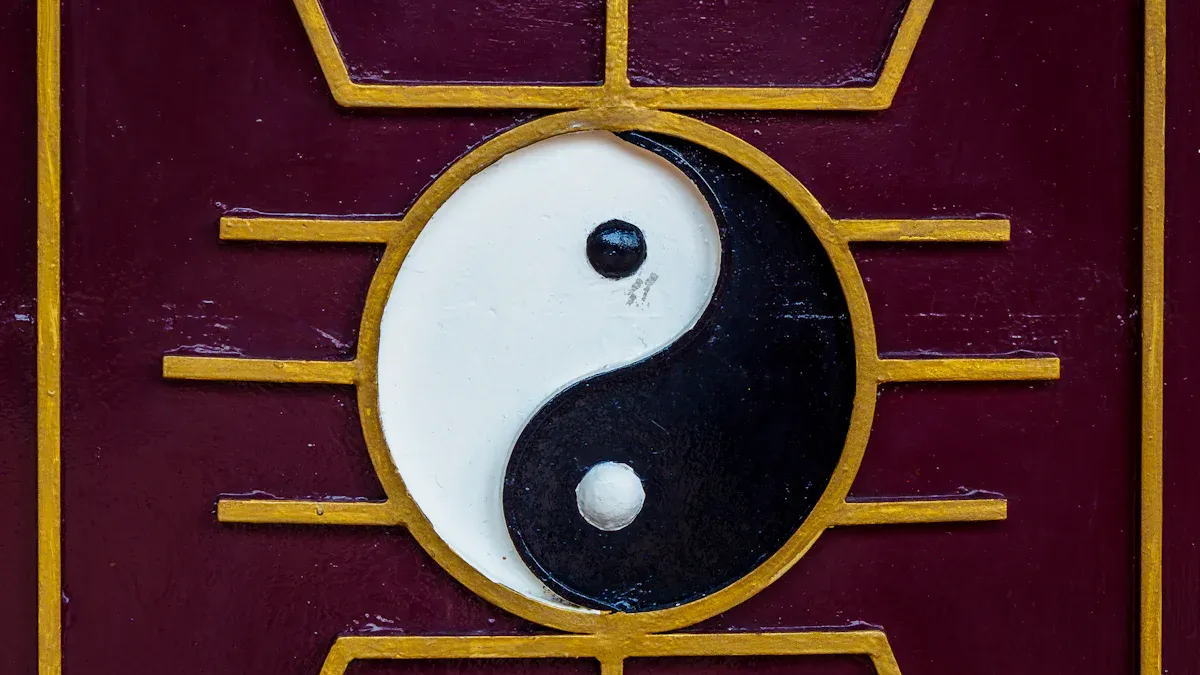
Taoist principles offer a clear path for those who want to stop chasing validation. These teachings focus on building inner strength by helping people understand what truly matters. Taoism teaches that happiness comes from contentment, not from seeking more approval or praise. People who follow these ideas learn to value themselves without needing others to agree.
Simplicity: People find joy in what they already have.
Humility: They let go of ego and connect with others.
Effortless Action (Wu Wei): They act in harmony with life, which brings peace.
Returning to True Nature: They rediscover their real selves, free from outside pressure.
"Fame or self: which matters more? Self or wealth: which is more precious? Gain or loss: which is more painful? He who is attached to things will suffer much." - Tao Te Ching, Chapter 44
Taoist principles help people see that chasing approval leads to stress. When people focus on their true nature, they feel calm and strong inside. They do not need to perform for others. They act from truth, not from a need to impress.
Wu Wei And Self-Acceptance
Wu Wei is a key idea in Taoism. It means effortless action. People who practice Wu Wei move with the natural flow of life. They do not force things or try to control every outcome. This approach helps people accept themselves as they are.
Wu Wei helps people relax and let go of struggle.
Practitioners learn to trust their own path.
Actions come from a place of ease, not pressure.
When people accept themselves, they stop chasing validation. They do not need to prove anything. They act with honesty and feel comfortable in their own skin. Wu Wei teaches that self-acceptance grows when people let go of control and allow life to unfold.
(To learn more about the benefits of Wu Wei in your daily life, see Taoist Approach to Effortless Living Through Wu Wei.)
Letting Go Of Approval
Letting go of approval is a central lesson in Taoism. People who follow Taoist principles learn to trust their natural state. They avoid overthinking, which can cause worry and doubt. Taoism encourages people to create space in their relationships. This space allows for healthy emotions and better understanding.
Trusting one's natural state leads to less anxiety.
Allowing space in relationships brings calm and clarity.
Letting go of approval helps people enjoy life more fully.
Taoist philosophy shows that when people stop chasing validation, they find relief and happiness. They do not need to control everything. They experience life with more freedom and less stress. By letting go, people build real inner strength and live with greater peace.
Practical Steps To Inner Peace

Mindfulness Practices
Mindfulness helps people feel good about themselves. It teaches people to pay attention to now. People watch their thoughts but do not judge them. Studies show mindfulness can boost self-esteem and self-compassion. One study in India found mindfulness helps people believe in themselves. Acting with awareness is very important. Another study in Poland showed mindfulness helps people forgive themselves. This happens through self-compassion. These studies show mindfulness helps people feel better and trust themselves.
Study Title |
Findings |
Implications |
|---|---|---|
The Mindful Self: Exploring Mindfulness in Relation with Self-esteem and Self-efficacy in Indian Population |
Mindfulness helps self-esteem and self-efficacy. Acting with awareness matters most. |
Mindfulness can help people feel better about themselves. |
Self-compassion mediates the influence of mindfulness on subsequent self-forgiveness in a Polish sample |
Mindfulness helps people forgive themselves through self-compassion. |
Mindfulness helps people trust themselves and feel calm. |
Taoist mindfulness uses meditation and breathing. People also try to be present in daily life. These skills help people notice when they want approval. Mindfulness helps people feel calm and balanced. It lets people move with life’s flow. When people use mindfulness, they find their true selves. They feel more peaceful inside.
(To explore more about mindful practices, check out How to Reclaim Your Inner Peace Through Mindful Spiritual Practice.)
Embracing Simplicity
Simplicity is important in Taoism. Many people feel tired from too many tasks. Too much to do can make people feel empty. Simplicity helps people focus on what matters. It helps people remember what they really want. Old traditions like Buddhism and Stoicism also say simplicity brings happiness.
Simplicity helps people feel less stressed and more mindful.
It helps people focus on what is important.
Old traditions say simplicity brings happiness and less wanting.
When people choose simplicity, they make space for peace. They stop worrying about things they do not need. They find joy in small moments. This helps people live with life’s flow and stay balanced. Simplicity helps people see beauty in nature and enjoy little things.
(If you're interested in simplicity and want to know more, read Balancing simplicity and abundance in minimalism with Taoism.)
Self-Reflection For Growth
Self-reflection helps people grow and feel confident. When people think about themselves, they learn their strengths and weaknesses. Listening to feedback helps people get stronger. It helps people see how their actions affect others.
Listening to feedback helps you grow and bounce back.
Self-reflection helps shape how you feel and act.
It is needed for self-growth and real change.
Thinking about yourself helps you act by your values.
Self-reflection brings clear thinking. It helps people notice when they act for approval. This helps people accept themselves and feel closer to their true nature. Self-reflection helps people handle stress and tough times. It brings more balance and peace inside.
Finding Inner Peace
Taoist practices help people find peace inside. These practices teach people to let go of control. People learn to accept how life changes. Living with life’s flow brings calm and happiness. Some Taoist practices are:
Practice |
Description |
|---|---|
Embracing Flow |
Letting go of control and accepting life’s changes brings peace. |
Qigong |
This practice helps the body, lowers stress, and clears the mind. |
Tai Chi |
A gentle martial art that helps balance, energy, and health. |
Mindfulness |
Being present and aware helps lower stress and feel better. |
Mindfulness, Qigong, and Tai Chi help people move with life’s flow. These practices help people find balance and connect with nature. When people accept themselves and stop needing approval, they feel calm and peaceful inside.
People can see the difference between being real and acting for approval. Being real helps people do well in important times. Worrying too much about others’ opinions can make people anxious. Setting limits and staying true to yourself helps you feel accepted and confident.
By using these steps, people can trust themselves, stay balanced, and live with life’s flow. Taoist practices help people find peace and keep it inside.
Living With Integrity And Strength
Building Resilience
Resilience helps people bounce back after hard times. When someone faces problems, it is important to notice their feelings. Feeling sad or mad is normal. Talking about these feelings helps people move forward. Taoist practices say being flexible is better than being stubborn. Real strength comes from being able to change. Yin and Yang help bring balance after things go wrong. Watching nature shows that change and new beginnings always happen. Resilience means finding balance with the Tao, not fighting against problems.
Use deep breathing and take small steps to handle stress.
Make goals that matter and think about your thoughts.
Spend quiet time to reflect on yourself.
Set healthy boundaries to keep your energy safe.
See setbacks as chances to learn.
Study |
Findings |
|---|---|
Kovi et al. (2021) |
Resilience is linked to inner strengths like perseverance, wisdom, truthfulness, and morality. |
Hendriks et al. (2018) |
Perseverance is an important part of resilience. |
Stoffel & Cain (2018) |
Grit and resilience are connected. Resilience is part of grit. |
Ungar (2008) |
Different cultures show resilience in different ways. It is tied to inner resources and feeling positive. |
Blanchard et al. (2021) |
Hope and gratitude help people be resilient. |
Trusting Yourself
Trusting yourself is a big part of integrity. Taoist stories teach that self-trust comes from following your true feelings.
Wang Hui-chih woke up and saw snow outside. He walked around and recited poems about visiting hermits. He thought of Tai K'uei. He got dressed, took a boat, and traveled to Tai K'uei’s house. When he got there, he did not knock. He went home instead. Someone asked him why. Wang Hui-chih said: "I came because I felt like it, and when that feeling ended, I went home. I did not need to see Tai."
This story shows that trusting yourself means listening to your own way. People who trust themselves do not need others to tell them what to do. They act honestly and follow their own path.
Overcoming Self-Doubt
Self-doubt can come from wanting things, wanting control, and feeling pressure to fit in. These things make people feel empty and confused. Taoist philosophy says control is not real. Living with the natural flow helps people feel less doubt. Wu Wei teaches people to act calmly and peacefully. Accepting that you cannot control everything helps you worry less. Being yourself instead of copying others makes you feel confident.
Know that you cannot control everything in life.
Use Wu Wei to follow the universe’s way.
Try to live as your true self.
Integrity In Daily Life
Integrity is the base of a strong life. Taoist teachings say integrity means being steady, constant, and simple. Practicing integrity means making honest choices every day. Compassion, humility, and kindness are important virtues. The Tao Te Ching says compassion is very important. Integrity helps people act with honesty and respect. Living with these virtues brings peace and balance. People who have integrity are steady in what they do and say. They treat others kindly and stay true to themselves. Integrity affects every choice and helps build real inner strength.
Stay steady and constant.
Keep things simple in what you do.
Show compassion, humility, and kindness.
Make sure your actions match the Universal Way.
Integrity is not just a rule. It is a way to live that helps people stay in harmony with the Tao.
Letting go of what others think brings real peace. People who trust themselves feel calm inside and in what they do. They stop needing approval and find peace with friends and family. Taoist inner strength helps people be kind and handle tough feelings. Being honest and believing in yourself helps you feel peaceful and healthy. People who accept their flaws feel peace by being open and humble. Feeling sure of yourself comes from being calm and trusting your path. Hard times show how strong and peaceful you are. Feeling happy comes when peace is part of everyday life.
Pieces That Carry This Intention
Beads meant to be handled while you practice, not just worn.


FAQ
What is harmony in Taoism?
Harmony in Taoism means living in balance with the world. People find harmony by following what is natural. They listen to their inner voice. Harmony helps people feel calm and peaceful. Taoist teachings show that harmony brings health and happiness.
What does flow mean in Taoist practice?
Flow means moving with life’s changes. People do not fight what happens. They accept each moment as it comes. Flow helps people find harmony. Flow lets people act with ease. Flow connects people to the natural order. Flow supports a peaceful mind.
What is effortless action?
Effortless action is a Taoist idea. People act without forcing things to happen. They let actions come naturally. Effortless action brings harmony. It helps people stay in flow. People trust the natural order. Effortless action leads to better choices and less stress.
What are the transformative aspects of Taoism?
The transformative parts of Taoism help people change inside. Taoism teaches harmony with nature. People learn to accept themselves. They find flow in daily life. Taoism guides people to see the natural order. This change brings peace and strength.
What does cultivating virtue mean in Taoism?
Cultivating virtue means growing good habits. People practice kindness and honesty. They seek harmony with others. Taoism says virtue comes from following the natural order. People learn by embracing the path of nature. Virtue helps people live in harmony.
What is natural harmony?
Natural harmony is the balance found in nature. People see natural harmony in how things grow and change. Taoism teaches that natural harmony comes from following the natural order. People who live this way feel peace and flow.
See Also
Taoist Approach to Effortless Living Through Wu Wei
How to Reclaim Your Inner Peace Through Mindful Spiritual Practice
Balancing simplicity and abundance in minimalism with Taoism