
Signs You Are Mentally Busy and How Taoism Teaches You to Let Go

Many people feel like their minds are always mentally busy. They look for ways to calm down. Studies show that adults often feel stressed. They get tired and have headaches a lot. Taoist philosophy gives kind advice. It teaches people to keep things simple. It tells them to let go of fear. It helps people bring peace into their lives. These ideas help people feel calm in a mentally busy world.
Key Takeaways
Notice signs that your mind is too busy, like fast thoughts, not sleeping well, and feeling stressed. Knowing these signs is the first step to feeling calm.
Try mindfulness with easy things like deep breathing and walking outside. These habits can lower stress and help you think more clearly.
Follow the Taoist idea of wu wei, which means acting without forcing things. Letting go of control can make life feel more peaceful and balanced.
Try to live simply and accept things as they are. This can help you feel less worried and more happy.
Add mindfulness to your daily routine to feel more in flow and at peace. Small habits can make a big difference for your mind.
Signs You Are Mentally Busy

Overthinking and Racing Thoughts
People who are mentally busy often think too much. Their thoughts move fast and jump around. These thoughts do not always make sense. They can be linked to anxiety disorders, ADHD, and OCD. Not sleeping enough can also cause racing thoughts. Racing thoughts make it hard to focus or sleep. Some signs are:
Always feeling tired and not sleeping well
Hard time paying attention and getting annoyed easily
Headaches and stomach problems
Switching thoughts quickly
Thinking about bad things over and over
Trouble Relaxing or Sleeping
It is hard to relax or sleep when your mind is busy. Thinking too much can make sleep worse. Students who study late at night may not relax or sleep well. Stress from school and too much thinking can keep the mind active. This makes it hard to fall asleep.
Feeling Overwhelmed or Anxious
A busy mind can make you feel overwhelmed or anxious. Some things that cause this are:
Too much work or a stressful job
Problems with friends or family
Money worries
Health problems
Big changes or scary events
These things can make life feel too hard and add stress.
Difficulty Focusing or Being Present
It can be hard to focus or stay in the moment. Some signs are:
Forgetting things or not paying attention
Feeling confused
Making more mistakes
Trouble concentrating
Feeling tired in your mind makes it hard to think clearly and stay focused.
Worrying About Future or Past
People who are mentally busy often worry about the future or past. This worry can make you feel anxious or sad. The table below shows how worrying affects people:
Impact of Worrying |
Description |
|---|---|
Future Thinking |
Makes people feel more anxious and sad |
Past Reflection |
Makes people think about bad things, which can make depression and anxiety worse |
Cognitive Avoidance |
Might stop things from getting worse, but does not fix the problem |
Many people say they worry about things like the future, past mistakes, money, or health almost every day for six months or more. This worry makes the mind feel busy and not calm.
Taoist Art of Doing Less
Wu Wei and Effortless Living
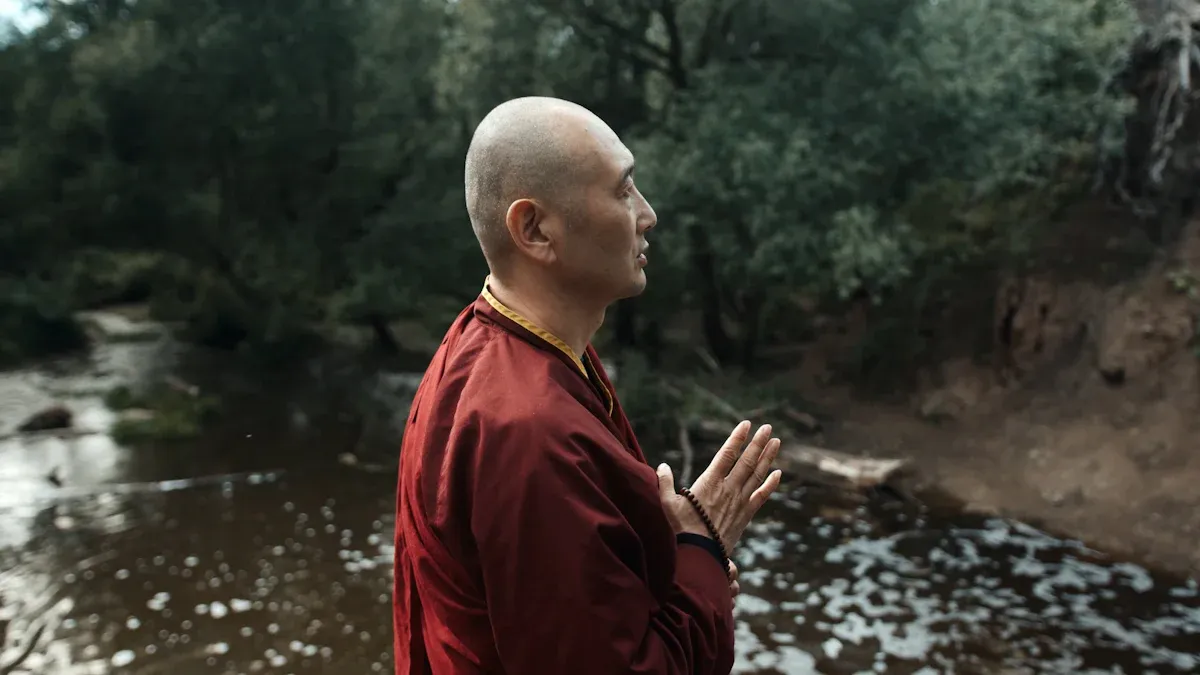
Wu Wei is a big part of Taoism. It is found in the Tao Te Ching, written by Lao Tzu. Wu Wei means "non-action," but it does not mean being lazy. It is about acting in a way that feels easy and natural. People who use Wu Wei do not try to control everything. They let things happen when they are ready. This helps people feel less stressed and busy in their minds.
Wu Wei is about finding a balance between doing and not doing. It helps people keep their minds soft and alert. When people use Wu Wei, they make better choices and feel less stress. They do not push for answers. They let life move on its own. This way of acting can make the mind clear. Many people see that trying too hard can make things worse, like not being able to sleep. The Taoist art of doing less shows that letting go of control brings peace.
Wu Wei does not mean stopping all action. It means taking smart and easy steps.
People who use Wu Wei let things happen on their own.
This idea helps people avoid bad results and calm their minds.
Mindfulness for Mental Clarity
Mindfulness is important in Taoism. It helps people notice their thoughts and feelings without judging them. Mindfulness lets the mind become calm and clear. Taoist teachings give different ways to practice mindfulness:
Emptiness meditation: Sit quietly and clear your mind.
Breathing meditation: Focus on your breath to calm your mind.
Neiguan (inner observation): Picture what is happening inside your body.
Studies show that mindfulness lowers stress and helps people feel better. Mindfulness can lower anxiety and depression. It helps people handle stress and live better lives. Mindfulness helps people see thoughts as things that come and go. This helps people let go of worries and find peace.
Evidence Type |
Findings |
Implications |
|---|---|---|
Systematic Review |
Mindfulness-Based Stress Reduction (MBSR) helps people feel better, lowers anxiety, depression, and stress, and helps people be kinder to themselves. |
This shows that mindfulness can help people see things in a better way and handle stress. |
Mechanisms |
Decentering and reperceiving help people handle stress with mindfulness. |
These help people deal with stress better and feel less busy in their minds. |
Harmony Through Letting Go
Taoism teaches that harmony comes from letting go. This means not trying to control people or things. Letting go makes room for peace and connection. Taoist wisdom gives steps to find harmony:
Focus on yourself when you feel anxious.
Feel your emotions and own them.
Change negative thoughts to positive ones.
Use deep breathing to clear your mind.
Know you have power over your feelings.
Take responsibility and fix mistakes if needed.
Change judgments to gratitude.
Let the Tao clean your spirit.
Letting go is not giving up. It means trusting how life moves. This trust brings new peace and harmony. People who let go of what they expect feel lighter and happier. Wu Wei helps people act easily and let things flow in relationships. Trusting how things happen helps solve problems and lowers stress.
Embracing Simplicity and Acceptance
Taoism values living simply and accepting things. Living simply means being yourself and staying natural. This brings joy and creativity. Taoist teachings show these qualities:
Naturalness: Be yourself and live simply.
Compassion: Care for others and help your community.
Moderation: Find balance and do not do too much.
Humility: Help others and grow as a person.
Living simply helps people avoid extra stress. Acceptance means letting things be as they are. This helps people feel calm and happy. Making daily life simple can make things easier. People who accept themselves and others feel more relaxed.
(Simplicity works in many scenarios. To explore more about it, check out Balancing simplicity and abundance in minimalism with Taoism.)
Non-Attachment and Flow
Non-attachment is important in Taoism. It means not holding on to things, people, or results. Non-attachment helps clear the mind and keep balance. People who let go of jealousy and envy have better relationships. Letting go of what you expect makes it easier to handle change.
Non-attachment helps people let go of bad feelings. This makes people think more positively. It also helps people focus and reach their goals. Many people find that non-attachment helps them get more done. Research shows that people who practice non-attachment like their jobs more and feel less upset. A big study found that non-attachment connects mindfulness to feeling good and having less stress.
Wu Wei and non-attachment together help people find flow. Flow happens when people act naturally and feel present. Watching yourself too much and feeling social pressure can stop flow. Taoism teaches that letting go and using Wu Wei help flow and harmony grow. This helps people live with less busy minds and more peace.
How to Live Effortlessly Every Day
Daily Mindfulness Practices
Doing mindfulness every day helps people live with ease. Taoist teachings suggest easy routines for peace and clear thinking. These routines help people feel balanced and calm. People can use these habits to lower stress and feel better.
Mindful breathing helps calm the body. It helps the mind focus and notice the present. People can take slow, deep breaths for a few minutes.
Nature meditation helps people connect with the world. Sitting or walking outside lets the mind rest and find peace.
Wu Wei in daily tasks means letting things happen naturally. People can do chores or work without forcing results.
Simplifying and decluttering makes space for clear thinking. Removing extra things from a room helps the mind focus.
Yin and yang journaling helps people think about balance. Writing about daily life can show stress and help bring harmony.
Taoist visualization helps people imagine balance and peace. This practice supports good thoughts and inner calm.
Being still each day gives the mind a break. Sitting quietly, even for a short time, helps bring flow and awareness.
Taoist affirmations help keep a balanced mindset. Saying things like "I am in harmony with the Tao" can bring calm.
A morning mindfulness routine starts the day peacefully. People can begin with mindful breathing or gentle stretching.
Mindful breaks during the day help reset the mind. Short pauses for breathing or watching can improve focus.
Evening reflection lets people think about their day. Noticing balance or stress helps with self-care and growth.
Mindful movement, like Tai Chi, helps body and mind work together. These gentle moves support flow and relaxation.
Digital detox times lower stress. Turning off devices for a while helps the mind rest.
Tea meditation brings mindfulness to daily life. Making and drinking tea slowly helps people feel calm and aware.
Mindful eating makes food taste better and helps digestion. Eating slowly and noticing flavors helps people stay present.
These daily mindfulness habits help people find balance, flow, and peace. They help people live in harmony with the world and themselves.
Integrating Taoist Wisdom
Taoist wisdom gives simple ways to live with ease. People can use these ideas to think clearly and feel balanced. Taoist rules guide people to flow and awareness every day.
Taoist meditation brings mindfulness and inner peace. Sitting quietly and breathing mindfully helps the mind settle.
Wu Wei helps people move with life's natural flow. People can let go of control and let things happen.
Letting go of expectations helps people live now. Focusing on actions, not results, lowers stress and brings peace.
Silence gives mental clarity and strength. Quiet times each day help people feel aware and relaxed.
Being kind to yourself matches Taoist acceptance. Self-care and compassion help bring balance.
Letting go of results means focusing on effort, not outcome. This way helps flow and lowers anxiety.
People who use Taoist wisdom every day feel more balanced and calm. They find peace in simple actions and grow more aware. These habits help people live with ease and enjoy each moment.
Nature Walks and Meditation
Nature walks and meditation are important in Taoist practice. Walking in nature helps people feel better and live with ease. Meditation during walks or in quiet places brings awareness and flow.
Mindful walking lowers stress and anxiety. Moving with nature helps the mind relax and find peace.
Meditative walking helps people sleep better and feel happier. People who walk mindfully feel more balanced and refreshed.
Nature walks help the brain stay healthy. Older adults who walk in nature focus better and think more clearly.
Taoism sees walking as a meditative practice. Each step with awareness brings people closer to balance and harmony.
Moving with nature, being simple, and using Wu Wei during walks help people enjoy freedom from distractions.
Studies show that walking in nature helps mental health. People who walk outside worry less and feel better. Big studies show nature walks make mental health much better.
(If you're interested in mindful walking, see Taoism Helps You Slow Down and Enjoy City Life.)
"Walking in nature, with mindful breathing and awareness, helps people find flow and peace. This practice supports living in harmony with the Tao."
Meditation, sitting or walking, helps people focus and feel balanced. Mindful breathing during meditation calms the mind and body. People who meditate often feel more flow, awareness, and peace every day.
Nature walks and meditation together help people live with ease. These habits help people find balance, flow, and inner peace each day.
Mentally busy people may think too much. They can have trouble relaxing. They often worry about what will happen or what happened before. Taoist ideas can help them let go and feel calm.
Do not push too hard. Make things simple.
Pay attention before you answer.
Let nature guide you. Be quiet and still.
Try Qigong or sit and meditate to feel balanced.
The Tao never acts, yet nothing is left undone.
Doing one Taoist practice today can help anyone feel more balanced. It can help you accept things and live more easily.
Pieces That Carry This Intention
Beads meant to be handled while you practice, not just worn.


FAQ
What is mental busyness and how does it affect daily life?
Mental busyness means the mind stays active with many thoughts. People may struggle to find calm. They often forget to focus on breathing. This state can make it hard to relax, sleep, or enjoy trusting life’s flow.
What Taoist practices help someone feel calm?
Taoist practices teach people to find calm by focusing on breathing. Meditation, nature walks, and simple living help the mind slow down. These habits encourage trusting life’s flow. People learn to let go of stress and enjoy each moment.
What role does breathing play in calming the mind?
Breathing helps the mind become calm. Slow, deep breathing sends signals to the body to relax. People use breathing to quiet racing thoughts. This practice supports trusting life’s flow. Regular breathing exercises help people feel calm every day.
What can someone do when feeling overwhelmed or anxious?
People can pause and focus on breathing. This helps the mind find calm. Taoist wisdom suggests letting go of control and trusting life’s flow. Simple actions like walking outside or sitting quietly support calm and balance.
What is the best way to start a calm routine at home?
People can begin with breathing exercises each morning. They may sit quietly and focus on breathing. This helps the mind feel calm. Adding nature walks or gentle stretching supports trusting life’s flow. A calm routine brings peace to daily life.
See Also
Balancing simplicity and abundance in minimalism with Taoism