
Seasonal Eating: How to Follow the Taoist Diet

Seasonal eating is very important in the Taoist diet. People pick fresh, local food that fits the season. This helps people stay healthy and balanced. Seasonal foods help the body handle changes in weather. The Taoist way values careful cooking and regular habits. Many people see their heart rate and pulse change with the seasons. Anyone can try seasonal eating. The Taoist diet is open to everyone, even beginners.
Key Takeaways
Seasonal eating keeps you healthy. You pick fresh, local foods that grow in each season.
Mindful eating helps your stomach work better. It also makes meals more fun. Chew your food slowly. Notice every bite you take.
Eating with the seasons gives your body what it needs all year. This helps you feel good and stay healthy.
Eating at the same times every day gives you balance and energy. A routine helps your body break down food better.
Pick whole grains instead of processed ones. This lowers your chance of getting sick and keeps your diet healthy.
Seasonal Eating and the Taoist Diet
Nature’s Cycles and Your Diet
Taoist philosophy says people should live with nature. The Taoist diet changes with the seasons. People pick foods that fit the time of year. This helps the body get used to new weather and places. Taoist ideas about food focus on balance and natural patterns. Ancient Taoists thought food has Qi, which is life energy. They believed food helps keep people healthy and balanced. The Taoist way values careful eating and whole, simple foods.
Taoist diet choices show the idea that food can help or harm Qi. Eating with the seasons keeps people close to nature and helps health.
Taoist philosophy teaches balance and harmony with nature.
Food choices should match the season and what is available.
The diet supports careful eating and whole, simple foods.
Ancient Taoists saw food as energy that can help or hurt balance.
Watching nature’s cycles shows how food affects health.
Why Seasonal Foods Matter
Eating with the seasons helps people live in harmony with nature. This way gives the body what it needs all year. It also shows how weather and place change health and feelings. Seasonal food is often better for you because it is picked when ready. For example, broccoli has more vitamin C in the fall than in spring. Local food is fresher and keeps more good stuff. Eating food soon after it is picked keeps its Qi and nutrition. People who eat this way feel healthier and more balanced.
Seasonal food can have more nutrients.
Local food is picked when ready, so it is better for you.
Eating food soon after picking helps health.
Core Principles of the Taoist Diet
The Taoist diet uses main ideas to help people choose food. Taoist rules for eating focus on the energy in food and changing with the seasons. People mix flavors like sour, bitter, sweet, spicy, and salty for health. The Taoist diet is different because it cares about the universe and how food fits each person. The diet tells people to eat food that helps Qi and balance. Health gets better when people follow these ideas.
The Taoist diet focuses on how food’s energy can help health.
It changes with the seasons, so food matches the time of year.
Mixing flavors is important for health and balance.
The Taoist diet cares about the universe and how food fits each person.
(To explore more about healthier eating habits in Taoism, check out How Taoism Inspires Healthier Eating Habits Today.)
Seasonal Fruits and Vegetables by Season
Spring Choices: Greens and Fresh Herbs
Spring is a time when nature starts fresh. The taoist diet suggests eating green foods and herbs now. People pick young veggies and leafy greens for energy. These foods help the body wake up after winter. They get you ready for warmer days.
Common spring vegetables and herbs are:
Spinach
Kale
Swiss chard
Collard greens
Dandelion greens
Arugula
Mustard greens
Radishes
Asparagus
Scallions
Celery
Fennel
Artichoke
Nettles
Peppermint
Parsley
Wheat grass
Sprouted mung beans and adzuki beans
Spring fruits taste sour or a little bitter. Lemons, limes, grapefruit, and apricots are good picks. These fruits help clean the body. They make meals taste bright.
Tip: Steam or sauté greens lightly to keep their nutrients. Put fresh herbs in at the end for more flavor and health.
Spring greens and herbs give fiber and vitamins K, A, C, and E. They have minerals like iron and calcium. They also have phytonutrients for heart and bones. Eating these foods may lower disease risk and help your mind stay sharp.
Summer Foods: Cool Fruits and Hydration
Summer is hot and days are long. The Taoist diet says to eat fruits with water and cool veggies. These foods help the body stay cool and keep fluids balanced.
Popular summer vegetables are:
Cucumber
Zucchini
Summer squash
Peppers
Eggplant
Tomatoes
Broccoli
Bok choy
Chinese cabbage
Watercress
Snow peas
Turnips
Beets
Summer fruits are juicy and refreshing. People eat watermelon, cantaloupe, apricots, oranges, grapefruit, and lemons. These fruits give water, vitamins, and sweet flavor for summer.
Tip: Chill fruits or blend them into smoothies. Put lemon or cucumber slices in water for extra hydration. Mung bean soup is a cool snack on hot days.
Cooling foods like watermelon, cucumber, and bitter greens help with dryness. They protect the body's fluids. Mung beans help clear heat and support digestion. Warm soups and broths also help keep you hydrated.
Autumn Picks: Root Vegetables and Squash
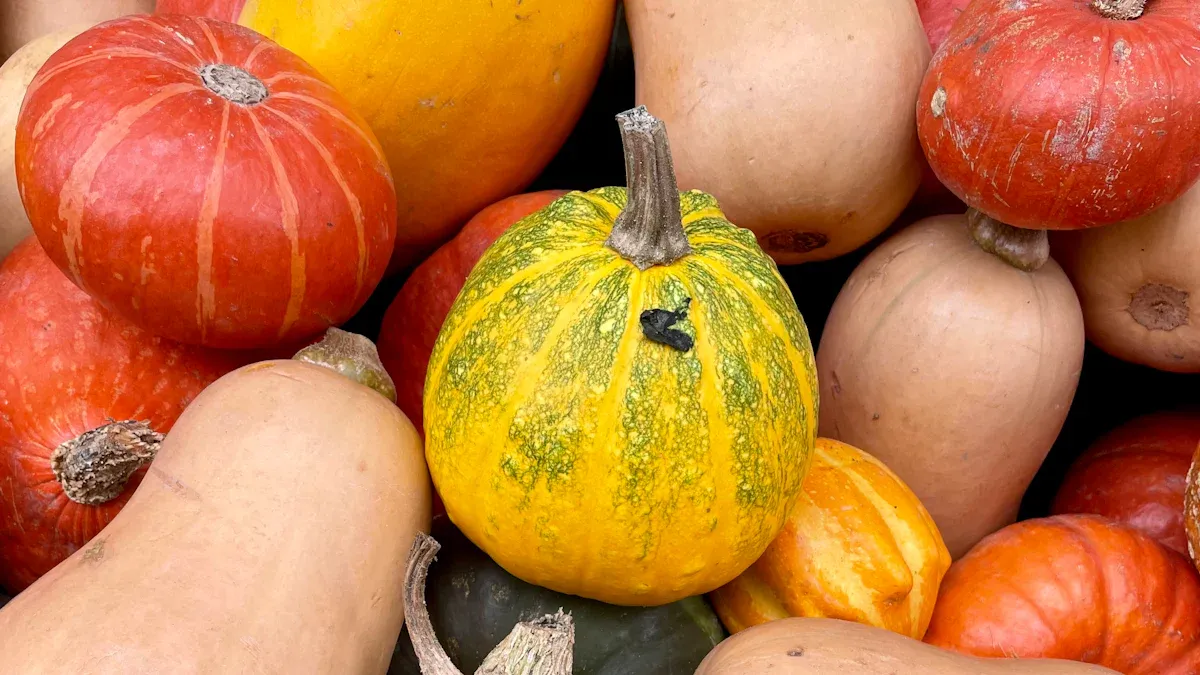
Autumn means cooler weather is coming. The Taoist diet uses root vegetables and squashes now. These foods grow underground and store energy. They help the body get used to the new climate.
Key autumn vegetables are:
Potatoes
Sweet potatoes
Chinese yam
Taro
Jerusalem artichoke
Rutabaga
Yucca
Beets
Carrots
Parsnips
Turnips
Daikon
Burdock
Squashes like acorn, butternut, pumpkin, and zucchini are important too. These veggies help the lungs and digestion.
Nutrient |
Benefits |
|---|---|
Vitamins |
Vitamin A helps vision and immune health, Vitamin C helps immunity |
Minerals |
Potassium keeps blood pressure healthy |
Antioxidants |
Lower inflammation and disease risk |
Fiber |
Helps digestion and gut health |
Complex Carbohydrates |
Give steady energy all day |
Note: Roast root veggies and squash to make them sweet. Add them to soups and stews for warm meals.
Autumn fruits are apples, pears, and grapes. These fruits give fiber and antioxidants. They help the body get ready for winter.
Winter Meals: Hearty and Warming Foods
Winter needs hearty and warm foods. The Taoist diet uses cooked veggies, warming spices, and grains for energy and immunity.
Common winter vegetables and ingredients:
Onion
Leeks
Parsnips
Garlic
Spring onion
Capsicums
Dried or cooked fruits
Squash
Sweet potatoes
Herbs and spices like basil, chives, coriander, dill, fennel, parsley, rosemary, anise, cumin, cinnamon, cloves, ginger, and black pepper add warmth and taste. Nuts, seeds, oats, quinoa, and wild rice give extra energy.
Tip: Make stews, porridges, and baked dishes with winter veggies and spices. Use garlic and ginger to help immunity and blood flow.
Warm, cooked foods help digestion and keep you strong in cold months. These meals help blood flow and stop sickness.
Eating seasonal fruits and veggies each season helps the Taoist diet bring balance and health. People can enjoy many foods all year by picking what nature gives.
Mindful Eating Habits

Eating with Awareness
Taoist tradition says mindful eating helps health and balance. People use easy habits to connect with food and the moment. They chew slowly and notice each bite. Some people meditate before meals. They pay attention to taste, texture, and energy. This helps them respect their chi and not eat too much. Eating only when hungry helps them know real hunger from cravings.
Chew food slowly and carefully.
Meditate before or while eating.
Stop eating before you feel too full.
Eat only when you are hungry.
Saying thank you before eating helps people enjoy their food and feel happier.
Studies show mindful eating helps digestion and feelings. The table below lists some benefits:
Benefit |
Description |
|---|---|
Supports Digestion |
Mindful eating helps digestion and lets the body use nutrients better by lowering stress. |
Reduces Gastrointestinal Symptoms |
Mindfulness can help with stomach problems and discomfort. |
Enhances Gut Health |
Mindful eating helps people have a good relationship with food, which helps the gut. |
Improves Eating Behaviors |
People notice when they are hungry or full, so they make better food choices. |
Aids in Weight Management |
Mindful eating helps people eat less and feel better about their bodies, which helps control weight. |
(To learn more about Taoist diet, see Follow the Taoism Diet for More Energy.)
Routine and Emotional Balance
Eating at the same time every day is important in the Taoist diet. This helps the body stay balanced. It also helps digestion and energy. Taoist teachings say feelings change how the body uses food. Calm feelings help the body get nutrients. Stress or anger can slow digestion and hurt health.
Eating with awareness helps people see how feelings change their hunger. When people feel thankful and calm, they enjoy meals more and choose better foods. Good nutrition gives the body energy and keeps the immune system strong. It helps every cell, tissue, and organ work well.
Taoist Food Combinations
Taoist diet rules suggest certain food mixes for better digestion and health. People often eat fruit first because it digests fast. Melons should be eaten alone. Mixing protein and starches can cause bloating, so eat them separately. Leafy greens go well with most foods and help digestion. Fats mix well with many foods except fruit, but eat them in small amounts.
Food Combination Rule |
Explanation |
|---|---|
Fruit First |
Fruit digests best alone and leaves the stomach quickly. |
Protein and Starches do NOT mix |
Mixing these can cause bloating because they need different ways to digest. |
Melons Go Alone |
Melons should be eaten alone since they digest differently than other fruits. |
Leafy Greens Abound |
Leafy greens have lots of nutrients and help digestion with other foods. |
Fat Rules |
Fats mix well with most foods except fruit, but eat only a little to keep digestion smooth. |
Time Lengths |
Foods digest at different speeds; wait between meals for best digestion. |
Beans and lentils are best with grains and vegetables. Ghee helps digest many foods. Cheese and yogurt are easier to digest with grains or vegetables. Milk is best alone or with spices. Eggs go well with grains and non-starchy vegetables.
Mindful eating, regular meal times, and good food mixes help people follow the Taoist diet. These habits help health, digestion, and emotional balance.
Hydration and Moderation
Staying Hydrated the Taoist Way
Taoist tradition says staying hydrated helps balance and energy. People who follow the taoist diet drink warm or room-temperature water. They do not pick cold drinks. Warm water is thought to help digestion and comfort in all seasons. Taoist ideas also say you should get fluids from drinks and food. Soups and juicy fruits are good choices. The table below shows how Taoist hydration is different from regular advice:
Taoist Hydration Practices (TCM) |
General Hydration Guidelines |
|---|---|
Emphasizes warm or room-temperature water |
Often recommends cooler fluids |
Avoids cold drinks for digestive health |
No specific avoidance of cold drinks |
Considers body constitution and seasons |
Does not account for individual differences |
Sees food and drink as nourishment |
Focuses on water intake |
People can sip water during the day and drink herbal teas. They can eat foods like cucumber or watermelon when it is hot.
Avoiding Excess Dampness
Taoist diet theory says too much dampness is not good for health. Some foods and habits can cause this problem. Signs of too much dampness are:
Feeling tired or heavy
Gaining weight
Swelling or holding water
Sticky poop
Bloating or stomach pain
Not feeling hungry
Chest feels tight
Tongue looks thick or greasy
If dampness lasts a long time, it can cause health problems. These include obesity, high cholesterol, diabetes, and more. Taoist advice says to eat less heavy, rich, or sweet food and dairy. Eating warm, cooked food can help stop dampness. Herbs like ginger and garlic are helpful too.
Moderation with Grains and Processed Foods
The Taoist diet says to eat grains and processed food in moderation. People should pick whole grains instead of refined ones. Eating three servings of whole grains each day may lower disease risk. Too many refined grains or processed foods can be bad for health. Taoist tradition says to swap half of refined grains for whole grains. People should also eat fewer sugary snacks and processed foods to stay balanced.
Tip: Pick brown rice, oats, or quinoa instead of white bread or pastries. Add vegetables to grain dishes for more nutrition.
A balanced Taoist diet uses moderation to keep the body healthy and strong.
People who follow the Taoist diet pick foods that fit the season and where they live. They eat local fruits and vegetables to stay healthy and live longer. In spring and summer, they eat fruits with lots of water. In fall and winter, they eat foods that make them feel warm. They do not eat foods that are hard to digest. They like simple meals that help keep balance. They cook by stewing and boiling to keep food soft and good for health. They use cookbooks and guides to plan meals and stay balanced. They eat mindfully and feel thankful to enjoy food and live longer.
Small changes let people notice how their body feels. A simple routine and careful choices can help you eat better and feel healthier. Anyone can try eating with the seasons the Taoist way.
Practice |
Benefit |
How to Apply |
|---|---|---|
Eat seasonally |
Support health |
Choose fresh, local, in-season food |
Mindful eating |
Improve balance |
Chew slowly and rest utensils |
Grateful eating |
Boost longevity |
Start meals with deep breaths |
Pieces That Carry This Intention
A few pieces from the shop that sit close to what this article is about.


FAQ
What is the Taoist diet?
The Taoist diet is a way of eating that follows nature’s cycles. People choose fresh, local, and seasonal foods. They focus on balance, simple meals, and mindful eating. This diet helps the body stay healthy and in harmony with the seasons.
What foods do people eat in the Taoist diet?
People eat fruits, vegetables, grains, beans, and nuts. They pick foods that grow in each season. The Taoist diet avoids heavy, greasy, or processed foods. Warm, cooked meals are common, especially in colder months.
What habits support the Taoist diet?
People eat slowly and pay attention to each bite. They follow regular meal times. The Taoist diet encourages gratitude before eating. People avoid overeating and choose foods that match the season and their body’s needs.
What are the main benefits of the Taoist diet?
The Taoist diet supports good digestion and energy. It helps people feel balanced and healthy. Eating with the seasons can boost the immune system. Many people notice better mood and less stress when they follow this way of eating.
What makes the Taoist diet different from other diets?
The Taoist diet connects food choices to nature and personal balance. People focus on the energy in food and how it fits the season. This diet values harmony, simple meals, and mindful habits more than strict rules or calorie counting.