
Real vs. Fake Ebony: 3 Quick Tests Before You Buy

Many buyers are often uncertain about how to distinguish between real vs. fake ebony. They seek assurance in their purchases, particularly for spiritual items like the Raw Ebony Pendant from Taoism and Manifest. Taoist wisdom emphasizes the importance of honesty and living in harmony. Fortunately, anyone can perform simple tests to determine authenticity without requiring special training. Gaining knowledge about these distinctions can enhance your confidence in your choices.
Key Takeaways
Look at the grain and color of ebony. Real ebony has brown lines and different colors. Fake ebony looks just plain black.
Try the 'ting' sound test. Real ebony makes a clear, ringing noise when you tap it. Fake ebony sounds dull or flat.
Feel the weight and density. Real ebony is heavy and solid. Fake materials like resin or plastic are much lighter.
Do a scratch test. Real ebony does not scratch easily and stays the same. Fake ebony gets scratched fast.
Take care of your ebony pendant the right way. Keep it away from water and chemicals. Put it in a soft pouch to keep it nice.
Visual Signs of Real vs. Fake Ebony
Grain and Color Differences
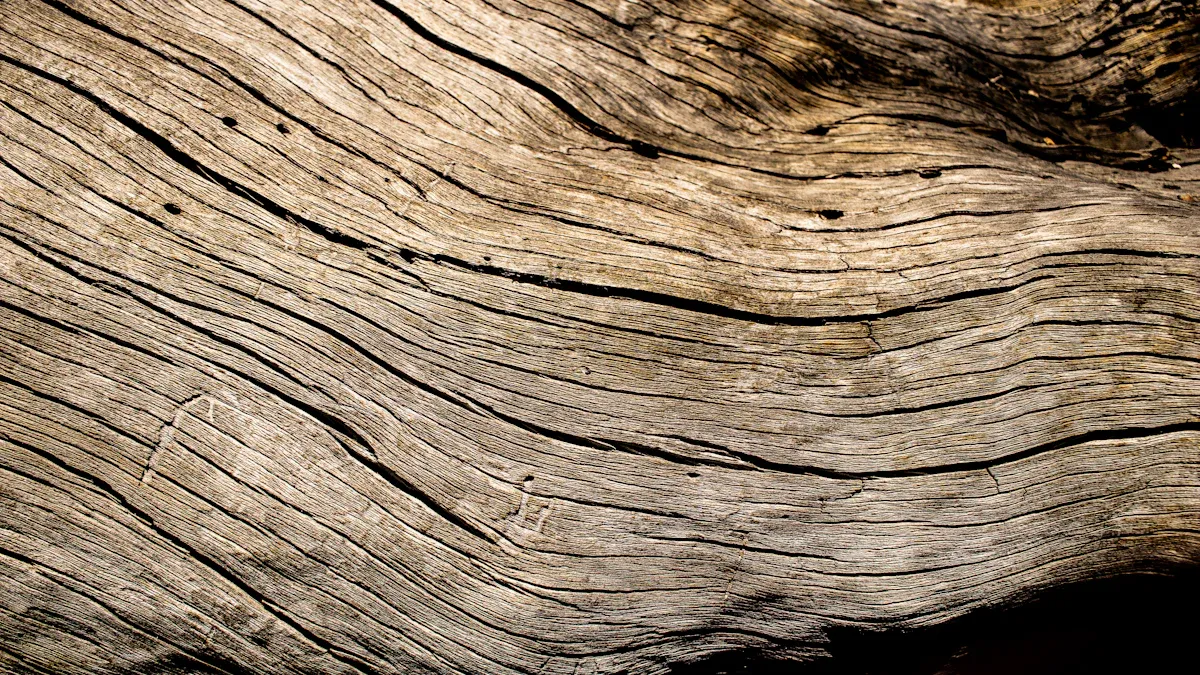
Looking closely at ebony helps you tell if it is real or fake. Real ebony has a special grain pattern. You can see brown streaks mixed with dark black or purple-black colors. These streaks happen naturally and make each piece different. People like these changes because they show the wood is real.
Fake ebony, like dyed wood or resin, looks different. The color is usually just plain black all over. It does not have natural streaks or color changes. This is a big clue that it is not real. Some fakes try to look like black onyx, but they do not have the same deep look or warmth as real wood.
-
Real ebony:
Has brown streaks that are natural.
Shows colors from deep brown to black-purple.
Every piece is different.
-
Fake ebony:
Is just one flat black color.
Does not have grain or streaks.
Looks too perfect or fake.
Surface Shine and Texture
Real ebony feels smooth but not like glass. It has a soft shine because the wood is very dense. When you touch it, real ebony feels cool and strong. Over time, it can get a soft shine called patina, which makes it look even better.
Fake ebony, like resin or plastic, feels different. The surface might be too shiny or even sticky. Some fakes try to copy the shine of black onyx, but the feel is not natural. Dyed wood can also look dull or not even. Looking at and touching the wood can help you spot these things.
Tip: Hold the item in sunlight. Real ebony shines softly. Fakes might look too bright or just flat.
Spotting Fakes vs. Taoism and Manifest Raw Ebony Pendant
Many fakes try to look like real ebony, but looking closely shows the truth. The Raw Ebony Pendant from Taoism and Manifest is a good example of real work. Each pendant has the natural grain and color changes that only real ebony has. The surface keeps the wood’s real feel, and Tung tree oil gives it a soft shine without hiding its beauty.
Buyers should check for these things when looking at products:
Special grain patterns that fakes do not have.
Real color changes, not just one black color.
A surface that feels smooth and strong, not like plastic.
The Raw Ebony Pendant also has hand-textured brass, which makes it even more real. This mix of materials and careful work shows the Taoist idea of balance between nature and skill. Many fakes try to look like black onyx, but real ebony always feels warmer and more special.
Looking at the wood is one of the best ways to know if it is real. People who know these signs can feel sure about what they buy and enjoy the true spiritual value of real ebony.
(If you're interested in Taoist Raw Ebony Pendant, see Raw Ebony Pendant.)
Weight, Density, and the 'Ting' Test

How Real Ebony Feels
Real ebony is heavy and dense. When you pick it up, it feels solid in your hand. This is not just your imagination. Real ebony is one of the densest woods used for art and spiritual things. The surface feels smooth but not slippery. Many people notice that real ebony feels cool and strong when touched. This feeling shows it is good quality and will last a long time. Light fakes like plastic or resin do not feel the same. They often feel hollow or weak. Real ebony, like in the Raw Ebony Pendant from Taoism and Manifest, feels heavy and smooth for many years.
Lightweight Imitations to Avoid
Many fakes try to look like real ebony. Their weight and density show they are not real. Light materials like dyed wood, resin, or plastic feel much lighter than real ebony. These fakes do not have the solid, heavy feel that makes real ebony special. Some fakes try to look like black onyx, but they cannot match the real weight. If you compare them, you can tell the difference. Real ebony always feels heavier and more solid. This is why people like it for spiritual pendants and amulets. It feels real and important.
Below is a table that shows how dense and heavy real ebony is compared to fakes:
Material |
Density (kg/m³) |
Weight (lbs/ft³) |
|---|---|---|
Ebony (average) |
1200 |
70 |
Ebony, Gaboon |
1193 |
- |
Ebony, Macassar |
1090 |
- |
Average Dried Ebony |
1120 |
70 |
Fake materials like resin or dyed wood are much less dense, usually under 800 kg/m³. This makes them feel lighter and not as strong. When you hold a real ebony pendant, like the Raw Ebony Pendant, you can feel the difference right away.
The 'Ting' Sound Test for Authenticity
The 'ting' test is a fast way to check if ebony is real. If you tap real ebony with your fingernail or a metal object, it makes a clear, ringing sound. The sound is sharp and lasts a short time. Real ebony is so dense that it vibrates and makes this special sound. Fakes made from resin, plastic, or even black onyx do not sound the same. Black onyx sounds dull and short when tapped. Resin and plastic make a flat or quiet noise.
To do the 'ting' test, hold the item close to your ear and tap it gently. Listen for a bright, bell-like sound. Real ebony will always make this sound. The Raw Ebony Pendant from Taoism and Manifest passes this test, showing it is real and high quality. The brand uses only real, certified materials. This shows respect for Taoist values and the balance between nature and skill.
Note: The 'ting' test works best on solid wood. If the item has metal parts, like the hand-textured brass on the Raw Ebony Pendant, the sound may be mixed. Try to tap just the wood part for the best result.
Taoism and Manifest always uses real materials in every product. The Raw Ebony Pendant shows this promise. Buyers can trust that each pendant has the true weight, density, and sound of real ebony. This helps every piece support spiritual growth and harmony, just like Taoist teachings say.
Scratch Test and Surface Care
Safe Scratch Test Steps
The scratch test helps buyers see if ebony is real. People use a coin or fingernail to gently scratch the surface. Real ebony resists scratches and shows little change. Fake ebony, like resin or dyed wood, often scratches easily. The scratch test does not damage the pendant if done lightly. Some use the heat test to check for plastic. They apply gentle heat and watch for melting or odor. Real ebony does not melt or smell like chemicals. The shape and smash test checks if the item breaks or chips. Real ebony stays strong. The acid test uses a drop of vinegar to see if the surface reacts. Real ebony does not change. The water test checks for swelling. Real ebony does not swell quickly. The fog test uses breath to see if moisture stays. Real ebony dries fast.
Tip: Always test on a small, hidden area to avoid marks.
Real Ebony vs. Fake Results
Real ebony passes the scratch test with only minor marks. The heat test shows no melting or chemical smell. The shape and smash test proves the wood stays solid. The acid test leaves the surface unchanged. Fake ebony fails these tests. Scratches appear easily. The heat test causes melting or a plastic odor. The shape and smash test may break the item. The acid test can cause discoloration. The water test shows swelling in fake wood. The fog test leaves moisture on resin or plastic.
-
Real ebony:
Resists scratches.
Does not melt or smell with heat.
Stays strong when tested.
Shows no reaction to acid or water.
Dries quickly after fog test.
-
Fake ebony:
Scratches easily.
Melts or smells with heat.
Breaks or chips.
Reacts to acid or water.
Holds moisture after fog test.
Caring for Your Raw Ebony Pendant
Proper care keeps the Raw Ebony Pendant beautiful and strong. Taoist teachings value respect for nature. Owners should avoid moisture, chemicals, and direct sunlight. Storage in a fabric-lined box or soft pouch prevents scratches. Regular cleaning with a damp microfiber cloth and mild soap removes dirt. Dry the pendant well after cleaning. Use natural oils sparingly to recondition the wood. The table below shows recommended care practices:
Care Practice |
Description |
|---|---|
Avoid moisture |
Exposure to moisture can lead to swelling or finish damage. |
Avoid chemicals |
Chemicals can harm the wood's finish and integrity. |
Avoid direct sunlight |
Sunlight can cause fading and drying of the wood. |
Proper storage |
Use fabric-lined boxes or soft pouches to prevent scratches and control light exposure. |
Regular cleaning |
Clean with a damp microfiber cloth and mild soap, then dry thoroughly. |
Use natural oils |
Apply sparingly for reconditioning without oversaturating. |
People who follow these steps honor the pendant and its spiritual meaning. The Raw Ebony Pendant from Taoism and Manifest stays strong and beautiful with proper care.
Ebony vs. Black Onyx and Black Diamond
Ebony, black onyx, and black diamond are all black gemstones. Each one is different in its own way. Many people want to know how to spot real black onyx or a real black diamond. The table below shows how black diamond and black onyx are not the same.
Property |
Black Diamond |
Black Onyx |
|---|---|---|
Crystal Structure |
Cubic structure, gives hardness |
Microcrystalline, smooth appearance |
Hardness |
10 on Mohs scale, very hard |
6.5 to 7 on Mohs scale, softer |
Density |
3.2 to 3.5 g/cm³ |
2.55 to 2.70 g/cm³ |
Composition |
Carbon with dark inclusions |
Silicon dioxide, a type of chalcedony |
Cleavage |
Breaks along planes |
Fractures irregularly |
How to Tell if Black Onyx is Real
Black onyx is a kind of chalcedony. People like black onyx jewelry because it looks smooth. To check if black onyx is real, feel the surface. Real black onyx feels cool and smooth. It does not scratch very easily. When you test black onyx, look for natural bands or lines. Fake black onyx can look too perfect. Real black onyx has a deep color, but you might see small changes. Always ask for a certificate when you buy black onyx jewelry. This helps you avoid fake stones. Experts can also help you check if black onyx is real.
How to Identify a Real Black Diamond
Many people want to know how to spot a real black diamond. Real black diamond is very hard and heavy. It has a special sparkle called 'salt and pepper' and is very strong. Here are some ways to check:
Sparkle Test: Use a magnifying glass. Real black diamond has a salt and pepper shine.
Water Drop Test: Drop the stone in water. Real black diamond will sink.
Dot Test: Put the stone on a dot on paper. If you see the dot, it is fake.
Heat Test: Heat the stone, then put it in cool water. Real black diamond will not break.
Fog Test: Breathe on the stone. Real black diamond clears up quickly.
If you want to be sure a diamond is real, ask for a certificate. Always talk to experts about black gemstones. They know how to spot fake black diamonds.
Why Choose Ebony from Taoism and Manifest
Ebony is different from other black gemstones. It is not as hard as black diamond or black onyx, but it feels warm and natural. The Raw Ebony Pendant from Taoism and Manifest uses real ebony wood. Each pendant has its own grain and color. Black onyx and black diamond jewelry look perfect, but ebony feels alive. Ebony helps people feel close to nature and Taoist ideas. The pendant brings balance and helps you feel calm. Taoism and Manifest always get certificates for their products. The Raw Ebony Pendant is special for people who want more than just a black stone. It gives spiritual meaning and natural beauty.
Quick Reference Table: Real vs. Fake Ebony
Summary of Key Tests
A quick table helps buyers spot real and fake ebony. The table below lists what to check before buying:
Method |
Description |
|---|---|
Visual Inspection |
Shine a bright light on the wood. Real ebony has natural grain. Fake wood does not show this. |
Weight Comparison |
Hold the item and compare it to boxwood. Real ebony feels much heavier and denser. |
Color Variations |
Real ebony shows small color changes, not just black. |
Grain Patterns |
Real ebony has special grain. Fakes may look like maple or have no grain. |
Density Test |
Real ebony will sink in water. Fakes usually float. |
Resistance to Dents |
Press your fingernail into the wood. Real ebony does not dent easily. |
Craftsmanship Quality |
Real ebony items feel smooth and look shiny. |
These tests help buyers feel sure about their choice. Real ebony is heavier, has grain, and does not get damaged easily.
What to Look For Before You Buy
Buyers should check for a few important things when looking at ebony:
Use bright light to find natural grain patterns.
Notice if the color changes. Real ebony is not always just black.
Press your fingernail on a sharp edge. Real ebony will not dent.
Test the density. Real ebony sinks in water.
Feel the finish. Good ebony feels smooth and shiny.
Look under the surface for stains or color that shows through.
Tip: Real ebony always feels cool and solid. Fakes feel lighter and not as strong.
Checking these things helps buyers pick real ebony. This careful way of buying matches Taoist ideas about being honest and balanced.
You can use three easy tests to check if ebony is real. These tests help people who want real protection and grounding. Certified ebony items, like the Raw Ebony Pendant, make you feel safe. Real products usually have details like the name, collection, year, and proof of materials.
Ebony jewelry helps you think clearly and keeps away bad energy.
Picking real materials shows you value Taoist ideas of being simple and happy.
Being real in what you buy and how you live brings balance and peace.
(To explore simplicity or minimalism in Taoism, check out Balancing simplicity and abundance in minimalism with Taoism.)
Pieces That Carry This Intention
A few pieces from the shop that sit close to what this article is about.


FAQ
What makes real ebony different from black onyx or black diamond?
Real ebony is wood with natural grain and color changes. Black onyx and black diamond are stones. Ebony feels warm and organic. Onyx and diamond feel cold and hard. Each material has unique spiritual and physical qualities.
What should buyers look for when choosing an authentic Raw Ebony Pendant?
Buyers should check for natural grain, color variation, and a solid, heavy feel. Real ebony pendants, like those from Taoism and Manifest, show unique patterns and a soft shine. Each piece looks different.
What is the best way to care for a real ebony pendant?
Keep the pendant dry. Store it in a soft pouch. Clean gently with a soft cloth. Avoid chemicals and direct sunlight. Rubbing the wood helps it develop a natural shine over time.
What quick test helps spot fake ebony?
A simple test is the 'ting' sound test. Tap the wood gently. Real ebony makes a clear, ringing sound. Fakes sound dull or flat. This test works best on solid wood parts.
What spiritual benefits does the Raw Ebony Pendant offer?
The Raw Ebony Pendant supports grounding, protection, and balance. It connects the wearer to nature and Taoist values. Many people use it to focus energy and find calm in daily life.
See Also
Balancing simplicity and abundance in minimalism with Taoism