
Polytheism Explained: Why Taoism Has So Many Gods
Michael Chen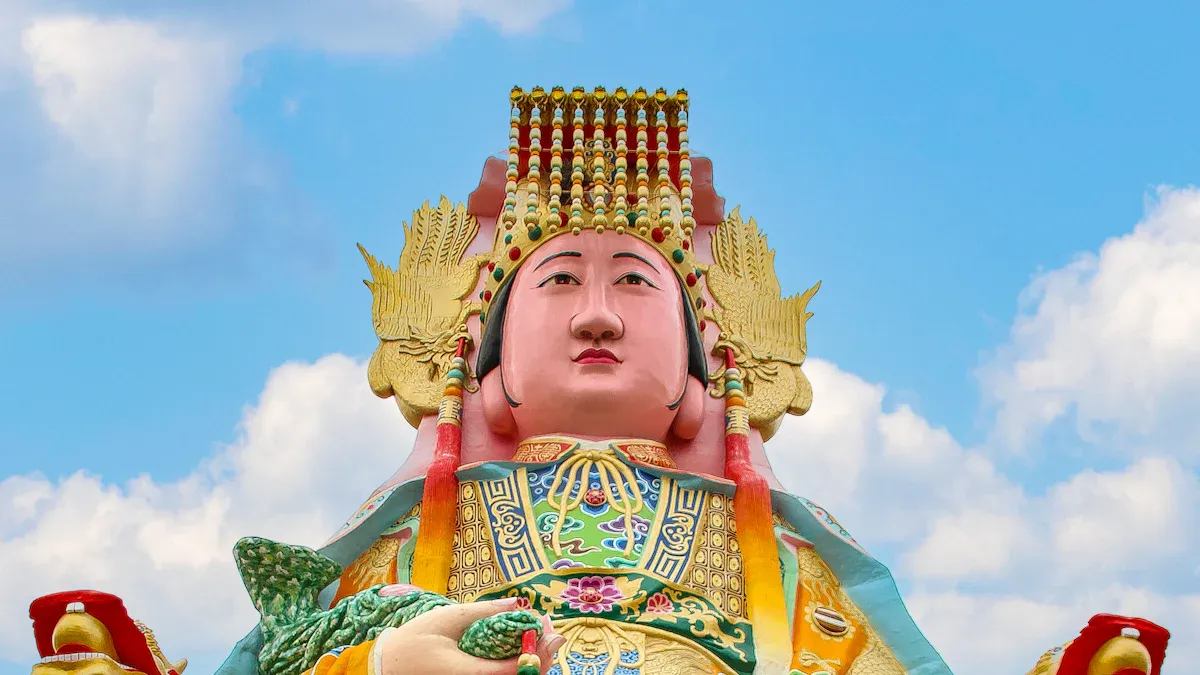
Polytheism Explained begins with Taoism having many gods. Many people ask why Taoism has so many gods. Long ago in China, people found meaning with different gods. These gods stand for nature, virtues, and cosmic forces. Each god has a special role in Taoist beliefs and daily life. Learning about polytheism helps people see Taoism’s deep spiritual side. It also shows why Taoism matters today. Taoism and Manifest gives help and wisdom to those who want to learn more.
Key Takeaways
Taoism has many gods. Each god stands for a part of nature, a virtue, or a cosmic force. The Tao links all the gods. This shows that everything in the universe is connected.
Taoist gods are set up like a government. The Jade Emperor is the leader and watches over different parts of life. Honoring ancestors matters a lot in Taoism. It helps families stay close and show respect.
Learning about Taoist gods can guide people. It can also help them find balance in their lives.
Polytheism Explained in Taoism
What Polytheism Means for Taoism
Polytheism in Taoism means believing in many gods. Taoist teachings say the universe has lots of deities. Each god does something special. The Taoist pantheon has gods for nature, virtues, and cosmic forces. Taoist scriptures show that having many gods is important. All gods are part of the Tao, which links everything together. The gods are organized like an old government. The Jade Emperor and the Three Pure Ones are the main leaders. Other gods take care of different parts of the world and people’s lives. This system helps people see how the universe works and where they belong.
Taoism and Manifest gives tools to help people learn about Taoist gods. Their lessons show what the gods do and how they help Taoist practice.
Taoist books also talk about inner gods in the body. These gods protect organs and help people grow spiritually. The table below gives some examples:
Inner God |
Associated Organ |
Description |
|---|---|---|
God of the Liver |
Liver |
Wears a green brocade wrapping gown. |
God of the Spleen |
Spleen |
Wears a yellow gown. |
Great One |
Upper Cinnabar |
Lives in the upper Cinnabar Field. |
Red Child |
Stomach |
Faces south on a jade and pearl couch, under yellow clouds. |
Peach Child |
Lower Cinnabar |
Called Peach Vigor, lives in the lower Cinnabar Field. |
Believing in many gods shows what old Chinese society valued. People think they are part of nature, not apart from it. The Tao says there is no one creator. Everything is part of something bigger. Taoist gods often look like people. This makes them feel close and helpful in daily life. Polytheism in Taoism shows how people find hope and help from many gods.
Historical Roots of Taoist Gods
Taoist gods have a history that is thousands of years old. Ancient Chinese folk religion believed in many gods and spirits. Shamans, called Wu, did rituals to talk to these spirits. Over time, these ideas mixed with Taoism. This created a world full of gods.
Religion in China started over 7,000 years ago.
The first myths about gods appeared around 1200 BCE.
People started writing these myths in the third century BCE.
Chinese stories have characters like Pangu and Nüwa. These stories helped people understand gods and the universe. The story of Pan Ku shows yin and yang. Pan Ku’s body turns into parts of nature after he dies. This story shows there are many gods and forces in creation.
The Yellow Emperor and other heroes also shaped Taoist beliefs.
Myths were told by word of mouth for many years before being written.
Old folk religion believed everything had spirits. People thought gods and spirits could change their lives. Shamans used rituals to talk to these gods. As Taoism grew, it took in many gods and ideas from folk religion. The Taoist gods became more organized, like the old empires. Each god got a special job, which helped explain the world.
Studies show that polytheism in Taoism lasts because Taoism changes with new ideas. Taoism mixes with folk religion, Confucianism, and Buddhism. This helps Taoism stay important today. The Tao Te Ching and Chuang Tzu teach people to accept many beliefs. Taoist sages welcome different ideas, which supports having many gods.
Taoism and Manifest gives guides and products to help people connect with Taoist gods. Their tools make it easier to learn about the history and meaning of Taoist gods.
(If you're curious about yin and yang, check out Understanding What Yin and Yang Is in Everyday Life.)
Why Taoism Has Many Gods
The Tao and Divine Hierarchy
Taoism says the Tao is where everything comes from. The Tao makes all things, including the many gods in the universe. In Taoist beliefs, the Tao is both the start and the link for all gods. This means every god, no matter how important, comes from the same place. The way gods are ranked in Taoism helps people see how the world works. The Jade Emperor is the leader at the top. Other gods take care of things like money, health, and learning. This setup shows how Taoism puts its many gods into a system that is like how nature and society are organized.
Role |
Description |
|---|---|
Supreme Deity |
The Jade Emperor, at the top of the hierarchy, oversees all celestial affairs. |
Lesser Gods |
Various celestial officials and departmental gods responsible for specific aspects of life (e.g., wealth, literature, war). |
Immortals (Xian) |
Individuals who have transcended mortal limitations through spiritual cultivation, possessing supernatural abilities. |
Having many gods shows that people believe the universe has lots of different powers and energies. Chinese gods and immortals each have their own job to keep things balanced and peaceful.
Spirits, Immortals, and Ancestors
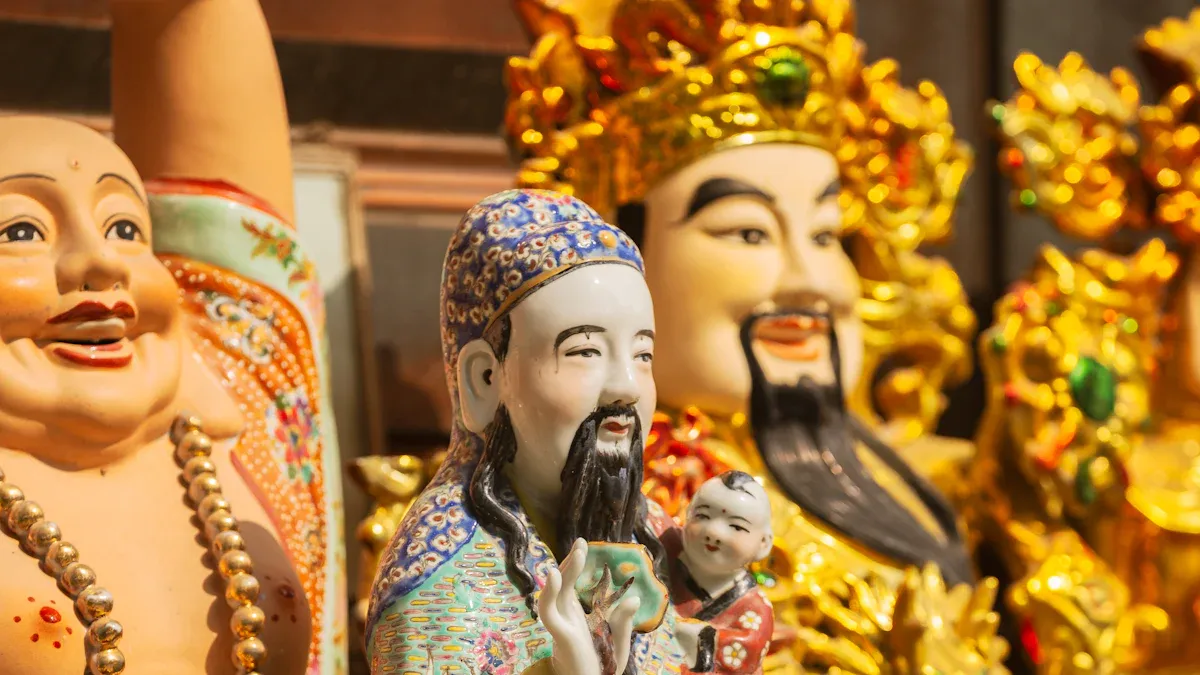
Taoism has more than just gods. It also includes spirits, immortals, and ancestor spirits. Many Chinese gods and immortals were once people. They became special by doing good things and practicing spiritual ways. These immortals, called xian, show that anyone can become great by following the Tao. The Eight Immortals are well-known examples. They help people in stories and sometimes play tricks, which makes the stories fun and important.
Honoring ancestors is a big part of Taoism. People show respect to their ancestors at home or in temples. They give food and gifts to keep family ties strong. Festivals like the Yi Ancestor Worship Festival are about these customs:
Families come together to honor ancestors with food and special items.
People meet at Earth God temples to remember and thank their ancestors.
Special foods, like a pig’s head and fruits, are given during these events.
Today, Taoist groups still do these things. They mix old ways with new ways of worship. People might pray at home or go to big festivals. This helps everyone feel close to the many gods, deities, and Chinese gods and immortals that are part of their lives.
Gods in Taoist Practice
Major Deities and Their Roles
Taoist practice has many gods. Each god has a special job in the universe. People pray to these gods for health, safety, wisdom, and luck. Some of the most important gods in Taoism are:
The Jade Emperor is the leader of all gods and keeps order in the sky.
The Three Pure Ones show the highest parts of the Tao and help people grow spiritually.
Bao Sheng Da Di helps people stay healthy and get better when sick.
Heavenly Marshal Lei controls thunder and cleans away bad spirits.
Heavenly Marshal Kang stands for being watchful and following rules.
Xuan Wu Da Di gives people safety and spiritual power.
The Queen Mother of the West gives people long life and blessings.
The God of Wealth brings money and good things.
The City God protects cities and keeps people safe.
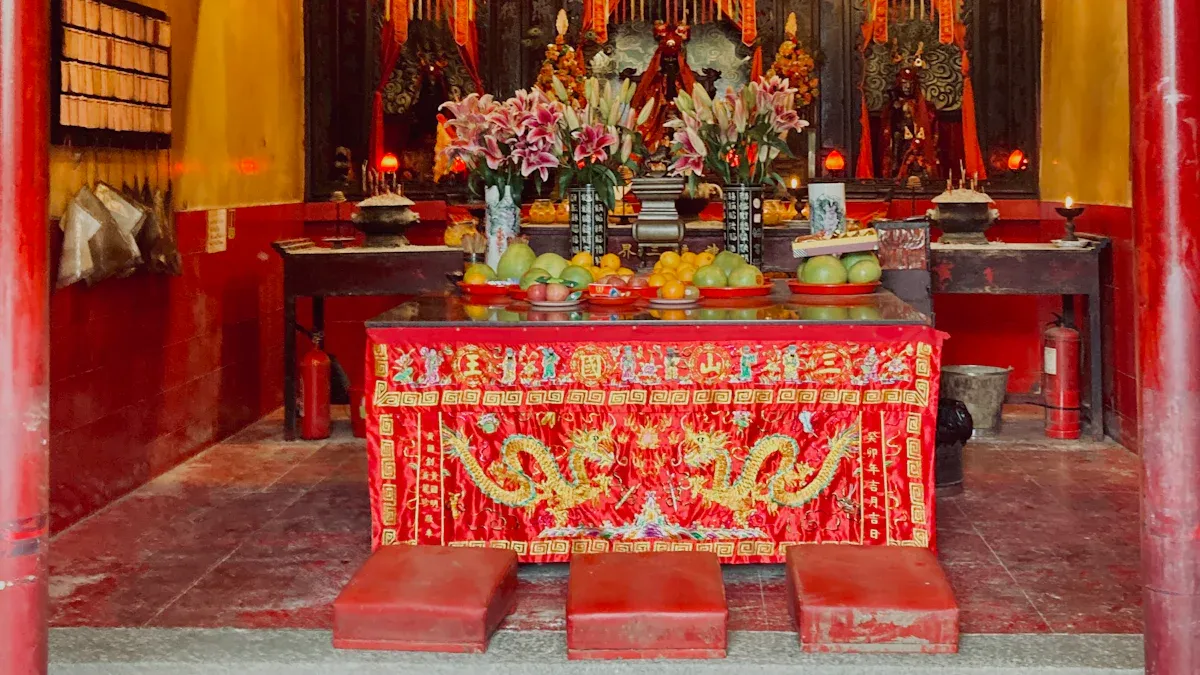
Taoist temples have pictures or statues of these gods. Each god’s image teaches something important. For example, the God of Health reminds people to take care of their bodies. There are hundreds of gods and immortals in Taoism. Each one has a different story and job.
Worship and Daily Life
People honor gods in many ways. In temples, people burn incense, chant, and give gifts. Priests lead special ceremonies for cleaning, healing, and remembering ancestors. At home, families have small shrines for gods and ancestors. They light incense and give food to show respect and ask for help.
Festivals and ceremonies bring people together. Villages have parties to honor their local gods. These events help people feel peaceful and happy. Rituals help people feel close to the Tao and the spirit world. Taoist practice also means meditating and thinking quietly about what the gods teach.
Taoism and Manifest helps people learn about these customs. The brand sells real amulets, bracelets, and books. Each item is blessed by temples and Taoist teachers. These things help people grow spiritually and learn from the gods every day.
Aspect |
Taoism |
Confucianism |
Buddhism |
|---|---|---|---|
Focus |
Spiritual parts of life and the universe |
Human values and social rules |
Organized religion and reaching enlightenment |
Guiding Principle |
The Tao (the Way) |
Ren (kindness) |
The Four Noble Truths |
Concept of Action |
Wu Wei (not forcing things) |
Helping society |
Doing right things to reach enlightenment |
View on Longevity |
Living forever through nature |
Leaving a good name |
Being reborn and reaching Nirvana |
People can learn more about what the gods do by using Taoism and Manifest’s guides. These books explain what each god means and how to honor them every day.
Taoism and Other Religions
Polytheism Compared
Many religions believe in many gods. Taoism is famous for having many gods. Hinduism, Shinto, and ancient Greek religion also have many gods. These religions honor gods and deities in their own ways. Each one has its own ideas about the universe and divine beings.
Taoism, Hinduism, Shinto, and ancient Greek religion all have many gods.
People in these religions do rituals and show respect to gods.
Polytheism helps people understand nature, life, and things they do not know.
Taoism is like other polytheistic religions in some ways. All of them have rituals and worship gods. But Taoism does not have strict rules. People in Taoism care about being good and living in harmony with the Tao. This is different from many Western religions. Western religions often have set beliefs and practices.
People often compare the gods in Taoism and Hinduism. Hinduism says gods are separate beings. Taoism teaches that all gods come from the Tao. The Tao connects everything together. Buddhism has gods too, but it says personal effort is more important than gods. Hinduism’s Brahman is like the Tao in Taoism.
Unique Features of Taoist Belief
Taoism has special ideas about gods. In Taoism, the Tao is the source of everything, even gods. The Tao is not a person or just one god. It is how the universe works. All gods in Taoism are part of something bigger.
Deification in Taoism is different. People can become gods or immortals by practicing special arts and living with the Tao. Taoism cares about living long and growing spiritually. This makes Taoism different from other religions. For example, Christianity honors saints for faith and good deeds. Taoism values becoming immortal through alchemy and self-cultivation.
Taoist beliefs affect how people live. Taoism teaches everyone to live in harmony with the universe. The Tao Te Ching and other books give advice on following the Tao. These teachings help people act with kindness, balance, and respect for nature. Rituals and offerings to gods help people feel close and remind them to live well.
In China, Taoism has shaped daily life for a long time. People honor gods, ancestors, and spirits to keep families and society peaceful. Taoism is flexible and mixes with other beliefs. It changes to fit new times.
Taoism teaches people to find balance and peace by following the Tao and respecting the many gods that guide the world.
(To know more about Taoist harmony with the universe, see How Taoist Festivals Reflect Universal Harmony.)
Taoism has lots of gods for many reasons. The way gods are organized is like the old Chinese government. People in different areas honor different gods. Some gods, like the Jade Emperor, are important everywhere. He shows up in stories and special books. Learning about these gods helps people know how Taoism works. Taoism and Manifest can help anyone learn more and find wisdom.
Gods are set up like the imperial government.
People worship different gods in different places and times.
Some gods belong only to certain groups or writings.
FAQ
What is the main idea behind Taoist gods?
Taoist gods represent different parts of nature, virtues, and cosmic forces. Each god helps people understand the world and their place in it. Taoism teaches that all these gods come from the Tao, which connects everything.
What do people do to honor Taoist gods?
People visit temples, light incense, and offer food or gifts. They also pray at home and join festivals. These actions show respect and help people feel close to the spiritual world.
What makes Taoist gods different from other religions' gods?
Taoist gods often come from legends or real people who became immortal. Taoism teaches that anyone can reach a higher state through good actions and spiritual practice. This idea gives hope and guidance.
What role do ancestors play in Taoism?
Ancestors hold a special place in Taoism. Families honor them with rituals and offerings. This practice keeps family ties strong and shows respect for those who came before.
What can someone gain from learning about Taoist gods?
Learning about Taoist gods can help people find balance and peace. It offers guidance for daily life and helps people connect with nature and their own spirit.