
The Peach Tree of Immortality: Taoist Myths and Meanings

Imagine a tree that is very special. Legends say it blooms only once every thousands of years. In old Chinese stories, the peach tree of immortality grows in a magical garden. Its fruit gives eternal life to anyone who eats it. Stories from the Han dynasty talk about people like Dongfang Shuo. He sneaks peaches from the Queen Mother of the West’s orchard. This tree interests many people. It makes them wonder about the real purpose of life. Why is the peach tree so important in Taoism? Who is the guardian called Xiwangmu? These stories make people think about living long and gaining spiritual wisdom.
Key Takeaways
The Peach Tree of Immortality stands for the search for living forever and learning deep wisdom in Taoism. Xiwangmu, the Queen Mother of the West, protects the tree and its special peaches. These peaches only grow every 3,000 years.
Peaches mean good luck, good health, and wishing for a long life. This makes them important in Chinese culture and at festivals. The Peach Banquet is a big event where immortals come together. They celebrate and share the gifts of the peaches.
Taoist teachings tell people to have balance, be patient, and grow spiritually. These ideas help people find peace and harmony in their lives.
Peach Tree of Immortality in Taoism
Mythical Origins and Symbolism
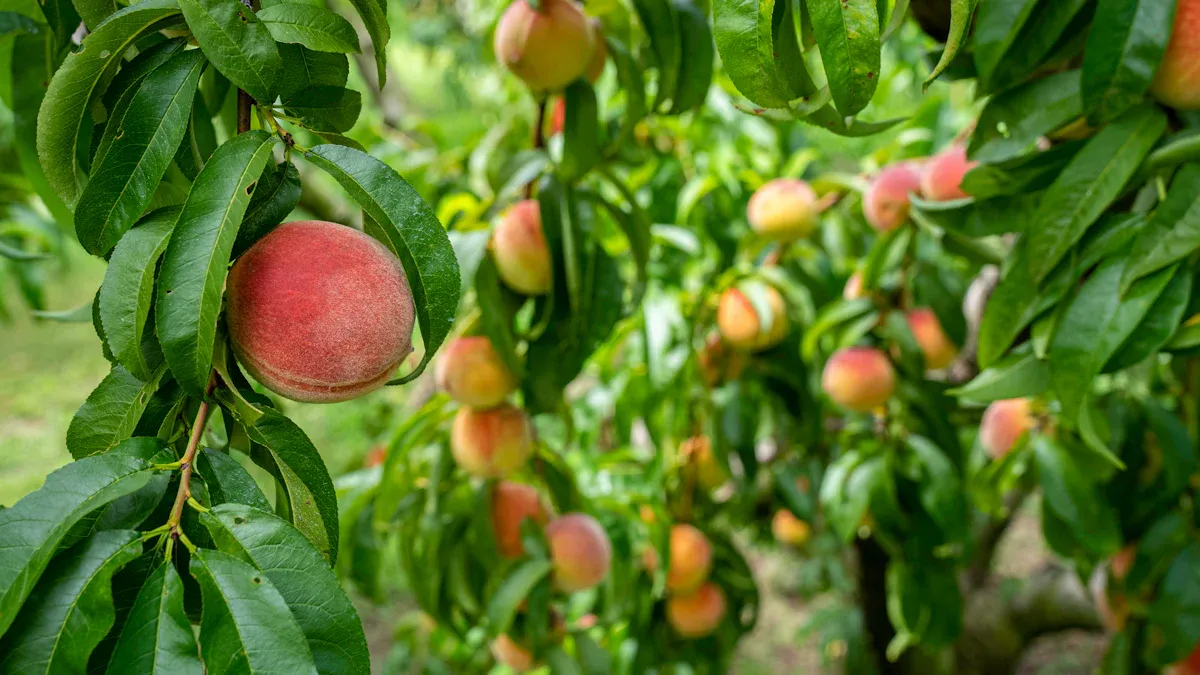
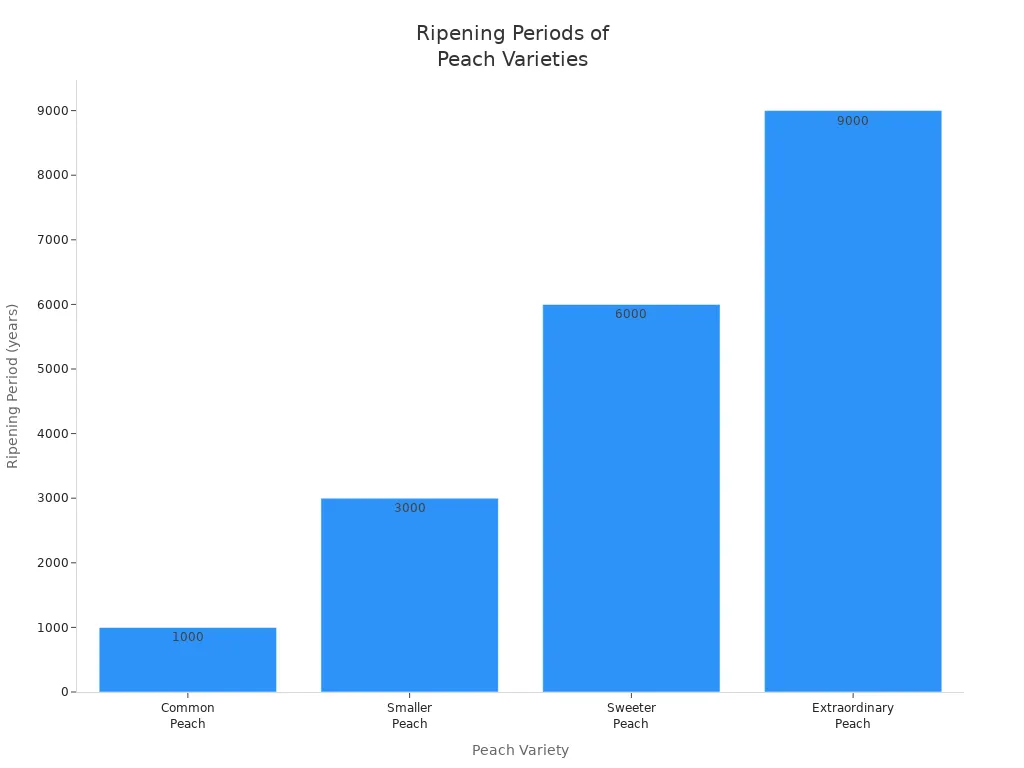
The peach tree of immortality is a very important symbol in Taoist stories. Old tales say this tree grows in the Queen Mother of the West’s magical garden. People call her Xiwangmu. The tree does not make fruit every year. Sometimes, it takes 3,000, 6,000, or even 9,000 years for peaches to grow. When the fruit finally comes, it brings new blessings and spiritual power. This long wait teaches people about patience and how waiting can lead to true wisdom.
Taoist stories tell us that the Queen Mother of the West asks the Seven Fairies to pick these special peaches. Each kind of peach gives a different gift. Some give wisdom, some give health, and some give eternal life. The peach tree of immortality is more than just a plant. It stands for the search for something greater and the hope to live beyond normal limits.
In Taoist beliefs, the peach tree of immortality means being close to the gods and the promise of living forever. The story of the heavenly peach, called Pantao, shows its place in the magical garden. The tree’s flowers mean new beginnings and the start of spring. The fruit stands for energy and the never-ending cycle of life.
This magical tree shows up in many old books and art. It is often a sign of peace between nature and the spirit world. Some places have the Peach Flower Festival to celebrate these ideas. People come together to see the pretty peach flowers and hope for good luck and many children in the next year.
Peaches and Eternal Life
Peaches are very special in Taoist lessons and Chinese stories. They are not just food. They stand for living a long time, being pure, and having good luck. The longevity tree grows the famous peaches that are said to give eternal life to those who eat them. Long ago, people used peaches in special events and gave them as gifts to wish for a long life. The God of Longevity is often shown holding a peach. This shows how much peaches are linked to living a long life.
-
Peaches stand for:
Living a long time and never dying
Having children and starting fresh
Being pure and honest
Good luck and magic
The heavenly peach also stands for the yin side in Chinese thinking. It means female power, truth, and the link between the heart and what we say. In Taoist ceremonies, eating longevity peaches is thought to help people feel close to the Tao and reach a higher state.
The Immortal Peach Banquet is a big event in Taoist stories. The Queen Mother of the West holds it every 3,000 years. Immortals come together to eat the ripe peaches. This party is about hoping for eternal life and bringing together everyone who wants to grow spiritually. The longevity tree and its peaches remind people to balance nature and spirit and to keep searching for wisdom.
Old records show that peaches, their pits, and even peach trees were used in special events for long life in ancient China. These customs are still around today. People still think peaches mean health, happiness, and wishing for a long life.
(To discover how to quiet the mind and manifest your true desires through Taoist wisdom, visit our blog for more insights.)
Xiwangmu and the Immortal Orchard
Queen Mother of the West
Xiwangmu is called the queen of the west. She is very important in Taoist stories. She lives on Mount Kunlun. This mountain is a special place that links heaven and earth. In her garden, she takes care of the peach tree of immortality. The tree blooms every 3,000 years. Its fruit can give someone eternal life. Xiwangmu makes special drinks for the gods. She watches over the orchard with care. Her job as guardian shows she is connected to life and renewal.
Aspect |
Description |
|---|---|
Guardian of Immortality |
Xiwangmu grows the peach tree that gives immortality. The peaches ripen every 3,000 years. |
Location |
She lives on Kunlun Mountain. She cares for the peaches and makes drinks for the gods. |
Symbolism |
The peach tree stands for life, having children, and the cycle of renewal. |
Old art and stories show Xiwangmu with a crown of peaches and a phoenix. She looks strong and graceful. Over time, people saw her as wise and kind. Many emperors and Taoist teachers visited her. They wanted wisdom and a long life.
(To explore more about the profound wisdom of Taoist deities and how their teachings apply to modern life, check out our comprehensive articles on Taoism and Manifestation.)
The Peach Banquet
The Peach Banquet is a big event in Taoist stories. Xiwangmu invites immortals, monks, and gods to her palace when the peaches are ready. The Eight Immortals, called BaXian, always come. Each one has a special trait and brings gifts. Their visit shows sharing blessings and growing spiritually.
The banquet has peaches with different powers. Some give wisdom and long life. Others give youth or let you fly. The rarest peach gives eternal life and a high rank. This party shows hope for immortality and the need for harmony.
Cultural Impact and Longevity
Peaches in Art and Tradition
The story of the Peach Tree of Immortality has changed Chinese art and tradition for many years. Artists like to paint peaches with Xiwangmu. They show her in her garden during big parties. People who make sculptures and ceramics use peaches as a sign of staying young and wishing for a long life.
The peach is linked to immortality in Daoist stories. It shows up a lot in art. In Chinese Daoist tales, the peach means living forever because of Xiwangmu. She lives on Mount Kunlun in western China. She is usually shown in her peach garden. She gives out peaches at her huge birthday parties every 3,000 years. These peaches are said to give her guests eternal youth and immortality.
By the Ming dynasty, ideas about living long lives were seen in paintings, carvings, and things people traded. The story spread to other places too. It inspired works like Dream Journey to the Peach Blossom Land in Korea.
Peaches are important in Chinese festivals and parties. People use them to wish for:
Living a long and healthy life
Good luck and wealth
Getting married and having children
Staying safe from bad things
Springtime and new beginnings
During the Peach Festival for the Queen Mother of the West, people celebrate the dream of living forever. This festival shows how much peaches matter in Chinese culture.
(For those interested in practical ways to align your inner energy for a healthier life, learn more about our Taoist-inspired manifestation techniques.)
Taoist Wisdom in Modern Life
People who follow Taoism today still respect the peach tree’s meaning. They use peach wood to make lucky charms and swords for special events. Many families hang peach wood charms on their doors to keep away bad luck. These habits show that people still want to live long and stay safe.
The peach tree means more than just living a long time. It tells people to look for balance, good health, and growing in spirit. The story teaches everyone to care about peace and wisdom every day.
Taoism and Manifest: Sharing Spiritual Harmony
Taoism and Manifest helps people find peace using Taoist ideas. The brand gives tools for people who want to grow and live calmly. People can get:
Resource Type |
Description |
|---|---|
Blessed Products |
Taoist amulets, bracelets, and other things blessed by Master Lu for safety and calm. |
Educational Content |
Learning tools and meditation music that teach Taoist wisdom for daily life. |
Classes |
Tai Chi and meditation classes to help with intuition and acceptance in daily life. |
Taoism and Manifest brings old lessons to people today. The brand’s items and teachings help those who want to live long, find balance, and learn more about Taoist ways.
Philosophical Meanings of Immortality
Taoist Reflections on Eternal Life
Taoist philosophy asks what it means to live forever. Old books say immortality is more than living a long time. Some Taoists care about the body. Others care about the spirit. Over time, immortality changed from living forever to growing inside.
Aspect |
Description |
|---|---|
Physical Techniques |
People try to live longer with special experiments. |
Spiritual Cultivation |
Focus is on growing the spirit and following the Tao. |
Historical Evolution |
The idea of immortality changed from body to spirit. |
Key Texts |
Zhuangzi talks about the 'true man.' Daodejing says the Tao brings eternal life. |
Books like Daodejing and Zhuangzi say the Tao lasts forever. People can feel immortality by following the Tao and living with nature. Taoism does not say what happens after death. It says people return to nature. This is not like other religions. They say eternal life is a reward. Taoism sees the Tao as endless, not a god. Human life is short. The Tao never ends.
Aspect |
Physical Immortality |
Spiritual Immortality |
|---|---|---|
Definition |
The body changes and lives forever. |
The spirit stays alive after death. |
Focus |
Making body and spirit better. |
Making the spirit strong for after death. |
Path |
Cares about both body and spirit. |
Cares about the spirit’s journey after death. |
Personal Growth and Harmony
Taoist teachings help people grow and find balance. They show ways to live well and feel calm. Taoist practices include:
Living with nature.
Focusing on being real, healthy, and living long.
Building the Three Treasures: Jing, Qi, and Shen.
Being kind, fair, and humble.
Spending time outside.
Doing Tai Chi and Qigong for health.
Practicing mindfulness every day.
Creating art and music.
Taoist wisdom tells people to live simply and go with the flow. People who follow these ideas feel calm and close to the world. Studies show meditation, Tai Chi, and Qigong help people live longer and feel better. These gentle moves help the body and spirit. Many older people use these ways to stay healthy.
In Taoism, living long is not just about years. It is about finding balance, growing, and feeling at peace with life.
The Peach Tree of Immortality still inspires people today. It is famous in China and other places. Many stories and art show its link to Xiwangmu. People hope for eternal life because of these tales. The Peach Banquet is in books like Journey to the West.
The tree is connected to Xiwangmu, the Queen Mother of the West.
Peaches mean immortality and are seen in art and festivals.
The Monkey King guards the peaches in well-known stories.
Aspect |
Traditional Taoist Views |
Modern Interpretations |
|---|---|---|
Focus |
Spiritual practices |
Health and well-being |
Concept of Immortality |
Spiritual transcendence |
Long life and balance |
Practices |
Rituals and meditation |
Tai Chi, Qigong, and healthy living |
People can think about what immortality means for them. Taoism and Manifest gives tools for those who want to learn Taoist wisdom and find peace.
(If you are ready to deepen your spiritual journey, explore our tools and resources for Taoist manifestation here.)
Pieces That Carry This Intention
A few pieces from the shop that sit close to what this article is about.


FAQ
What is the Peach Tree of Immortality?
The Peach Tree of Immortality is a legendary tree in Taoist mythology. It grows in Xiwangmu’s garden. Its peaches give eternal life to those who eat them.
What does the peach symbolize in Taoism?
The peach stands for long life, good health, and spiritual growth. Artists and writers use the peach to show wishes for happiness and luck.
What is the Peach Banquet?
The Peach Banquet is a grand event in Taoist stories. Xiwangmu invites immortals to eat the magical peaches. This banquet celebrates harmony and the hope for eternal life.
What role does Xiwangmu play in the myth?
Xiwangmu, the Queen Mother of the West, cares for the peach tree. She protects the orchard and shares the peaches with gods and immortals.
What lessons can people learn from the peach tree myth?
People learn to value patience, balance, and spiritual growth. The story encourages everyone to seek harmony and wisdom in daily life.
See Also
Difference Between the Real Existence of Taoist Practices and Folk Beliefs
How Taoist minimalism leads to a balanced life
How to Practice Taoist Mindfulness
Starting Your Journey with Taoism