
Overthinking is a Trap: 3 Ways to Reach the Essence of Life

Overthinking is a trap that takes people away from what matters in life. People lose clear thinking and do less work when they overthink. Happiness goes away as bad thoughts fill the mind. Studies show that overthinking can make it hard to decide, tire your brain, and make life feel less good. The wisdom of Taoism, shared by Taoism and Manifest, helps people who feel stuck. The brand gives tools to help people find spiritual clarity and balance in life. Below is a table that shows how overthinking affects life:
(To discover how specific spiritual tools can support this journey, you can learn more about the benefits of Rudraksha and Citrine for mental clarity.)
Evidence Type |
Description |
|---|---|
Decision Fatigue |
Overthinking makes people choose badly and do less each day. |
Cognitive Overload |
Too much thinking lowers creativity and joy in life. |
Life Satisfaction |
People who overthink feel less happy and have more regrets in life. |
People can think about their own lives and get ready to escape the trap. Overthinking is a trap, but with help, anyone can find what really matters in life.
Key Takeaways
Overthinking can keep you stuck in bad thoughts. It makes it hard to enjoy life. Notice when you are stuck so you can get out.
Practice being mindful to stay in the moment. This helps you feel less stress. It also makes your mind healthier.
Choose to keep things simple by cleaning your space. Make fewer choices. A simple life can make you happier and help you think clearly.
Be thankful every day. Write down things you are grateful for. This can make you feel better and less worried.
Taoist wisdom says letting go of control brings peace. Trust life’s flow to find joy in each moment.
Overthinking is a Trap in Life
The Cycle of Negative Thoughts
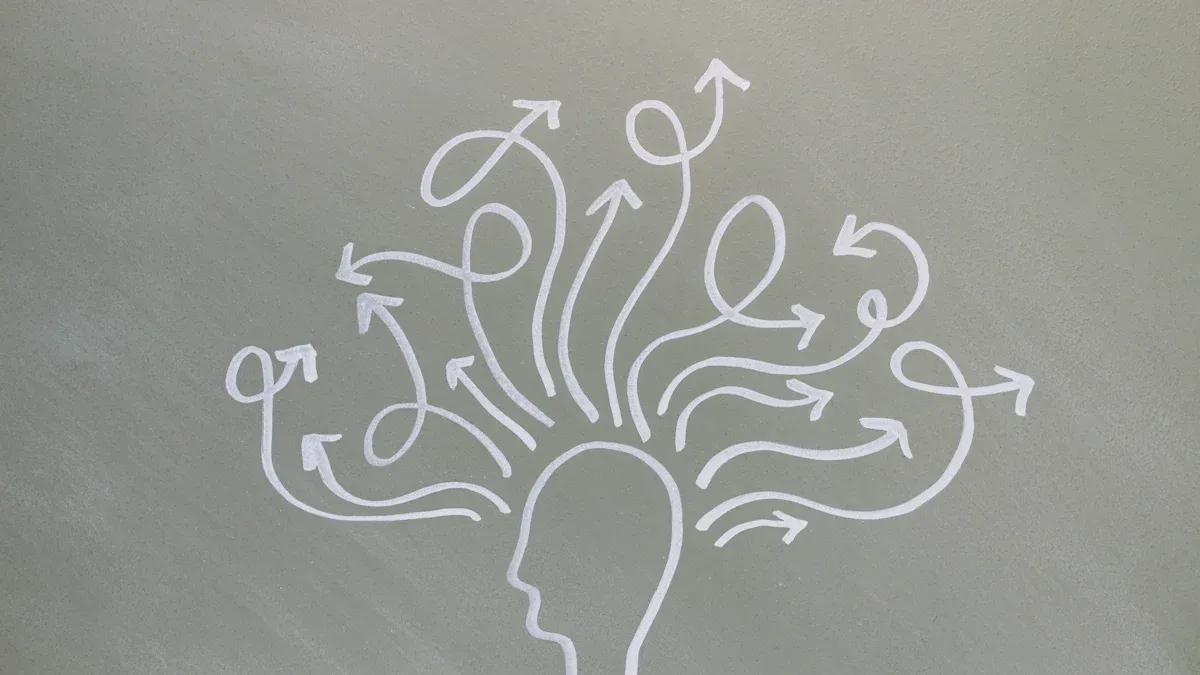
People can get caught in a loop of bad thoughts. This loop makes life feel heavy and less fun. Overthinking happens when someone thinks too much about every choice. This can make people tired and unable to decide. When stuck, people might see things as all good or all bad. They may think one mistake means more will come. Small problems can seem huge. Sometimes, people think everything is their fault. These habits keep people stuck and stop them from enjoying life.
Cognitive Distortion |
Description |
|---|---|
Overthinking |
Analyzing every decision from multiple angles, leading to exhaustion. |
Negative Rumination |
Projecting flaws onto the future, believing life will worsen. |
All or Nothing Thinking |
Viewing life in black and white, ignoring the middle ground. |
Generalization |
Thinking one setback means future failures. |
Magnification |
Exaggerating problems, creating a sense of catastrophe. |
Personalization |
Making unrelated issues about oneself. |
Anxiety can grow in this loop. Feeling sad or worried can make bad thoughts stronger. These thoughts can make deep marks in the mind. This makes it hard to break free. If these thoughts are not stopped, mental health can get worse. People may feel stressed all the time and have fights with others. People who are stuck in this loop may find it hard to enjoy life. They may feel trapped by their own minds.
How Overthinking Blocks Joy
Overthinking stops people from feeling happy. It keeps people stuck in the same thoughts. If someone overthinks a lot, it is hard to change. People might think things are worse than they are. They may see normal things as failures. This makes people worry more and enjoy life less. Rumination, which is part of overthinking, can make sadness last longer. It also keeps bad habits going.
Overthinking causes a loop of stress. It makes bad feelings stronger and joy harder to find.
If someone overthinks a lot, they may feel more anxious or sad. This makes it hard to enjoy life.
Rumination keeps people in a bad mood. It makes it hard to enjoy even small things.
The strange thing about overthinking is that people want to use it to help themselves. But it often makes them stuck and unhappy. When people are stuck, they forget what is important. They miss out on what matters most in life. Overthinking can hurt mental health and stop people from enjoying the moment.
(If you're looking to transform these mental patterns into positive outcomes, check out our insights on Quantum entanglement and its potential explanation of causality and karma.)
What is Overthinking?
Overthinking is when someone thinks about problems for a long time. This habit can make a person feel trapped in their own mind. People who overthink often have trouble moving forward. They get stuck with thoughts that repeat and do not lead to action. Anyone can overthink, but some people get stuck more than others.
Signs You’re Stuck
There are many signs that show when someone is stuck in overthinking. These signs can show up in daily life and make it hard to enjoy things. People who feel stuck may notice these actions:
It is hard to focus on tasks.
You keep thinking about the worst things that could happen.
You focus on bad thoughts.
You have thoughts that will not leave you alone.
You miss deadlines because you cannot decide.
You need others to tell you what to do.
You doubt yourself a lot.
You have trouble making choices.
Mental health experts use certain rules to see if someone is stuck in overthinking. The table below shows how these signs match what experts look for:
Criteria for GAD |
Description |
|---|---|
Excessive worrying |
Worrying about many things for at least six months. |
Difficulty controlling anxiety |
Anxiety that makes daily life hard. |
Physical symptoms |
Feeling restless, trouble focusing, and sleep problems. |
Overthinking traits |
Worrying about many topics, thinking of the worst, trouble making choices, hard to focus, feeling nervous, asking others for help. |
People of all ages can feel stuck, but surveys show things change over time:
Age Group |
Cognitive Disability Rate (2013) |
Cognitive Disability Rate (2023) |
|---|---|---|
Under 40 |
5.1% |
9.7% |
70 and older |
7.3% |
6.6% |
Why We Overthink
There are many reasons why people get stuck in overthinking. Some people feel stuck because of bad things that happened before. Others get stuck because they want everything to be perfect or want to control things. Stressful jobs and pressure from others can make someone feel stuck in their thoughts. People who have trouble with feelings may think that thinking more will fix things.
Perfectionists often feel let down and talk badly to themselves. This can cause stress and worry, making them feel stuck in a loop of worry.
Other things that can make someone feel stuck are:
Bad things that happened in the past
Wanting everything to be perfect or in control
Hard jobs and pressure from others
Trouble handling emotions
Stressful events and family problems
When someone is stuck in overthinking, they may think that thinking more will help. But being stuck only makes problems seem bigger and harder to fix. Overthinking stops people from moving forward and enjoying life.
Taoism and Manifest: Let It Be

Wu Wei and Let Things Be
Wu Wei stands as a core idea in Taoism. It means non-action, but not laziness. Wu Wei teaches people to act with ease and flow in life. When someone feels stuck, Wu Wei shows a way to let things be. Trying too hard can make life harder. For example, people who try to force sleep often stay awake longer. Wu Wei suggests that letting go of control helps life move forward. This mindset helps people stop overthinking and find peace.
Taoism and Manifest shares this wisdom with those who feel stuck. The brand teaches that letting things be can bring clarity. Taoist philosophy says that people should accept life as it comes. This reduces stress and mental clutter. When people let things be, they create space for joy and creativity. Taoism and Manifest offers tools and guidance to help people practice Wu Wei in daily life.
People can see Wu Wei in action in many ways. Emergency room doctors make quick choices by trusting their instincts. Chess grandmasters use intuition, not just logic. In daily life, focusing on the present task helps people avoid getting stuck in worry. Wu Wei helps people act in harmony with life, not against it.
Surrender to Being Stuck
Surrender means letting go of the need to control every part of life. Taoism teaches that surrender brings calm and balance. When people surrender to being stuck, they accept their current place in life. This does not mean giving up. It means trusting that life will change in its own time.
Taoism and Manifest encourages people to surrender when they feel stuck. The brand believes that surrender helps people find peace. By letting it be, people can stop fighting against life. Surrender allows life to flow naturally. This brings contentment and reduces stress. Taoist wisdom shows that surrender is not weakness. It is a way to live with less struggle and more joy.
Tip: When feeling stuck, take a deep breath and remind yourself to let things be. Surrender to the moment and trust the flow of life.
3 Ways to Reach the Essence of Life
Mindful Presence
Mindful presence helps people focus on right now. Taoist wisdom says being aware is part of life. When someone feels stuck, mindful presence helps them relax. It lets people let go of worries. People who practice mindfulness notice their thoughts. They do not judge themselves for these thoughts. This helps them be kind to themselves. Being stuck can become a chance to learn.
(For a deeper dive into staying centered, read more about our specific techniques for emotional regulation through meditation.)
Many studies show mindful presence helps with overthinking. Chambers and others found that meditating for ten days helped people feel better. They felt less negative and more mindful. Other research shows mindfulness lowers rumination and sadness. People who focus on the moment feel less stress. They also handle their feelings better.
Evidence Type |
Description |
|---|---|
Stress Reduction |
People said mindfulness made their stress much lower. |
Emotional Regulation |
Mindfulness helped people handle their feelings better. |
Resilience |
People became stronger and could handle stress better. |
Taoism and Manifest suggests mindful breathing and meditation. These help people relax and find balance. People can start by noticing their breath or sounds. Every moment is a chance to feel calm. Mindful presence shows that being stuck does not last forever. It is part of growing.
Embrace Simplicity
Simplicity is very important in Taoist teachings. When life feels too busy, simplicity brings peace. People who feel stuck often have too many choices. Taoism teaches that less clutter helps people relax. Focusing on what matters makes life better. Cleaning up your space makes you feel calm and in control. People who like minimalism feel less stress and think more clearly.
Cleaning your space can make you feel calm.
Having fewer choices helps you focus on what matters.
Minimalism can help your mind feel less busy.
A clean space can lower stress and help you relax.
Making life simple helps you focus on your goals.
People feel more balanced after making things simple.
Many people find more joy in experiences than in things.
Taoist lifestyle changes include mindful breathing and time in nature. People can clean one area each week or use less technology. Making peaceful spaces at home helps people relax. These steps make life easier and help people focus. Simplicity helps people be kind to themselves and their journey.
Method |
Description |
|---|---|
Flexibility |
Taoism teaches people to adapt to changes. This helps people not get stuck in overthinking. |
Beginner's Mind |
Shoshin means looking at life with curiosity. This helps people explore instead of worry. |
Cultivate Gratitude
Gratitude changes how people see life. When someone feels stuck, gratitude helps them see good things. Research shows gratitude helps mental health and stops overthinking. People who keep gratitude journals feel happier. They have less anxiety and sadness. Saying thank you to others builds kindness and strong bonds.
Gratitude makes people feel more thankful.
People feel better when they practice gratitude.
Anxiety and sadness go down with gratitude.
People feel happier and worry less.
There are fewer sad and anxious feelings.
Gratitude journaling helps people feel better overall.
People notice their mood gets better.
Anxiety and sadness get smaller.
Method |
Description |
Benefits |
|---|---|---|
Gratitude Journaling |
Write three things you are thankful for each day. |
Helps you see good things, feel happier, and stress less. |
Mindfulness Practices |
Add gratitude to meditation or breathing. |
Makes you feel thankful, keeps you in the present, and lowers anxiety. |
Family Gratitude Practices |
Say thank you to family members. |
Makes you stronger and brings families closer. |
People can think about what they are thankful for during meditation. Using words like "I am grateful for my health" makes gratitude stronger. Breathing deeply while being thankful helps you worry less. Taoism and Manifest says gratitude helps people relax and find joy. Gratitude does not remove problems, but it helps people balance them. This practice helps people be kind to themselves and grow.
Tip: Each morning, write down three things you are thankful for. See how this small step makes you feel better and helps you relax.
These three ways—mindful presence, simplicity, and gratitude—help people find what matters in life. Taoist wisdom says being stuck is normal. People who are kind to themselves find peace in each moment. Taoism and Manifest gives help so everyone can relax, enjoy being stuck, and live happier.
(To complement your gratitude practice, discover how healing gemstones can help soothe an anxious mind and enhance your daily rituals.)
Overthinking keeps many people stuck, making it hard to enjoy life. Taoism and Manifest shows what can help when someone feels stuck. People who learn from Daoist masters often find new ways to move forward. They use qi therapy and mentorship to break free from being stuck. Simple steps, like walking in nature and repeating “All is Tao,” help quiet the mind when stuck. Embracing the flow of life and practicing Wu Wei lets people stop feeling stuck and find peace. The 28-Day Online Mind-Body Relaxation Training Camp teaches what to do when stuck, using meditation and gentle movement. Readers can use resources such as Tao Te Ching or The Tao of Pooh to learn what brings balance. Choosing humility and simplicity helps people stop being stuck and enjoy life.
Call to Action Example |
Purpose |
|---|---|
Boost Your Skills Today |
Encourages personal growth and improvement. |
Transform Your Health This Week |
Motivates readers to engage with wellness practices. |
Discover the 3 Tips Everyone Should Know |
Inspires curiosity and action for a better life. |
People who feel stuck can start with small steps. They can meditate, walk, or write down what they are grateful for. Taoist wisdom helps people stop being stuck and live with more joy.
Pieces That Carry This Intention
Beads meant to be handled while you practice, not just worn.


FAQ
What is Wu Wei in Taoism?
Wu Wei means to act without forcing things. People let life move on its own. They do not try to control every outcome. This makes stress and overthinking less.
What can someone do when feeling stuck in negative thoughts?
They can stop and breathe deeply. Mindful presence helps them see their thoughts. Taoism and Manifest says to try meditation and gratitude journaling. These help clear the mind.
What products does Taoism and Manifest offer for spiritual growth?
The brand has Taoist amulets, bracelets, and meditation music. Master Lu blesses each item. These things help people feel calm, healthy, and safe.
What is the benefit of embracing simplicity?
Simplicity lets people see what is important. They feel less stress and more happiness. Taoist teachings say a simple life brings balance and clear thinking.
What is the first step to practicing gratitude?
People can write down three things they are thankful for each day. This easy habit helps them notice good things and feel better.
See Also
Quantum entanglement and its potential explanation of causality and karma
Using mindfulness meditation for emotional balance
Minimalist Living Through the Lens of Taoism
Stop Overthinking: A Taoist Guide to Living in the Present