
How to Deepen Your Meditation with Taoist Prayer Beads
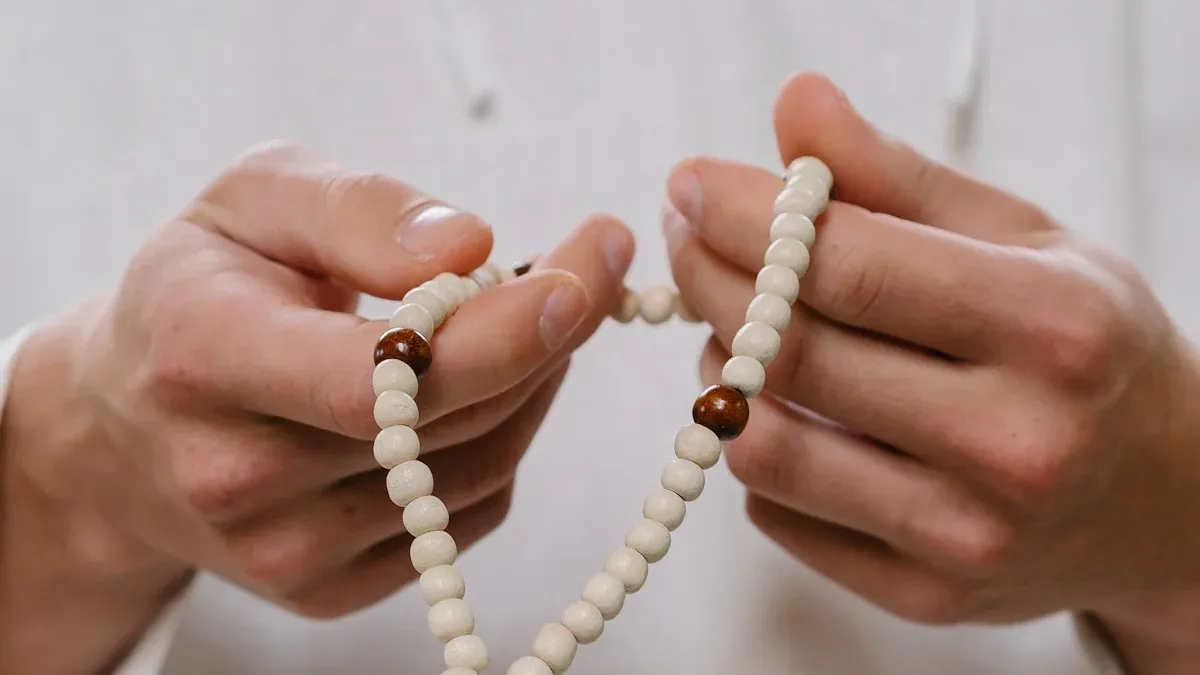
You may see your mind drift during meditation or prayer. Taoist prayer beads keep your hands busy, so you stay calm and focused. Each bead feels smooth and cool. They remind you to breathe slow and pay attention. The beads stand for devotion and help you on your spiritual path. When you move through them, you grow mindful and bring peace into your spiritual practice.
Curious about where these practices began? Explore What is the History Behind Prayer Beads for a clear timeline of how different traditions shaped bead use in meditation and prayer.
Key Takeaways
Taoist prayer beads help you pay attention when you meditate. You can use them to count your breaths or mantras. This helps your mind stay quiet and relaxed.
The 108 beads stand for cosmic harmony in Taoism. Each bead helps you remember to stay in the moment. They help you connect with your spiritual path.
Make your own ritual with your prayer beads. Begin with a prayer or mantra. Say thank you at the end to make your practice stronger.
Treat your beads with care and keep them safe. Taking care of them keeps them nice and shows respect for your meditation.
Using Taoist prayer beads often can lower stress and help you focus. Try to meditate every day for peace and mindfulness that lasts.
What Are Taoist Prayer Beads?
Physical Features
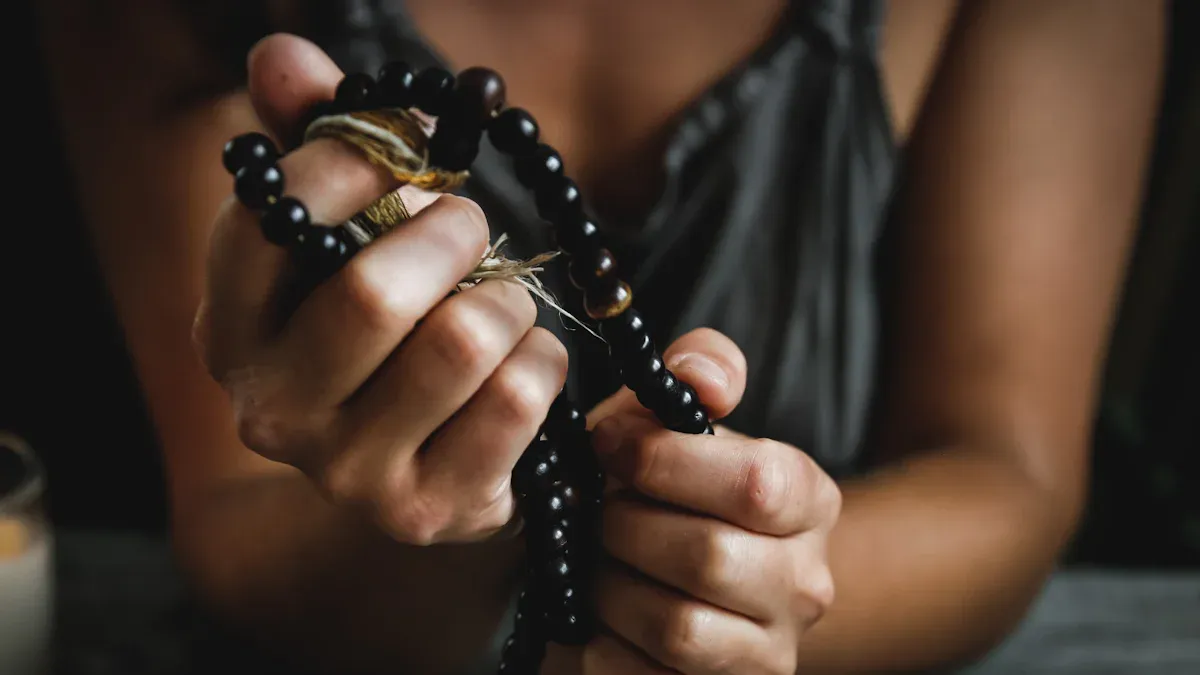
You might notice that taoist prayer beads look a lot like buddhist prayer beads. Both have a string of 108 beads. Each bead feels smooth and round. You can hold them in your hand and move from one bead to the next. Most taoist prayer beads use wood, seeds, or stones. Some beads shine with a natural polish. Others look simple and earthy. You may see a larger bead at the end. This bead stands for the buddha and marks the start and finish of your meditation. The string holds all 108 beads together. You can wrap the beads around your wrist or let them hang from your neck. The 108 beads help you count mantras, breaths, or prayers. You touch each bead as you focus on the buddha.
Tip: If you want to learn more about the differences between buddhist mala and taoist prayer beads, check out our article “Buddhist Mala vs. Taoist Prayer Beads: Key Differences and Uses”.
Symbolic Meaning
The 108 beads have deep meaning. In Taoism, the number 108 stands for cosmic harmony. You use the beads to connect with the buddha and find balance. Each bead reminds you to stay present. The beads help you focus on your breath and your prayers. When you touch the beads, you honor the buddha and your spiritual journey. The larger bead, called the guru bead, stands for the buddha’s wisdom. You start and end your meditation at this bead. The circle of 108 beads shows the cycle of life and the path to enlightenment. You use the beads to count your prayers and keep your mind on the buddha. The beads help you build a habit of mindfulness. You can use a buddhist mala or taoist prayer beads to deepen your practice. The 108 beads guide you through your meditation and help you connect with the buddha.
For a cultural lens on how prayer beads foster belonging, resilience, and shared meaning worldwide, see The Global Cultural Significance of Prayer Beads.
Using Taoist Prayer Beads in Meditation
Step-by-Step Guide
You might wonder how to start your jaap practice with taoist prayer beads. Here’s a simple guide to help you get the most out of your meditation:
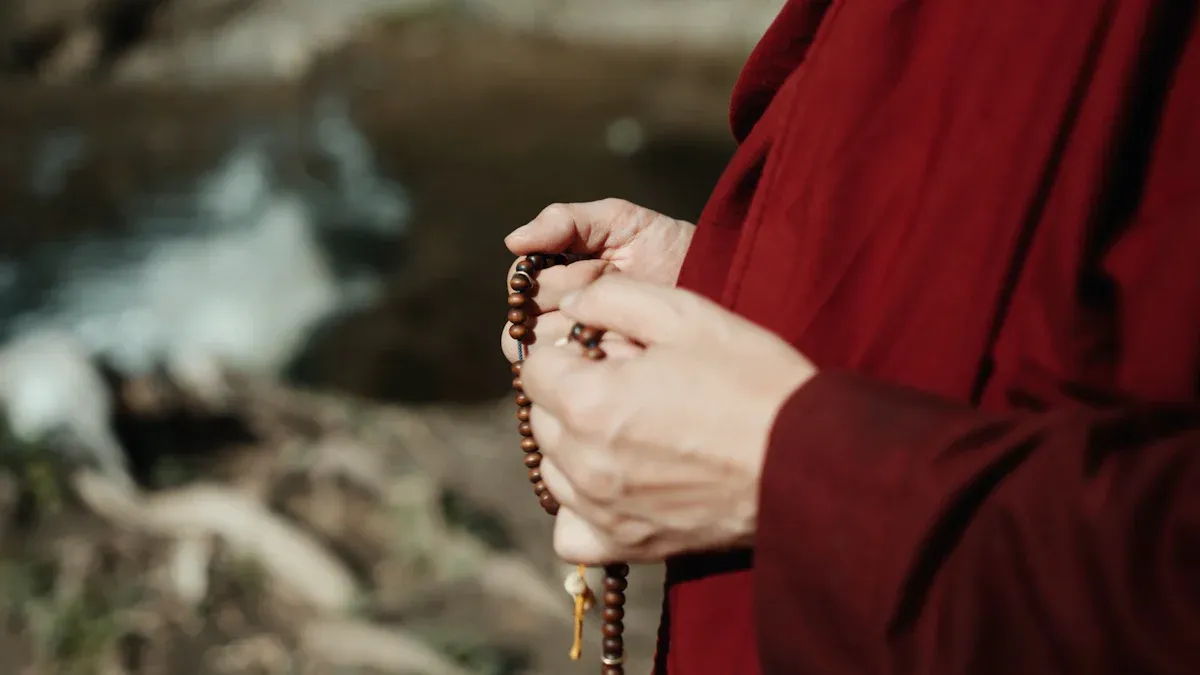
Hold your jaap mala in your non-writing hand. Let it drape across your fingers so you can move it easily.
Place the first bead, the one next to the tassel, between your thumb and middle finger.
Take a deep breath in and out. This counts as one jaap.
Move your fingers to the next bead. Breathe in and out again, focusing on your jaap.
Continue this process, moving from bead to bead, until you complete a full circle of 108 jaap.
When you reach the tassel again, you have finished one round. If you want to keep going, just reverse direction and start another round of jaap.
Tip: After you finish your jaap mala, take a moment to reflect and express gratitude. This helps you build a deeper connection with your practice.
If you want to learn more about the differences between jaap mala and other types of prayer beads, check out our article “Buddhist Mala vs. Taoist Prayer Beads: Key Differences and Uses.” This can help you choose the best meditation tools for your journey.
Many people find that using jaap mala during meditation helps them slow down and focus. Studies show that prayer beads can make your meditation last longer and feel more peaceful. People who use them every day often notice less stress and more calm in their lives. Some even say their anxiety and panic attacks improve with regular jaap.
Hand Placement
Your hand position can change the way you feel during jaap. Try these common mudras to see which one feels best for you:
Yin-Yang Mudra: This mudra helps you find balance and harmony. It can help you let go of troubling emotions during your jaap mala practice.
Dhyana Mudra: Place your hands in your lap, one on top of the other, with your thumbs touching. This mudra brings wisdom and insight to your meditation.
Anjali Mudra: Bring your palms together at your heart. This mudra connects you with the divine and deepens your sense of connection during jaap.
You can switch mudras as you move through your jaap mala. Notice how each one changes your focus and connection. Some people feel more grounded with the Yin-Yang Mudra, while others prefer the calm of the Dhyana Mudra.
Mantra and Breath Counting
When you use your jaap mala, you can count either your breaths or your mantra repetitions. Both methods help you stay present and build a strong connection to your meditation.
Practice Method |
How It Helps You Focus |
|---|---|
Counting Mantras |
Helps you concentrate and become more aware of each jaap. |
Counting Breaths |
Slows your mind and brings calmness to your meditation. |
Grounds you and redirects your thoughts, making your connection stronger. |
You can create your own mantra for jaap. Pick words that mean something special to you. Repeat your mantra with each bead. This keeps your mind from wandering and helps you build a deeper connection with your practice. Daily jaap with your mala can help you overcome distractions and focus on what matters most.
Many people find that using a jaap mala for mantra or breath counting makes their meditation more meaningful. It helps you stay on track and brings a sense of peace. Over time, you may notice that your connection to yourself and the world around you grows stronger.
Prayer Techniques with Taoist Beads
Counting Prayers
You can use your japa mala to count prayers during meditation. Start by holding your beads in one hand. Move your fingers from bead to bead as you say each prayer or mantra. This helps you keep track and stay focused. Many people find that counting prayers with japa mala makes their practice feel more peaceful. You notice each bead and each prayer. Your mind stays calm and present.
Tip: If you want to learn more about the differences between Buddhist mala and Taoist prayer beads, check out our article “Buddhist Mala vs. Taoist Prayer Beads: Key Differences and Uses.” This guide can help you choose the right beads for your prayer routine.
Setting Intentions
Setting intentions with taoist prayer beads can change your meditation. When you use your japa mala, you repeat a positive affirmation or mantra with each bead. Each bead marks a step in your journey. This practice helps you focus and makes your intentions stronger. As you move through the beads, you build your intention into your mind. You start to feel more peaceful and clear. Your goals become part of your meditation. You can use this technique to align your thoughts with what you want to achieve.
Creating Rituals
You can create your own rituals with japa mala. Try starting your day with a short prayer or mantra. Use your beads to count each repetition. Some people light a candle or incense before they begin. Others sit in a quiet spot and take a few deep breaths. You might want to end your ritual with a moment of gratitude. These small steps make your practice special. They help you build a habit and connect with your spiritual side.
Ritual Step |
What You Do |
How It Helps You |
|---|---|---|
Light a candle |
Set the mood for meditation |
Brings calm and focus |
Hold japa mala |
Start counting prayers or mantras |
Keeps you present |
Express gratitude |
Reflect at the end |
Deepens your connection |
You can mix and match these steps to fit your style. Your ritual can be simple or detailed. The important thing is that you feel connected and at peace.
Deepening Your Practice
Maximizing Benefits
You want to get the most out of your meditation. Using taoist prayer beads can help you reach a deeper meditative state. When you practice daily, you may notice more tranquility in your life. Many people find that regular meditation brings real changes. Here are some benefits you might experience:
Stress reduction: You may feel less anxious and more relaxed.
Physical health: Your blood pressure and heart rate can go down. Some people even see lower cholesterol.
Less need for medications as you age.
Sharper focus and better memory. Meditation can help slow down cognitive decline.
You can boost these benefits by setting a regular time for your practice. Try to meditate in a quiet spot. Let the beads guide your breath and your thoughts. Over time, you will notice more peace and mindfulness and tranquility in your day.
Overcoming Challenges
Sometimes, you might feel distracted or restless. This happens to everyone. If your mind wanders, gently bring your focus back to the beads. Notice the texture and weight in your hand. Take a slow breath. Feel the tranquility return. If you skip a day, do not worry. Start again the next day. Small steps help you build a strong habit.
Tip: If you want to learn how taoist prayer beads compare to other types, check out our article “Buddhist Mala vs. Taoist Prayer Beads: Key Differences and Uses.” This can help you choose the best tool for your meditation journey.
Personalizing Meditation
Your practice should fit your life. You can use your favorite mantra or focus on your breath. Some people like to meditate at sunrise, while others prefer the quiet of night. You might add a candle or soft music to create more tranquility. Try different ways until you find what feels right. Your meditation is your own path to peace.
Common Mistakes to Avoid
Practice Pitfalls
You might feel excited to start using Taoist prayer beads, but some common mistakes can sneak into your practice. Many people rush through their meditation, moving too quickly from bead to bead. This habit can make you lose focus and miss the calming effect of each breath or mantra. Sometimes, you may forget to set an intention before you begin. Without a clear purpose, your mind can wander more easily.
Another pitfall is using your beads too roughly. If you pull or twist them, the string can break. Wearing your mala on your wrist all day can also cause strain and even breakage. Some people leave their beads out in the sun or near water, which can fade the color and weaken the material. You might also forget to clean your beads, which can make them look dull and feel sticky.
If you want to avoid these mistakes and learn more about the differences between Buddhist mala and Taoist prayer beads, you can check out our article “Buddhist Mala vs. Taoist Prayer Beads: Key Differences and Uses.” This guide can help you choose the right beads and use them with care.
Solutions and Tips
You can keep your practice strong and your beads in good shape with a few simple habits:
Move slowly and mindfully from bead to bead. Let each breath or mantra count.
Set a clear intention before you start. This helps your mind stay focused.
Handle your beads gently. Avoid pulling or twisting the string.
Store your mala in a pouch when you are not using it. This keeps it safe from dust and sunlight.
For wooden or Bodhi seed malas, rub a little olive oil on the beads now and then. This keeps them smooth and shiny.
Clean your beads with a damp cloth or a gentle saltwater soak. Dry them well before storing.
Try not to wear your mala on your wrist for long periods. This helps prevent strain and breakage.
Keep gemstone malas away from hard surfaces to avoid cracks.
Tip: Treat your prayer beads with respect. When you care for them, you honor your practice and deepen your connection to meditation.
Following these tips can help you avoid common mistakes and enjoy a peaceful, lasting meditation routine.
You can make your meditation better by using taoist prayer beads every day. First, hold the beads in your hand. Think about what you want to focus on. Move slowly from one bead to the next. This helps you stay in the moment and feel calm. It also helps you connect with your spiritual side. After some time, you may find it easier to focus. You might feel less stressed and more peaceful. Try different ways of breathing or new routines. This helps you make your practice work for you.
Long-Term Benefits |
How It Helps You |
|---|---|
Less stress and anxiety |
Calm your mind |
Positive energy |
Attract good feelings |
Spiritual connection |
Deepen your practice |
Remember, your journey is special. Make your routine fit you and enjoy the peace you feel with each bead.
Pieces That Carry This Intention
Beads meant to be handled while you practice, not just worn.


FAQ
How do I clean my Taoist prayer beads?
You can wipe your beads with a soft, damp cloth. For wooden beads, rub a little olive oil to keep them shiny. Always dry them well before you store them.
Can I use Taoist prayer beads if I am new to meditation?
Yes, you can! Prayer beads help you focus and keep track of your breaths or mantras. They make meditation easier for beginners.
What if I lose count while using the beads?
Don’t worry if you lose count. Just start again from the next bead. The important thing is to stay calm and enjoy your practice.
Do Taoist prayer beads have to be made from a special material?
No, you can use beads made from wood, seeds, or stones. Pick the ones that feel good in your hand. The material does not change the meaning.
Can Taoist prayer beads help me understand Taoism better?
Absolutely! Using the beads can help you feel more connected to Taoist ideas. To understand the foundational ideas, explore The Core Principles of Taoism.