
How to Practice Taoist Mindfulness

Anyone can start to practice Taoist Mindfulness with small, easy steps. Take a slow breath in. Let it out gently. Notice how the air moves in and out. Do not worry about getting results. Many people see good changes from simple practices, for example, calm feelings can happen fast; body changes may come later, mostly when resting.
Key Takeaways
Begin Taoist mindfulness with easy steps like mindful breathing. This calms your mind and body fast.
Follow Wu Wei, which means acting without pushing too hard. This way lowers stress and helps you feel happier.
Try candle meditation and mindful eating to help you focus. These practices let you enjoy each moment more.
Add daily habits like morning breathing and evening journaling. This helps you keep a steady mindfulness routine.
Clear your mind and space to make things peaceful. A tidy space cuts stress and helps you focus better.
Taoist Mindfulness Principles
Embracing the Tao
Taoist mindfulness begins when you accept the Tao. The Tao is the natural way things happen. People who practice Taoist mindfulness try to go with the flow. They do not try to control everything. They accept what comes and let go of what leaves. Taoist mindfulness helps people notice what is happening right now. They pay attention to their breath, their thoughts, and what is around them. Taoism says that living with the Tao makes life simple and helps people feel connected.
“My greatest happiness consists in doing nothing whatsoever that is calculated to obtain happiness... Contentment and well-being at once become possible the moment you cease to act with them in view, and if you practice non-doing (Wu Wei), you will have both happiness and well-being.”
Wu Wei and Effortless Action
Wu Wei means doing things without trying too hard. Taoist mindfulness uses Wu Wei to help people feel less stress. They let things happen on their own. They do not hurry or force things to happen.
Rushing into action you fail
Trying to grasp things, you lose them.
By forcing a project to completion
You ruin what was almost ripe.
Can you remain still and tranquil
Until the right action appears spontaneously?
Wu Wei helps people not to push too much. People who use Taoist mindfulness often feel more calm and happy. They use Wu Wei at home, at work, and with friends.
Wu Wei is part of mindfulness that helps people feel better.
It is very helpful when things are stressful, like in sports.
(To learn more about Wu Wei wisdom in daily life, see Taoist Approach to Effortless Living Through Wu Wei.)
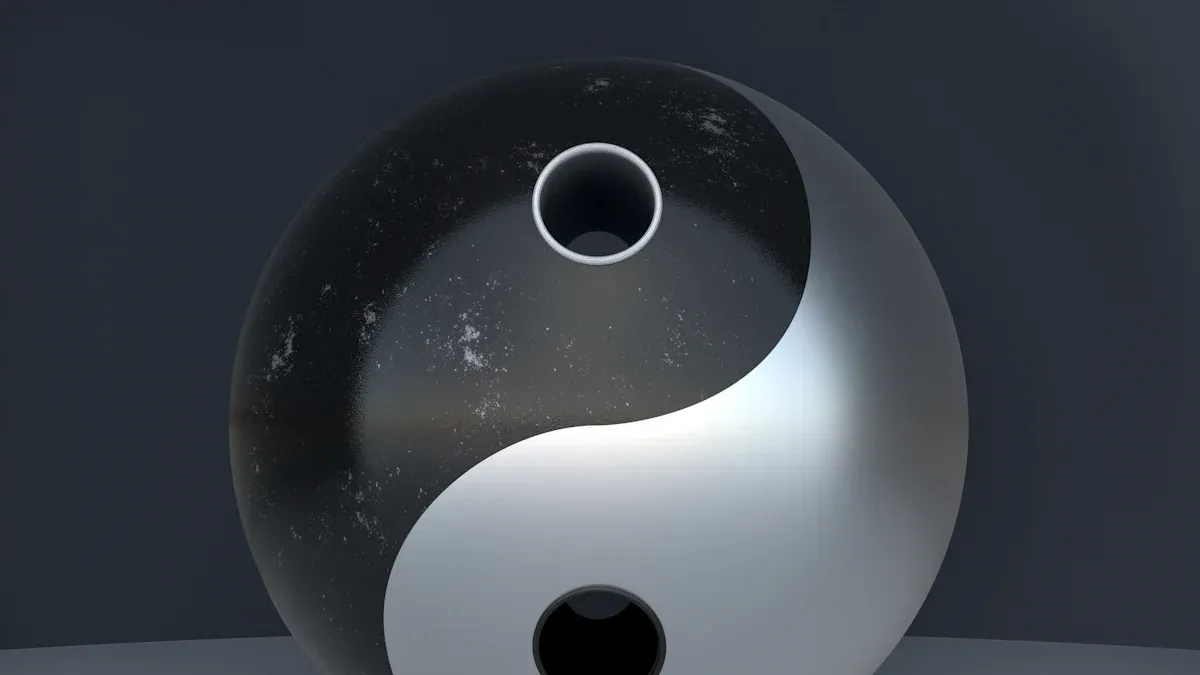
Yin and Yang Balance
Yin and yang balance is very important in Taoist mindfulness. Yin and yang show how opposites can work together. People use Taoist mindfulness to find balance in feelings, work, and friendships. They notice if life is too busy or too quiet. They change what they do to feel balanced again.
Application of Yin and Yang |
Outcome |
|---|---|
Cultivating emotional balance |
Improved emotional balance and decision-making |
Creating balance in relationships and work environments |
Enhanced interpersonal dynamics |
Considering Yin and Yang dynamics in daily decisions |
Natural alignment in choices |
(To explore more about yin and yang, check out Understanding What Yin and Yang Is in Everyday Life.)
Presence and Emptiness
Taoist mindfulness teaches people to be present and to clear their minds. Being present means paying attention to what is happening now. Emptiness means letting go of extra thoughts. People who practice Taoist mindfulness use meditation and breathing to stay in the moment. They find that emptiness helps them think clearly and feel calm.
Study/Research |
Findings |
Implications |
|---|---|---|
Bishop et al. |
Emphasized sustained attention and present moment awareness in mindfulness. |
Supports the role of attention in mindfulness practices. |
Benson's research |
Found increased cortical thickness with meditation experience, especially in older adults. |
Suggests meditation may offset cognitive decline associated with aging. |
Lutz et al. |
Focused attention training reduces emotionally reactive behavior. |
Indicates mindfulness can improve emotional processing. |
Study on Zen meditators |
No correlation between age and grey matter volume or attentional performance. |
Suggests neuroprotective effects of meditation. |
Taoist mindfulness uses presence and emptiness to help people balance their thoughts and feelings.
Practice Taoist Mindfulness Techniques
Taoist Breathing Exercise
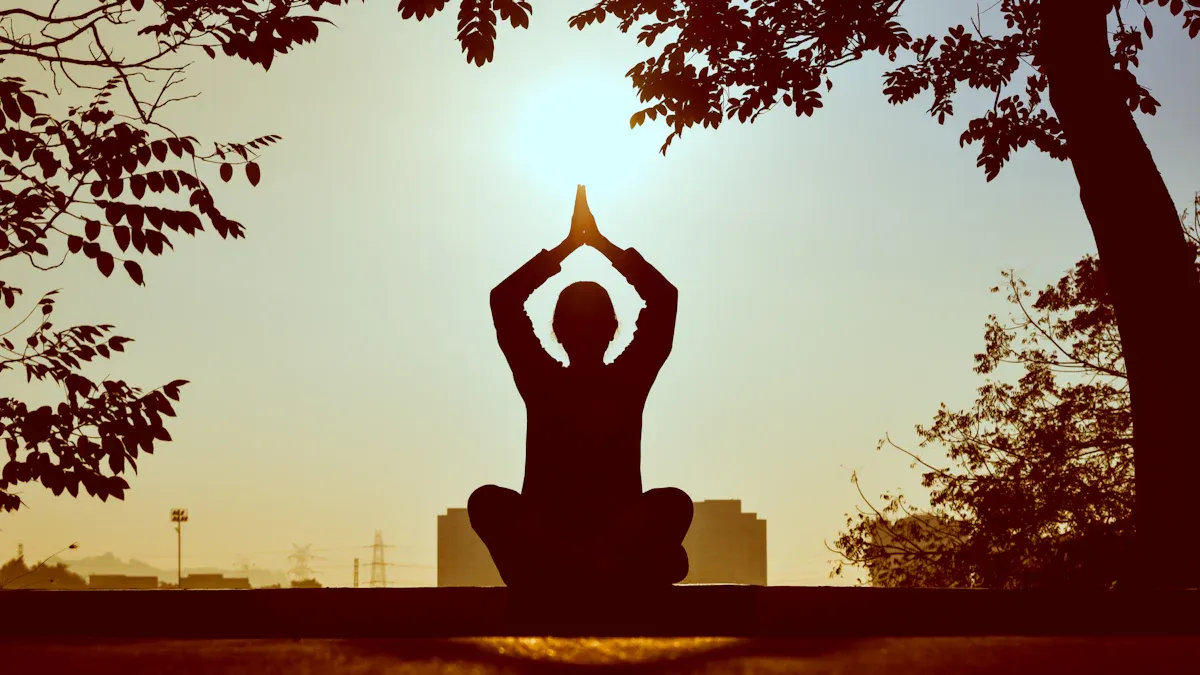
Taoist breathing exercises are the base of mindfulness. These exercises teach people to slow down and notice each breath. People sit in a comfy spot, close their eyes, and focus on air moving in and out. This mindful breathing helps the body and mind feel calm.
Heart rate changes show nerves work better.
Anxiety and stress get lower with practice.
Using these exercises for a long time helps health and may stop sickness.
Tai Chi uses mindful breathing to help people feel calm.
People notice their minds feel better before and after each session.
People often start Taoist mindfulness with breathing. It helps calm the mind and get ready for meditation. You can do mindful breathing anywhere, so it is easy to use every day.
(If you're interested in breathing techniques, read Taoist breathwork for health, vitality, and energy alignment.)
Candle Meditation
Candle meditation is also called Trataka. It uses a candle flame to help people focus. People sit in a quiet room, light a candle, and look at the flame without blinking. This helps train the mind to stay in the moment.
Research shows candle meditation helps the brain and mental health. Studies say it helps memory, attention, and thinking skills. The soft, moving light helps calm nerves and lowers stress.
Benefit |
Description |
|---|---|
Promotes Relaxation |
The gentle light helps calm nerves and lower stress. |
Encourages Focus |
Watching the flame helps people pay attention and stay present. |
Enhances Sensory Experience |
The candle’s smell and light help people use more senses and enjoy meditation. |
Creates Ritual |
Lighting a candle tells the brain it is time to focus. |
Deepens Breathing |
The candle helps people breathe slowly and relax. |
Enhances Visualization |
Candles help people set goals or think of good things during meditation. |
Candle meditation is a simple way to practice Taoist mindfulness. It helps people relax and focus so they can meditate better.
Silent Meditation
Silent meditation is a main part of Taoist meditation. People sit quietly, close their eyes, and focus on now. They may use mindful breathing or just watch their thoughts without judging.
Benefit |
Description |
|---|---|
Improved Focus and Clarity |
Helps clear the mind and make better choices. |
Emotional Stability |
Balances feelings, lowers anxiety and sadness, and brings peace. |
Mindful breathing in silent meditation calms nerves.
Meditating in nature helps clear the mind.
Silent meditation helps people practice Taoist mindfulness by focusing on now and letting go of distractions.
Mindful Movement
Mindful movement means doing things like Tai Chi and gentle stretching. These moves are slow and careful. People pay attention to each move and their breathing.
Mindful movement helps fitness without causing stress.
It slows down thoughts and helps people stay in the moment.
Focus and confidence get better, and tight muscles relax.
Tai Chi is called "meditation in motion" and uses deep breathing and focus.
Yoga also uses mindfulness and breathing to help with stress.
Mindful movement lets people practice Taoist mindfulness with their bodies. It connects moving, breathing, and paying attention.
Declutter Mind & Space
A clean space helps the mind feel calm. Decluttering means taking away things you do not need and organizing your space. This also works for thoughts and feelings.
A clean space lowers stress and helps people feel calm.
An organized room helps the brain relax and lowers stress hormones.
Minimalism takes away distractions and helps people focus.
Studies show people in messy spaces have more stress hormones, which makes them feel more anxious and less focused. Messy rooms can make minds feel messy too, so it is hard to relax or think.
A clean space helps people feel in control and proud.
It helps people feel better about themselves and sleep well.
Clean spaces help people be creative and get things done.
Decluttering is an easy way to practice Taoist mindfulness and make space for peace and clear thoughts.
Journaling Practice
Journaling is a good way to think about yourself. People write about their thoughts, feelings, and what happens to them. This helps people know themselves better and balance their feelings.
Journaling helps people see patterns in their feelings.
It helps people accept themselves and find balance, which is important for mindfulness.
Writing about feelings helps people make better choices.
Journaling helps people practice Taoist mindfulness by making thoughts and feelings easier to understand.
Visualization & Affirmations
Visualization uses your imagination to picture good things. People imagine peaceful places or good results. Affirmations are positive words people say to help their minds stay calm and focused.
Visualization and affirmations help people set goals and stay motivated. These tools help Taoist meditation by matching thoughts with what people want. People often use visualization with mindful breathing to make it work better.
Tea Meditation
Tea meditation is a special ritual in Taoist traditions. People make and drink tea slowly, paying attention to each step. This matches nature and helps the flow of Qi, or life energy.
Tea meditation helps lower stress and improve focus. People say they feel better, stay hydrated, and have more peace inside. The ritual helps people feel thankful and can help people feel closer when shared.
Less stress
Better focus and attention
More hydration
Good mood
Inner peace
Feeling thankful
Closer bonds with others when done together
Tea meditation is a gentle way to practice Taoist mindfulness and enjoy simple things.
Mindful Eating
Mindful eating means paying close attention while eating. People notice the taste, smell, and feel of each bite. They eat slowly and use mindful breathing to stay focused.
Aspect |
Effect on Digestion |
Effect on Mental Clarity |
|---|---|---|
Mental Digestion |
Stress can hurt digestion and gut health |
Good feelings help the mind and stop too much thinking |
Mindful Eating Patterns |
Eating mindfully helps digestion work better |
Helps people know their feelings and think clearly |
Chinese Medicine Approach |
Prevents problems and keeps digestion healthy |
Helps the mind and gut work together |
Eating slowly helps break down food and get more nutrients.
Meditation and deep breathing help digestion by lowering stress.
Using all senses while eating makes meals better.
Mindful eating is a simple way to practice Taoist mindfulness. It helps both the body and mind stay healthy and clear.
Daily Taoist Mindfulness Routine
Morning Rituals
A morning routine helps start the day well. People often do slow breathing, gentle stretching, or silent meditation. These activities help the mind, body, and spirit work together. They give a clear moment before the day begins. Many people feel less stress and can focus better after these rituals. Using the senses, like hearing birds or feeling sunlight, helps people stay aware and calm.
Begin with mindful breathing for five minutes.
Do gentle movement or stretching.
Look at nature or light a candle to help focus.
Everyday Mindfulness
Mindfulness happens during daily tasks. People do one thing at a time and take breaks. They use Wu Wei by letting things happen naturally. Eating slowly and enjoying each bite helps balance. Cleaning up space and mind also helps. People mix activity and rest to stay balanced. They use deep breathing or stretching to relax.
Taoist mindfulness does not mean being perfect. It teaches a gentle way that follows what feels natural.
Evening Reflection
Evening routines help people think and relax. Writing in a journal helps let go of worries. Asking questions like “What did I learn?” or “How can I do better?” helps people grow. People write down their progress and changes in mindfulness. Evening meditation or drinking tea quietly helps people relax and feel calm.
Practice Type |
Description |
|---|---|
Journaling |
Write about feelings and experiences for peace. |
Meditation |
Use silent or visualization meditation to calm the mind. |
Tea Ritual |
Drink tea slowly and focus on each step to relax. |
Personal Toolkit
A personal toolkit helps people keep practicing mindfulness. People use insight meditation, concentrative meditation, visualization, Qigong, and deep breathing. Joining a group, like a meditation circle, gives support. Writing in a journal helps track progress and encourages self-reflection.
Practice Type |
Description |
|---|---|
Insight Meditation |
Helps people know themselves better. |
Qigong |
Uses gentle movement and mindfulness for health. |
Deep Breathing |
Makes people feel calm and peaceful. |
Community Practice |
Gives support and helps people learn together. |
Taoist mindfulness gives easy ways to feel calm and balanced. People can pick one or two methods, like breathing or tea meditation, to start. Doing mindfulness every day helps make a gentle habit. They see changes in how they feel and think. Mindfulness gets stronger when people practice often. The ideas of Taoism help people live in harmony with nature and keep good habits.
Taoist mindfulness helps people feel close to their surroundings.
It helps people work together and keeps mindfulness strong.
People become more aware as they use mindfulness each day.
Taking small steps at first makes mindfulness simple to keep doing.
Pieces That Carry This Intention
Beads meant to be handled while you practice, not just worn.


FAQ
What is Taoist mindfulness?
Taoist mindfulness means paying attention to the present moment. People notice their breath, thoughts, and actions. This practice helps them feel calm and balanced. Taoist mindfulness uses simple steps that anyone can try.
What makes Taoist mindfulness different from other mindfulness practices?
Taoist mindfulness focuses on natural flow and balance. It uses ideas like Wu Wei, which means effortless action. People learn to accept things as they are. This approach helps them find peace without forcing change.
What can someone expect to feel when starting Taoist mindfulness?
Many people feel more relaxed and focused. Some notice less stress and better sleep. Changes in the body and mind may happen slowly. Each person’s experience can look different.
What are some easy Taoist mindfulness techniques for beginners?
Beginners can try slow breathing, candle meditation, or mindful eating. Gentle movement like Tai Chi also helps. These techniques do not need special tools. Anyone can start with small steps.
What should someone do if they lose focus during practice?
They can gently bring their attention back to the breath or the present moment. Losing focus is normal. With practice, focus improves. Staying patient helps build a strong habit.
See Also
Taoist Approach to Effortless Living Through Wu Wei
Understanding What Yin and Yang Is in Everyday Life
Taoist breathwork for health, vitality, and energy alignment