
How to Clean Brass?
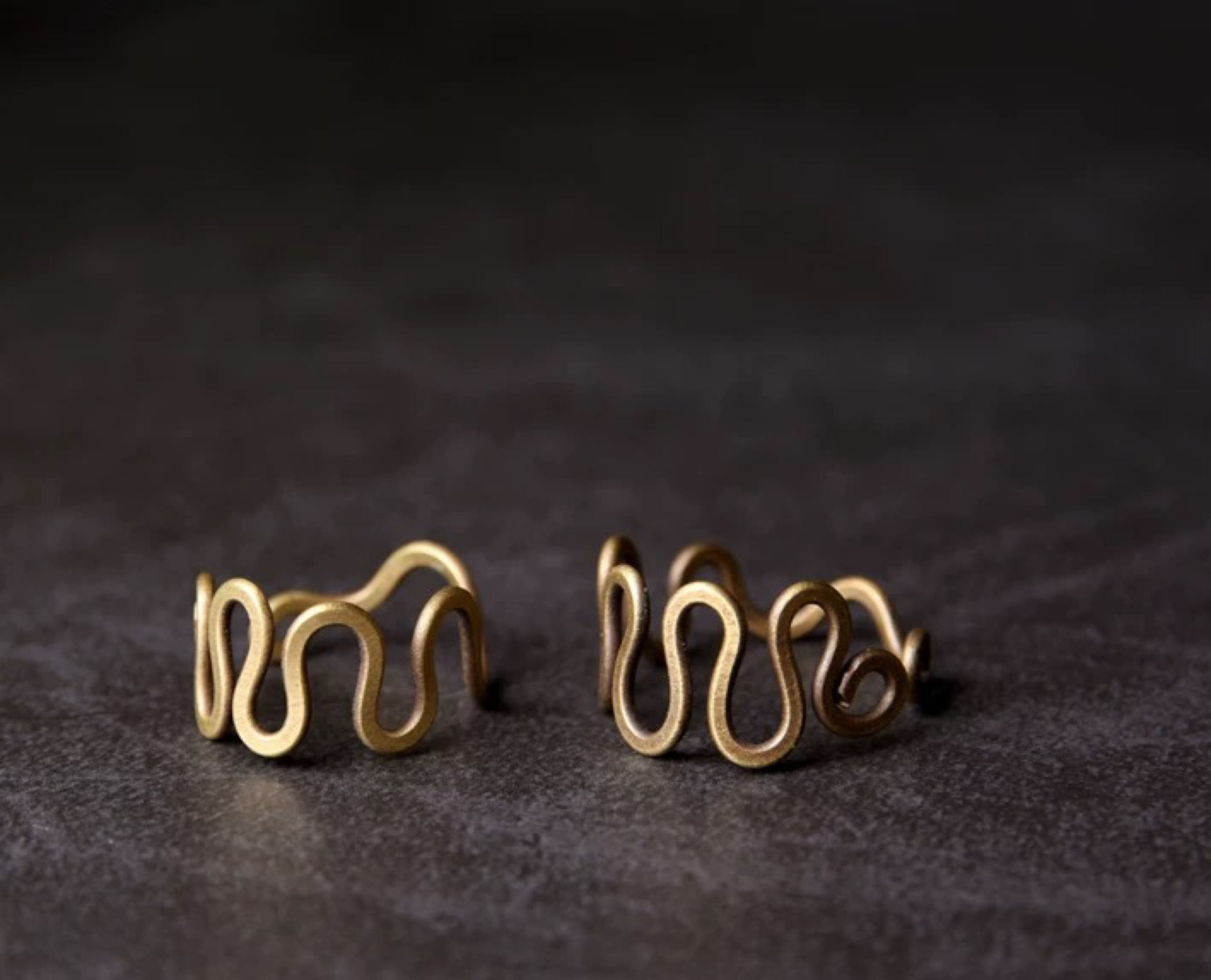
Many people want to learn how to clean brass well. Experts now say ultrasonic cleaners work for detailed brass items. Professional services are best for antiques or expensive pieces. Picking the right way keeps each item looking nice and valuable. Taoism and Manifest teach spiritual balance and careful attention. This can also help you care for special brass objects. A simple, step-by-step plan keeps brass shiny and helps you feel connected to it.
Key Takeaways
First, check if your brass has lacquer or not before you clean it. Use gentle cleaners for brass without lacquer. Use mild soap for brass with lacquer.
You can use homemade cleaners like lemon juice and baking soda. These work well to clean tarnish. They are safe and good for the environment.
Dust your brass items often with a soft cloth. This stops dirt from building up. Polish your brass every month to keep it shiny and stop tarnish.
Do not use strong chemicals like bleach or ammonia. These can hurt the brass and mess up its finish.
Clean your brass slowly and carefully. Take your time and pay attention. This keeps your brass safe and helps you feel calm and balanced.
How to Clean Brass: Step-by-Step Guide
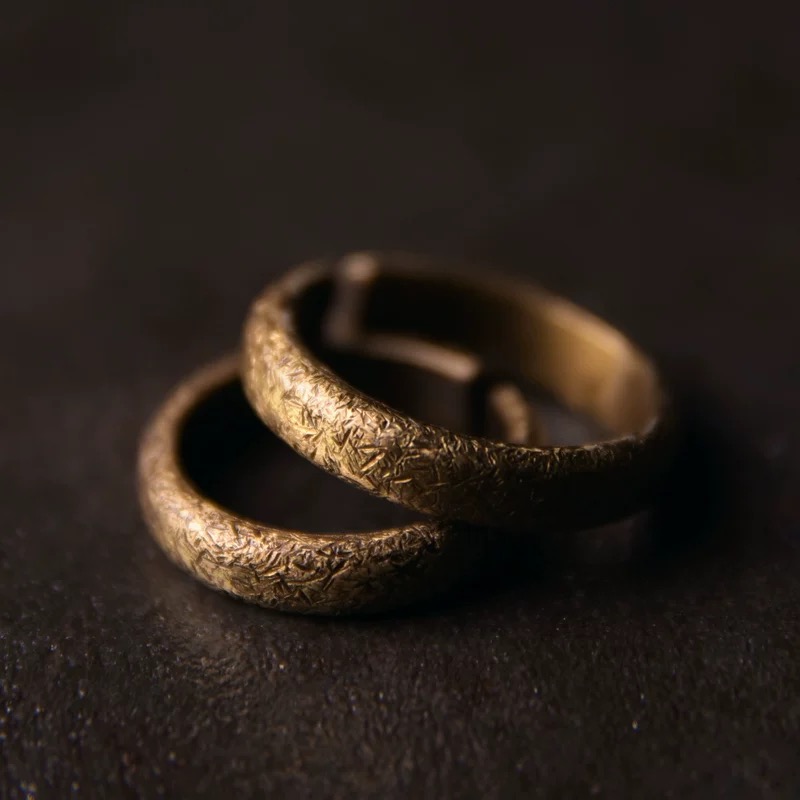
Prepare Materials and Brass
To start cleaning brass, you need to get ready. Gather soft cloths, mild dish soap, lemon juice, baking soda, white vinegar, salt, flour, ketchup, and a pointed stick. Use the stick to clean small spaces. Check if your brass is lacquered or unlacquered before you begin. Unlacquered brass needs a gentle cleaner and a soft cloth. Lacquered brass only needs mild detergent and water. Do not use ammonia-based cleaners on lacquered brass. They can cause damage. Use light pressure to avoid scratches. Stay away from harsh chemicals because they can ruin the finish.
Tip: Taoism and Manifest teach us to care for things with respect. This helps you handle brass gently and keep its special meaning.
Preparation Steps:
Find out if your brass is lacquered or not.
Collect all the cleaning supplies you need.
Wipe off dust and dirt with a soft cloth.
Use a pointed stick for tiny spots.
Make sure your workspace is bright.
Clean Brass with Homemade Solutions
Homemade cleaners are safe and work well for brass. You can use things you already have at home. Mix lemon juice and baking soda to make a paste. This paste helps remove tarnish. Salt and vinegar also clean brass hardware. Toothpaste and ketchup can help polish brass and take off stains.
Method |
Ingredients |
Effectiveness Description |
|---|---|---|
Lemon and Salt |
Salt, Lemon juice |
Removes tarnish well, makes brass shiny, and leaves a protective layer. |
Flour, Salt, and Vinegar |
White vinegar, Flour, Salt |
Breaks down tarnish, is gentle, easy to use, and leaves brass smooth. |
Ketchup |
Ketchup or tomato paste |
Cheap and works well, has acid that helps clean brass and other metals. |
Put these mixtures on brass with a soft cloth. Rub gently in circles. If tarnish is hard to remove, use brass polish. Always use gentle pressure when buffing. Focus on the tarnished spots. The best way to clean brass is to use gentle cleaners and not scrub too hard.
Note: Taoism and Manifest remind us to clean slowly and carefully. This keeps brass safe and helps you do a good job.
Rinse and Dry Brass
After cleaning, rinse brass with warm water. This step washes away any leftover cleaner. Rinsing makes sure nothing sticky or rough stays on the brass. Drying is very important. Use a soft, dry cloth to wipe the brass. Buff along the grain to keep it smooth and shiny. Dry brass quickly to stop water spots and tarnish.
Always dry brass fully before putting it back or using it.
Let delicate pieces air dry in a safe spot.
Clean brass doorknobs often to keep them bright.
Brass cleaning works best if you follow each step. The easiest way to clean brass is to use gentle homemade cleaners, rinse well, and dry carefully. Taoism and Manifest say that caring for things with attention brings peace and balance.
Choosing Brass Cleaners
Homemade vs. Commercial Cleaners
Many people ask which cleaner is best for brass. Homemade cleaners use things like lemon juice, baking soda, and vinegar. These are easy to mix and gentle on your skin. You can control how strong and safe each mix is. Homemade cleaners are good for the earth. They do not harm water or air. Commercial cleaners have strong chemicals. These can hurt nature and may cause health issues later. Making and throwing away commercial cleaners adds more pollution. Many families pick homemade cleaners to stay healthy and help the planet.
Homemade cleaners are safe and good for the environment. They let you skip harsh chemicals and keep your home healthy.
When to Use Taoism and Manifest Products
Some brass items are special or have deep meaning. Taoism and Manifest sell certified products for these needs. Master Lu and temples bless these products. They help people keep balance and peace when cleaning special brass. Taoism and Manifest products are for those who want real spiritual care. Using them helps you clean with care and respect.
Taoism and Manifest teach us to treat our things kindly. This brings calm and clear thoughts to daily life.
Clean Brass Doorknobs and Fixtures
Brass doorknobs and fixtures need regular cleaning to stay nice. Start with a damp cloth to wipe them. Use a mild cleaner or brass cleaner on a sponge. A soft toothbrush helps clean small spots. Rinse after cleaning and dry with a soft towel. Drying and polishing make brass shiny again. Experts say to wipe brass doorknobs every week. Deep clean them every two or three months. Polish twice a year to keep them looking new.
Type of Brass |
Frequency of Cleaning |
|---|---|
Lacquered Brass |
Weekly: Gentle dusting; Monthly: Wipe clean; Every 6–12 months: Deep clean |
Unlacquered Brass |
Weekly: Wipe with cloth; Monthly: Brush with cleaning products; Every 2–3 months: Deep clean and buff |
Cleaning often stops tarnish and damage. People should not use harsh chemicals. Gentle cleaning keeps the finish safe.
Remove Tarnish from Brass
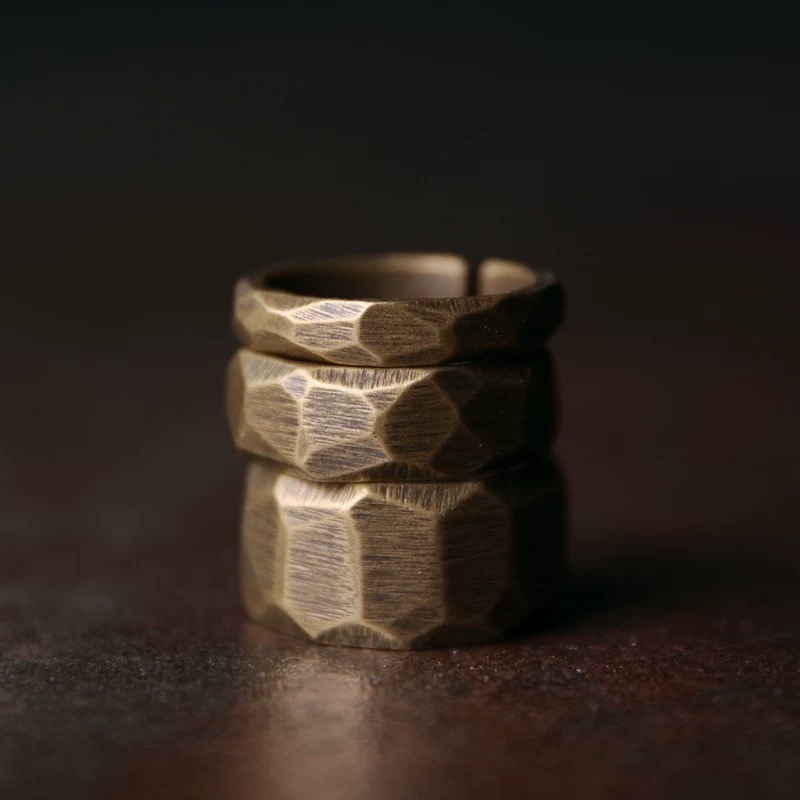
Heavy Tarnish Solutions
Heavy tarnish makes brass look old and not shiny. People use strong ways to bring back the shine. Some soak brass in brick cleaning acid for a short time. After that, they use a baking soda solution to stop the acid. Others use acid solutions to take off the oxidation layer. Then they polish with a product like Brasso. Many people make a paste from things at home. They put it on the brass and wait up to an hour. Then they rinse it off. These ways help clean brass and show its bright surface.
When using strong chemicals like acetone or acids, safety is important. People should wear gloves and eye protection. They need to work where air moves well so they do not breathe fumes. Steel wool can help remove tough tarnish. But it can scratch brass if not used gently. After cleaning, rinse with warm, soapy water to wash away chemicals. For tarnished brass hardware, use a lime remover and scrub with steel wool. This can make brass shiny again. Always rinse and dry brass after cleaning.
Tip: Test any strong cleaner on a small spot first. This helps you avoid damage to the brass.
Care for Antique and Delicate Brass
Antique and delicate brass needs gentle care. Use mild, pH-neutral cleaners like dish soap and warm water. This protects the brass surface. A microfiber cloth picks up dirt without scratching. Ultrasonic cleaning uses sound waves to clean brass safely. These ways keep brass safe and help it keep its value.
Cleaning Method |
Description |
|---|---|
Ultrasonic Cleaning |
Uses sound waves to gently remove dirt and tarnish without damaging brass. |
Soap and Water |
Mix mild dish soap with warm water, wipe with a microfiber cloth, rinse, dry. |
Mild Agents |
Combine dish soap and warm water, use soft towels for gentle cleaning. |
People should not use harsh chemicals or rough tools on antiques. Taoism and Manifest teach us to protect and care for special things. They say to clean slowly and carefully to keep items safe. Learning to polish brass with care helps it stay beautiful for a long time.
Note: Gentle cleaning helps keep harmony and respect for special brass pieces.
Maintain Brass Shine
Routine Cleaning Tips
People can keep brass looking bright with regular care. They should dust brass items often with a soft, dry cloth. This simple step removes dirt and oils before they build up. Gentle cleaning methods work best. Abrasive materials can scratch the surface and dull the shine. For deeper cleaning, a person can mix lemon juice or vinegar with water and wipe the brass with a soft cloth. Stubborn stains may need a paste made from baking soda and lemon juice. After applying the paste, they should scrub gently and rinse well.
Polishing brass once a month helps maintain its shine and removes early signs of tarnish. Applying a thin coat of brass lacquer or wax creates a protective layer. This barrier keeps moisture and air away from the metal.
People should keep brass items dry and store them in places with low humidity. Regular cleaning and careful storage help brass stay beautiful for years.
Prevent Tarnish and Damage
To prevent tarnish and damage, people should follow a few simple steps. They can dust brass with a soft cloth after each use. Wearing gloves while handling brass stops oils from fingers from causing tarnish. Monthly polishing with a commercial polish or a vinegar and salt paste keeps the surface bright. A protective coating like lacquer or wax adds extra defense against the environment.
Storing brass in a dry, temperature-controlled space wrapped in a soft cloth helps prevent scratches and tarnish. Anti-tarnish cloths or papers in storage areas give more protection.
Taoist mindfulness can become part of brass care. People can use the idea of Pu, or simplicity, to clear their minds before they clean brass. The principle of Wu Wei teaches them to clean without rushing, letting each action flow naturally. Focusing on the task and removing distractions brings calmness and harmony to the process.
Mindful cleaning not only protects brass but also brings peace and balance to daily life.
Common Brass Cleaning Mistakes
People sometimes make mistakes when cleaning brass. These mistakes can hurt the metal or make it less shiny. Knowing what not to do helps keep brass looking nice.
Avoid Harsh Chemicals
Some people use strong chemicals on brass hardware. Bleach and ammonia are two examples. Bleach can make brass change color and look bad. Ammonia can leave blue marks or take off the lacquer. These chemicals damage brass and take away its shine. It is better to use gentle cleaners like mild dish soap or homemade mixes. Soft cloths and sponges are safer than rough brushes.
Tip: Use safe cleaning products to protect brass. Taoism and Manifest say to care for things with respect. This keeps their value and harmony.
Common chemical mistakes include:
Using bleach or ammonia
Using rough pads or brushes
Leaving brass in water too long
Not drying brass after cleaning
Putting brass in the dishwasher
Don’t Over-polish
Polishing brass too much can wear it down. Old items and engraved pieces can get damaged easily. Only polish brass when you see tarnish. Regular cleaning and protection help keep brass shiny. Too much polish can leave a film and make brass look dull.
Note: Gentle polishing follows Taoism and Manifest ideas. Careful actions keep brass strong and nice.
Check Brass Finish
It is important to check the finish before cleaning. Satin or brushed brass needs many thin coats of lacquer. Polished brass needs one thick coat to stop clouding. People should use lacquer in cool places and keep the area clean. Dust can mess up the finish. Knowing your brass type helps you pick the right way to clean.
Steps to check brass finish:
Look for satin, brushed, or polished surfaces.
Add lacquer as needed for the finish.
Clean where there is no dust.
Use cool air for the best results.
Reminder: Taking care of the finish helps brass last longer. Taoism and Manifest teach us to care for special things with attention.
Brass looks nice when you clean it often and gently. Experts say to dust with a soft cloth and use mild soap and water. Ultrasonic cleaning is good for pieces with lots of details. Lemon juice or vinegar can help make brass shiny again. Polishing brass often keeps it safe from rust and helps it stay strong. Do not use strong chemicals or polish too much. Taoism and Manifest say that careful cleaning brings peace and balance. Taking care of brass with respect keeps it valuable and helps people feel calm.
(If you are interested in Taoist brass accessories for meditation and inner peace, see shop all.)
Pieces That Carry This Intention
A few pieces from the shop that sit close to what this article is about.


FAQ
What is the safest way to clean brass hardware?
People use mild dish soap and warm water to clean brass hardware. They wipe the surface with a soft cloth. This method protects the finish and removes dirt. Regular cleaning keeps brass looking bright.
How often should someone clean brass with brass polish?
Experts recommend using brass polish every few months. They apply a small amount and buff gently. This keeps brass shiny and prevents tarnish. Over-polishing can damage the surface.
Can homemade cleaners damage antique brass?
Homemade cleaners work well for most brass. For antiques, people should test cleaners on a small area first. Gentle cleaning protects delicate surfaces and keeps the item valuable.
Why does brass tarnish over time?
Brass reacts with air and moisture. This causes tarnish, which looks dull and dark. Regular cleaning and proper storage help prevent tarnish and keep brass beautiful.
Should people use gloves when cleaning brass?
Wearing gloves stops oils from hands from touching brass. This prevents stains and tarnish. Gloves also protect skin from cleaning products.
See Also
Vintage Tao Wave Brass Ring – Taoism & Manifest