
Tracing the Ancient Roots of Taoist Prayer Amulets

Imagine you hold a small charm carved with ancient Hanzi characters. You feel the weight of history in your palm. People in ancient China wore these charms to guard against evil spirits. Swords and peach wood became symbols of protection. Coins with sword images appeared, believed to boost safety. You seek blessings and comfort in the taoist prayer amulet, just as people did centuries ago.
Key Takeaways
Taoist prayer amulets are not just charms. They connect people to old beliefs. They give protection and blessings.
You can get these amulets at Taoist temples. Many temples give them for free. This makes them easy for everyone to have. People want safety and good luck.
Each amulet has special symbols and words. These symbols mean things like happiness, protection, and good luck.
You can use an amulet every day. You might carry it with you. You can hang it in your house. You can use it in rituals for blessings.
Taoist prayer amulets are still popular now. They give hope and peace. They help people feel part of a group. They connect you to a strong cultural tradition.
What Is a Taoist Prayer Amulet?
Core Features and Meanings
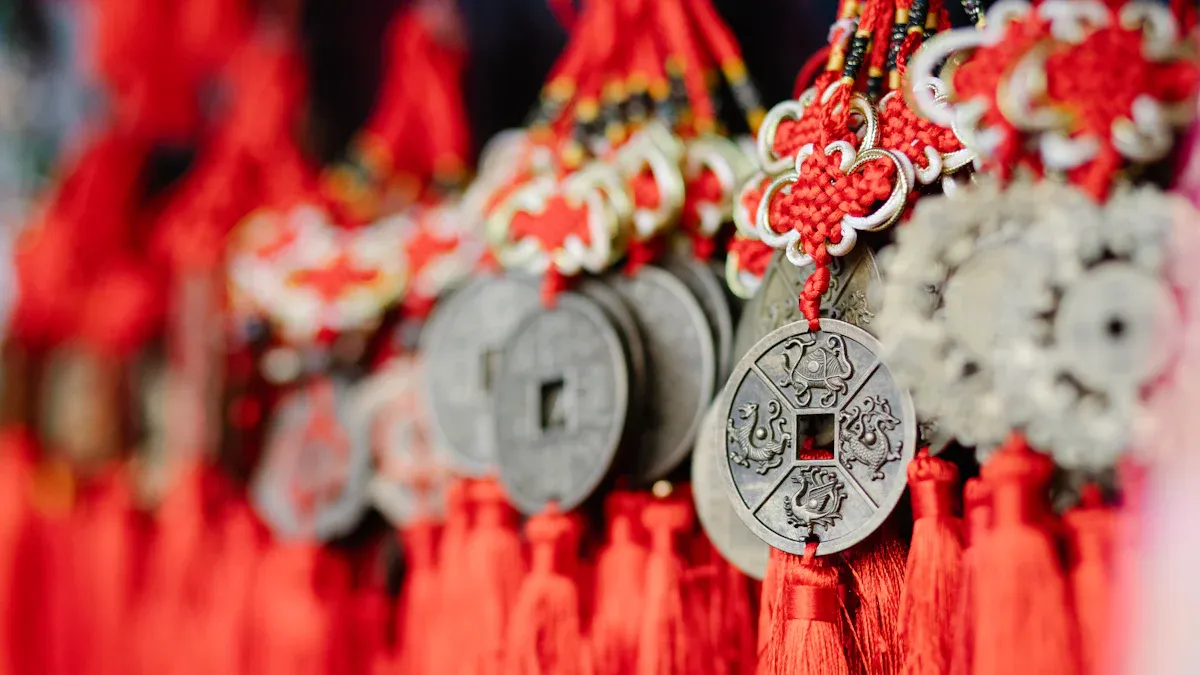
When you see a taoist prayer amulet, you notice its special look. These amulets are different from other spiritual items. They are made in simple ways but have deep meaning. Regular people, not just priests, often make these amulets. They use short prayers to bless them, not long ceremonies. You can get one for free at a Taoist temple. This shows that Taoist practices are friendly and open.
Tip: If you go to a Taoist temple, you may find a table with many amulets. You can take one home for protection or blessing.
A taoist prayer amulet has symbols and words that are important. These designs are not just for looks. They have strong meanings and link you to old beliefs. Here are some things you might see:
Inscribed symbols called "Fu" that people think can protect and heal.
Words or phrases that wish for good luck, safety, or happiness.
Pictures of bats, which mean happiness in Chinese culture.
Images of Zhong Kui, who fights evil spirits.
Drawings of lotuses, which stand for good fortune and continuity.
You can look at the table below to see some symbols and what they mean:
Symbol/Inscriptions |
Meaning/Significance |
|---|---|
qu xie jiang fu (驱邪降福) |
Push away evil and bring happiness |
Bats (蝠) |
Stand for happiness; upside-down bat means 'happiness has arrived' |
Zhong Kui (钟馗) |
Shows protection against evil demons |
zhu shen hui bi (诸神回避) |
Keep away all the spirits |
Lotus (莲) |
Means continuity; brings good fortune |
Taoist Talismans (Fu) |
Symbols for protection, healing, and good fortune |
These features show a taoist prayer amulet is more than just a thing. It connects art, belief, and your daily life. (To understand the broader philosophy behind these practices, you can explore What is Taoism.)
Spiritual and Cultural Roles
You use a taoist prayer amulet for more than decoration. In old Chinese society, people believe these amulets have magic powers. When you carry one, you hope it keeps away evil spirits. You also wish for blessings like good luck, health, and a long life.
You might use an amulet when you travel, move to a new home, or start something new. Some people hang them above doors or keep them in pockets. Others put them on family altars. Each way shows your hope for safety and happiness.
Taoist prayer amulets are important in community life. Temples give them out for free, so everyone can have one. This makes the practice feel open and shared. When you accept or use an amulet, you join a long tradition. You connect with your family, your community, and the spiritual world.
Note: When you hold a taoist prayer amulet, you hold a piece of living history. You become part of a story that started thousands of years ago.
Ancient Origins and Influences
Han Dynasty Talismans
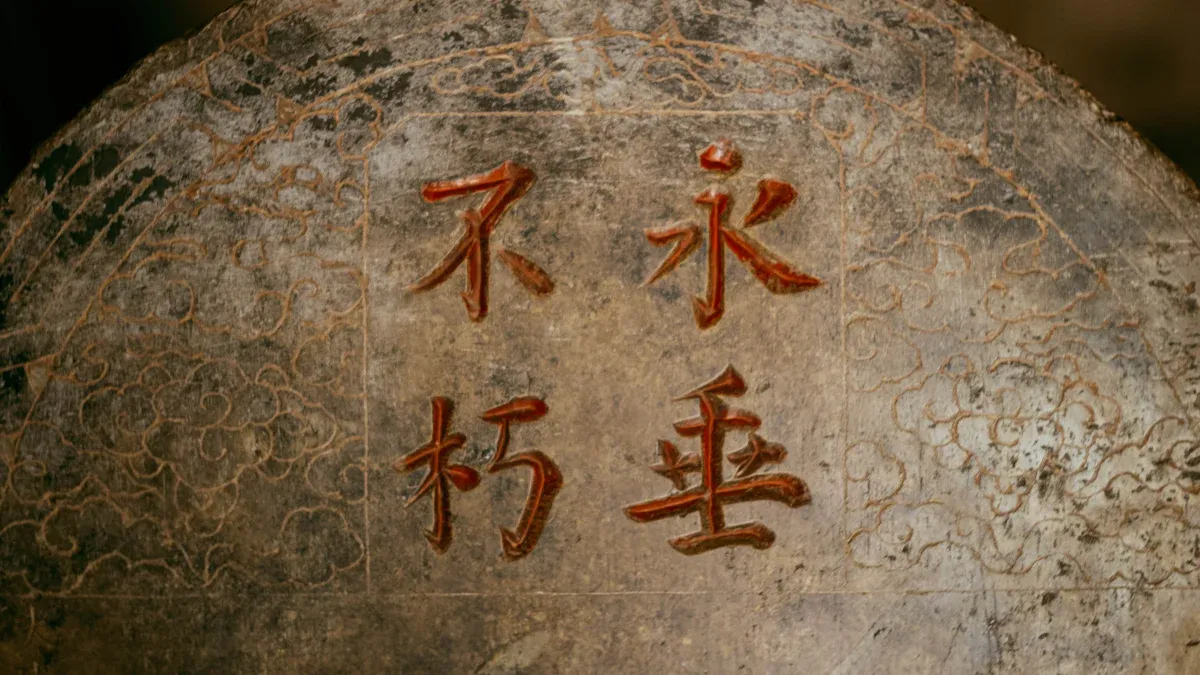
You can trace the story of the taoist prayer amulet back to the Han dynasty, over two thousand years ago. People in this era believed that objects could hold special powers. They used items like bronze mirrors and jade not only for beauty but also for protection and spiritual connection. Bronze mirrors often had symbols and words carved on the back. These mirrors linked the living and the dead, helping souls find peace. Jade was rare and valuable. High-ranking people used it in ceremonies, hoping it would bring long life and keep away harm.
Here is a table showing some important Han dynasty artifacts:
Artifact Type |
Description |
|---|---|
Bronze Mirrors |
Sacred objects that became talismans. They symbolized tomb geomancy and linked the deceased to the cosmos. Some, like the inscribed mirror from Niya, served this purpose. |
Jade |
Valued for beauty and believed to have supernatural powers. Used by high-ranking people in ceremonies. Jade showed a wish for long life. |
These objects set the stage for later amulets. You can see how people wanted to connect with the unseen world and protect themselves.
Buddhist and Folk Traditions
As time passed, new ideas shaped the taoist prayer amulet. Buddhist monks brought mala beads to China. These beads helped people focus during prayer and meditation. Taoist priests saw this and began to use similar objects in their own rituals. Folk traditions also played a big part. Village healers and wise women made simple charms from bamboo or silk strips. They wrote prayers or drew symbols on them. These early amulets mixed folk magic with formal priestly rituals.
You can see how the taoist prayer amulet grew from many sources. It blended the power of ancient objects, Buddhist practices, and local beliefs. This mix gave each amulet a unique role in daily life.
Evolution of Taoist Prayer Amulets
Changes Through Dynasties
You can see how the taoist prayer amulet changed over time. Long ago, people thought only a master or priest could make a strong amulet. The master would write special symbols or prayers on paper. People believed these objects held the master's energy. Sometimes, a priest drew a talisman on yellow paper. Then he burned it, and you drank the ashes in water. This was a way to get the master's blessing.
As dynasties changed, amulets were used in new ways. In the Tang and Song dynasties, people used amulets in temples and homes. They were not just for holding a master's power anymore. Amulets became tools for protection and healing. People also used them for good luck in daily life. Families hung them above doors or carried them when traveling.
The Zhengtong daozang, a Taoist Canon from the mid-fifteenth century, helped shape amulets. It collected many texts and symbols from different times. This made the way people made and used amulets more alike. You can read about the "Great Peace Symbol" in this canon. It shows how amulets became important in rituals.
The mid-fifteenth-century Taoist Canon (Zhengtong daozang正統道藏) has five examples of a religious artefact called “Great Peace Symbol” (“Taiping fu” 太平符). These are found in five texts from about a thousand years. This shows the 'Great Peace Symbol' was important in the history of taoist prayer amulets. It shows how these symbols changed from simple talismans to parts of rituals.
Over time, amulets changed again. They did not just hold a master's power. They became part of bigger rituals for everyone. Now you can find many kinds of amulets. Each one has its own meaning and use.
Materials, Symbols, and Inscriptions
You might wonder what materials people used for amulets. At first, they used bamboo strips, silk, or paper. Later, people used metals like bronze, silver, and gold for special times. Some amulets had wood or jade, which made them more special. Each material had its own meaning and power.
Symbols and inscriptions on amulets show their purpose. You can see pictures of famous Taoist immortals, animals, and magical tools. Each symbol stands for a wish or blessing. For example, a lotus means good fortune and harmony at home. A sword can protect you from evil spirits.
Here is a table with some common symbols and what they mean:
Symbol |
Associated Immortal |
Description |
|---|---|---|
Flower Basket |
Lan Ts’ai-ho |
Shows Lan Ts’ai-ho, Patron Saint of florists, and means gardening. |
Castanets |
Ts’ao Kuo-chiu |
Stands for music and lets you enter Empress Ts’ao Hou’s palace. |
Gourd and Iron Crutch |
Li T’ieh-Kuai |
Means Li can leave his body; he helps sick people. |
Flute |
Han Hsiang-tzu |
Stands for harmony and can attract animals with music. |
Musical Instrument (Yu Kü) |
Chang Kuo-lao |
Shows Chang’s magic powers and his wandering life. |
Lotus |
Ho Hsien-ku |
Means house management and is linked to the Deity of housewives. |
Sword and Taoist fly-brush |
Lü Tung-pin |
Stands for Lü’s magic powers and his role as a scholar and patron saint of barbers. |
Fan |
Chung-li Ch’üan |
Can bring back souls; linked to military and magic secrets. |
Each symbol connects you to a story or a wish. When you hold a taoist prayer amulet, you carry these stories with you. The words and pictures remind you of hopes and dreams from long ago. (For those new to this philosophy, a great starting point is Starting Your Journey with Taoism.)
Tip: If you visit a Taoist temple, look at the amulets. Try to spot the different symbols and think about what they mean for you.
When you learn about these changes, you see that amulets are more than objects. They are links to history, belief, and the search for peace and safety.
Types and Uses of Amulets
Common Forms and Functions
There are many kinds of amulets in Taoist practice. Some look like yellow paper with red ink symbols. Others are coins, pendants, or patches with embroidery. Each shape has its own job. You might see a taoist prayer amulet shaped like a sword. This kind is for keeping away evil. Some amulets have animals like tigers or bats. These animals bring luck or help keep harm away.
People use these amulets for many reasons. You might keep one in your pocket for safety. Some families hang them above doors to protect the home. Others wear them as jewelry every day. During festivals, people paste amulets on doors or windows. These actions show how amulets are part of both daily life and special events.
Here are some common uses:
Carrying for personal safety
Hanging in homes for family protection
Wearing as necklaces or bracelets
Pasting on doors during holidays
Rituals and Daily Practice
You can use a taoist prayer amulet in more ways than just carrying it. In rituals, priests put amulets on altars or burn them. Burning sends prayers up to the heavens. Sometimes, people drink water with ashes from a burned amulet. This is for healing or blessing. These acts connect you to spiritual forces and old traditions.
Amulets are also part of daily habits. You might touch your amulet before leaving home. Some people say a short prayer while holding it. During festivals, families paste talismans on doors. This invites good luck and keeps away bad spirits. These customs help you feel safe and close to your community.
The table below shows how Taoist talismans are used every day:
Role of Taoist Talismans |
Description |
|---|---|
Ritual Use |
Used in ceremonies, such as altar setups and calling on deities. |
Protection |
Help with healing and guard against evil spirits or demons. |
Cultural Integration |
Become part of folk customs, like pasting talismans during festivals. |
Tip: If you want to use an amulet, learn what it means. Show respect for the tradition, and you may feel comfort from it.
Modern Significance
Contemporary Practices
You can see how the taoist prayer amulet still plays a big role in modern life. Many Taoist temples welcome you to take part in rituals that help you feel safe and blessed. When you visit a temple, you may notice a special process for making and giving out amulets. Here is how it often works:
Practitioners talk with you to understand your needs or worries. Sometimes, they use rituals to find the cause of your problem.
They set up an altar and place offerings like fruit or incense. You present your request for protection or healing.
The priest creates a talisman using paper, ink, and special symbols.
The talisman and offerings are burned. You may drink water with the ashes, wear the amulet, or place it in your home.
This process helps you feel connected to tradition and gives you comfort. You can find amulets at festivals, in shops, or online. Some people choose to carry them every day, while others use them only during special times.
Note: If you want to receive a taoist prayer amulet, you can ask a temple priest for guidance. They will explain the meaning and show you how to use it respectfully.
Enduring Appeal
You may wonder why these amulets remain popular. The answer lies in their power to give hope and peace. People from many backgrounds use them for protection, luck, and healing. The symbols and prayers remind you of ancient wisdom. You can share this tradition with your family or friends.
Many people say that holding an amulet helps them feel calm. You might use one when you start a new job or move to a new place. The amulet becomes a sign of your wishes and dreams. It links you to a long history and a caring community.
Here is a table showing why people still value taoist prayer amulets today:
Reason for Appeal |
Description |
|---|---|
Protection |
Helps you feel safe from harm or bad luck |
Blessing |
Brings good fortune and happiness |
Tradition |
Connects you to ancient beliefs and rituals |
Community |
Lets you share customs with others |
Tip: You can learn more about amulets by visiting a temple or reading about Taoist culture. This helps you understand the meaning behind each symbol. (To deepen your understanding of the philosophy, explore The Core Principles of Taoism.)
You have learned how Taoist prayer amulets changed over time. These amulets started as old symbols. Now, people use them as spiritual tools. Today, these objects still have strong meaning. Amulets stand for safety, wealth, and balance. Some people do not understand Taoism. They think it is only about magic or superstition.
-
Here are some things people get wrong:
Some think Taoism is just magic tricks.
Many say Taoism is only about superstition.
Some people do not know the real reason for worship.
Aspect |
Description |
|---|---|
Symbolism |
Amulets stand for safety, wealth, and peace. |
Cultural Foundations |
They link to Chinese ideas and Feng Shui. |
Modern Applications |
You use them for luck and to feel safe. |
You can think about what special objects mean in your own life.
Pieces That Carry This Intention
Amulets and talismans in the same protective lineage this article draws on.


FAQ
What is the main purpose of a Taoist prayer amulet?
You use a Taoist prayer amulet for protection, blessing, and spiritual connection. The symbols and words on the amulet help you feel safe and bring good luck.
Can anyone make or use a Taoist prayer amulet?
You do not need to be a priest to make or use an amulet. Many people create simple amulets at home or receive them from temples. You can use one for personal comfort.
How do you activate or bless a Taoist prayer amulet?
You can activate an amulet by saying a short prayer or asking a temple priest for help. Some people burn incense or place the amulet on an altar to show respect.
Are Taoist prayer amulets only for religious people?
You do not need to follow Taoism to use an amulet. Many people use them for cultural reasons or as symbols of hope and protection.