
How Taoism Empowers Women to Transcend Social Boundaries

Taoism gives women space to seek their own freedom. In many stories, women find new paths through Taoism. Female immortals show that women can live with independence and creativity. Taoism teaches that women hold power, not just in spirit but in daily life. Many women in Taoism choose their own journeys. They do not let others decide their value. Women in Taoism often break old rules. Taoism inspires women to trust themselves. Women learn to lead, heal, and grow. Taoism lets women see their true strength.
Key Takeaways
Taoism says women and men are both important. Yin and yang must stay balanced. This helps everyone be equal and free.
Women in Taoism use their creative power to lead and heal. They help others grow. They break old rules and make their own choices.
Stories about female immortals, like the Queen Mother of the West, inspire women. These stories help women trust their own strength. They show women how to find spiritual freedom.
Taoist alchemy and female practices help women stay healthy. They help women feel calm and strong. These practices give women power during life changes.
Taoism gives women more freedom than some other traditions. Women can grow, practice alchemy, and try to become immortal. Taoism honors the goddess inside every woman.
Goddesses of the Tao: Who They Are
Taoism honors several great goddesses. The highest is Xiwangmu, the Queen Mother of the West, who rules the paradise of Kunlun Mountain and guards the peaches of immortality. Doumu, the Mother of the Big Dipper, is honored as the source of the stars that guide human fate. Mazu began as a girl from Fujian and became the goddess of the sea. Sailors and fishing families across Asia still pray to her today.
A goddess of the Tao is a deity who receives worship. A female immortal is a woman who reached immortality through practice. He Xiangu of the Eight Immortals is the most famous example. The line between the two is thin, because many immortals were later worshipped as goddesses. Both show the same truth in Taoism: the feminine holds real spiritual power.
Taoism and Women’s Freedom
Yin-Yang Balance
Taoism teaches that all things in life come from the balance of yin and yang. Yin stands for the feminine, while yang stands for the masculine. These two forces work together, creating harmony in the world. In Taoist thought, yin and yang are not fixed or separate. Instead, they flow into each other, showing that gender is not a strict line but a moving balance. This idea helps people see that women and men both hold important roles in life. Taoism does not place one above the other. Instead, it values both as parts of the Tao, the source of all life.
Taoism uses the yin-yang symbol to show how women and men are connected. Each person has both yin and yang inside. This means women can show strength, and men can show gentleness. Gender roles become flexible, not locked in place. In Chinese society, this view has shaped how people think about gender. It supports the idea that women can lead, create, and nurture life just as men can. Taoism encourages everyone to find their own balance, making space for gender equality and freedom.
Value of the Feminine
Taoism honors the feminine as a source of creative energy and nurturing life. In classic Taoist texts, yin energy is gentle, receptive, and full of procreative power. This energy helps people grow and heal. Taoist practices teach that women’s yin energy is not weak. Instead, it is strong and vital. It brings harmony to the body and mind. The Tao Te Ching even describes the Tao as a mother, showing deep respect for the feminine.
Women in Taoism use their creative energy to shape their own lives. They do not have to follow strict rules. Instead, they can choose their own paths. Many women in Taoist history became spiritual leaders, healers, and teachers. They showed that women could reach high levels of wisdom and independence. Taoism gives women the tools to care for themselves and others. It values equality and supports gender equality by letting women develop both yin and yang qualities.
Taoism also helps women break free from old roles. In some places, women became important ritual leaders, even when society tried to limit them. They found ways to use their spiritual power and gain respect. This shows how Taoism supports women’s freedom and helps them transcend social boundaries. By honoring the feminine, Taoism gives women the strength to live true to themselves and nurture life in their own way.
Taoism reminds everyone that balance, harmony, and respect for all forms of life lead to true equality. Women can find their own voice and creative energy through these teachings.
Women Immortals in Taoism
Wei Furen and Su Xiangu
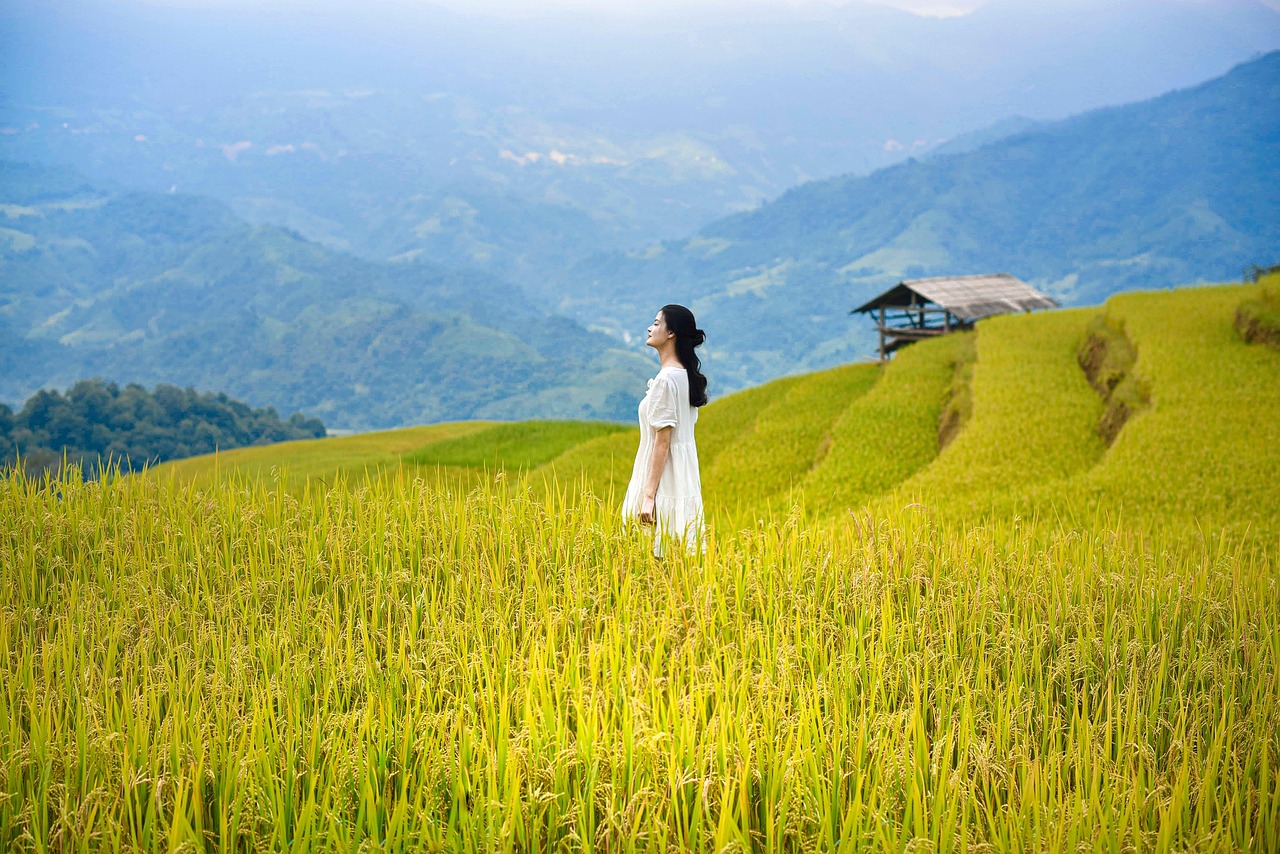
Wei Furen and Su Xiangu are famous female immortals. They made their own choices in life. Wei Furen was wise and strong in a quiet way. She practiced cultivation far from busy places. She liked being alone and finding peace inside herself. Her story shows women can be strong by working on themselves. Su Xiangu was also a well-known immortal. She loved adventure and traveled to learn new things. She shared what she learned with others. Both woman did not follow the old rules. They did not let society stop them. They believed in the goddess spirit inside. They proved women can control their own lives.
These immortals had special ways of cultivation. Wei Furen liked to meditate and be close to nature. Su Xiangu wanted to learn about the world and tried new things. Their stories help women today trust their own ideas. They show that women can grow spiritually. They remind us that anyone can reach immortality if they are brave and dream big.
Queen Mother of the West
The Queen Mother of the West, called Xiwangmu, is a key figure in Taoist stories. She is a strong goddess who lives on Kunlun Mountain. Her story started before Taoism, even in the Shang dynasty. She is like a weaver who keeps the universe together. She knows the secrets of life and death. The Queen Mother of the West has peaches that give eternal life. She gives them to people she likes. She stands for female power, freedom, and wisdom.
Many women have looked up to her for a long time. She shows how life and Earth are connected. In the Tang dynasty, people wrote poems and made art about her. She was shown as a leader with other goddesses around her. The Queen Mother of the West became a helper and teacher for women. She helped women who wanted spiritual power. She is both strong and caring. She shows women can have many sides. She is still a symbol for those who want freedom and honor the goddess.
The Queen Mother of the West shows women can lead and heal. She holds the secret to immortality. Her story tells women to find their own goddess spirit and reach for their best selves.
He Xiangu’s Symbolism
He Xiangu is the only woman among the Eight Immortals. She is known for her pure and kind heart. She often holds a lotus flower. The lotus stands for spiritual growth and health. It grows in mud but blooms above water. This shows women can rise above hard times. He Xiangu also has a peach, which means immortality. Sometimes, she rides a crane, which is another sign of living forever and being free.
He Xiangu’s story is about being kind and helping others. She brings balance to the group with her gentle yin energy. Her caring nature brings peace and health to people. Many women look up to He Xiangu for her freedom. She lived her own way, not following what society expected. She chose to work on her spirit and inner strength, not just her looks or status.
He Xiangu’s legend still inspires women now. Her symbols—the lotus, peach, and crane—remind us of purity and spiritual growth. She proves women can reach immortality by their own actions and by honoring the goddess. Her story tells women to care for themselves and others. She shows there is happiness in the journey to enlightenment.
Today, many writers and thinkers see these female immortals as examples of freedom. Their stories give hope and help to women who want to break old rules and find their own power.
Alchemy and Independence
Inner Alchemy for Women
Taoist alchemy helps women find their own strength and health. In nüdan, female alchemy looks at the special energy and life changes women have. This practice uses things like periods and fertility as creative energy. Women learn to change blood into qi, then qi into spirit, and spirit into nothingness. These steps help women grow stronger inside and reach spiritual goals.
Female alchemy teaches women to focus on energy spots like the Danzhong point. This helps women collect and keep qi, especially during big life changes like menopause. Keeping emotions calm is important too. When women feel peaceful, qi moves well and brings good health. Some meditations, like “beheading the Red Dragon,” help women use energy wisely during their period. Female alchemy respects the goddess in every woman, showing her creative energy is powerful.
Nüdan and female alchemy help women leave old roles behind and focus on themselves. This way, women can find spiritual freedom and be equal.
Self-Cultivation and Solitude
Women use alchemy to take care of their bodies and minds. Taoist practices like meditation, breathing, and gentle movement help women feel strong and calm. Many women say they have more energy, sleep better, and feel less stress after practicing female alchemy. These ways help with periods, boost sexual energy, and support breast and pelvic health.
Self-cultivation gives women time alone to grow. When alone, women can listen to what they need and want. Female alchemy helps women feel close to nature and the universe. This brings happiness and meaning to life. Taoist refinement shows women their lives are full of power and creative energy. Through cultivation, women find equality and learn to trust their own strength.
Taoism vs. Other Traditions
Gender Roles Compared
Taoism see women as important parts of the universe. These traditions value yin, which stands for the feminine, and yang, which stands for the masculine. Both yin and yang work together to keep life in balance. Taoism teaches that gender is not fixed. It changes and flows, just like qi moves through all things. The goddess in taoism shows how women can hold power and wisdom. Taoism uses images like the "mother of the world" to show the strength of the feminine.
Confucianism looks at gender in a different way. It often puts men in charge and gives women less freedom. Confucian texts talk about women staying at home and following strict rules. They see life as a set of steps, with men at the top. Taoism does not agree with this. Instead, it lets women become immortal, practice alchemy, and follow their own path. Buddhism also gives women some freedom, but it does not focus on the goddess or female alchemy as much as Taoism does.
Taoism values Yin (feminine) and Yang (masculine) as equal.
Confucianism often puts men above women in life and society.
Taoism uses goddess images to show the power of women.
Confucianism sets strict roles, while Taoism lets women seek immortality and practice alchemy.
Social Mobility for Women
Women in Taoism find more ways to change their lives. Taoism lets women become immortal through their own work. They use alchemy, nüdan, and female alchemy to grow strong. These practices help women control their qi and reach spiritual goals. The goddess in Taoism shows that women can lead, heal, and teach. In Confucianism, women often stay at home and follow family rules. Their life is about obedience and duty. Taoism breaks these limits. It lets women leave old roles and find new paths.
Buddhism gives women a chance to join nunneries and live outside family life. Some women become leaders in Buddhist groups. Still, Taoism stands out because it honors the goddess and lets women use female alchemy and nüdan to reach immortality. Taoism does not ask women to obey strict rules. Instead, it helps them find their own way to happiness and wisdom. Many women in Taoism become immortal by practicing alchemy and caring for their qi. They show that life can be full of freedom and joy.
Taoism gives women the tools to change their lives. Through alchemy, nüdan, and female alchemy, women can become immortal and honor the goddess within. This makes Taoism a path of hope and strength for women everywhere.
Taoism helps women respect the goddess inside themselves and value sacred life. Old stories about female immortals teach women about alchemy, female alchemy, and nüdan. Women today use these lessons to find balance and peace. Honoring the goddess and sacred women helps women trust who they really are. With alchemy, female alchemy, and the goddess, women find freedom. Nüdan and female alchemy let women shape their lives with special strength. Alchemy and the goddess show women how to live with happiness, wisdom, and new experiences.
Pieces That Carry This Intention
A few pieces from the shop that sit close to what this article is about.


FAQ
Who is the main goddess in Taoism?
The Queen Mother of the West, Xiwangmu, is the highest goddess in Taoism. She rules Kunlun Mountain and keeps the peaches of immortality. Other loved goddesses include Doumu, Mother of the Big Dipper, and Mazu, goddess of the sea.
Are Taoist goddesses the same as female immortals?
Not exactly. A goddess is a deity people worship, like Xiwangmu or Mazu. A female immortal is a woman who earned immortality through practice, like He Xiangu. Many immortals were later honored as goddesses, so the two groups overlap.
What makes Taoism different for women?
Taoism values both yin and yang. It sees women’s energy as powerful and important. Women can lead, heal, and grow in Taoism. This gives them more freedom than in many other traditions.
Can modern women practice Taoist alchemy?
Yes! Many women today use Taoist practices like meditation and breathing. These help with health, stress, and self-confidence. Taoist alchemy is open to anyone who wants to learn.
Who is the most famous female immortal in Taoism?
The Queen Mother of the West stands out as the most famous. She rules over immortals and shares wisdom. Many people see her as a symbol of female power and freedom.
How does Taoism help women break social rules?
Taoism teaches women to trust their own path. Female immortals show that women can live outside old roles. They inspire women to follow their dreams and find their own strength.
Do Taoist stories still inspire women today?
Yes! Many women read about female immortals and feel inspired. These stories encourage women to be brave, wise, and true to themselves.
See Also
Taoism and Its Embrace of Diversity
About This Article
Written by Li Wei. Reviewed by the Taoism & Manifest editorial team.
Sources: This article draws on classical Taoist tradition and the reference sources linked in the text above.
Scope: This article describes Taoist religious tradition, mythology, and historical practice for cultural education. Beliefs and interpretations vary across regions, lineages, and eras.