
Detachment in Taoism: freeing yourself from materialism

You might wonder how detachment in Taoism works in daily life. Taoist teachings show you that balance and harmony matter more than rejecting the world around you.
You learn to let go of clinging to stuff, allowing things to come and go.
Simplicity and contentment guide you toward peace.
Wu Wei helps you act without force, making life feel natural.
If you feel stuck chasing things, Taoism invites you to discover a humble path that feels lighter.
Key Takeaways
Detachment in Taoism means letting go of wanting things. It helps you feel calm and balanced in life.
Practice wu wei by letting your actions happen naturally. This lowers stress and helps you do more without pushing too hard.
Choose simplicity by caring about what is important. Spend time with people you love and enjoy moments. Try not to collect too many things.
Know that everything changes over time. Accepting this helps you enjoy now and worry less.
Thinking carefully can help you see what you really need. Be thankful often and clean your space for a happier mind.
Detachment in Taoism

Taoist View on Materialism
When you look at detachment in Taoism, you see that it’s not about throwing away all your stuff or ignoring your feelings. (To understand the full context, it's helpful to first explore The Core Principles of Taoism.) Taoism teaches you to let go of attachments to things, people, and even your own thoughts. You learn to recognize what you truly need and what just drains your energy.
Taoist philosophy says you should let go of desires and attachments to find harmony.
You can tell the difference between what you need to survive and what you want out of habit.
If you master your desires, you stop letting them control you. This helps you stay calm inside.
Frugality matters in Taoism. You find balance when you avoid excess and live in tune with nature.
Knowing when you have enough is key. For example, you eat until you’re full, not until you can’t move.
You might think detachment means you have to be cold or shut down your emotions. That’s a common mistake. True detachment in Taoism means you understand that everything changes. You don’t cling to things or push them away. You appreciate the present moment and let go when it’s time.
“True detachment is not about shutting down your emotions or denying your desires. It’s about understanding the nature of reality so deeply that you are free from the need to cling or resist.”
Taoist stories show this idea clearly. In Zhuangzi’s tale, Pei Kung She says, “I bid farewell to what goes, I greet what comes.” You learn to accept change and let go of relationships or thoughts that no longer serve you. Imagine a river flowing past you while you hold onto a rock. If you keep clinging, you miss new chances that float by.
“Mastery of the world is achieved by letting things take their natural course. You cannot master the world by changing the natural way.”
— Lao Tzu, Tao Te Ching, 48
Balance in Detachment
Detachment in Taoism is all about balance. You don’t have to reject everything or live like a hermit. Instead, you find a middle path. You avoid extremes and focus on what matters right now.
The sage avoids extremes, excesses, and complacency.
You let go of the illusion of control and accept what you cannot change.
You focus on the process, not just the results. This helps you and your community grow.
Let’s look at a real-life example. Someone tried running several businesses but found it exhausting. The work didn’t match the natural flow of life. When they switched to consulting, things felt easier and more natural. They stopped worrying about deadlines that didn’t matter and paid attention to what was important in the moment.
“The sage avoids extremes, excesses, and complacency.”
— Tao Te Ching, Chapter 29
You might wonder how to practice balanced detachment today. Modern Taoist communities encourage you to live simply and humbly. You focus on experiences and relationships instead of collecting things. By joining small groups that share your interests, you find support and avoid feeling alone. You get to explore life and share moments with others.
You join different communities to connect with people who share your values.
This helps you resist pressure to buy more or chase status.
-
You discover that letting go of ego and material desires brings more joy.
Detachment in Taoism doesn’t mean you stop caring. You learn to see the world as it is, accept change, and let go of what you don’t need. This way, you find peace and balance without giving up the things that matter most.
Foundational Principles
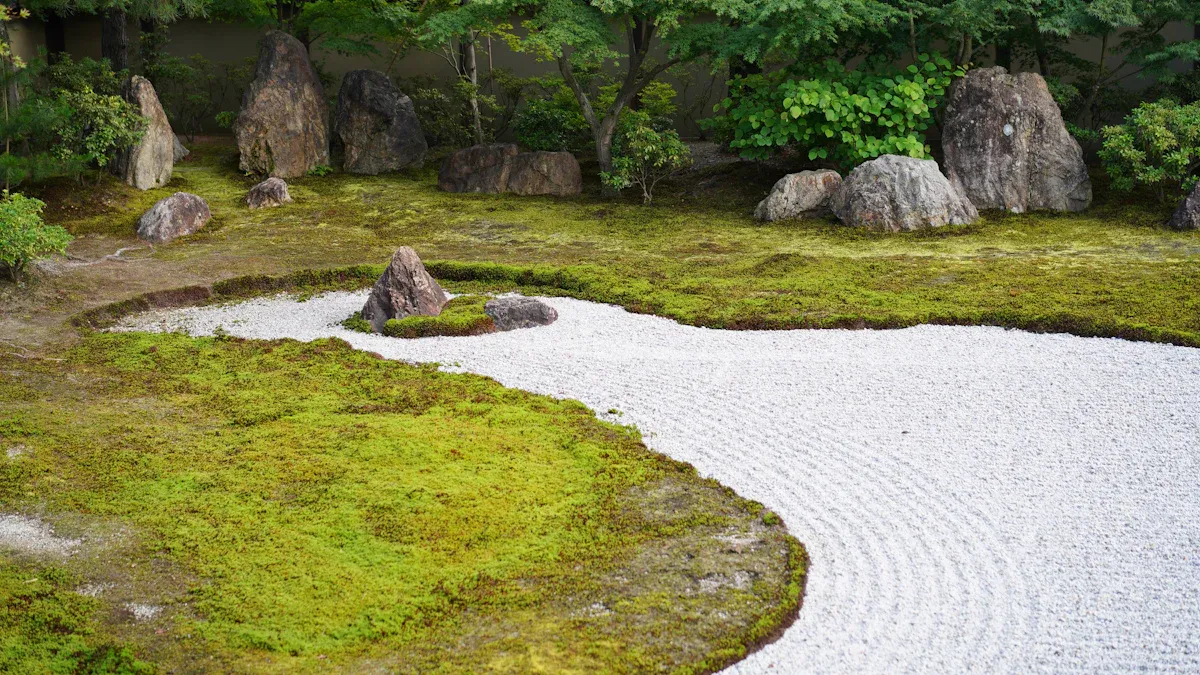
Wu Wei and Letting Go
You might hear the word "Wu Wei" and wonder what it means for your daily life. Wu Wei is about acting without forcing things. You let your actions flow with the natural rhythm of life. When you practice Wu Wei, you stop chasing after stuff you don’t really need. You feel less stress and more peace.
Wu Wei teaches you to act without personal desires. You start to move with the natural flow of the Tao.
This way of living helps you let go of material wants. You find serenity and accept things as they come.
When you work with life’s natural rhythm, you get better results. You don’t push or struggle. You just let things happen.
You can use Wu Wei in small ways every day. Try not to control every detail. Let go of the need to own more things. You might notice that you feel lighter and happier. Taoist philosophy says that balance comes from moving in tune with nature. When you stop clinging to material possessions, you discover a more fulfilling life.
Wu Wei encourages a smoother, less stressful approach to tasks. You let go of the pressure to keep up with others.
By aligning your efforts with the flow of life, you achieve more with less strain.
You learn that letting go of rigid control over things can bring true freedom.
Impermanence
Taoism reminds you that nothing lasts forever. Everything changes, including your possessions and status. When you understand impermanence, you stop holding on so tightly to things. You start to see that real happiness comes from within, not from what you own.
If you overvalue status, you will create contentiousness. If you overvalue possessions, people will begin to steal. Do not display your treasures or people will become envious. The Master leads by emptying people’s minds and filling their bellies; by weakening their ambitions and strengthening their resolve. He helps people lose everything they know, everything they desire, and creates confusion in those that think they know.
Taoist texts like the Tao Te Ching and Chuang-tzu guide you to live simply and focus on spiritual wealth. (For a deeper look into the origin of these ideas, you can read about What is the Tao that can be told and what inspired the Tao Te Ching.) You learn that generosity brings more joy than hoarding. The Tao Te Ching says, “The sage does not hoard; having bestowed all he has on others, he has yet more; having given all he has to others, he is richer still.” When you let go of material things, you find deeper fulfillment. Detachment in Taoism helps you see that holding onto wealth can lead to instability. You find balance by accepting change and living in harmony with the world.
Practical Steps
Simplicity in Daily Life
You might feel overwhelmed by all the things you have to do or own. Taoist teachers suggest that you start by noticing the natural rhythms in your day. Eat when you feel hungry. Work when you have energy. Rest when you feel tired. This simple approach helps you listen to your body and mind.
Spend time outside and watch how nature works. Trees grow slowly. Rivers flow around rocks. You can learn a lot by just observing.
Practice wu wei, which means letting things happen without forcing them. Sometimes, the best solution appears when you stop trying so hard.
Try to flow around problems like water. If you hit an obstacle, look for another way instead of pushing against it.
Embrace compassion, moderation, and humility. These three jewels guide you to live simply and treat others kindly.
If you lead others, help them shine instead of trying to control everything.
Take a moment to relax and enjoy the beauty around you. Life feels lighter when you let things be.
Taoist teachings encourage you to live in harmony with nature and notice the contrasts in life. When you focus on the present, you can simplify your routine and reflect on what really matters. If you want more ideas for living simply, you might enjoy reading Taoism and The Art of Letting Go in Relationships.
When you choose simplicity, you start to see changes in your daily life. Here are some outcomes Taoist practitioners often notice:
Embrace minimalism. You get rid of things you don’t need and focus on what’s important.
Pay attention to the present. You work better and feel more satisfied.
Practice wu wei. You finish tasks more easily and feel less stressed.
Cultivate clarity. Meditation and quiet time help you make better choices.
Humility and Contentment
Humility is a big part of Taoist practice. You learn to let go of pride and ego. When you empty yourself, you become open to new ideas and wisdom. This helps you stay grounded, even when others chase after status or wealth.
Humility also means recognizing your limits. You don’t have to be the best or have the most. Instead, you accept reality and find peace in what you have. True leaders in Taoism serve others and don’t seek praise. They help their communities grow by staying humble.
Wu wei connects to humility, too. When you act without pushing your own will, you move with the flow of life. This gentle approach helps you avoid materialistic habits and keeps you focused on what matters.
Chuang-tzu said, "Amid the exuberance of woods, a bird needs only one branch to build its nest." This shows that happiness doesn’t come from having more things. Lao-tzu warned, "The greatest of woes comes from not knowing contentment; the greatest of faults comes from craving for gains." When you feel content, you stop wanting more and enjoy what you already have.
Mindful Reflection
Mindful reflection helps you notice your thoughts and feelings about material things. Taoist practices make this easy to try at home. Here are some mindfulness techniques you can use:
Mindfulness Technique |
Description |
|---|---|
Breathing awareness |
Focus on your natural breath without trying to control it. |
Body scanning |
Notice physical sensations without judgment. |
Present moment attention |
Observe thoughts and feelings as they come and go. |
Silent sitting |
Spend time in quiet reflection without a specific goal. |
When you use these techniques, you start to see that your happiness doesn’t depend on what you own. You let go of material desires and find emotional balance. Taoist texts remind you that everything changes. By accepting impermanence, you lose the fear of losing things and appreciate what you have right now.
Detachment in Taoism becomes easier when you practice mindful reflection. You learn to let go of possessions and focus on spiritual growth. This brings you freedom and helps you enjoy life as it is.
Benefits of Detachment
Inner Harmony
When you practice detachment, you start to feel calm inside. You stop letting worries and stress control how you feel. Instead, you find balance and peace. Taoist teachings say letting go of attachments helps you follow the natural flow of life. This makes you feel more comfortable with yourself and the world.
Taoist practitioners talk about a deep sense of inner peace. You watch life without getting stuck in every problem. This helps you see things from a bigger view and act wisely. You become calmer and notice your thoughts and feelings more. You also learn to accept things as they are. This makes it easier to deal with hard times.
Studies show that detaching from work can help you feel better. It leads to less negative feelings and more positive ones, especially after a tough day. If you don’t detach, you might feel worse later. This proves that detachment is important for inner harmony.
You can see this in daily life. When you let go of stress from school or work, you feel lighter. You sleep better and enjoy your time more. You also become kinder to yourself and others.
Freedom from Suffering
Detachment helps you break free from suffering. When you stop chasing things or worrying about losing them, you feel more free. Taoist stories teach that chasing fame and wealth distracts you from what matters. You can live in the present and enjoy each moment.
Zhuangzi says chasing fame and wealth distracts you from the Tao.
Detachment helps you enjoy the present moment.
The zhenren moves through life without heavy worries, finding grace.
You might notice suffering comes from wanting things to be different. When you let go of these wants, you find peace. Taoist wisdom says letting go of desires and expectations brings true enlightenment. You learn that nothing outside yourself controls your happiness.
Taoist teachings show that going with the flow of life lowers anxiety and stress. You face challenges with a calm mind. This makes your relationships stronger and your mind more steady. By practicing detachment, you find a new kind of freedom that comes from inside you.
You discover real peace when you let go of chasing things. Taoist wisdom shows that wealth does not bring happiness. Instead, you find clarity by living simply and flowing with life.
You feel less anxious when you stop striving for more.
Your mind becomes calm as you align your actions with what matters.
Try these steps to help you detach from materialism:
Practice mindfulness each day.
Write down what you feel grateful for.
Declutter your space and your mind.
Reflect on what you truly need. You might find balance and joy in the present moment.
Pieces That Carry This Intention
A few pieces from the shop that sit close to what this article is about.


FAQ
What does detachment in Taoism really mean?
You learn to let go of things, thoughts, and even worries. Detachment in Taoism helps you enjoy life without feeling trapped by stuff or stress. You find peace by accepting change and living simply.
Do I have to give up all my belongings to practice Taoism?
No, you do not need to throw everything away. Taoism teaches you to keep what you need and let go of what weighs you down. You focus on balance, not strict rules.
How can I start practicing detachment in Taoism at home?
Start small. Try cleaning your room or giving away things you do not use. Spend time outside and notice how nature changes. Practice being thankful for what you have right now.
Will detachment in Taoism make me less caring about people?
Not at all! You still care about others. You just stop clinging or worrying too much. This helps you support friends and family with a calm and open heart.
See Also
Taoism and The Art of Letting Go in Relationships
What is the Tao that can be told and what inspired the Tao Te Ching.