
Burnout is Unnatural: Realigning Your Pace with the Tao

Burnout is unnatural. Many people experience burnout, but it does not reflect who they truly are. Studies indicate that about 25% of workers feel burnout, and by 2025, that number rose to 66%. Experts suggest that burnout stems from a profound tiredness that arises from not living authentically. It signifies a need to align your life with natural rhythms. By observing their energy levels, individuals can see how their choices impact their well-being. When someone feels fatigued, their energy diminishes, indicating a need for change. Conversely, energy increases when they embrace their true selves. Energy flows more freely when life operates at a natural pace. Small adjustments in habits can help maintain strong energy levels. Understanding energy dynamics empowers individuals to find balance.
Key Takeaways
Burnout means you are not living as your true self. Notice when you feel tired and change things to match your natural pace.
Watch your energy every day. Write down when you feel awake. Do important work when you have the most energy. This helps you get more done.
Use Taoist ideas like effortless action in your life. Try to do things simply and without force. This lowers stress and helps you feel better.
Balance work and rest by matching jobs to your energy. Do hard work when you feel strong. Take breaks when you feel weak.
Make good habits slowly. Small changes you do often will help your energy and health for a long time.
Burnout is Unnatural

Modern Life and Disconnection
Burnout is not natural. People today often feel cut off from themselves and others. Many rush through life and forget their own needs. Always trying to do more can take away time for friends and fun. Even though we use digital devices, people feel more alone. Online chats do not feel as deep as talking in person. This makes people feel even lonelier. Money problems and caring for others add more stress. These things make burnout happen more often. Feeling alone and cut off also makes burnout worse. All these reasons show that burnout does not match who we really are.
Living too fast can make people tired and burned out.
Trying to be productive can hide what we really need.
More people feel alone and cut off from others.
Money and caring for others make burnout worse.
Feeling alone brings stress that is not natural.
Stress that lasts a long time hurts the body and mind. It can make muscles tight and cause headaches. It can also make it hard to breathe. Stress keeps the brain on high alert. This makes people tired and unable to sleep well. People with burnout have trouble planning and doing tasks. Burnout is not natural because it upsets the body’s normal balance.
Why Traditional Time Management Fails
Many people think time management can stop burnout. But strict time rules do not work when things change. Schedules that are too tight do not let people handle surprises. These plans do not value breaks, which help people keep working well. Burnout is not natural because it comes from ignoring the need for rest and change.
Strict time rules do not fit changing work needs.
Tight schedules make it hard to handle new things.
Old time plans do not value taking breaks.
Burnout is not just from working long hours.
Taking breaks may not help if bigger problems stay.
A good work culture helps stop burnout. Some work cultures push people to work too long. This can make people feel more stress. The 996 work style, with very long hours, causes more burnout. These facts show we need a new way. Taoist ideas can help people live with nature’s flow. Burnout is not natural, and people can feel better by choosing balance and flexibility.
Taoist Wisdom for Balance
Wu Wei and Effortless Action
Wu Wei is a main idea in Taoism. It means acting with the the way, not pushing too hard. Wu Wei teaches people to live with less struggle. When people follow effortless action, their energy matches the the way’s flow. This brings calm and lowers stress. Wu Wei asks people to be mindful and keep things simple. People who use effortless action do not try to control everything. They pay attention to what matters most and wait when action is not needed. Wu Wei helps people save their energy. Studies show that mindfulness and effortless action lower stress and help mental health. Wu Wei helps people face problems with a clear and calm mind. Taoism values simple and easy actions. Wu Wei leads to a calmer life and helps keep balance.
Wu Wei tells us that the the way helps those who go with its flow, not against it.
(To explore about more about Wu Wei, see Taoist Approach to Effortless Living Through Wu Wei.)
Yin and Yang in Daily Life
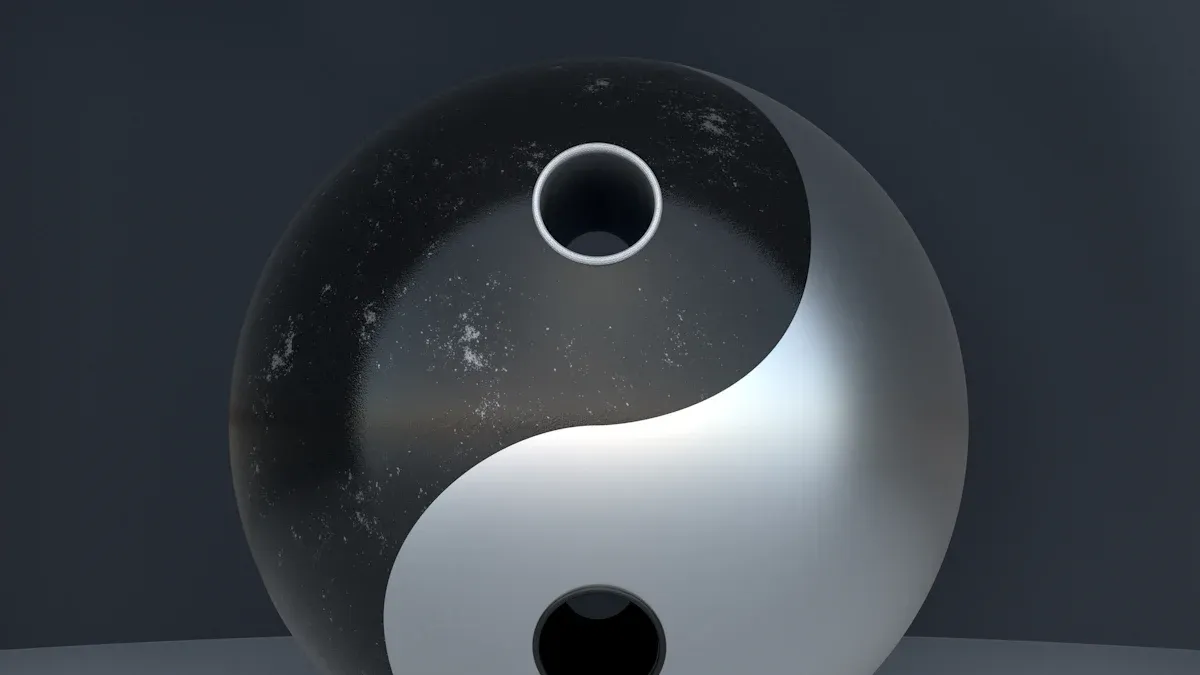
Yin and yang show why balance is needed every day. Work, exercise, and being with friends use yang energy. Rest, sleep, and quiet time use yin energy. People need both kinds of energy to stay healthy. Running and lifting weights are yang. Yoga, stretching, and meditation are yin. Eating yin foods like cucumber and yang foods like ginger keeps energy balanced. Too much yang makes people tired. Too much yin makes people feel slow. The the way teaches that balance between yin and yang helps people feel well. Taoism sees energy as a cycle. Simple daily habits help keep this cycle going. Choosing simple activities helps bring back energy and peace.
(If you're interested in yin and yang balance, check out Understanding What Yin and Yang Is in Everyday Life.)
Taoism and Manifest’s Approach
Taoism and Manifest share the the way’s wisdom with lessons and tools. They use effortless action and yin and yang to help people find balance. Taoism and Manifest suggest mindful breathing, being in nature, and thinking quietly. These habits help keep energy strong and life simple. Taoism teaches that health is a mix of action and rest. Taoism and Manifest give people tools that respect the the way and help them live simply. Over time, these habits bring more energy, clear thinking, and peace.
Understanding Your Energy
Observing Energy Patterns
People can learn by watching their energy each day. Everyone has their own energy cycles. Some feel awake in the morning. Others have more energy later in the day. Tracking these patterns helps people make good choices. They can see when they feel alert or need to rest. This helps them use their time better.
A simple table can help people see their energy patterns:
Method |
Description |
|---|---|
Spotting Power Hours |
Find when you work best and do hard tasks then. |
Recording Energy Levels |
Write down your energy during the day to see patterns. |
Scheduling Tasks |
Do hard work when you have the most energy. Do easy work when you feel tired. |
Taking Breaks |
Take short breaks to get your energy back. |
Monitoring Activities |
Notice which things make you feel good or tired. |
Journaling helps people think about their energy. Writing about feelings shows when energy goes up or down. Guided reflection, nature walks, and mindful pauses help too. These habits let people see how energy changes with different things. Mindfulness helps people notice their bodies and feelings. This focus can change energy and stop tiredness. People can take planned or natural breaks to rest. These breaks help health and make choices easier.
Recognizing Overexertion
Overexertion happens when people use too much energy. Early signs are pain, tiredness, and hard breathing. People may feel heavy, confused, or get sick a lot. These signs mean the body and mind need rest. The table below lists common signs of overexertion:
Sign of Overexertion |
Description |
|---|---|
Pain |
Sharp, achy, burning, tingling, throbbing, or pinching feelings. Stop and rest if you feel pain. |
Overuse Injury |
Happens slowly; signs are pain, tingling, numbness, stiffness, and weakness. |
Fatigue |
Body feels heavy and slow. Mind feels foggy. |
Increased Injuries/Sickness |
Hard to heal and get sick more often. Take breaks to get better. |
Difficulty Breathing |
Slow down and breathe deeply to get more air. |
People who see these signs should rest and change what they do. They can use their feelings to decide what is best for their energy. Watching energy and acting early keeps people healthy. This helps people live a balanced life.
Balance of Work and Rest
Prioritizing with Taoist Principles
Taoist wisdom says balancing work and rest is important for health. People can use Taoist ideas to pick what matters most. They should check their energy and match tasks to how they feel. When energy is high, do hard or important work. When energy is low, do easy tasks or take a break. This helps stop burnout and keeps the mind clear.
Energy State |
Best Activities |
Timing |
|---|---|---|
High to Medium |
Complex Projects & Routine Tasks |
During energy peaks |
Low Energy |
Simple Activities |
During natural rest times |
Tracking energy patterns helps people match work to their natural cycles. They can pick three to five main tasks each day. This brings more balance and lowers stress. Taoism says doing things you enjoy can give back energy and help you focus.
Research shows that resting helps people focus and make good choices. Workplaces that support rest see better work and happier people. Enough rest helps people think and be creative. Not sleeping enough causes burnout and mistakes. Taoist teachings say balance means working smart, not just working less.
Single-Tasking for Harmony
Single-tasking means doing one thing at a time. Taoism likes this because it fits the natural flow of energy. Focusing on one task helps people do better and feel less stress. Doing many things at once can cause mistakes and lower creativity.
Studies show multitasking makes people less productive and more likely to make mistakes. It also lowers creativity. Single-tasking helps people focus and work better. Science says the brain cannot do many hard tasks at once. Switching tasks causes mistakes and wastes time. Productivity can drop by up to 40%.
Taoist ideas say less effort can bring better results. People who single-task feel calm and balanced. They connect with their work in a real way. Yin and yang shows work and rest are both needed. One should not take over the other. Focusing on one thing helps people find balance and avoid burnout.
Building Sustainable Habits
Building Taoist habits takes time and patience. Small changes work better than big ones. Science says slow habit changes are easier to keep. Doing things often makes new habits stick. It takes about 66 days to build a new habit.
People can use simple ways to build good habits:
Games and rewards make new habits fun.
Reminders and charts help people remember their goals.
Good nudges should be easy, nice, social, and timely.
People should do something fun every day. This keeps them motivated and helps balance work and rest. Support from family and friends is important. Working together lowers stress. Being part of a group gives help and makes balance easier.
Taoism and Manifest give tools to help people change. Their lessons focus on building energy and balancing yin and yang. They teach people to match daily actions to natural rhythms. Things like mindful breathing and gentle movement help people find balance.
People who use Taoist ideas often see that less effort brings better results. Mindfulness and balance become part of life. Over time, these habits help people feel better and keep a good balance between work and rest.
Burnout shows that life is not matching natural rhythms. Taoist ideas help people find balance and feel better. Studies show that living with nature helps people in many ways:
Key Takeaway |
Description |
|---|---|
Connection with Nature |
Spending time outside helps people feel better and less stressed. |
Alignment with Natural Rhythms |
Following nature’s cycles helps people sleep well, feel happier, and have less stress. |
Resilience and Healing |
Nature’s patterns help people become stronger and feel calm inside. |
People who have friends that support them can make changes that last. Taking small steps, like making simple goals, helps keep new habits. Many people stop, call a friend, and spend time with people who help them grow. Living with nature’s rhythms helps people feel calm and think clearly.
Pieces That Carry This Intention
For the working hours, when the practice has to survive a calendar.


FAQ
What is burnout according to Taoism?
Burnout means a person’s energy does not match natural rhythms. Taoism teaches that burnout signals a need for balance. People can restore harmony by following the flow of the the way.
What does Wu Wei mean for daily life?
Wu Wei means acting with ease and not forcing things. People practice Wu Wei by choosing simple actions. They let go of control and trust the natural flow.
What are yin and yang energies?
Yin and yang are two types of energy. Yin is quiet and restful. Yang is active and lively. People need both to stay healthy. Taoism teaches balance between these energies.
What can someone do to prevent burnout?
People can watch their energy patterns. They can take breaks and rest when needed. Taoism and Manifest suggest mindful breathing, spending time in nature, and single-tasking.