
Ancient Taoist meditation for inner peace
Have you seen how many people use meditation to feel calm and clear? Look at these numbers:
Country Name |
Practising Population |
|---|---|
United States |
|
India |
80 Million |
China |
12.1 Million |
Germany |
10.9 Million |
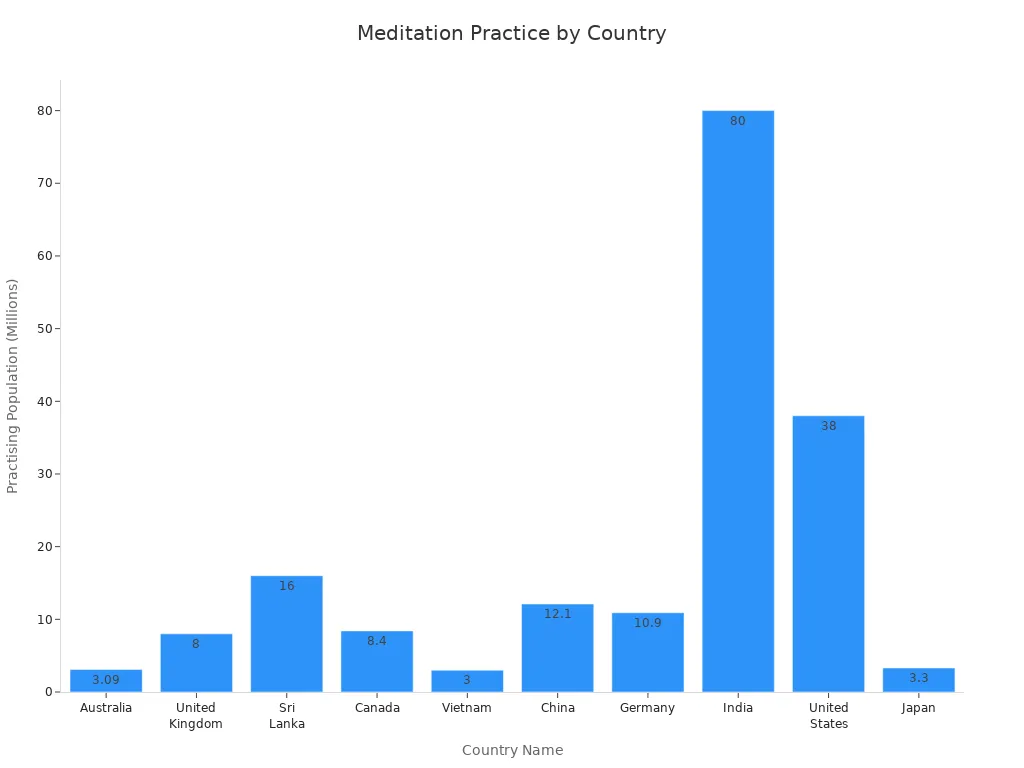
Many people want peace in their busy lives. You may ask if Taoist meditation can help you. > Studies say Taoist meditation makes you more aware of yourself. It helps you find inner peace. It also lowers stress and anxiety.
Key Takeaways
Taoist meditation helps you feel calm inside. It teaches you to accept life and find balance.
Doing things like the Inner Smile and Breathing Meditation can help you feel less stressed. These practices also help you control your feelings better.
Learning to let go of control is important. Accepting change helps you feel peaceful and okay with life.
You can start with just five minutes of meditation each day. This small step can make your mind feel much better.
Taoist meditation helps you feel close to your body and nature. It makes you feel like you belong and helps you stay calm.
Taoist Meditation for Inner Peace
Philosophy and Principles
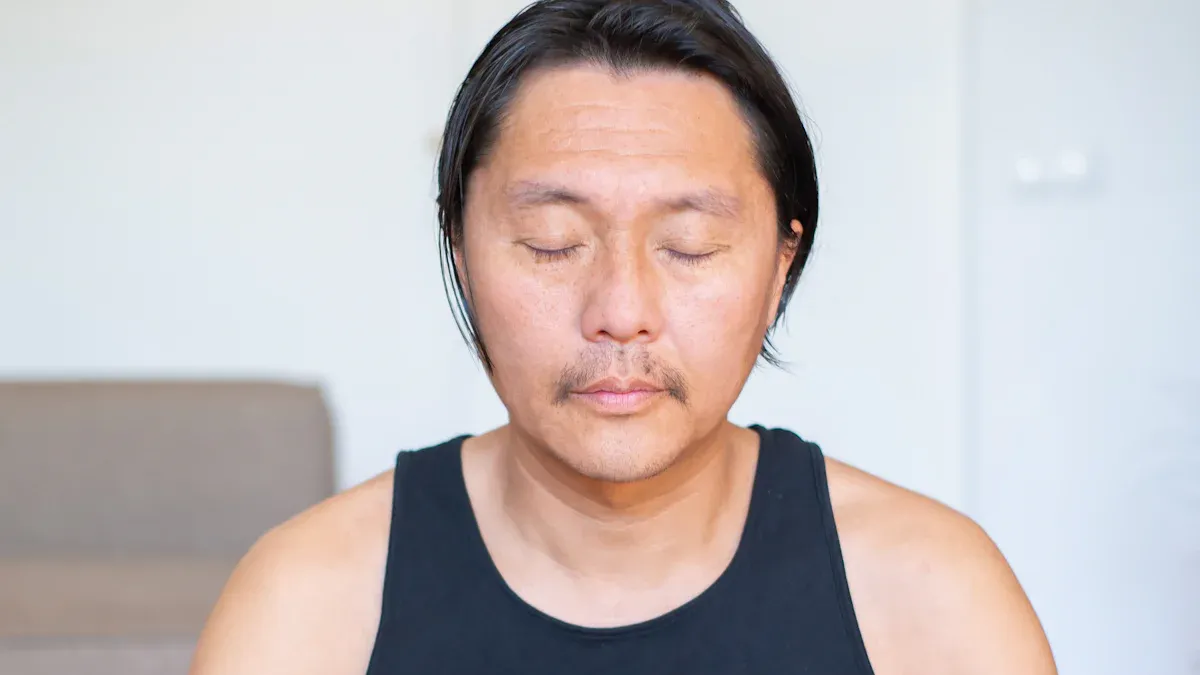
You may ask how Taoist meditation brings inner peace. The main idea is harmony. Taoist meditation teaches you to go with life’s flow. You do not fight against it. When you sit still, your thoughts slow down. You start to feel calm inside. Old books like the Laozi and Zhuangzi say serenity is important. Taoist meditation changed over time. It now helps you watch your mind and body. This leads to deep peace and understanding.
Here are some main ideas from old Taoist books:
Principle |
Description |
|---|---|
Harmony with Nature |
Live in balance with the world around you. |
Wu Wei |
Practice effortless action, letting things happen naturally. |
Simplicity |
Keep life simple and spontaneous to feel more peaceful. |
Taoist meditation is special because it links body and spirit. You learn you are part of the universe. You are not alone or separate. The practice cares about health and long life. It is not only about enlightenment. Taoists think your body is like the universe. Meditation helps you feel this connection.
Letting Go and Harmony
Letting go is very important in Taoist meditation. You stop trying to control everything. You trust life’s natural flow. Taoist teachings say you should:
Accept the Tao by welcoming change and letting go of attachments.
Practice Wu Wei, acting in harmony without forcing things.
Make room for new chances by letting go of old things.
When you let go, you stop fighting life. You begin to feel peace and acceptance. Taoist meditation helps you surrender to life’s rhythms. This brings balance and harmony.
Taoist meditation asks you to join the dance of life. You become part of something greater. Inner peace comes to you.
Taoist Meditation Techniques
Inner Smile Practice
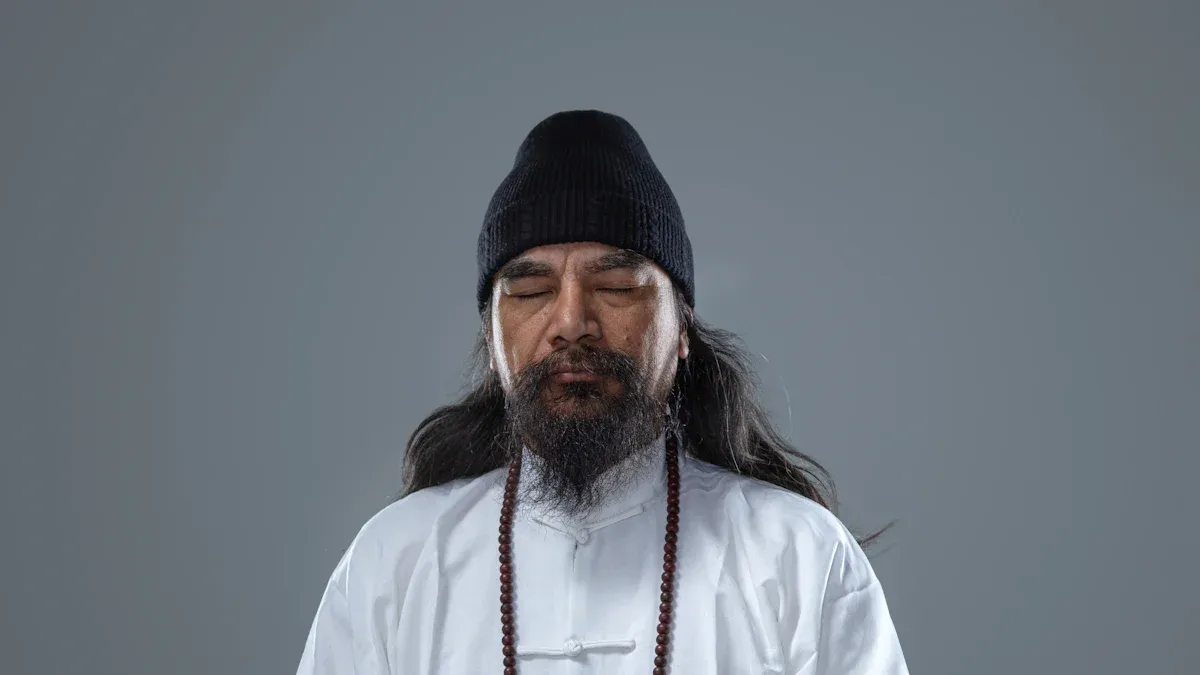
You may want to feel better inside. The Inner Smile Practice is a Taoist meditation that helps with this. You sit still and close your eyes. Imagine a gentle smile starts in your heart. The smile spreads through your whole body. You send kindness to your organs and your mind. You even send kindness to your thoughts. This practice teaches you to care for yourself. It helps you feel happier and more calm.
Here are some things people notice when they use the Inner Smile Practice:
It melts away bad thoughts and habits instead of fighting them.
You learn to care for yourself and others.
It helps you relax and feel less worried.
You notice your body and feelings more.
It can start your parasympathetic nervous system, which calms you down.
You may feel blockages of Qi go away, making you feel lighter.
It helps ease tightness in your body and mind.
You become more sensitive and aware.
It helps you heal yourself and change bad feelings into good ones.
Scientists have looked at how this practice works in your body. When you focus on your heart and smile, you teach your brain to notice your feelings and body signals. This is called interoceptive awareness. You might use gentle sounds as you breathe out. These sounds make vibrations that help your body relax. The vibrations can help your heart rate and make you feel peaceful. Some studies show this practice can raise vagal nerve activity. This lowers stress and helps your body handle problems better.
Breathing Meditation
Breathing meditation is another Taoist meditation technique. You pay attention to your breath and let it flow naturally. You do not force your breath. You notice how your body feels as you breathe in and out. This helps you stay calm and present.
Let’s see how breathing meditation affects your body:
When you breathe in, your heart beats faster because your sympathetic nervous system gets active.
When you breathe out, your heart slows down as your parasympathetic nervous system takes over.
Slow and deep breathing raises your heart rate variability (HRV), which means your body can handle stress better.
High HRV is linked to better health and feelings.
Here’s a table that shows what happens during Taoist breathing meditation:
Evidence |
Description |
|---|---|
Modulation of Breath Rate |
Your breath changes in speed and depth, showing your nervous system is adjusting. |
Heart Rate Variability (HRV) |
High HRV means you feel better in your mind and body. |
Vagal Tone |
Deep breathing boosts vagal tone, which helps you relax and feel balanced. |
Taoist breathing meditation is different from other breathwork practices. It focuses on balancing your energy and calming your mind over time. It does not just give quick stress relief. Here’s a comparison:
Aspect |
Taoist Breathing Meditation |
Other Breathwork Practices |
|---|---|---|
Stress Reduction |
Modest but real drops in stress and anxiety |
Focus on fast physical and mental effects |
Emotional Stability |
Balances yin and yang energies, helping emotional stability |
May not focus on long-term emotional benefits |
Approach |
Focuses on breath awareness and Wu Wei for easy action |
Often focuses on quick stress relief |
Activation of Nervous System |
Activates the parasympathetic nervous system, lowering stress hormones |
Depends on technique, may not focus on this aspect |
Tip: Try breathing slowly and deeply for a few minutes each day. Notice how your body feels. You may start to feel calmer and more balanced.
Many studies show Taoist meditation techniques change your brain activity. People who use these methods have more theta and alpha waves in their brains. These waves are linked to relaxation and focus. In one study, 25 people practiced Taoist meditation for 8 weeks. They had better stress levels and more balanced nervous system responses than those who did not meditate.
You can find these techniques in old Taoist books. Books like the "Treatise on Sitting Forgetting" and "Taiji Alchemy Secrets" explain how to use breath and inner focus to reach harmony. Today, people mix Taoist meditation with mindfulness. They use it in gyms, therapy, and even at work. This makes it easier for you to use these practices in your busy life.
Benefits of Practice
Emotional Balance
When you start Taoist meditation, your feelings may get calmer. Many people say this practice helps them deal with emotions. You learn to notice your feelings and accept them. You let your feelings come and go. This gives you space inside for healing. You start to understand yourself better. If you take time to think, you can control your reactions. Your feelings do not control you.
Researchers have found these practices really help. Here are some facts:
A review of 37 studies showed Tai Chi lowers depression and anxiety.
Another review found Tai Chi helps people with depression and anxiety.
Qigong also helps lower depression.
Tai Chi can help with anxiety, depression, and stress from trauma.
People who do Tai Chi sleep better and handle stress more easily.
You may wonder how Taoist meditation makes you stronger. The philosophy teaches you to accept life and find balance. It tells you to be kind. When you follow the Tao and practice Wu Wei you feel more peaceful. You feel steady. Letting go of worry helps you relax. You enjoy life even when things are hard. To learn more, read What is Taoism.
Wisdom and Modern Insights
You may be surprised that science supports Taoist meditation. Many techniques, like breathing and visualization, help you relax. They help you stay mindful. These ideas match what psychologists say about balancing your mind and body.
Brain research shows meditation changes your brain, like learning a skill.
Studies found long-term meditators have more gray matter in areas for attention and emotion.
Meditation can change how your brain handles memory, focus, and feelings.
Recent studies show meditation can change your brain’s structure and how it works. This is like what happens when you learn new skills. For example, a study by Sara W. Lazar and her team found long-term meditators had more gray matter in certain brain areas. These areas, like the insula and prefrontal cortices, are active during meditation.
You can see ancient wisdom and modern science agree. Watching your thoughts without holding on helps you grow. If you want to learn more, check out What is Taoism.
Getting Started
Tips for Beginners
Starting Taoist meditation can feel simple if you know where to begin. You do not need fancy tools or a special place. Experts say you should stop trying so hard. Just sit and let things happen. This follows the Taoist idea of Wu Wei, which means effortless action. Try meditating at different times. Early morning or late at night works best, especially between 11 pm and 6 am. You might notice your mind feels calmer during these hours.
Here are some easy ways to get started:
Stop Trying to Meditate: Let go of effort and relax.
Pick a Quiet Spot: Choose a place without technology. This helps you notice your body’s energy.
Skip Guided Meditations: Try to meditate on your own. This builds your focus.
Start Small: Begin with five minutes of breathing each day.
Practice Sitting and Forgetting: Sit quietly and let thoughts pass.
Add Balance Rituals: Try simple morning or evening routines.
Tip: Research shows even five to ten minutes of daily meditation can lower stress. Consistency matters more than length.
You can also practice mindful breathing or reflect on Taoist teachings.
For those who find it helpful to use a physical object to maintain focus, our guide on How to Use a Taoist Prayer Bracelet for Meditation offers practical steps. If you want to learn more about Taoist ideas, explore What is Taoism.
Overcoming Challenges
You may face some obstacles when you start. Many beginners get distracted because meditation feels quiet compared to busy life. Sitting for a long time can make your body feel uncomfortable. Some people expect quick results and feel disappointed when changes take time.
Here are ways to handle common challenges:
Notice desire and balance it to stay focused.
If you feel aversion, try to bring joy and compassion into your practice.
Too much energy? Use calming techniques like slow breathing.
Too little energy? Try gentle movement or stretching before you meditate.
Doubt can creep in. Keep practicing to build confidence.
Remember, you do not need to be perfect. Every session helps you grow.
For more ideas on daily routines and Taoist principles, check out the article What is Taoism.
You can make real changes with Taoist meditation. Many people see good results:
You might slow down memory loss as you age and feel steadier.
Experts say your health, balance, and focus can get better, especially when you are older.
People who practice often say they feel more patient and calm. Some even say they heal from health problems.
Take time to try these old practices. You could find new peace and clear thinking in your life. 😊
Pieces That Carry This Intention
Beads meant to be handled while you practice, not just worn.


FAQ
What is the best time to practice Taoist meditation?
You can meditate early in the morning or late at night. Many people feel calm between 11 pm and 6 am. Try different times and see what works for you.
Do I need special tools or a teacher?
You do not need fancy tools. You can start on your own. If you want deeper guidance, you may look for a teacher or join a group. For more on Taoist basics, explore What is Taoism.
How long does it take to feel results?
You might notice changes in a few weeks if you practice daily. Some people feel calmer after just a few sessions. Stay patient and keep going.
Can Taoist meditation help with stress and anxiety?
Yes, Taoist meditation can lower stress and anxiety. You learn to let go and relax. Many studies show these practices help people feel better. To see how Taoist ideas support mental health, check out What is Taoism.
Is Taoist meditation different from other types?
Taoist meditation focuses on harmony and letting go. You connect with nature and your body’s energy. Other styles may use strict rules or guided steps. Taoist methods feel gentle and natural.