
Ancestors and Ghosts: The Taoist View on Spirit Realms

The Taoist view says ancestors and ghosts still affect the living. In Taoism, ancestors are honored as important spirits. They keep a close bond with their families. Ghosts are different in the Taoist view. Ghosts are spirits that wander or cannot rest. They can cause problems in people’s lives. Many people in China follow parts of the Taoist view. Experts think about 80% of people believe in folk religion. Folk religion includes ancestor worship and ideas about ghosts.
About half of the people join in religious activities often.
Almost 14% say they are atheist.
Learning about the Taoist view helps people see how Taoism shapes daily life and beliefs.
Key Takeaways
Taoism says ancestors are important spirits. They help and protect their families. Doing rituals for them makes families closer.
Ghosts in Taoism are spirits who have not finished their tasks. They can bother people, so rituals help them rest.
The spirit world connects to our daily lives. If we respect nature and spirits, life is more peaceful and balanced.
Taking part in festivals like the Hungry Ghost Festival helps families remember those who died. It also brings people together and teaches kindness.
Taoist ethics teach us to live carefully and respect all living things. We should show care for both people and spirits every day.
Taoist View of Spirit Realms
Structure of the Spirit Realms
Taoist cosmology says the spirit world is huge and has many layers. Each layer has its own job and different spirits live there. Taoist books split the spirit world into main realms. The table below lists some important parts of the spirit world:
Level/Division |
Description |
|---|---|
Grand Veil (Daluo) |
The highest celestial domain, central to the thirty-two heavens of Lingbao and the Shangqing system. |
Three Clarities (Sanqing) |
Represents both the three highest deities and the heavens they inhabit, forming a classic Taoist model. |
Heavens of the Seed People |
Four heavens for those who survive beyond the current cosmic cycle. |
Heavens of Formlessness |
Eighteen heavens representing a state beyond form. |
Heavens of Form |
Six heavens associated with physical existence. |
Heavens of Desire |
The lowest level, consisting of six heavens related to desires. |
Shenxiao Cosmography |
A later system placing the Divine Empyrean at the center of nine celestial realms. |
The spirit world also uses something called the Three Realms. These are the Heaven Realm, the Mortal Realm, and the Earth Realm. The Heaven Realm is where strong spirits and deities live. The Mortal Realm is where people live and meet spirits. The Earth Realm has the netherworld, where dead spirits might stay.
Taoist teachings say the spirit world is close to daily life. The spirit world links to people through energy and spirits. The Northern Dipper is in the middle of the universe and sends energy to all realms. Yin and Yang, the Five Agents, and the Eight Trigrams help keep the spirit world balanced.
In Taoism, the spirit world is alive. Every spirit has a job and a place. The spirit world affects people, nature, and even the seasons.
Spirits and the Balance of Nature
Spirits in Taoism are ancestors, nature spirits, and other beings. The spirit world is full of these spirits, and each one helps keep things balanced. Taoist beliefs say the spirit world and people must work together. When people honor the spirit world, the land stays healthy and life grows.
Taoism teaches that people and nature should be united. This means people should live in peace with the spirit world. Many old Chinese customs, like honoring spirits and caring for the land, come from this idea. The spirit world helps people protect nature and use resources wisely. Spirits of the land, water, and sky all help keep things in balance.
The spirit world teaches people to respect all life.
Spirits remind people to be kind and careful.
The spirit world helps people live in a way that protects nature.
The spirit world in Taoism is not just for the dead. It is a living network of spirits that connects everything. Every spirit, from ancestors to nature spirits, has a job. The spirit world teaches people to value life, care for the earth, and look for harmony in everything they do.
Ancestors in Taoism
Role and Significance of Ancestors
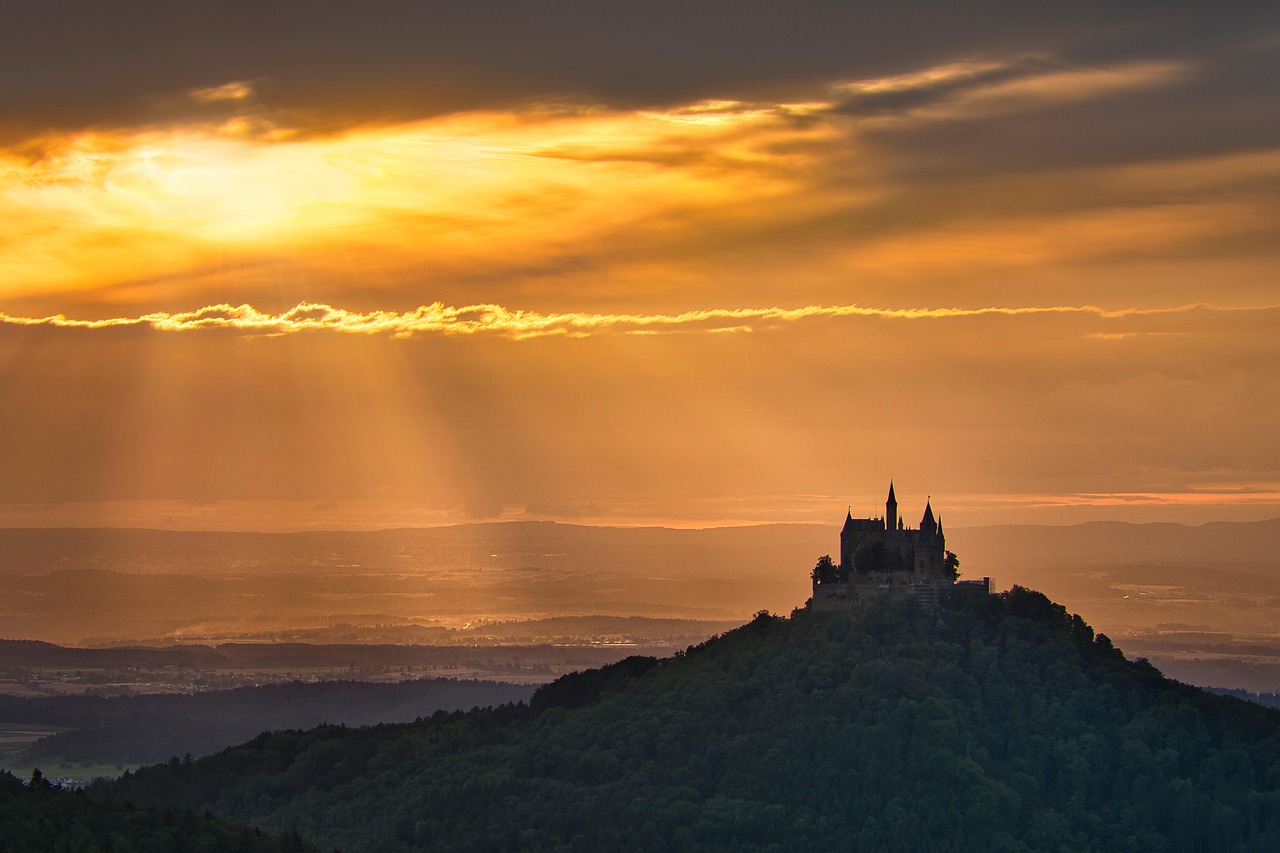
Ancestors are very important in Taoism. Taoist teachings say ancestors turn into strong spirits after they die. These spirits keep who they are and still care for their families. Many Taoists think ancestors are like gods who watch over people. Ancestors can help, protect, and bless their family members. They also help families stay close and strong.
Taoist cosmology says ancestors are part of a big spirit world. Ancestors join other spirits and gods there. They do not lose their link to the living. Instead, they become part of a spirit network that connects families, groups, and nature. Ancestors have important jobs in the spirit world and in daily life.
Ancestors watch over their families.
They send messages between people and the gods.
Ancestors help keep family customs alive.
They give advice and support when things are hard.
Taoist rituals often honor ancestors from a town or city. The Grand Master leads these special events. He calls on the spirits of ancestors and burns incense. This makes the place clean and holy. Helpers assist with the ceremony. They make the event special for everyone. The idea of the soul joining gods and ancestors is a big part of these rituals.
Taoism and confucianism share some beliefs. Both teach people to respect their ancestors. Confucianism focuses a lot on family and ancestor worship. Taoism adds that ancestors join the spirit world and help keep nature balanced.
Ancestral Veneration Practices
Honoring ancestors is a main part of Taoist life. People show respect through rituals, gifts, and prayers. These actions keep the bond between the living and the dead strong. Taoist families often ask ancestors for help with daily problems. They believe ancestors can bring good luck and take away bad luck.
Many Taoist groups hold ceremonies for many ancestors at once. People give food, incense, and paper money as gifts. They pray for help, health, and peace. Some Taoists use these rituals to say sorry for past mistakes. They hope to fix their wrongs and start again.
Taoist families follow a yearly schedule for honoring ancestors. The table below lists the main ceremonies and their times:
Ceremony |
Frequency per Year |
Key Dates |
|---|---|---|
Qingming Festival |
At least 1 |
April (Tomb-Sweeping Day) |
Hungry Ghost Day |
At least 1 |
August |
Death Anniversaries |
Varies |
Lunar date of passing |
Double Ninth Festival |
At least 1 |
Ninth day of ninth lunar month |
Families visit ancestor graves at least two times a year. They clean the graves, give food, and burn incense. The biggest ceremonies are Qingming Festival in April and Hungry Ghost Day in August. Families also remember ancestors on death days and during the Double Ninth Festival.
Honoring ancestors brings families together. It helps people remember where they come from and respect those before them. Taoist rituals teach people to respect ancestors and the spirit world. These actions help keep families and communities strong.
Taoism and Confucianism both value ancestor worship. Taoism adds that ancestors are active spirits who help keep the world balanced. Ancestors are not just memories. They are living spirits who guide, protect, and inspire people.
Ghosts and Chinese Ghosts
Definition and Types of Ghosts
Ghosts are important in Taoist beliefs and Chinese stories. Taoist books say ghosts are spirits moving between heaven and earth. These spirits come from people who have died. Ancestors stay close to their families, but ghosts do not. Many ghosts wander because they have unfinished tasks or strong feelings. Some ghosts cannot rest after dying. They might bother people who are alive.
Ghosts and spirits move between heaven and earth.
Taoist teachings separate ancestors from ghosts. Ancestors are honored family members. People show respect to them. Ghosts are often feared. They might bring bad luck. The table below shows how ancestors and ghosts are different:
Aspect |
Ancestors |
Ghosts |
|---|---|---|
Nature |
Seen as family who need respect |
Spirits of the dead who might bring trouble |
Worship Practices |
Rituals like food and incense |
Linked to Ghost Month and avoidance rituals |
Cultural Perception |
Viewed as good and part of family |
Often feared, especially in cities |
Festivals |
Honored at Qingming Festival |
Remembered at Ghost Festival |
Generational Focus |
Mostly older family members |
All people who have died |
Chinese ghosts come in many types. Taoist beliefs and stories sort ghosts by how they act and where they come from. The table below lists some common kinds:
Ghost Type |
Description |
|---|---|
Yuan gui (冤鬼, ghosts of people who died unfairly and want justice) |
Spirits of people who died unfairly and want justice. |
Di fu ling (地缚灵, ghosts stuck in one place and cannot leave) |
Ghosts stuck in one place and cannot leave. |
Diao si gui (吊死鬼, ghosts of people who died by hanging and may trick others) |
Ghosts of people who died by hanging and may trick others. |
E gui (饿鬼, spirits with strong needs, always hungry because of greed) |
Spirits with strong needs, always hungry because of greed. |
Chinese ghost stories warn people not to forget spiritual duties. These stories teach respect for the soul and spirit world. Ghost stories show how ghosts can change daily life. Some ghosts protect people. Others want revenge or make people scared. Ghosts can show up in dreams, shadows, or strange things. People in China share ghost stories at festivals and family events.
Chinese stories say ghosts become restless if families forget them. The soul may wander if it does not get the right rituals. Taoist priests do special ceremonies to help ghosts rest. They use incense, chanting, and gifts. The goal is to guide the soul to the right place. Chinese ghosts remind people to honor the dead and keep family traditions.
Chinese ghost stories mix Taoist and Buddhist ideas. Buddhism teaches about karma and rebirth. Taoism focuses on harmony between people and spirits. Both shape how people think about ghosts and souls. Chinese ghosts are part of many festivals, rituals, and daily habits.
(To explore more about similarities and differences between Taoism and Buddhism, check out Tao and Buddhism Key Similarities and Differences Explained.)
The Hungry Ghost Festival
The Hungry Ghost Festival is a big event in Chinese culture. It happens on the fifteenth day of the seventh lunar month. People believe the gates between the living and spirits open then. Ghosts and hungry ghosts walk the earth. The festival comes from both Taoist and Buddhist traditions. The Yulanpen Sutra tells about Maudgalyayana, who learns his mother is a hungry ghost. Buddha tells him to give offerings to help her soul. Over time, Taoist rituals and local customs joined the festival.
During the Hungry Ghost Festival, families make food, burn incense, and offer paper money. These gifts help ghosts and hungry ghosts find peace. People put rice, fruit, and meat on tables. They light lanterns to guide the souls of the dead. Many avoid swimming, staying out late, or making big changes during the festival. These habits protect people from bad luck caused by ghosts.
Chinese stories say hungry ghosts are always hungry. They cannot eat normal food. Their mouths are tiny, and their stomachs are huge. This idea is in many ghost tales. Taoist priests lead rituals to feed hungry ghosts and calm them. The ceremonies help the soul move on and stop causing problems.
The Hungry Ghost Festival brings families together. People remember the dead and show respect for all souls. The festival teaches kindness, sharing, and helping others. Ghost stories told during the festival warn about greed and selfishness. They show how hungry ghosts suffer because of their actions.
Chinese ghosts and hungry ghosts appear in other festivals too. The All Souls Festival, Laba Festival, Chinese New Year, Lantern Festival, Double Ninth Day, and Qingming Festival all honor souls and spirits. Each festival has its own ways, but all try to keep peace between the living and the dead.
Chinese ghosts are still a big part of Chinese stories and life. People tell ghost stories to teach lessons and explain strange things. Taoist beliefs about ghosts, souls, and the Hungry Ghost Festival shape how people honor the dead. These traditions help families stay close and keep balance between worlds.
Spirit Interactions and Rituals
Communication with Spirits
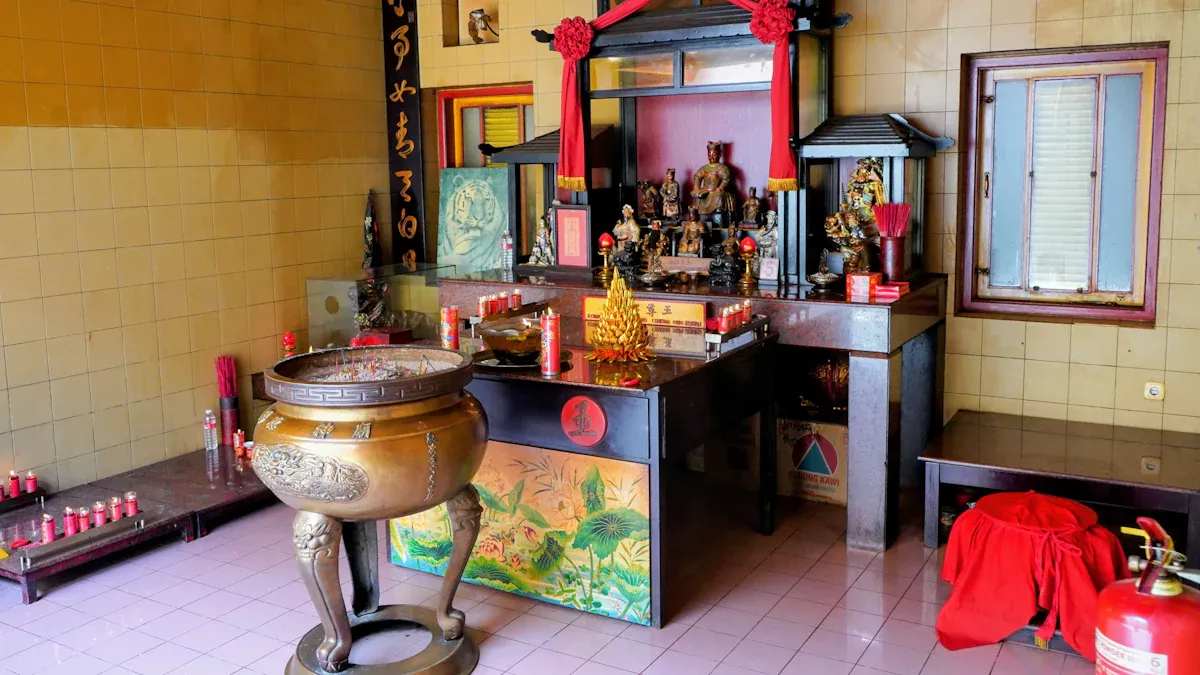
Taoist traditions have many ways to talk to spirits. People use rituals to invite spirits and keep things peaceful. These ceremonies happen in temples or at home. They help people connect with ancestors, nature spirits, and wandering spirits.
Taoist ceremonies ask spirits to join special events. Priests use music, chanting, and sacred signs.
Shamanistic practices use special clothes and talismans. These things help the shaman reach the spirit world.
Purification rituals use smoke from sacred pipes. The smoke cleans the space and welcomes spirits.
In the Chou Dynasty, shamans were important helpers and healers. They invited spirits, explained dreams, and did divination. Different cultures use their own special items, but the main ways to talk to spirits are the same. Taoists think proper funeral rites help guide spirits and stop them from becoming wandering spirits.
Rituals for Ancestors and Ghosts
Taoist rituals for ancestors and ghosts are not the same. Ancestor rituals show respect and bring families together. People give food, incense, and paper money to invite ancestors. These gifts help ancestors give blessings for the next year. During the Qingming Festival, families clean graves and make offerings to keep ancestors happy.
Rituals for ghosts try to calm wandering spirits. People give food and incense to help these spirits rest. Hungry Ghost Festival rituals feed wandering spirits and stop them from causing problems. Taoists believe offerings bring good luck and wealth. Even if the meaning of offerings changes, the practice stays important.
Offerings are a big part of all Taoist rituals. People give food, incense, and paper money to both ancestors and wandering spirits. These gifts show respect and help keep peace between the living and spirits. Taoist rituals remind people to honor ancestors and care for wandering spirits. This balance helps daily life stay peaceful.
Ethical and Philosophical Implications
Taoist Attitudes Toward Death
Taoism says death is not the end. It is a normal part of life’s cycle. Lao Tzu said,
“Life and death are one thread, the same line viewed from different sides.”
This means Taoists think the afterlife is a change, not a loss. Yin and Yang help explain this idea. Life is Yang, and death is Yin. Both are needed to keep things balanced. Taoists believe the afterlife brings harmony with the universe. People do not fear death. They see it as rest and a step for the soul.
Taoist funerals help the soul leave the living world. These customs keep Yin and Yang balanced. Taoists think the soul changes and joins spiritual beings. Rituals guide the soul and keep peace between people and spirits. Many people in China follow these customs as part of their native beliefs.
Here is a table comparing Taoist, Confucian, and Buddhist ideas about death:
Philosophy |
View on Death |
Key Concepts |
|---|---|---|
Confucianism |
Focuses on duty and legacy; death is less important. |
Life and death are decided by fate; people live on through good deeds. |
Taoism |
Sees death as natural and a kind of rest. |
Life and death should follow nature; death brings harmony with the universe. |
Buddhism |
Wants to end suffering and reach enlightenment after death. |
Going beyond the body; enlightenment is the main goal, past life and death. |
Taoism is different because it calmly accepts the afterlife. It teaches that spirits keep living and can affect the world. This shapes how people honor ancestors and ghosts.
(To learn more about Taoist view on death, see Taoism view death.)
Spiritual Ethics in Daily Life
Taoist beliefs guide how people act every day. People learn to live in peace with nature and spirits. Taoist teachings say to respect all spirits, like ancestors and nature spirits. Many Taoists follow old customs and rituals as part of their native beliefs.
Some main Taoist habits are:
Breathe mindfully to feel the flow of life.
Keep things simple by cleaning up your space and plans.
Spend time in nature to feel balanced.
Use Wu Wei by not forcing things.
Think about your actions each day to follow Taoist ideas.
These habits help people feel calm and balanced. Taoist beliefs value kindness, respect, and knowing yourself. People use rituals to honor spirits and remember the afterlife. Taoists think every action changes the balance between people and spirits. This affects how people treat others and the earth.
Taoist ethics say life and the afterlife are linked. People should live with care because spirits are watching. Taoist native beliefs remind people to honor the past and care for the future. This helps families and communities stay close and strong.
Taoist beliefs say ancestors, ghosts, and spirit realms affect daily life and family ties.
The Zhong Yuan Festival is about honoring ancestors and the path of spirits.
Many people in China still remember ancestors with special rituals and gifts.
These rituals help families connect to the spirit world and ask for kindness for ancestors.
Honoring ancestors was the most important way to keep families close in old Chinese society.
Taoism teaches people to respect the past and live in balance with nature. These ideas help people feel calm about life and death.
Pieces That Carry This Intention
Amulets and talismans in the same protective lineage this article draws on.


FAQ
What is the main difference between ancestors and ghosts in Taoism?
Ancestors stay close to their families and get respect. People honor ancestors with rituals. Ghosts wander and do not rest. Ghosts can cause problems for people. Ancestors protect families, but ghosts need help or calming.
Why do Taoists honor ancestors with rituals?
Taoists use rituals to keep families and ancestors connected. Rituals show respect and ask for blessings. They help families remember where they come from. Rituals also help keep peace in the spirit world.
What happens during the Hungry Ghost Festival?
Families give food, incense, and paper money to spirits. Taoist priests lead ceremonies to calm hungry ghosts. People light lanterns to guide spirits. Many avoid risky things during the festival. The festival teaches people to be kind and respect spirits.
Can Taoist rituals help restless ghosts find peace?
Yes. Taoist priests do special ceremonies for wandering ghosts. Offerings and prayers help ghosts rest and stop causing trouble. These rituals help keep balance between people and spirits.
How do Taoist beliefs about spirits affect daily life?
Taoist teachings say to respect ancestors, nature, and spirits. People do rituals, care for the land, and act kindly. These habits help families stay close and keep harmony in their communities.
See Also
Tao and Buddhism Key Similarities and Differences Explained