
10 Surprising Facts About Taoism

Taoism has some surprising facts that might catch your attention. Many people in different countries follow Taoism, and experts estimate there are between 12 million to 173 million Taoists worldwide. In Taiwan, approximately half the population may identify as Taoists. The United States boasts the largest Taoist group outside of Asia, with around 12,000 Taoists residing there. These surprising facts highlight the significance and uniqueness of Taoism in global culture.
Key Takeaways
Taoism is a big belief system. Many people follow it around the world. It is important in many cultures.
The Tao is not a god. It is a guiding idea. It helps people live in harmony with nature.
Wu Wei means effortless action. It teaches people to go with the flow. You should not force things to happen.
Yin and yang stand for balance in Taoism. They show how opposites work together. This creates harmony in the universe.
Taoism teaches virtues like compassion, simplicity, and humility. These help people make good choices in life.
Surprising Facts About Taoism’s Origins
Ancient Roots in China
Taoism started in China a long time ago. Its history goes back thousands of years. Archaeologists found many things that show how early spiritual practices shaped Taoism. The Wudang Mountains are important in Taoism’s history. At Wulong Palace, over 1,000 relics were found. Some are from the Tang Dynasty or even older. In 1994, this site became a UNESCO World Cultural Heritage site. This shows how important it is to Taoist culture.
People found pottery, porcelain, copper, iron, and wood artifacts. Some relics are from the Han Dynasty (206 BC - AD 220).
Statues of gods and stone carvings at Wulong Palace show early Taoist spiritual practices.
Keeping the site safe shows how Taoism shaped religious life in ancient China.
Historians use old texts and artifacts to study Taoism’s growth. The Guodian Bamboo Slips and Mawangdui Silk Texts are two big finds. These texts help experts learn about early Tao and Tao teachings.
Discovery |
Date |
Description |
|---|---|---|
Guodian Bamboo Slips |
Before 300 BCE |
The oldest Tao Te Ching version, found in a tomb near Guodian, with about 800 bamboo slips. |
Mawangdui Silk Texts |
168 BCE |
Two almost complete Tao Te Ching copies, dated by tomb context and writing style. |
These discoveries show that Tao was key idea in China long ago. This was before Taoism became an official tradition. Taoism’s history is full of beliefs and practices that changed over time.
Note: These surprising facts show Taoism started before many written records. Archaeological sites and old texts help experts learn about early Taoism.
Lao Tzu’s Legend
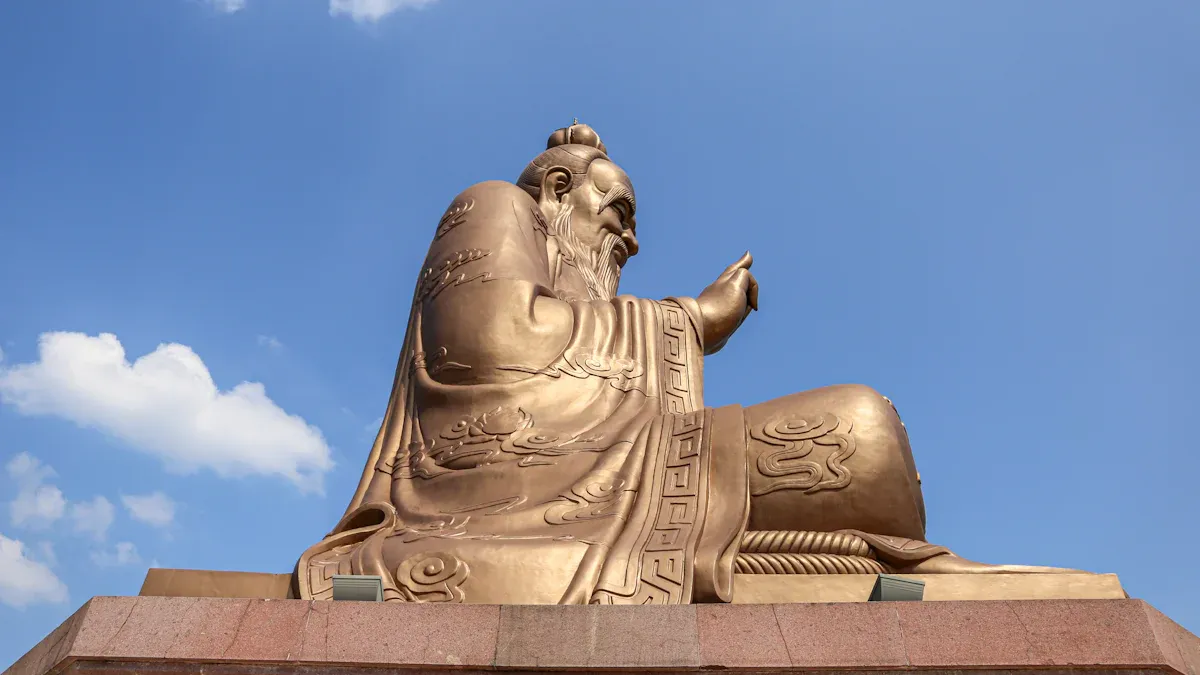
Lao Tzu is a famous person in Taoism. Many facts show his story mixes history and myth. The first biography of Lao Tzu is in the Records of the Grand Historian by Sima Qian. This book gives different stories about Lao Tzu’s life. It shows that his life is hard to understand.
Lao Tzu’s legend grew over time. Old books and stories shaped how people saw him. Taoist masters said they learned from his teachings. During the Tang dynasty, leaders made Lao Tzu’s status official. This made him even more important in Chinese culture. Some stories say natural places in China show Lord Lao’s influence.
One famous story is Lao Tzu meeting Confucius. Historians are not sure if this really happened. But it shows how legendary Lao Tzu became. Another story says Lao Tzu left for the west. There, he wrote the Tao Te Ching at Xiangu pass. These stories make Lao Tzu and the Tao seem magical.
Scholars find it hard to tell what is true in Lao Tzu’s story. By 100 B.C.E., legends already surrounded Lao Tzu. This makes it tough to know what is fact or fiction. Sima Qian had to choose which stories to believe. Some experts, like William Boltz, think Lao Tzu is mostly a made-up figure. People also argue about Lao Tzu’s name. Some say "Lao" could be a last name. A. C. Graham says Lao Tzu’s story mixes many legends, especially about meeting Confucius.
Legends about Lao Tzu started early in China’s history.
Historians have trouble telling fact from myth in Lao Tzu’s story.
The name Lao Tzu might not mean just one person.
Stories about Lao Tzu’s life mix history and legend.
These surprising facts show Taoism grew from old practices, ideas, and legends. The Tao shaped spiritual life in China. Lao Tzu’s legend still inspires people today.
The Way and Core Beliefs
The Tao: Not a God
The way is very important in Taoism. Some people think religions always have gods. Taoism is different. The Tao is not a god. It does not give orders or control people. The Tao is a rule that shapes everything. People in china have followed the way for a long time. They try to live in harmony with the Tao, not just obey it.
The Tao helps people but never forces them. In other religions, people talk about obeying God. Taoists do not talk about obeying the Tao. They talk about living in harmony with it.
Taoism says the way is in all things. The Tao does not push or control. It helps life and supports everything. The Tao does not ask for worship.
The Tao does not make things or rule like a king. The Tao goes everywhere, to the left and right. It cares for all things but does not boss them. When good things happen, the Tao does not brag.
The way is not like the idea of god in western or Hindu beliefs.
Tao is not the same as God in western or Hindu ideas. God is seen as a ruler. The Tao is not like that in Chinese thought.
Taoist books say the Tao is the start of everything. The Tao cannot be named or fully explained. It has both active and quiet sides. The way brings order and creates things.
The Tao cannot be named and is the start of all things.
It has both active and quiet sides, which are important.
The Tao is endless and complete, but does not brag.
It creates everything and brings order to chaos.
The Tao seems not perfect, but it always responds.
These facts show Taoism is about the way as a natural force. The way moves through life and helps people live in harmony.
Wu Wei: Effortless Action
Wu Wei is a big idea in Taoism. It means "effortless action" or "non-action." Wu Wei does not mean doing nothing. It means acting with the way. People who follow Wu Wei go with the flow. They do not fight or force things.
Wu Wei first appeared in ancient china. Old books like the Classic of Poetry and the Analects of Confucius talk about Wu Wei. Later, the Chuang Tzu and other Taoist books explained it more.
Wu Wei started in the Spring and Autumn period.
The Classic of Poetry gives early examples.
The Analects of Confucius also mention Wu Wei before the Chuang Tzu.
Wu Wei teaches people to trust the way. When people use Wu Wei, they let go of control. They let the Tao guide what they do. This brings an easy and natural life. Farmers, artists, and leaders in china use Wu Wei to find peace.
(For more information about Wu Wei, see Taoist Approach to Effortless Living Through Wu Wei.)
Yin and Yang Explained
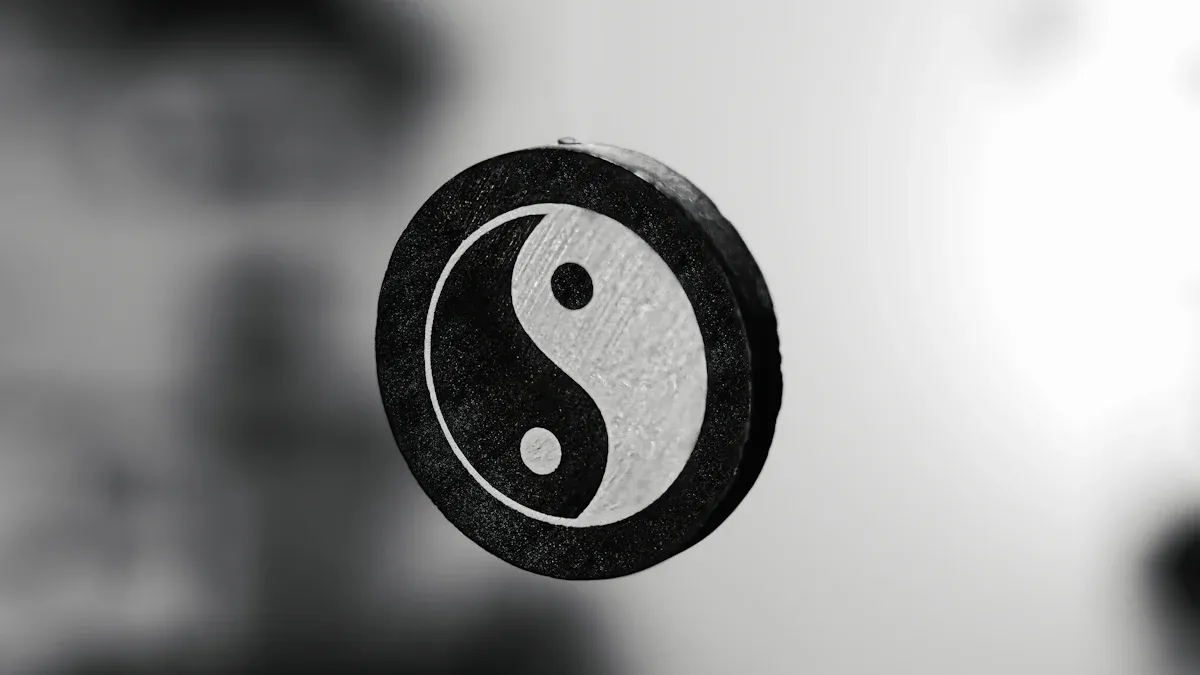
Yin and yang are well-known symbols in Taoism. They show how the way works. Yin means dark, soft, and quiet. Yang means bright, hard, and active. The way moves between yin and yang to keep balance.
Doctors and scientists in china use yin and yang to understand health. The table below shows how yin and yang help explain things:
Aspect |
Description |
|---|---|
Clinical Practice |
Yin and yang help doctors treat and diagnose sickness in Chinese medicine. |
Life Maintenance |
Yin and yang are needed to understand health and life. |
Imbalance Consequences |
Problems happen when yin and yang are not balanced. |
Yin and yang also help people learn about nature and the universe. The way moves between opposites and causes change. The table below shows more about yin and yang:
Aspect |
Description |
|---|---|
Scientific Explanation |
Yin and yang give another way to think about science. |
Historical Context |
Yin and yang changed from simple ideas to big forces in the universe. |
Application |
Yin and yang help explain nature and opposites. |
Doctors use yin and yang to help sick people. They look for balance in the body. The table below explains this:
Aspect |
Description |
|---|---|
Medical Theory |
Yin and yang are key in Chinese medicine for treating sickness. |
Physiological Functions |
|
Dynamic Balance |
Keeping yin and yang balanced is important for health. |
The yin and yang symbol is seen in many places today. People use it in clothes, jewelry, and art. Designers use the symbol to show balance. Brands like Staud and Balenciaga use yin and yang in their designs. The symbol reminds people to look for harmony in life.
The way and its main ideas help people understand the world. Taoism teaches that the Tao is in everything. Wu Wei and yin and yang show how to live with the way. These ideas help people find balance, peace, and a deeper connection to life.
(To explore more about yin and yang wisdom, check out Yin Yang Balance: Practical Wisdom of Harmony in Daily Life.)
Surprising Practices and Rituals In Taoism
Taoist Alchemy and Immortality
Taoist beliefs include alchemy. Alchemy tries to help people live forever and change their spirit. Masters wrote many books about alchemy. These books are in the Daozang, which is the Taoist Canon. Chinese alchemy has two main types. One is external alchemy, called waidan. The other is internal alchemy, called neidan. External alchemy uses rituals and special things to make elixirs. The Taiqing tradition explains how to make these elixirs. People thought elixirs could help them live forever. Elixirs could also bring spiritual powers and call helpful spirits.
Aspect |
Description |
|---|---|
Masters and Texts |
Masters wrote books that teach about Taoist alchemy. |
External Alchemy (Waidan) |
Rituals in the Taiqing tradition help make elixirs. |
Benefits of Elixirs |
Elixirs can give immortality and special powers. |
Taoist alchemy is also about health and living longer. Nourishing Life, or Yangsheng, teaches people to care for their body and mind. Internal alchemy works with the Three Treasures. These are jing (essence), Qi (energy), and shen (spirit). These practices help people stay healthy and live longer.
Meditation and Breathwork
Meditation and breathwork are important in Taoism. Taoist meditation treats the body as special and important. It is different from other traditions. Taoist meditation lets people be free and feel things, not just follow rules. People do Qigong and Tai Chi. These use movement and breathing to help people feel close to nature.
Taoist Longevity Breathing helps the diaphragm move better. These exercises make breathing longer and help the whole body. People start with short breaths. Later, they learn longer breaths, like turtle breathing. Studies show that eight weeks of Taoist meditation can change the brain. People get more theta and alpha waves. These waves help people pay attention and feel calm. Meditation helps people feel peaceful and focused.
Aspect |
Taoist Meditation |
Buddhist Mindfulness |
|---|---|---|
Goal |
Harmony with nature |
Freedom from suffering |
Focus |
Outside and inside |
Inside (thoughts, feelings) |
Movement |
Uses movement (Qigong, Tai Chi) |
Usually still (sitting) |
Divine Concept |
Found in nature |
Beyond nature (nirvana) |
Symbolism |
Nature pictures |
Religious symbols |
(If you're curious about how to start meditation, read Ancient Taoist meditation for inner peace.)
Qi and Health Beliefs
Qi is the life force in Taoism. It moves through meridians. Meridians connect organs and the world around us. There are twelve main meridians and eight special ones. These help keep chi balanced in the body. Taoist practices like Tai Chi and Qigong help people get stronger and relax. These activities use movement, breathing, and focus. They help people stay healthy and feel good.
Type of Qi |
Description |
|---|---|
Yuan Qi |
Comes from parents, kept in the kidneys. |
Zong Qi |
Comes from air and food, kept in the chest. |
Ying Qi |
Moves in blood, helps organs. |
Wei Qi |
Protects from sickness and danger. |
Meridians |
Paths for Qi, connect organs to the world. |
People who follow Taoism learn to go with the flow. They try to find balance in everyday life. These facts show how rituals, meditation, and health ideas help people live and grow.
Taoism’s Ethics And The Three Treasures
Charity, Thrift, Humility
Taoism teaches three main virtues. These are compassion, moderation, and humility. The Three Treasures help people make good choices every day. They guide people to live in harmony with the world. Taoist teachings tell people to be kind, live simply, and stay humble. The table below shows what these virtues mean:
Ethical Teaching |
Description |
|---|---|
Compassion |
Showing care and kindness to all living things |
Humility |
Knowing your place in the world and being modest |
Thrift |
Living simply and not wasting things |
Contentment |
Being happy with what you have and nature’s gifts |
Three Jewels |
The Three Jewels are compassion, moderation, and humility |
Taoism is different from other religions. It does not have strict rules. Instead, it teaches people to live in balance with nature. People learn to find peace inside and treat others with respect.
Simplicity and Compassion
Simplicity and compassion are important in Taoism. The Tao Te Ching says:
“Simplicity, patience, compassion. These three are your greatest treasures. Be simple in what you do and think. Be patient with everyone. Be kind to yourself and others.”
Modern Taoist groups use these values every day. They help people and care for nature. People grow food together and share with each other. They work as a team and respect everyone’s part.
Aspect |
Description |
|---|---|
Compassion |
Putting others and nature first by making choices together. |
Simplicity |
Living simply, growing food, and sharing things. |
Humility |
Knowing your role in the group and helping out. |
Philosophical Anarchism
Taoism has ideas that question leaders and support freedom. Philosophical anarchism in Taoism means living in harmony without rulers. The Tao Te Ching is an important book for these ideas. Some main points are:
The Tao Te Ching teaches people to reject government.
Taoists believe in living freely and naturally, like anarchists.
Wu Wei, or non-action, is like having no ruler and letting things happen naturally.
Taoist political ideas are special. They explain freedom and being yourself. Taoist anarchism talks about culture, nature, society, and religion. It also says people can work in current systems to have less control, not just remove leaders.
Taoism’s ethics help people find balance, kindness, and freedom in life.
Cultural Impact and Interactions
Influence on Martial Arts
Martial arts in China are linked to Taoism. Taoist monks have practiced martial arts for many years. They thought secret moves could help people protect themselves. These moves also help people grow spiritually. Ge Hong wrote about these special skills. Martial arts teachers use Taoist exercises to teach balance. They also teach harmony. These ideas help students move with the flow. Students learn to use their energy in smart ways.
Taoist martial arts teach balance and harmony.
Teachers share secret moves with their students.
Martial arts mix Taoist ideas with physical training.
Students use Taoist ideas when they train. The table below shows how these ideas help martial arts:
Taoist Principle |
Description |
|---|---|
Yielding and Redirection |
Students learn to give way to force and change its direction. |
Economy of Energy |
They use little energy to get big results. |
Teacher-Student Relationship |
Learning from a teacher is important for getting better. |
Cultivation of Internal Energy (Qi) |
Training helps build inner energy for health and fighting. |
Martial artists also work on yin and yang balance. They practice being calm and moving naturally. They repeat main moves like the Five Elements and Twelve Animals. This helps them get stronger and better.
Taoism vs. Confucianism
Taoism and Confucianism are two big ideas in China. They teach different things about life and society. Confucianism says rules and rituals fix moral problems. Taoism teaches harmony between heaven and earth. Confucianism cares about five main relationships. These include ruler and subject, and husband and wife. Taoism teaches people to live in harmony with nature.
Aspect |
Confucianism |
Taoism |
|---|---|---|
Core Belief |
Rules and rituals help people be better |
Harmony between heaven and earth is important |
Key Relationships |
Five main social relationships matter |
Living with nature is key |
Sometimes these ideas mix together. Many people in China use both traditions. Confucianism shaped laws and government. Taoism was liked by thinkers and regular people. Both helped shape how Chinese people see the world.
Confucianism and Taoism have changed each other.
People often follow a mix of Confucian, Taoist, and Buddhist ideas.
Taoism and Buddhism
Taoism and Buddhism have a long history in China. Buddhism came from India and changed Chinese life. Sometimes, the two did not agree. Emperor Wuzong led a campaign against Buddhism in 845 AD. Other times, they mixed their beliefs. Taoist and Buddhist gods joined together, like Doumu and Marici. Guan Yu became a god in both traditions.
Buddhism and Taoism both teach harmony with nature and letting go.
Taoism cares about Qi and the body. Buddhism teaches about non-self and illusion.
Later forms of Buddhism, like Tantric Buddhism, used Taoist practices.
Aspect |
Taoism |
Buddhism |
|---|---|---|
Focus |
Qi and the body matter |
Non-self and illusion are important |
View of the Universe |
The world is real |
The world is an illusion |
Aesthetics |
Art and self-growth are valued |
Early Buddhism had strict art rules |
Health |
Health is very important |
Health is less important |
Taoism and Buddhism still shape spiritual life in China. Their history shows how cultures can mix and change together.
Taoism has many facts that might surprise you. It makes people think differently about religion and philosophy. People find out the Tao is not a god. Taoism teaches balance, simplicity, and compassion every day. These ideas come from old beliefs. They still affect how people think now. Learning about Taoism can help you see ethics, health, and harmony in new ways.
Tip: Learning Taoism helps people see things differently and grow as a person.
Pieces That Carry This Intention
A few pieces from the shop that sit close to what this article is about.


FAQ
What is the Tao in Taoism?
The Tao is a guiding principle. It shapes nature and life. People see it as a path, not a god. The Tao helps everything stay balanced.
What do Taoists believe about immortality?
Taoists believe in spiritual growth. They practice alchemy and meditation. Some seek immortality by balancing body, mind, and spirit. They value long life and harmony.
What is Wu Wei?
Wu Wei means effortless action. People follow the flow of life. They act naturally and avoid forcing things. Wu Wei helps people find peace.
What symbols do Taoists use?
Taoists use the yin and yang symbol. It shows balance between opposites. They also use the Taijitu and images of nature. These symbols remind people to seek harmony.
What role does compassion play in Taoism?
Compassion is one of the Three Treasures. Taoists show kindness to others and nature. They believe compassion leads to a peaceful and balanced life.
See Also
Taoist Approach to Effortless Living Through Wu Wei
Yin Yang Balance: Practical Wisdom of Harmony in Daily Life
Ancient Taoist meditation for inner peace