
What Makes Yin and Yang Essential in Traditional Chinese Medicine

Yin and yang are the base of traditional Chinese medicine. They help explain how health and sickness happen in the body. Scientists have found that changes in these forces affect cell activity and how people feel. For instance, research shows that people with yin deficiency often have a worse life quality. The table below shows how scores for these energies can show health results:
Metric |
Yin Score |
Yang Score |
|---|---|---|
Mean |
-1.86 |
-0.68 |
SD |
0.90 |
1.23 |
ICC |
0.35 |
0.36 |
p-value |
< 0.001 |
< 0.001 |
People can think about how balance changes their energy and mood every day. Simple tips for keeping harmony will come next.
Key Takeaways
Yin and yang are fundamental principles in traditional Chinese medicine that define health and sickness.
Maintaining the balance between yin and yang is crucial for good health, as imbalance leads to health issues.
A balanced lifestyle including adequate sleep, a healthy diet, and regular exercise helps sustain this equilibrium.
Symptoms like poor sleep or feeling unusually hot are key indicators of an imbalance and should not be ignored.
Practices such as acupuncture and meditation are effective methods to restore balance and enhance overall well-being.
Yin and Yang in Traditional Chinese Medicine
Opposite Yet Complementary Forces
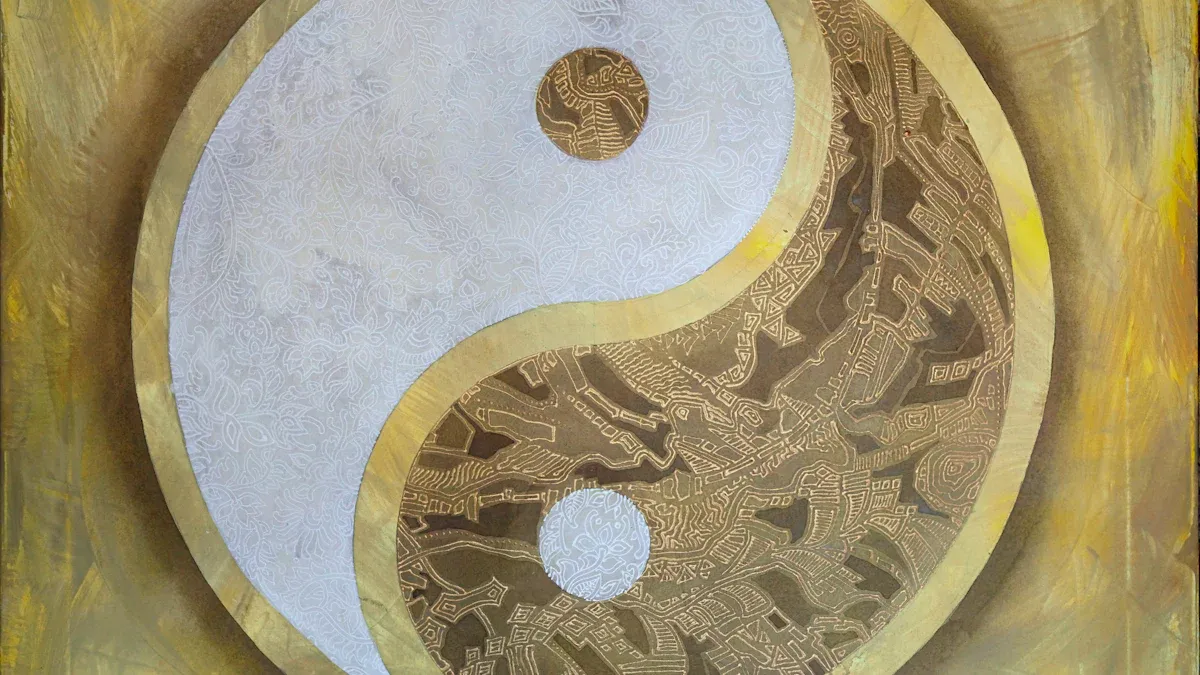
Yin and yang are very important in traditional Chinese medicine. These two energies are different from each other. Yin is about coolness, resting, and healing. Yang is about warmth, being active, and growing. Ancient Chinese thinkers said these forces work together. They help keep nature and people in balance. Yin and yang need each other to work. For example, day changes to night. Being active is followed by rest. This cycle helps explain how people stay healthy.
Traditional Chinese medicine uses yin and yang to look at health. Practitioners check how these energies work in the body. Breathing, eating, and moving all show yin and yang working together. When yin and yang are balanced, the body works well. If the cycle breaks, people can get sick. The Huangdi Neijing is an old book. It teaches these ideas and helps doctors treat people.
The table below shows how traditional Chinese medicine groups organs by yin and yang:
Organ Type
Yin/Yang Classification
Functionality
Heart
Yin
Storage
Kidneys
Yin
Storage
Liver
Yin
Storage
Lungs
Yin
Storage
Spleen
Yin
Storage
Gallbladder
Yang
Movement
Intestines
Yang
Movement
Stomach
Yang
Movement
Urinary Bladder
Yang
Movement
Triple Burner
Yang
Movement
Interdependence and Unity
Yin and yang do not work alone. Each one has a little of the other inside. This means yin and yang always change and help each other. Their cycle keeps things balanced. When one gets bigger, the other gets smaller. But both always stay there. This keeps the body in balance.
Traditional Chinese medicine says good health comes from this balance. If yin and yang are even, the body stays strong. If they are not balanced, people can get sick. Yin and yang help doctors see the body as one whole thing. They use this idea to help people feel better.
Yin and yang are always moving and changing.
Good health needs this balance.
If the balance is lost, sickness can happen.
The idea of yin and yang shapes all of traditional Chinese medicine. It helps explain how the body works and why balance is important for health.
Yin and Yang Theory and Health
Core Principles of Yin and Yang
Yin and yang theory stands at the heart of traditional Chinese medicine. It explains how the world works by showing how two opposite forces interact. These forces shape everything in nature and the human body. Ancient texts describe four main principles that guide this theory:
Opposites: Yin and yang are different but work together. Yin often means cool, dark, or restful. Yang means warm, bright, or active. Both are needed for life.
Interdependence: Each force depends on the other. Yin contains a bit of yang, and yang holds some yin. They cannot exist alone.
Mutually Transformative: Yin can turn into yang, and yang can become yin. This change happens in cycles, like day turning into night.
Mutually Consuming: When one grows stronger, the other becomes weaker. If this process goes too far, it can cause problems in the body.
These principles help explain why people need both rest and activity, warmth and coolness, to stay healthy.
Modern views on yin and yang theory match ancient ideas. Both stress the need for harmony. If yin and yang lose their balance, illness can follow. Treatments in traditional Chinese medicine, such as acupuncture, herbal remedies, and Qigong, aim to restore this harmony.
(To explore more about yin and yang theory, see Yin Yang Balance: Practical Wisdom of Harmony in Daily Life.)
Yin and Yang in the Body
Yin and yang shape how the body works every day. They help explain body temperature, energy, and how organs function. For example, yin relates to cooling and storing energy. Yang connects to warmth and movement. The body needs both to work well.
Yin and yang theory helps people understand homeostasis, which keeps the body stable. Homeostasis keeps body temperature near 98.6°F (37°C). If yin or yang becomes too strong or too weak, symptoms can appear. Dry mouth or nausea may show a problem with the stomach’s yin or yang.
Yang Qi plays a key role in making and moving energy, blood, and fluids. This process keeps the body warm. If Yang Qi drops, body temperature can fall. People may feel tired or have trouble sleeping. Mitochondria in cells help make heat, linking science to the idea of Yang Qi.
The unity of body and mind also matters. Emotional health affects physical health. Ancient Chinese medicine calls this "Xing Shen Tong Yi." Harmony with nature and the environment, known as "Tian Ren He Yi," also shapes health. These ideas show that yin and yang reach beyond the body to include feelings and surroundings.
When doctors use yin and yang theory in treatment, they look at the whole person. They try to bring yin and yang back into balance. This approach can help people recover from illness and improve their well-being.
Concept |
Description |
|---|---|
Xing Shen Tong Yi |
Body and mind work as one. Emotional stability supports overall health. |
Tian Ren He Yi |
People and nature must stay in harmony. Environment affects health. |
HRQoL Definitions |
Health means more than just the body. Culture and philosophy play a role. |
Yin and yang guide how traditional Chinese medicine views health. They help explain why people need both activity and rest, warmth and coolness, and even a connection to nature. By understanding these forces, people can see what keeps the body and mind healthy.
(If you're curious about Qi, read Understanding the Vital Role of Qi in Taoist Life.)
Imbalance and Its Effects
Signs of Yin and Yang Imbalance
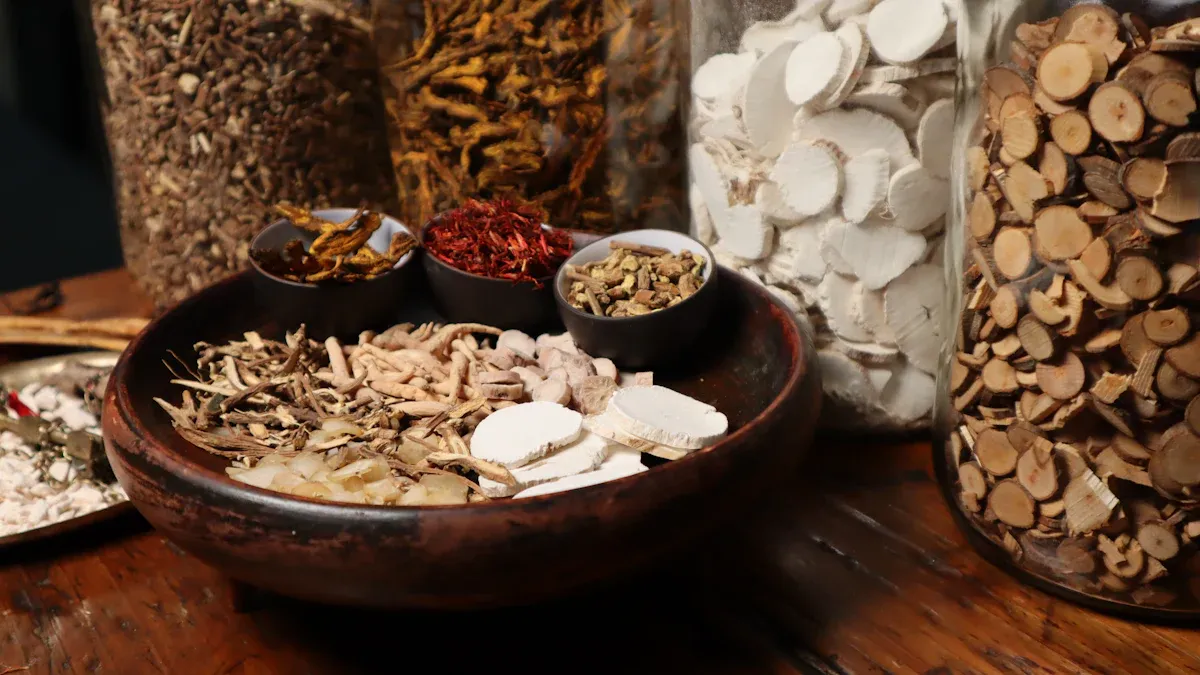
Yin and yang help keep the body healthy. If they lose balance, people notice changes. These changes can be easy to spot. They show up in the body and mind. Many people see these signs in daily life.
Some common signs are:
Dry mouth
Feeling restless
Trouble sleeping or waking up too early
Sweating or feeling hot at night
Dry skin, eyes, hair, or nails
Feeling heat in the chest, hands, or feet
Being thirsty, mostly in the afternoon
Having strong dreams or nightmares
Light periods or hot flashes for women
Tongue looks red or has no coating
Doctors use these signs to find out what is wrong. They check which part of yin or yang is not right. They also look at how much energy a person has. They see how the body feels about heat or cold. The table below shows how these signs help doctors:
Symptom Category |
Description |
Diagnostic Implication |
|---|---|---|
Energy Levels |
Physical and mental vitality |
Shows if Spleen Qi, Kidney Yang, or Liver Qi is lacking |
Heat and Cold |
Body temperature preferences |
Helps find Yin deficiency or Yang excess |
Trouble sleeping can mean different things. For one person, it may show Yin deficiency. For another, it may show both Yin deficiency and Yang excess.
Impact on Health and Disease
When yin and yang are not balanced, health problems can happen. Studies show that the immune system can get too active. This can cause swelling and hurt organs. Some sicknesses are linked to these changes.
The table below lists some health problems tied to yin and yang imbalance:
Disease |
Proportion (%) |
Risk Factor for Disease |
|---|---|---|
Infertility |
19.3 |
Yes |
Osteoporosis |
39.6 |
Yes |
Chronic Fatigue Syndrome |
N/A |
Yes (OR: 2.227 to 9.057) |
Other problems, like irritable bowel syndrome, joint pain, and menopause, also connect to yin and yang changes. If these forces do not work together, the body cannot stay balanced. This makes it harder to get better or stay well.
Knowing what happens when yin and yang are not balanced helps people understand why they matter. These forces affect how the body works and how sickness can start.
Maintaining Yin and Yang Balance
Lifestyle and Habits
People can keep yin and yang balance by making good daily choices. It is important to have both rest and activity. Sleep, meditation, and relaxing help yin. Exercise, being with friends, and making goals help yang. Studies show that Chinese exercises and regular workouts help people sleep better. Good sleep helps the body and brings yin and yang back in balance. Doing things like being outside or making art can also help yin energy.
Tip: A good life has quiet times and active times. This helps your body and mind stay healthy.
Many people feel better when they follow yin and yang ideas. For example, after a hard day, someone may meditate or walk in a garden. These peaceful and active times show how yin and yang work together.
Diet and Traditional Practices
What people eat is important for yin and yang balance. Chinese medicine says to eat foods that match the season. In winter, warm soups and stews help the kidneys. In summer, cool and light foods help with the heat. Eating all five flavors including sweet, sour, bitter, spicy, and salty keeps balance. People should listen to their bodies and change their food if needed.
Yin foods, like cucumbers and tofu, cool the body. Yang foods, such as ginger and lamb, make the body warm. It is best not to eat too much of one food. This keeps the body in balane.
Old practices like acupuncture and herbs also help yin and yang balance. Acupuncture helps Qi move in the body. Herbs can make yin or yang stronger. These ways help the body stay balanced.
Success Story |
Impact on Health |
Condition Managed |
|---|---|---|
Individual A |
Improved heart health |
Hypertension |
Individual B |
Better weight control |
Type 2 diabetes |
Individual C |
More energy and strength |
High cholesterol |
These stories show that eating well, living right, and using old practices can help people feel better and stay healthy.
(For more information about Taoist diet, check out How Taoism Inspires Healthier Eating Habits Today.)
Yin and yang are the base of traditional Chinese medicine. Keeping these energies balanced helps your body and mind. You can sleep better and feel more energy during the day. Your immune system gets stronger. When you feel calm inside, your emotions are better. Getting along with others is easier when you feel balanced. Using these ideas helps people feel healthy and peaceful every day.
Pieces That Carry This Intention
Objects tied to the health and longevity side of the tradition.


FAQ
What does yin and yang mean in traditional Chinese medicine?
Yin and yang describe two opposite but connected forces. Yin stands for coolness and rest. Yang stands for warmth and activity. Together, they help explain how the body stays healthy.
What happens when yin and yang become unbalanced?
When yin and yang lose balance, the body may show signs like tiredness, trouble sleeping, or feeling too hot or cold. Doctors use these signs to find out what the body needs.
What can people do to keep yin and yang balanced?
People can balance yin and yang by getting enough sleep, eating a mix of warm and cool foods, and staying active. Simple habits like walking outside or relaxing with music also help.
What foods support yin or yang in the body?
Yin foods include cucumbers, tofu, and pears. Yang foods include ginger, lamb, and chili peppers. Eating a mix of both types helps the body stay balanced.
What role do emotions play in yin and yang balance?
Strong emotions can affect yin and yang. Calm feelings help keep balance. Stress or anger may cause imbalance. Practicing deep breathing or talking with friends can support emotional health.
See Also
Yin Yang Balance: Practical Wisdom of Harmony in Daily Life