
Global Spread and Adaptation of Taoist Practices

Taoist practices are now found in many countries. Many people around the world follow Taoism. There are big groups in Taiwan, the United States, and Australia. Taoist rituals change when they mix with local customs. This happens in places like Dunhuang and Jizhou. Here, traditions from different cultures come together. Taoist ideas teach people to think calmly and be creative. These ideas help people use Taoist teachings in modern life. More people want to know how Taoist philosophies still matter today.
Key Takeaways
Taoism teaches us to live in harmony with nature. We should keep life simple and balanced every day.
Taoist rituals change to fit local customs. This makes special practices that show different cultures.
Meditation, Tai Chi, and Qigong help people stay healthy. Try these practices to keep your life balanced.
Technology helps share Taoist teachings with more people. You can use the internet to join Taoist groups and learn more.
Taoist ideas help people be creative and mindful. Use these ideas to grow and feel more peaceful.
Taoism and Core Practices
Philosophies and Beliefs
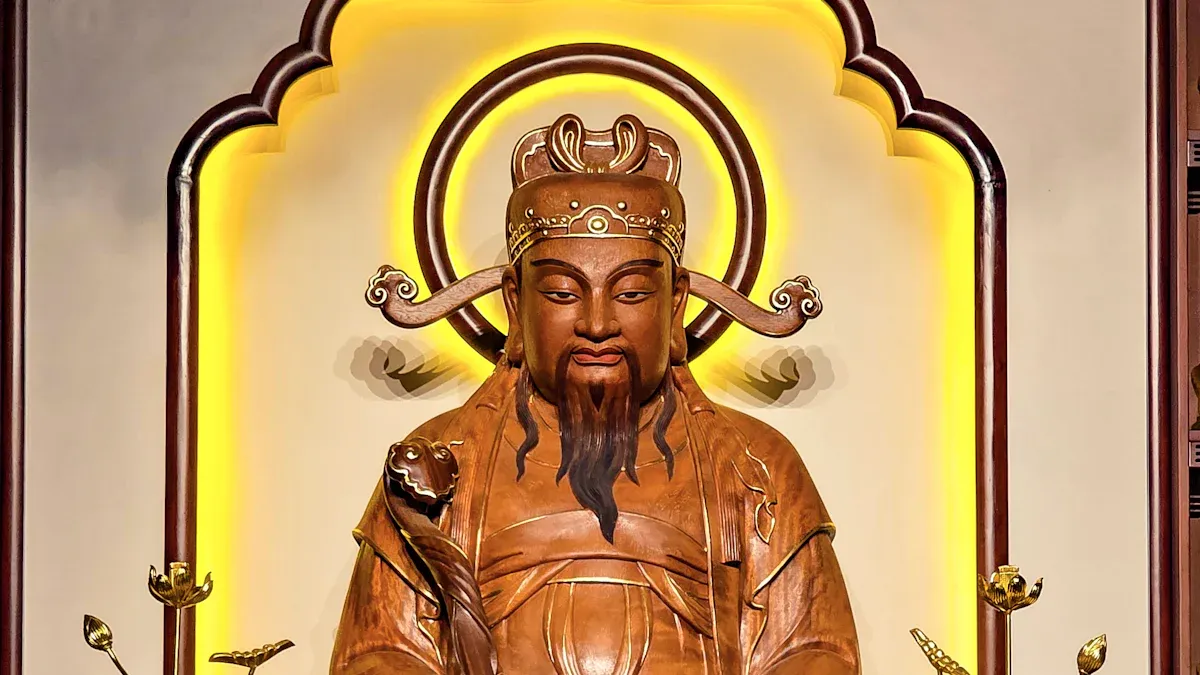
Taoism teaches people to live with the Tao, called "The Way." This means people should follow the natural flow of life. Taoist practices help people connect with nature and find balance. The philosophy values being simple and acting naturally. It also teaches non-action, called non-action. These beliefs help Taoism fit into many cultures and traditions.
Some important Taoist practices are:
Meditation helps calm your mind and body.
Tai Chi is a gentle exercise for health and balance.
Qigong is a movement practice for energy and strength.
Taoism has shaped Chinese arts and medicine. It inspires people to care for nature and find balance every day. Taoism has famous texts like the Tao Te Ching and the Chuang Tzu. These books have influenced many other ideas and religions.
The Tao Te Ching uses easy words to share deep ideas. Many people read it to learn Taoist beliefs and how to live peacefully.
Taoist Rituals and Daily Life
Taoist rituals are important in daily life. People use these rituals to honor deities and find peace at home. Taoist rituals often mix with local customs. This makes them special in each culture.
Common Taoist rituals include offerings. The table below shows what people offer and why:
Offering |
Significance |
|---|---|
Incense |
Helps Taoists talk to deities and cleans the altar. |
Flower |
Makes a calm place and shows respect to deities. |
Lamp |
Lights up darkness and guides beings to salvation. |
Water |
Cleanses spirits and helps them find their true self. |
Fruit |
Stands for five elements and means a wish for truth and heaven. |
People do these rituals at home, in temples, and at festivals. Taoist rituals help families feel close and bring calm to their lives. These traditions keep changing as Taoism spreads to new places.
Global Spread of Taoist Practices
Historical Expansion
Taoism has changed a lot over time. Political problems often moved Taoist practices to new places. During the Han dynasty, there was unrest. Scholars looked for new ideas. They found answers in Taoism. Confucian authority became weaker. This let other philosophies grow. Neo-Taoism started when thinkers studied Lao-Zhuang teachings. These changes made Taoist rituals more popular.
The twentieth century brought even more changes. Big political events happened in China. The Communist Revolution in 1949 and the Cultural Revolution in the 1960s and 1970s stopped many Taoist rituals. Many followers left China. They moved to other countries. This helped Taoist practices spread around the world. Taoism became popular in Taiwan, the United States, and Australia. In recent years, Taoism has grown outside China.
Integration with Other Traditions
Taoist rituals mix with local customs in new places. In East Asia, Taoism often blends with Buddhism and Confucianism. This creates special practices and rituals. Many people do not call themselves Taoist. They still visit temples or check horoscopes. Surveys say about 10% of people practice Taoist or folk religion. This number goes up to 21-22% when more folk customs are counted.
Political problems during the Han dynasty made thinkers look for new ideas. This brought Taoism back.
Confucian authority became weaker. This made room for more philosophies. Taoism was one of them.
When Confucianism faded, scholars studied Lao-Zhuang teachings. This started Neo-Taoism.
Taoist texts and rituals keep changing. They mix with local beliefs and customs. This helps Taoist practices stay important in many cultures. The history of Taoism shows how rituals change and grow as they move around the world.
Cultural Adaptation of Taoist Practices
Local Customs and Blending
Taoist practices change when they move to new places. People mix Taoist rituals with their own customs. This creates special ceremonies and sacred events. Blending often happens at festivals and family parties. The Double Ninth Festival started with a Taoist story about Fei Changfang. Now, people carry dogwood and drink chrysanthemum wine for protection. The Yanjiu Festival honors Qiu Chuji, an important figure in Quanzhen Taoism. Locals gather on lunar January 19 and wait for the immortal to arrive. This turns the day into a folk celebration.
Many Taoist deities come from local folk gods. Communities mix worship styles, showing how traditions change. Taoist funerals also shift with local customs. Groups like Hokkien, Teochew, and Cantonese pick different rituals and deities. In Southern China and Taiwan, people worship the Monkey God. This shows what people in the region like. Families change ceremonies to match their beliefs and ways of living. Younger people make rituals simpler and use digital offerings to fit modern life.
Double Ninth Festival: Carrying dogwood and drinking chrysanthemum wine.
Yanjiu Festival: Gathering to honor Qiu Chuji.
Integration of Folk Gods: Blending Taoist deities with local gods.
Regional Funerals: Dialect and family choices shape ceremonies.
Modern Adaptations: Digital offerings and simplified rituals.
Transformation of Taoist Rituals
Taoist rituals change as they spread to new cultures. In Western countries, Taoist practices become "Western Taoism." People adjust old ceremonies to fit their lives. These changes are like how Zen Buddhism became easier to follow. Now, people do Taoist rituals at home. They focus on personal growth and feeling well. Ceremonies are shorter and less formal. This makes them easier for everyone.
Living in cities brings more changes. Families use digital tools for offerings. They use virtual objects instead of real ones. This lets people honor ancestors and deities at home. Taoist rituals still matter, even as they change. Taoism’s flexibility helps sacred rites support spiritual growth in new places.
Western Taoism: Adapting rituals for contemporary lifestyles.
Home Practices: Personal cultivation and simplified ceremonies.
Digital Offerings: Virtual rituals for modern families.
Influence on Arts and Popular Culture
Taoism affects art and popular culture all over the world. Artists use Taoist symbols to show ideas about balance and harmony. Exhibitions help Western audiences learn about Taoist iconography. This helps people understand Taoism’s history and meaning. Artists like Pu Wei use rice paper to show the link between emptiness and energy. Water and ink in his art show yin and yang, which means harmony of opposites. Natural colors stand for forever and the present, joining spiritual and material worlds.
Evidence |
Description |
|---|---|
Exhibition Goals |
Exhibitions explore the role of art in Taoism and introduce its iconography to new audiences. |
Historical Context |
Essays provide an overview of Taoism’s history and its evolution. |
Artistic Integration |
Artists like Pu Wei use traditional materials to express spiritual ideas and cosmic balance. |
Taoist practices show up in movies, books, and wellness trends. Many people use Taoist ideas for meditation, movement, and daily life. These traditions inspire creativity and help people find harmony in their lives.
Taoist symbols in art and media help people connect with old wisdom and modern life. This shows how Taoist rituals and ceremonies shape culture and personal growth.
Modern Global Relevance
Contemporary Taoist Practices Worldwide
People practice Taoism in many ways today. They work on growing as people and accepting themselves. Many join groups that help each other. Practitioners try to be kind and aware every day. They choose simple lives. This gives them time to learn and get better. Activities like meditation, helping animals, and teaching connect people to Taoist teachings.
Growing as a person by accepting yourself
Joining groups that help and support
Being kind and aware each day
Living simply to improve yourself
Doing helpful activities
Taoist groups use technology to keep their ways alive. They show ceremonies online and use apps for prayers. They also share teachings on the internet. Leaders now help with new problems in society. Social media spreads Taoist rituals and texts to more people.
Adaptation Method |
Description |
|---|---|
Using Technology |
Streaming videos and using apps for prayers and learning |
New Ways to Read Texts |
Reading Tao Te Ching and other books in modern ways |
Easier Rituals |
Making ceremonies simple and meaningful for people today |
Wellness and Mind-Body Cultivation
Taoist practices are important for health and wellness. People use Tai Chi and Qigong to feel better and stay balanced. These activities help the body and mind work together. Tai Chi has 108 moves that open energy paths and help organs. Internal alchemy helps people get healthy and have lots of energy.
Aspect |
Description |
|---|---|
Body and Mind Together |
Taoist ways help people feel calm and balanced |
Energy Flow |
Tai Chi moves open energy paths and help organs |
Internal Alchemy |
The goal is to be healthy and have lasting energy |
Taoism today helps people balance mind, body, and spirit. Yin and yang balance is key for good health. People eat natural foods and follow nature’s rules. Taoist ceremonies and body practices help people fit in with their world. These ideas come from the Taoist canon, Tao Te Ching, and teachings of Lao Tzu and Chuang Tzu.
(If you're curious about Tai Chi and Qigong, read What Makes Tai Chi a Taoist Martial Art Beyond Health Benefits and Understanding the Vital Role of Qi in Taoist Life.)
Future of Taoist Traditions
Experts think Taoist traditions will keep growing everywhere. The Chinese government shares Taoism with other countries. Groups like the World Federation of Taoism help Taoism fit in new places. The Chinese Taoist Association joins world events and lets local groups have some freedom.
Taoist groups face problems. They need new ideas to stay important. They must mix Taoism with bigger cultural plans. Using Taoist ideas for today’s problems keeps their values strong. Technology also changes the future. Taoist thoughts help people care for nature and fight climate change. Big data and ethics can match Taoist values. This turns problems into chances to grow.
Taoist rituals and ceremonies keep changing. This shows the teachings of the Tao are still strong in our changing world.
Taoist practices and ceremonies have changed in new cultures. People use ceremonies for health and balance. Ceremonies also help people feel connected. The table below shows how Tai Chi is popular worldwide.
Evidence Type |
Description |
|---|---|
Global Practitioners |
Over 300 million people do Tai Chi around the world. In the United States, 1.5 million people practice Tai Chi. Most are not Chinese. |
Health Benefits |
Tai Chi helps with health problems like aging and stress. It is good for people who sit a lot. Many different groups use Tai Chi for these reasons. |
Cultural Adaptation |
Tai Chi is now part of healthcare and rehab programs. Schools in many places teach Tai Chi to students. |
Ceremonies are important because they bring peace and harmony. Taoist ceremonies work for many beliefs and ways of life. People use them for wellness, mindfulness, and art. Taoist ceremonies will keep growing in many cultures.
Philosophy and spirituality guide how ceremonies work.
Health and wellness change how people use ceremonies.
Mindfulness and being present shape ceremonies.
Caring for the environment inspires ceremonies.
Balance and harmony help ceremonies stay strong.
Art and literature make ceremonies richer.
Taoist ceremonies are flexible and liked by many people. They will keep helping people in different societies.
Pieces That Carry This Intention
A few pieces from the shop that sit close to what this article is about.


FAQ
What are the main Taoist practices people use today?
People do meditation, Tai Chi, and Qigong. These help them feel calm and balanced. Many read Taoist books for advice. Some join groups to learn about Taoist philosophy.
What makes Taoist rituals different in each culture?
Taoist rituals change when mixed with local customs. Communities add their own foods, symbols, and traditions. This creates special ceremonies that show local beliefs and values.
What benefits do Taoist practices offer for health?
Tai Chi and Qigong help people get stronger and more relaxed. Many feel less stress and have more energy. These activities help the body and mind work together.
What role does technology play in modern Taoist traditions?
Technology lets Taoist groups share teachings online. People watch ceremonies on video and use apps for prayers. Social media helps followers connect and spread Taoist ideas.
What is the future of Taoist practices worldwide?
Taoist practices will keep changing and growing. New ideas and technology help Taoism stay important. People use Taoist teachings for health, balance, and caring for nature.
See Also
What Makes Tai Chi a Taoist Martial Art Beyond Health Benefits