
Beyond Yin and Yang: Taoism, Fluidity, and the Transgender Experience

Taoism sees change in the yin and yang idea. This helps people understand gender in a non-binary way. Many cultures think gender never changes. But experts say about 2% of people are transgender, gender-fluid, or non-binary. Taoism and Manifest help include all genders. They share old wisdom for people to grow. The early Lingbao scriptures show respect for every gender in spiritual life.
Evidence Description |
Key Points |
|---|---|
Equality in Taoist Teachings |
The early Lingbao scriptures teach that men and women are equal. They go beyond gender differences. |
Gender Roles in Education |
In the past, men learned more. But Taoist texts treat men and women the same as followers and teachers of the Tao. |
Women's Aspirations in Taoism |
Women want change and freedom from gender rules in their Taoist practices. |
Taoist ideas support curiosity and openness in transgender care today.
Key Takeaways
Taoism says gender can change and is not fixed. It teaches us to accept different identities.
The yin and yang symbol shows both masculine and feminine energies in all people. This helps everyone feel included.
Taoist wisdom supports care that fits each transgender person. It is important to understand each person's journey.
Chinese medicine uses yin and yang ideas to make special treatment plans for transgender youth. These plans focus on what each person needs.
Taoism also teaches us to respect all sexual orientations. This helps make everyone feel welcome.
Taoism and the Queerness of Yin and Yang
Fluidity Beyond Gender Binaries
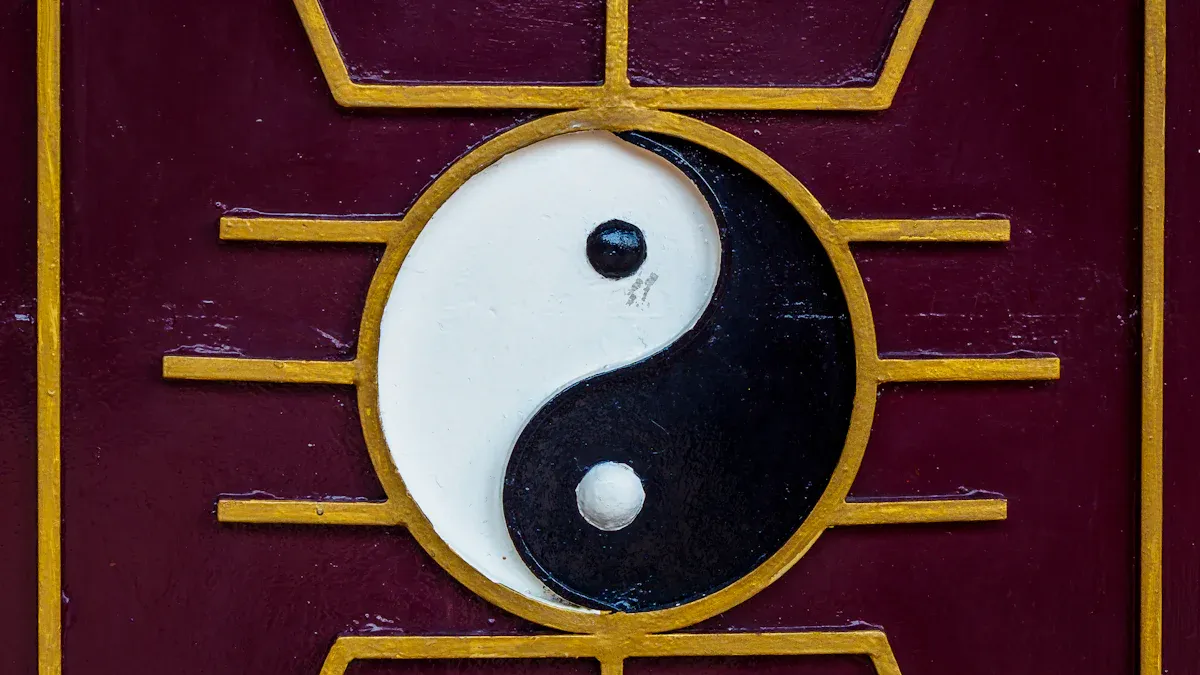
Taoism says yin and yang are not stuck in one way. These energies move and change all the time. They show that things are not always the same. The Tao Te Ching talks about yin and yang as two forces that need each other. The yin and yang symbol shows that each side has a little of the other. People can have both masculine and feminine sides, no matter their gender. This idea supports seeing gender as a range, not just two choices.
Taoist texts say people are mixes of male and female energies.
Yin and yang move into each other and never stay still.
The yin yang symbol shows that even when someone seems masculine, they can have feminine traits too.
Experts think the queerness of yin and yang questions strict gender rules. Traits from yin and yang can be in anyone, which supports many kinds of gender. This helps people feel welcome, no matter what gender they are.
Yin and yang are not just one thing and are always changing.
Gender traits can be anywhere on a wide range, not just male or female.
Masculinity and femininity can show up in different ways.
The Taipingjing says male and female are the start of yin and yang. Dong Zhongshu links yin with female and yang with male, but also talks about how they connect. Taoism values both energies. The Tai Ping Jing warns that not valuing women can cause problems.
Interplay of Energies in Taoist Thought
The way energies mix in Taoism goes past just non-binary ideas. Dong Zhongshu’s old writings supported gender ranks, but new experts like Ames say gender can be flexible. This lets people show who they are and respects what makes them special.
The yin and yang symbol means opposites are connected. Both energies are in everyone.
Yin stands for being open and caring. Yang stands for being bold and active.
Taoist groups want people to accept both sides of themselves. This helps them find balance and supports all kinds of gender.
Aspect |
Evidence |
|---|---|
Empowerment of Women |
Zhuang religious tradition says female ritual leaders can have more power than men. |
Androcentrism |
Even though women can have high status, old Taoist texts still put men above women. |
Gender Roles |
Taoism is known for its feminine ideas, but women still face problems in daily religious life. |
Local Traditions |
Zhuang society treats men and women as equals, which makes things more complex for old rules from the Chinese state. |
Taoism and Manifest see the queerness of yin and yang as welcoming and supportive of all genders. Their teachings help people see gender as something that can change and connect. This supports non-binary identities and helps everyone find peace inside themselves.
Transgender Care and Taoist Wisdom
Inclusivity in Transgender Medicine
Transgender medicine has changed a lot over time. Now, many doctors treat each person as special. Taoism says yin and yang are not stuck. These energies move and mix in everyone. This helps doctors see gender is not just male or female. People can have many traits. Taoist ideas tell doctors to look at the whole person. They do not focus on just one thing.
“In ancient China, doctors said yin and yang are not totally separate. They can show up in different amounts in people.”
Doctors use hormone therapy to help people change. They listen to what each person wants. Taoist wisdom says balance is key. Doctors should respect both masculine and feminine sides. Hormone therapy helps people feel better in their bodies. Some want to change their bodies to match their gender. Others want to keep some traits from both sides. Taoist teachings say this is okay.
“If yin and yang split apart, there is no life. People, like non-binary or trans folks, are not stuck in two groups. We are always changing.”
Taoist ideas help doctors make safe places for everyone. These places welcome all people. Doctors use special skills to help those who had hard times. Good communication helps doctors learn about each person. Taoist ideas tell doctors to respect gender changes. This helps people feel safe during transition and hormone therapy.
Taoism and Manifest’s Approach to Support
Taoism and Manifest give many ways to help people in transition. Their lessons say gender can change. They teach that everyone has both masculine and feminine energy. This helps people feel welcome. Taoism and Manifest help transgender medicine by giving advice and products for each person’s path.
Uniting yin and yang in relationships includes same-sex couples. It focuses on energy balance, not strict gender roles.
The Tao supports people who want to be true to themselves. This includes transgender people who face hard times.
Taoist ideas see many sexual identities and relationships. Gender and sexual orientation can change.
Taoism and Manifest use acupuncture to help transgender people feel better. This can help with stress and feelings during transition. Hormone therapy is also used in transgender medicine. Taoist wisdom says care should fit each person. Doctors use hormone therapy to help people feel more like themselves. Taoism and Manifest think gender-affirming care helps mental health and life quality.
Taoist teachings question strict gender rules. They show everyone is a mix of energies. The yin yang symbol reminds us balance is possible. Taoism and Manifest help people find peace in transition. They teach gender is not just one thing. People can change and grow. This helps doctors and families support transgender youth.
Taoism says balancing masculine and feminine energy is important. This helps make transgender care more welcoming. The philosophy supports caring for sexuality and gender. It sees gender as changeable and values the feminine.
Lan Caihe, one of the Eight Immortals, shows gender fluidity in Taoism. This shows Taoism accepts and celebrates many gender identities.
Taoism and Manifest check how people feel during transition. They look at both body and feelings. They use caring support to help with stress and mental health. Doctors use hormone therapy to help people feel better. Taoist wisdom tells doctors to respect each person’s path.
Taoist ideas help people move past strict gender lines. Doctors use transgender medicine to help people in transition. They make places where everyone feels safe. Taoism and Manifest teach that anyone can find balance. This helps people feel safe and welcome.
(To learn more about yin and yang in relationship, read Taoist views on yin and yang in relationships.)
Chinese Medicine and Transgender Youth
Yin and Yang Theory in Transgender Medicine
Chinese medicine uses yin yang theory to help transgender youth. Practitioners look at each person’s story and needs. They do not use strict gender rules. They want to help each youth feel healthy and true to themselves.
Chinese medicine practitioners look at what makes each person special. They do not just use male or female rules. This way, they can give care that fits the youth’s health and identity.
Practitioners notice that trans men may have less yang before hormone therapy. Trans women may have less yin before hormone therapy. They make plans to help each youth feel balanced and supported. The main goal is to keep yin and yang in balance during transition.
Practitioners see that trans men may need more yang. Trans women may need more yin. They make treatments to help each youth feel good and true to themselves. They want yin and yang to stay balanced as youth change.
Each treatment plan is different for every person. Intersex youth may need special care for their own needs. Practitioners check which energy is low and make a plan that fits the youth.
The way practitioners help can be very different. For intersex youth, they look at which energy is missing. They do not just look at chromosomes.
Embracing Fluidity for Well-Being
Inclusive care helps transgender youth feel safe and respected. Chinese medicine and transgender youth do better in places that protect privacy and comfort. The American College of Obstetricians and Gynecologists says everyone should get fair healthcare. They say doctors should not treat people badly because of their identity. They also say doctors should help with gender dysphoria. This makes health better for transgender youth.
Good healthcare cares about privacy and making youth feel strong. Big rooms and special symbols can help youth feel welcome. Kind actions and smart design make things better for transgender youth. Taoism teaches that being flexible and balanced helps people grow. Youth who get care that fits who they are feel happier and healthier.
Taoism teaches us to accept change and find balance. The yin and yang symbol shows how to welcome all genders. Taoism and Manifest help people feel whole and peaceful. They guide people to grow and feel calm. Taoist teachings help people learn and get better. Taoism tells us to respect everyone. Taoism wants everyone to feel included and accepted. Taoism helps people feel strong and sure of themselves. Taoism helps people understand and care for others. Taoism gives wisdom to help people feel well. Taoism supports people as they heal. Taoism helps people feel happy and fulfilled. Taoism makes people feel safe on their journeys. Taoism asks people to be open and celebrate. Taoism and Manifest teach us to honor old wisdom and real life.
Taoism teaches people to accept many gender identities. It uses ideas of change, balance, and harmony.
The yin and yang symbol shows how opposites can be accepted. This includes different gender identities.
Taoist teachings say to respect and include everyone. It does not matter what their sexual orientation is.
Taoist texts do not make strict rules about sexuality or gender. People can be themselves and feel free.
(To explore more about Taoist acceptance in this area, check out Taoism vs LGBTQ.)
Pieces That Carry This Intention
Yin-yang and five-element pieces, for when the idea needs something to hold.


FAQ
What does Taoism say about gender?
Taoism says gender can change. Yin and yang are in everyone. People can show both masculine and feminine sides. Taoist wisdom likes balance and change.
What is yin and yang in the context of gender?
Yin and yang are two energies. They move and mix in all people. No one has just one energy. This idea supports many gender identities.
What support does Taoism and Manifest offer for transgender people?
Taoism and Manifest give advice, learning tools, and certified Taoist products. These help people find balance and peace during gender transition.
What role does Chinese medicine play for transgender youth?
Chinese medicine uses yin and yang theory to make care plans. Practitioners look at each person’s needs. They help youth feel healthy and true to themselves.
What makes Taoist teachings inclusive?
Taoist teachings welcome everyone. They do not make strict rules about gender or sexuality. Taoism teaches respect, balance, and acceptance for all.