
Is Taoism an Ethnic Faith or a Universal Path?

Taoism is open to people from different places. Some people think there are cultural walls. Others feel welcome and interested. Research shows non-Chinese people sometimes worry about fitting in. Many people feel learning Taoism is like learning about a new culture. The path is open to anyone who wants peace and understanding, no matter their background.
Key Takeaways
Taoism is open to everyone. It does not matter where you come from. Anyone who wants peace can learn about Taoism. Anyone who wants understanding can study its teachings.
Taoism teaches harmony with the Tao. It teaches effortless action, called Wu Wei. It teaches the balance of yin and yang. These ideas help people accept others. They help people live simply.
Taoist practices include meditation, Tai Chi, and Qigong. These practices help people feel better. They help people connect with nature. They are good for your body and mind.
Non-Chinese people should be sensitive to culture. It is important to respect traditions. Being open-minded helps everyone feel welcome.
Taoism’s main ideas help people grow. They help people build strong communities. They help people find balance and purpose in life.
Taoism and Chinese Culture
Historical Roots
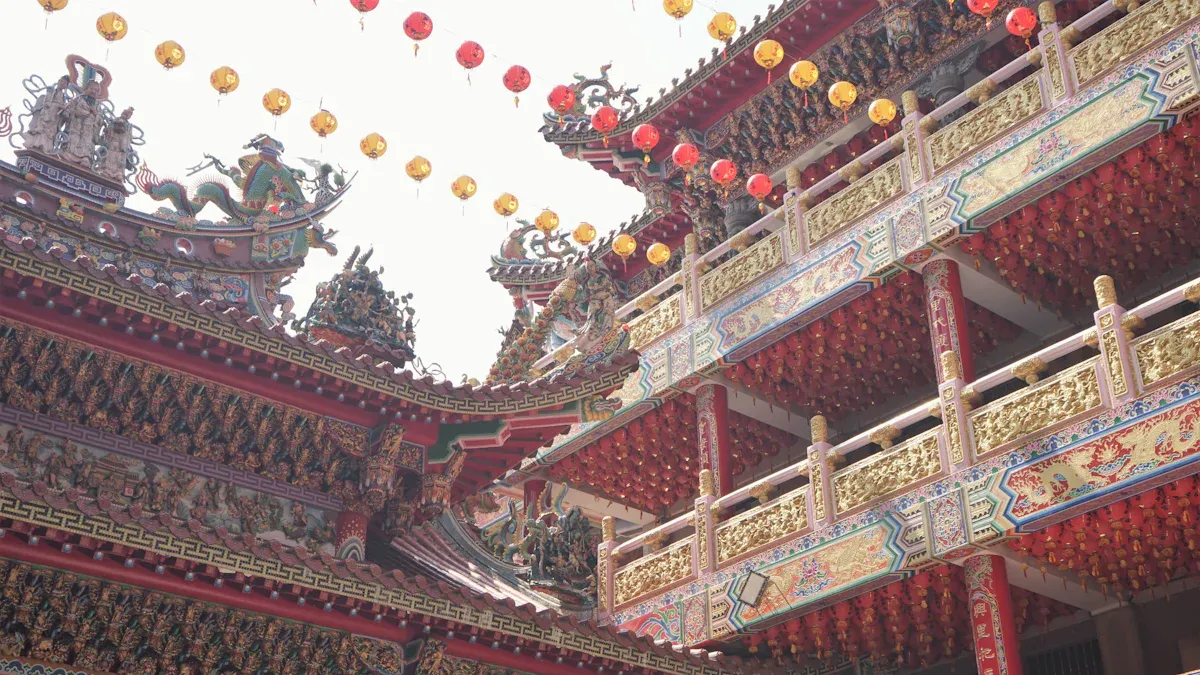
Taoism started a long time ago in China. It changed how people saw life and nature. It also changed how they thought about the world. Taoist ideas are part of Chinese life. You can see them in art, medicine, and daily habits.
Paintings and calligraphy use Taoist symbols like Yin and Yang and Qi.
Poetry and music often have Taoist ideas in them.
Some social customs, like funerals and honoring ancestors, follow Taoist beliefs. These customs see death as a normal part of life.
Taoism says everything is linked by the Tao, or the Way. This idea helped shape Chinese culture. People learned to care for nature and look for balance.
(To learn more about the history of Taoism, see The Historical Evolution of Taoism.)
Cultural Influence
Taoist beliefs still shape Chinese ways of life. Lately, the Chinese government has supported Taoist traditions. This made old rituals and temple visits popular again. Many people now do meditation and Tai Chi, which come from Taoist ideas.
The government fixed temples and supported old customs.
Meditation and Tai Chi are now more common in China and other places.
Taoist ways now affect daily life in many countries.
(To explore more about Tai Chi, check out What Makes Tai Chi a Taoist Martial Art Beyond Health Benefits.)
Taoism also shapes health habits. Meditation, Tai Chi, and Qigong help people feel better in body and mind. Yin and yang and the five elements are seen in today’s Chinese art and buildings. These ideas show Taoism is still important in old and new ways.
Note: Taoism’s ideas go beyond China. Its lessons about harmony and balance interest people from many places.
(If you're curious about yin and yang wisdom, read our article on Yin Yang Balance: Practical Wisdom of Harmony in Daily Life.)
Taoism’s Universal Principles

Harmony with the Tao
Taoism says the Tao is the way of the universe. The Tao is not a person or a god. It is the natural order that guides everything. People who follow Taoism try to live in harmony with this order. They do not try to force things. Instead, they let life happen and accept changes.
The main principles in classical Taoist texts are:
Tao as the way: The Tao is the main force behind everything. You cannot see or fully describe it, but it is always there.
Wu Wei principle: This means "non-action" or "effortless action." People act without forcing things. They handle life with ease.
Yin and yang balance: Everything has two sides, like light and dark. These opposites work together to make balance.
Simplicity and naturalness: Taoism values being yourself. It tells people not to pretend or follow strict rules.
Taoist teachings help people accept life and find peace. They show that life moves in cycles. Everyone can learn to let go and trust the flow of life.
Modern Taoist teachers share these ideas with people everywhere. They show how harmony with the Tao helps people feel better and get along. Many also teach people to care for the earth. They believe living simply and respecting nature makes life better for everyone.
Relevance for All Backgrounds
Taoism is not just for one group or culture. Its ideas can help anyone, no matter where they are from. The focus on balance, acceptance, and living with nature speaks to everyone.
Taoist teachings help everyone find peace and understanding each day.
The Tao is a force that connects all things, not just one group.
Practicing Taoism means listening to yourself and letting go of strict control.
Today, Taoist groups change old teachings to fit modern life. They mix old ways with new ideas. Many people use Taoist ideas to feel better, help the earth, and build good communities.
A study showed Taoist practices can help people outside China. For example, Taoist Cognitive Therapy helped Chinese American immigrants feel less worried. Experts worked together to make the therapy fit the new group. This shows Taoist ideas can help many people.
Taoist principles are universal in philosophy too. The table below shows how Taoist ideas help people from all cultures:
Argument Type |
Description |
|---|---|
Pluralism |
Taoism accepts many ways of thinking. This makes its teachings open to everyone. |
Natural Spontaneity |
Taoism values acting naturally. People can use this idea in any culture. |
Egalitarianism |
Taoist ideas are for all people, not just a few. Everyone can practice them. |
Critique of Fixed Doctrines |
Taoism does not force strict rules. This makes it easy to adapt to different societies. |
Skepticism |
Taoism welcomes questions and new ideas. This helps people from many backgrounds find meaning. |
Note: Taoism’s universal principles invite people from all walks of life to explore harmony, balance, and simplicity. These ideas can help anyone find peace and purpose.
Barriers for Non-Chinese Practitioners
Common Misconceptions
Many people outside China do not always understand Taoism. Some think old books only belong to Taoism. The table below lists some wrong ideas and explains why they are not true.
Misconception |
Explanation |
|---|---|
The I Ching is a Taoist text. |
The I Ching was written before Taoism and Confucianism. People often get confused about where it came from. |
The I Ching is considered Taoist by some. |
Some people in the West call the I Ching Taoist, but this is not what most Chinese people believe. |
Wang Bi's classification of the I Ching as Taoist. |
Wang Bi put the I Ching into Taoism, but the book is not just Taoist. |
Non-Chinese people can face other problems too. They might feel left out because of their race or culture. Some worry about being seen as outsiders. Others are not sure if they are practicing the right way or if people trust their reasons.
Feeling left out because of race
Not understanding the culture
Trouble being seen as honest students
Worrying about being real and having good reasons
Navigating Cultural Sensitivity
People from any background can join Taoist groups if they are respectful. They can do some easy things to show they care about the tradition and the people.
Go into the temple, but do not do rituals or bow. Be yourself.
Call teachers by their names. Do not use special titles.
Wear clean, comfy clothes. Make sure you are clean.
Listen carefully when teachers talk. This shows you respect the Tao.
Clean up after yourself. Help others and leave the place nice.
"When people understand differences, they care more about others’ pain and want to help."
"Sharing cultures helps everyone learn and makes Chinese culture easier to enjoy."
Taoist groups want people to learn and share. They help everyone feel welcome, no matter where they are from. These steps help all people join and learn together.
Global Taoism Today
International Practitioners
People from all over the world now follow Taoist traditions. Some people call themselves Taoists. Many others just use Taoist ideas in their lives. Not many people outside China say they are Taoists. For example:
In the UK, only 4,144 people said they were Taoists in 2011.
About 300 million people outside China use Chinese medicine.
Taoist temples and groups are now in many countries. The table below gives some examples:
Country |
City |
Temple Name |
|---|---|---|
Canada |
Toronto |
D'Arcy Street Temple |
Canada |
Orangeville |
Chi Wo Tan |
Australia |
Toowoomba |
Goon Yam Shrine |
UK |
Colchester |
Three Deity Shrine |
USA |
Dunedin |
Three Deity Shrine |
These temples let people from any background join. They are places to learn, meditate, and meet others.
Modern Integration
Taoist ideas are now part of modern health and spiritual life. Many people use Tai Chi, Qigong, and meditation to feel better and calm down. These activities help people with balance, focus, and stress. Mindfulness today also uses Taoist ideas about living in the moment.
Over 300 million people do Tai Chi around the world. In the United States, about 1.5 million people practice it.
Tai Chi helps older people and those with health problems stay active.
Many hospitals and community centers have Tai Chi classes. It works for many people and cultures.
Taoism teaches people to care for nature. This fits with today’s ideas about protecting the earth. People use Taoist wisdom to live simply and find balance. These lessons help people everywhere, no matter where they are.
Taoism’s spread around the world shows its teachings can help anyone find peace, health, and harmony.
Taoism is open to all people. Studies show its ideas help people feel better about life. They also help people feel happier. The table below shows important results:
Finding |
Description |
|---|---|
Taoist Principles |
Believing in Taoist ideas helps people accept life and feel happier each day. |
Positive Affect |
Accepting things leads to more happiness, especially for those who follow Taoism closely. |
Confucian Moderation |
Culture can change how acceptance affects feeling bad. |
People from outside China talk about how Taoism helped them heal and grow. Groups around the world share Taoist teachings with everyone. Taoism lets people learn on their own and cares about life, peace, and harmony for all.
Pieces That Carry This Intention
Yin-yang and five-element pieces, for when the idea needs something to hold.


FAQ
What is the Tao in Taoism?
The Tao means "the Way." It describes the natural order of the universe. People cannot see or touch the Tao. They can follow it by living simply and seeking balance.
What do Taoists believe about nature?
Taoists believe nature shows the best way to live. They see humans as part of nature. They value harmony, respect for all living things, and balance in daily life.
What practices do Taoists use?
Taoists use meditation, Tai Chi, and Qigong. These practices help people relax and find balance. Many also study Taoist texts and reflect on their meaning.
What makes Taoism different from other religions?
Taoism does not focus on one god or strict rules. It teaches people to follow the flow of life. Taoism values personal growth and harmony with the world.
What can someone from outside China do to learn Taoism?
Anyone can read Taoist books, join classes, or visit temples. Respect for the culture and open-minded learning help people understand Taoism better.
See Also
The Historical Evolution of Taoism
What Makes Tai Chi a Taoist Martial Art Beyond Health Benefits.