
What Makes Tai Chi Good for Your Health

You might wonder what makes Tai Chi stand out when it comes to health benefits. Tai chi is a gentle form of exercise that welcomes everyone, no matter your age or fitness level. You move slowly and mindfully, which helps your body and mind feel better. Many people notice stronger muscles, better balance, and a calmer mood after practicing Tai Chi. Studies show Tai Chi can boost your overall health, improve sleep, and even help with stress. In the United States, about 3% of adults have already enjoyed these health benefits. Why not try Tai Chi and see how it can support your own well-being?
Key Takeaways
Tai Chi is a slow exercise. People of any age can do it. It is good for all fitness levels. It helps you get stronger. It helps you balance better. It makes you more flexible. It does not hurt your joints.
Doing Tai Chi often can help stop falls. This is very helpful for older people. It helps you feel steady when you move. It also makes you feel more sure of yourself.
Tai Chi is good for your heart. It can lower your blood pressure. It helps your heart work better. It is a gentle exercise for your heart and blood vessels.
Doing Tai Chi can help you feel less stressed. It can also lower your anxiety. Tai Chi helps you pay attention to your body. It helps you relax. This can make your mood better. It is good for your mind.
You can start Tai Chi very easily. You can join online classes or go to a local group. Just find a space where you feel good. You can practice at your own speed.
Tai Chi as a Gentle Form of Exercise
Accessibility for All Ages
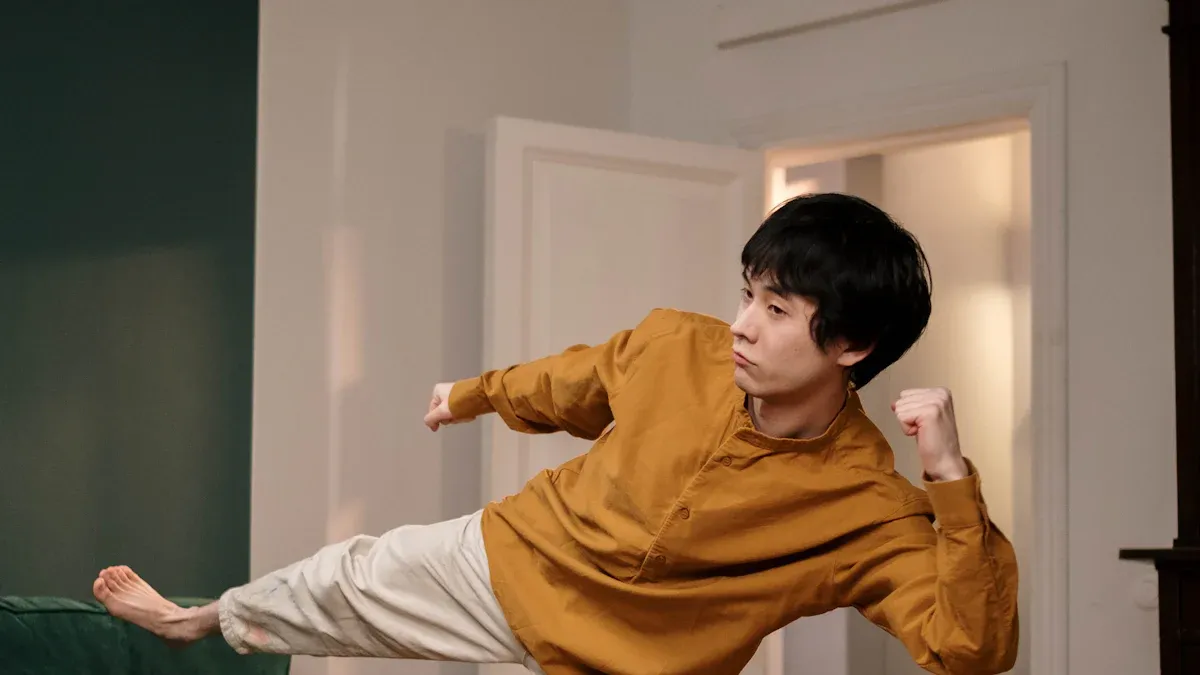
Some people think exercise is only for young athletes. Tai Chi is different because anyone can do it. Teenagers, older adults, and people with limited movement can join. The movements are slow and gentle. This makes it easy for people with pain or health problems. Research shows Tai Chi helps older adults move better and feel less pain. More than 500 studies found Tai Chi helps balance and life quality for people with osteoarthritis or Parkinson’s disease. You do not need special gear or a gym. You just need some space and a desire to try.
Tip: If standing is hard for you, try Tai Chi while sitting. Many teachers change the moves so everyone can join in.
Low Impact Movements
Tai Chi is special because it is low-impact. You do not need to jump or run. You shift your weight and move your ankles to help balance. These gentle moves build strength and flexibility without hurting your joints. Tai Chi uses different stances to help you stand steady. It is easier on your body than walking or yoga, but you still get good health results. You can improve your fitness and body shape, even if you cannot do hard workouts.
Tai Chi helps you stretch and build muscle.
It focuses on balance and moving well.
The gentle style is safe for all fitness levels.
You can go at your own speed with Tai Chi. You pay attention to each move and feel calm. Because it is gentle, you can keep doing Tai Chi for many years. It is a great way to stay healthy for life.
Physical Health Benefits of Tai Chi
Strength & Flexibility
You might think you need to lift heavy weights or stretch for hours to get stronger and more flexible. Tai Chi offers another way. When you practice Tai Chi, you move your arms and legs in slow, flowing patterns. These movements help you build muscle strength, especially in your legs and core. You use your own body weight, so your muscles work without putting too much stress on your joints. This makes Tai Chi a smart choice for people with arthritis or anyone who wants to protect their joints.
Tai Chi also helps you become more flexible. Studies show that older adults with knee osteoarthritis who practice Tai Chi can reach farther in the chair sit-and-reach test than those who do not. This means your muscles and joints can move more easily. The secret lies in the gentle, repeated motions. You stretch and bend in a way that feels natural, which leads to healthier joint function and less stiffness.
Tai Chi improves lower body flexibility, especially for people with arthritis.
The slow, steady moves help your joints stay healthy.
You gain strength and flexibility without pain.
Note: Tai Chi and other traditional Chinese exercises do more than just stretch your muscles. They also help with balance and can lower your risk of falls.
If you live with chronic pain, such as arthritis or fibromyalgia relief, Tai Chi may help. Many people find that the gentle movements ease pain and make daily tasks easier. You do not have to push yourself hard. Just moving with awareness can bring real results in relieving chronic pain.
Better Balance & Fall Prevention
Do you worry about losing your balance or falling? Tai Chi can help you feel steadier on your feet. The practice teaches you to shift your weight from one leg to the other, which trains your body to react quickly and stay upright. This is important for everyone, but especially for older adults or those with arthritis.
Research shows that Tai Chi is very effective at improving balance and reducing falls. In one review of 24 studies, people who practiced Tai Chi had fewer falls and felt more confident walking. Another study found that after just 10 weeks of Tai Chi, older adults had a lower risk and less fear of falling. Even after only eight weeks, people noticed a big drop in both the risk and fear of falls.
Tai Chi reduces falls by 58% compared to stretching exercises.
It lowers falls by 31% compared to other types of exercise.
Practicing Tai Chi helps you feel more stable and secure.
You do not need to be an athlete to enjoy these benefits. Tai Chi works for people of all ages and abilities. If you want better balance and more stability, Tai Chi gives you a safe and gentle way to get there.
Heart Health
Your heart works hard every day. Tai Chi gives it the support it needs without putting you through tough workouts. When you practice Tai Chi, your heart rate and blood pressure can improve. Several studies show that Tai Chi lowers both systolic and diastolic blood pressure. For example, one study found that people who practiced Tai Chi saw their systolic blood pressure drop by about 7 mmHg and their diastolic pressure by about 2 mmHg. Another study showed even bigger drops, especially for people with high blood pressure.
Study Type |
Findings on Blood Pressure |
Findings on Heart Rate |
|---|---|---|
Ten studies |
Lower blood pressure and resting heart rate |
Better heart rate recovery after exercise |
Four RCTs |
All report reduction in blood pressure |
- |
Young et al. |
SBP: -7.0 ± 8.8 mmHg, DBP: -2.4 ± 5.5 mmHg |
- |
Channer et al. |
SBP: -4 ± 7.5 mmHg, DBP: -2 ± 2.7 mmHg |
Decrease in resting heart rate |
Tai Chi is a low-to-moderate intensity aerobic exercise. It helps your heart and lungs work better, even if you cannot do high-intensity workouts. Some research shows Tai Chi can lower blood pressure more than regular low-impact aerobic exercise. It also helps balance your cholesterol and blood sugar, which are important for heart health.
Tip: If you want to manage your weight, Tai Chi can help. The gentle movements burn calories and keep your body active, which supports a healthy weight over time.
Tai Chi is more than just exercise. It is a way to care for your whole body, from your joints to your heart. You can enjoy better balance, stronger muscles, and a healthier heart—all while moving gently and mindfully.
(To explore more about Tai Chi practice, read What Makes Tai Chi a Taoist Martial Art Beyond Health Benefits.)
Mental Health Benefits & Reduced Stress
Stress Relief
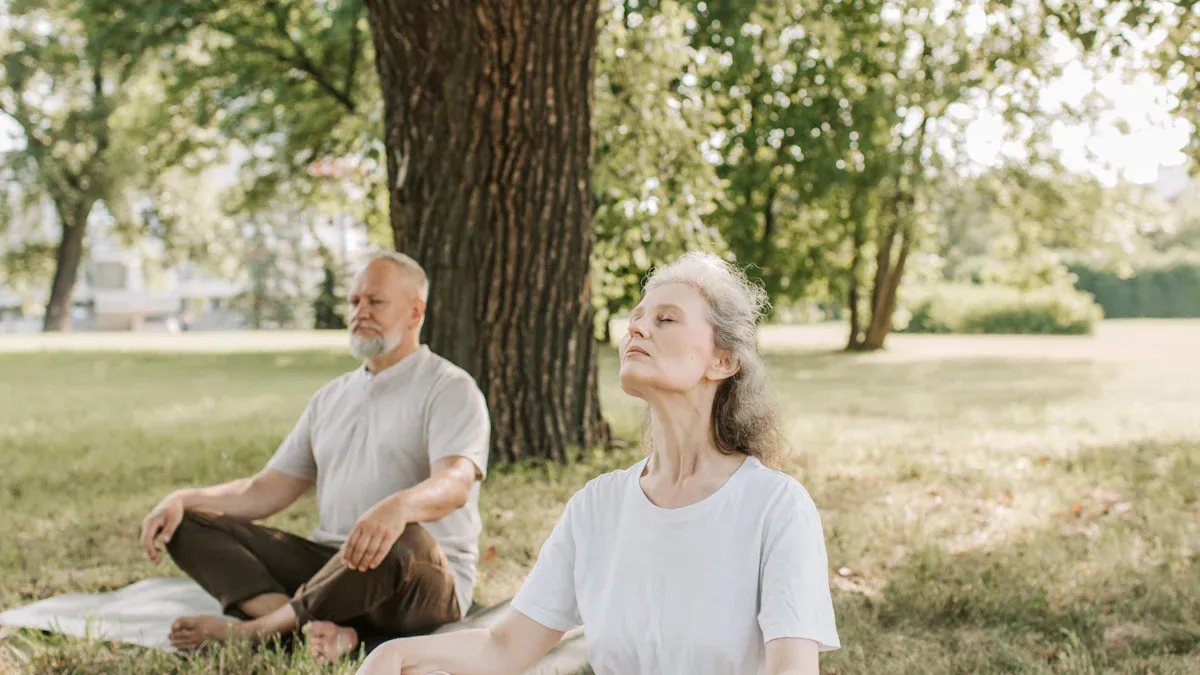
Life can feel busy and stressful sometimes. Tai Chi helps you slow down and breathe deeply. This practice lets you focus on gentle movements and breathing. You notice how your body feels and let go of tension. Many people call Tai Chi "meditation in motion." You move with purpose and calm your mind at the same time.
Studies show Tai Chi can lower stress for all ages. You do not have to sit still or clear your mind. Instead, you move slowly and let worries fade away. Older adults who do Tai Chi have lower stress scores. A review of 23 studies found Tai Chi helps with stress and anxiety, especially for older adults. Another study showed a 12-week Tai Chi program led to less anxiety and fewer depression symptoms in people with health problems.
Here is a quick look at some research:
Study Title |
Methodology |
Findings |
|---|---|---|
Evaluating the impact of Tai Chi therapy on stress reduction among older adults |
Quasi-experimental design |
Big drop in stress scores in the Tai Chi group compared to the control group. |
Meta-analysis by Yang et al. (2021) |
Review of 23 RCTs |
Tai Chi lowers stress and anxiety in older adults. |
Zheng et al. (2017) |
12-week Tai Chi program |
Less anxiety and depression in older adults with health problems. |
You might wonder how Tai Chi helps with stress. When you practice, your body makes less cortisol, the stress hormone. Research shows that cortisol drops after Tai Chi. This helps you feel calm and relaxed. Tai Chi also helps you sleep better, so you can handle daily problems more easily.
Tip: Try Tai Chi outside in nature. Fresh air and gentle moves help you feel peaceful and refreshed.
Improved Mood
Tai Chi does more than lower stress. It can help you feel happier. You move with focus and pay attention to your breath. This helps you let go of bad thoughts. Many people say they feel more positive and less anxious after Tai Chi.
Research shows Tai Chi helps with depression and anxiety. In a review of ten studies, nine found Tai Chi lowered anxiety. Tai Chi works better than other exercises for mental health. It is a good choice for lowering anxiety and depression, especially if you practice often.
Here is what the studies found:
Evidence Type |
Findings |
Statistical Significance |
|---|---|---|
Systematic Review |
Tai Chi lowers depression scores in young people aged 15–24 years |
SMD = −0.80, p < 0.001 |
Subgroup Analysis |
Best results with 12 weeks of practice |
SMD = −1.11, p < 0.001 |
Frequency of Practice |
Biggest effect with more than 3 hours per week |
SMD = −2.03, p < 0.001 |
You do not need to practice every day for hours. Even a few sessions each week can help you feel better. Tai Chi helps you sleep well, which also lifts your mood. Good sleep helps you wake up rested and ready for the day.
Tai Chi helps you feel less anxious and more positive.
Regular practice can lower depression symptoms.
You may feel more energy and a brighter mood.
Brain Function
Tai Chi is good for your body and your brain. You use your mind to remember moves and focus on breathing. This keeps your brain sharp and active.
Research shows Tai Chi helps older adults keep their minds strong. Studies found Tai Chi improves memory and attention. People who do Tai Chi have better memory and focus. One study found long-term Tai Chi may help memory by changing the hippocampus, a part of the brain for learning and memory.
Study Title |
Findings |
|---|---|
Regular Tai Chi Practice Is Associated With Improved Memory as Well as Structural and Functional Alterations of the Hippocampus |
Long-term Tai Chi may help memory by changing the hippocampus. |
Tai Chi exercise improves working memory capacity and emotion regulation ability |
Older adults who do Tai Chi have better attention and memory than those who do other exercises. |
You might notice you remember things more easily and pay attention better after Tai Chi. The gentle moves and breathing help your brain work well. Tai Chi is safe and fun, so you can keep practicing for years.
Note: Tai Chi helps your mind and body work together. You move with awareness, which supports mental wellness and keeps your brain healthy.
Tai Chi is a simple way to lower stress, lift your mood, and help your brain. You do not need special skills or equipment. Just start moving and breathing, and let Tai Chi help you feel better.
(If you're curious about the impact of Tai Chi in other aspects, read Mastering Workplace Harmony with Tai Chi Methods.)
Getting Started with Tai Chi
Finding Classes or Resources
There are many ways to start learning Tai Chi. You can join a class near you. You can also take online courses or try free sessions. Online lessons are popular because you can learn anytime. They let you meet people from around the world who like Tai Chi.
Resource |
Description |
|---|---|
Tai Chi for Beginners |
Eight online lessons with Dr. Paul Lam, plus extra videos and community support. |
Live Online Courses |
Real-time instruction for all levels, scheduled to fit your needs. |
Free Tai Chi |
Ongoing sessions with minimal instruction, perfect for casual practice. |
You can also find classes at community centers or wellness studios.
Online courses let you learn at home.
In-person classes give you help from teachers.
Free sessions let you try Tai Chi without paying.
(If you want to try Tai Chi, see Fun Tai Chi Games for Families: 3 Easy Activities Everyone Can Try.)
What to Expect
Your first Tai Chi class will be friendly and welcoming. You will learn easy moves and practice breathing. Classes are often in quiet places, so you can relax. Teachers show you how to move slowly and repeat each exercise. You get time to practice and change moves to fit your comfort.
Tip: You do not need to do every move perfectly. Tai Chi is gentle, and you can change exercises to fit your needs.
Most people start with two classes each week. Practicing every day for 10–20 minutes helps you get better. Making Tai Chi part of your routine helps you enjoy its benefits.
Safety Tips
Tai Chi is safe for almost everyone. The moves are gentle and do not hurt your joints. Health experts say Tai Chi is good for all ages, even for people with cancer. If you have trouble moving, you can make the forms shorter or change your stance. In-person classes help you adjust moves, but online courses may not.
Always listen to your body.
Do not push yourself too hard.
Be careful if you are pregnant, have joint pain, back pain, broken bones, severe osteoporosis, or hernia.
You can start slow and go at your own speed. Tai Chi is for everyone, and you can change it to fit your life.
You can experience real change with Tai Chi. People from all walks of life share stories of less pain, better balance, and more energy. Health professionals recommend Tai Chi for back pain, arthritis, and stress relief.
Tai Chi builds community, lifts your mood, and helps you move with confidence. Why not take the first step? Try Tai Chi and discover how it can support your body and mind.
Pieces That Carry This Intention
Yin-yang and five-element pieces, for when the idea needs something to hold.


FAQ
What should you wear for Tai Chi practice?
You can wear loose, comfortable clothes. Choose flat shoes that help you balance. You do not need special gear. Just make sure you feel relaxed and free to move.
What do you need to start Tai Chi?
You only need a little space and a desire to learn. You do not need equipment. Many people start Tai Chi at home or in a park. You can join a class or watch videos online.
What makes Tai Chi different from yoga or other exercises?
Tai Chi uses slow, flowing movements. You focus on breathing and balance. Yoga often uses stretches and poses. Tai Chi feels gentle and helps you relax while moving.
What if you have health problems or limited mobility?
You can still try Tai Chi. Many teachers change the moves for your needs. You can do Tai Chi sitting down or standing. Always listen to your body and move at your own pace.
What benefits can you expect from regular Tai Chi practice?
You may notice better balance, less stress, and more energy. Tai Chi helps your muscles and joints feel stronger. Many people say Tai Chi lifts their mood and helps them sleep better.
See Also
What Makes Tai Chi a Taoist Martial Art Beyond Health Benefits
Mastering Workplace Harmony with Tai Chi Methods
Fun Tai Chi Games for Families: 3 Easy Activities Everyone Can Try